History · Croatia
How did Dubrovnik stay a self-governing republic for 450 years?
Ragusa paid distant overlords to leave it alone, made itself useful to every empire, stayed neutral and built a government no family could seize.
By Globeway Editorial · 13 October 2026
The short answer
From 1358 to 1808 Dubrovnik, then usually called Ragusa, ran its own affairs as a small maritime republic on the southern Dalmatian coast. It was not independent in the strictest sense. It recognised the King of Hungary as its sovereign, and from 1458 it paid the Ottoman sultan an annual tribute, fixed in 1481 at 12,500 gold coins. In return its overlords protected it and left it to govern itself, trade under its own flag and make its own treaties. Historians describe it as virtually independent rather than fully sovereign.
It survived by being cleverer than it was strong. Ragusa chose overlords who were far away or, like Hungary, had no navy to compete with its own, paid them rather than fought them, and made itself so useful as a trading go-between that every neighbouring power preferred it to exist. It stayed neutral in other people's wars, guarded its territory with some of the most formidable walls on the Adriatic, and ran a government designed so that no single family could ever take control. What finally ended it was Napoleon, whose army talked its way through the gates in 1806.
Swapping Venice for a distant king
For a century and a half Ragusa answered to Venice, which from the early 13th century forced it to pay tribute and used it as a naval base. The city kept most of its self-rule but resented the ever-growing payments. The break came in 1358, when the Treaty of Zadar forced Venice to give up its claims to Dalmatia. Ragusa accepted the overlordship of King Louis I of Hungary, and the last Venetian governor left, apparently in a hurry.
The choice was shrewd. Hungary was not a naval power, so it had little reason to clash with a city that lived by the sea. The local nobility went on ruling with little interference from the royal court at Buda, and the city resisted the authority of the Croatian ban, the king's governor, as well. When Ottoman power reached the Balkans, Ragusa did the same thing again: after short agreements in 1430 and 1442, a treaty of 1458 made it a tributary of the sultan, owing loyalty and an annual payment in exchange for protection and generous trading rights. The republic's motto, carved over the gate of the Lovrijenac fortress, declared that liberty should not be sold for all the gold in the world. In practice Ragusa paid gold every year precisely so that it could keep its liberty.
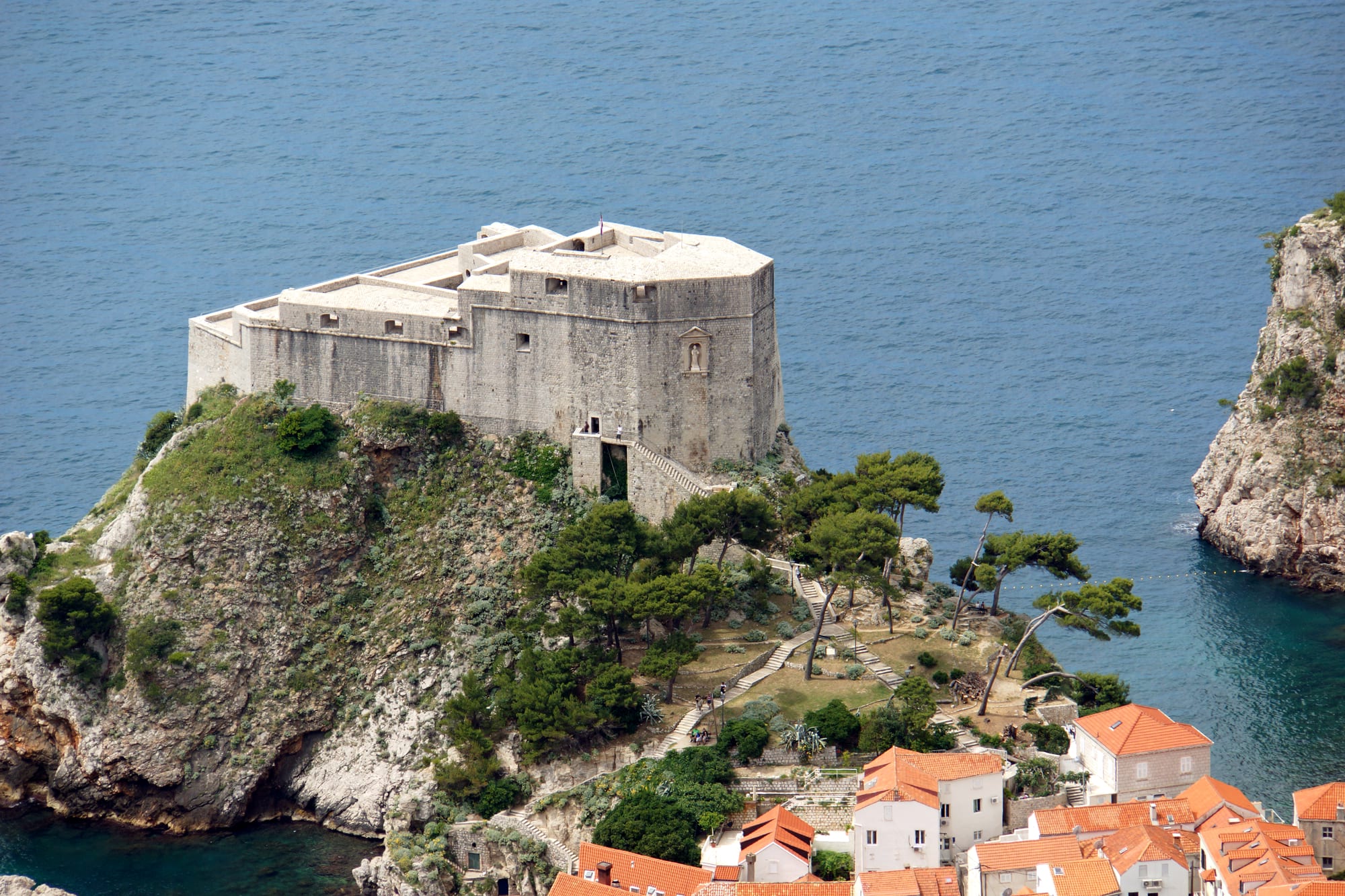
According to the city's chronicles, the people of Ragusa built the first fort on this rock in just three months in the 11th century, beating Venice, which had planned to fortify the same spot. When Venetian ships arrived loaded with building materials, they were told to go home.
Useful to every empire
The tribute bought far more than safety. Ragusa handled the Adriatic trade on behalf of the Ottomans, its merchants paid lower customs duties than other foreigners, and its ships could enter the Black Sea, which was otherwise closed to non-Ottoman shipping. Most of the traffic between Florence and the Ottoman port of Bursa passed through the city, with Italian cargoes landed at Ragusa and carried overland through Sarajevo, Skopje and Edirne.
That usefulness gave it room to deal with everyone. In the late 16th century it lent its merchant fleet to Spain, the Ottomans' rival, on condition that this did not harm Ottoman interests, and the sultan tolerated it because Ragusan trade brought in goods from his enemies. In 1684, as Ottoman power waned, the republic accepted the Habsburg emperor as King of Hungary and its sovereign, for 500 ducats a year, while still recognising the sultan. In 1699 it handed two strips of coast to the Ottomans so that Venice could not reach it by land. One of them, around Neum, is today the only stretch of coast belonging to Bosnia and Herzegovina.
Neutrality was the other half of the strategy. Ragusa stayed out of the War of the Austrian Succession and the Seven Years' War, and its neutral flag of Saint Blaise made it one of the chief carriers of the Mediterranean. Around 1800 it kept consulates and consular offices in more than eighty cities and ports.
A government built to stop a strongman
Inside the walls, power belonged entirely to the nobility. From 1332 the Major Council was closed to all but male members of the noble families, who took their seats at 18. It elected the Senate, 45 men over the age of 40 who by the 16th century were the real government, and the Minor Council. Ordinary citizens could hold only minor posts, the artisans and farmers had no voice at all, and marriage between the classes was forbidden.
The head of state, the Rector, served for just one month and could not be re-elected for two years. Short terms, rotating offices and annual elections were designed to stop any one family gaining absolute control, as the Medici had done in Florence. An inscription on the council offices urged officials to manage public affairs as if they had no private interests.
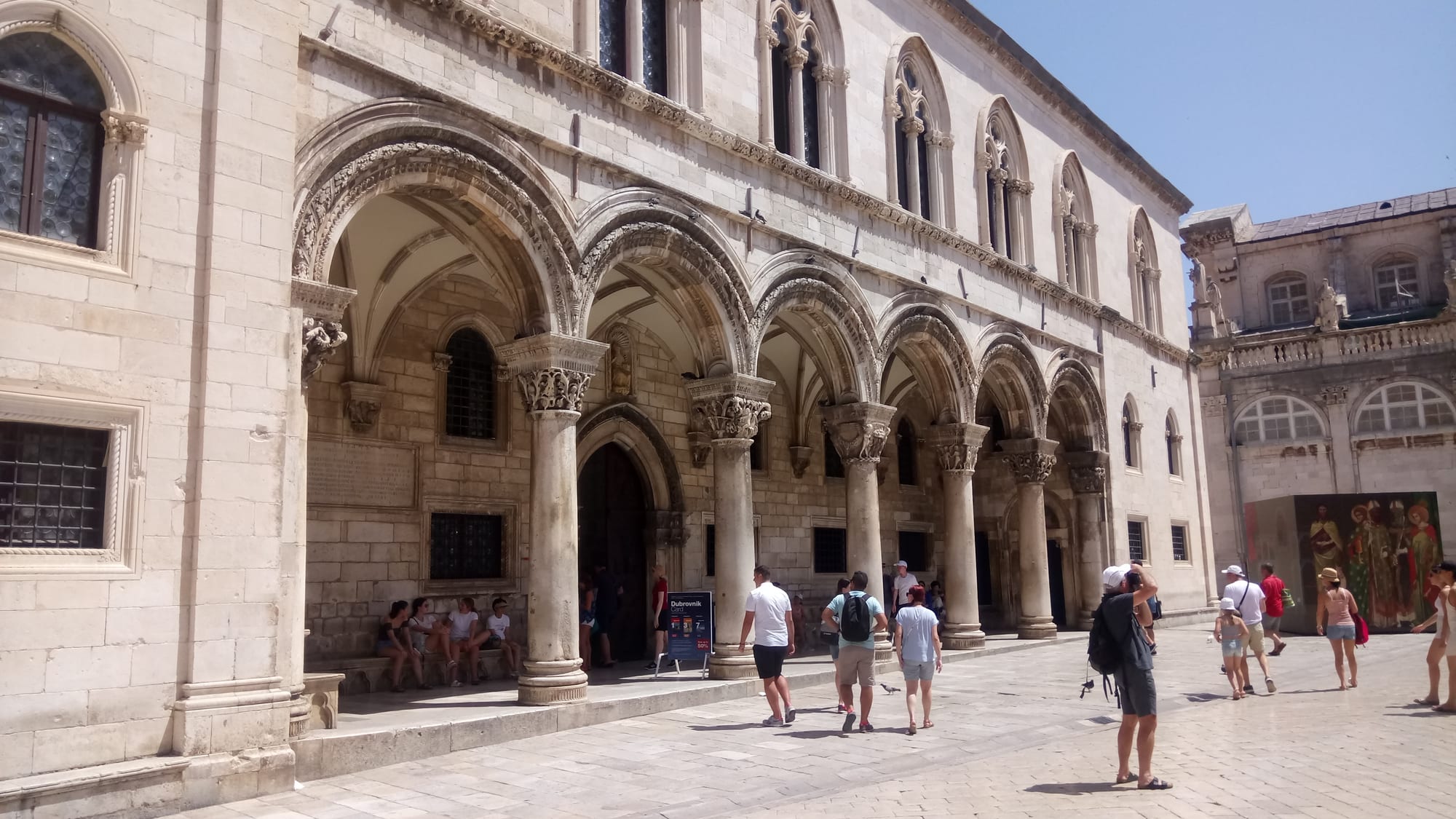
The palace was the seat of the Rector from the 14th century until 1808. Besides the state offices it held an armoury, the gunpowder store, the watch house and a prison.
Walls, salt and quarantine
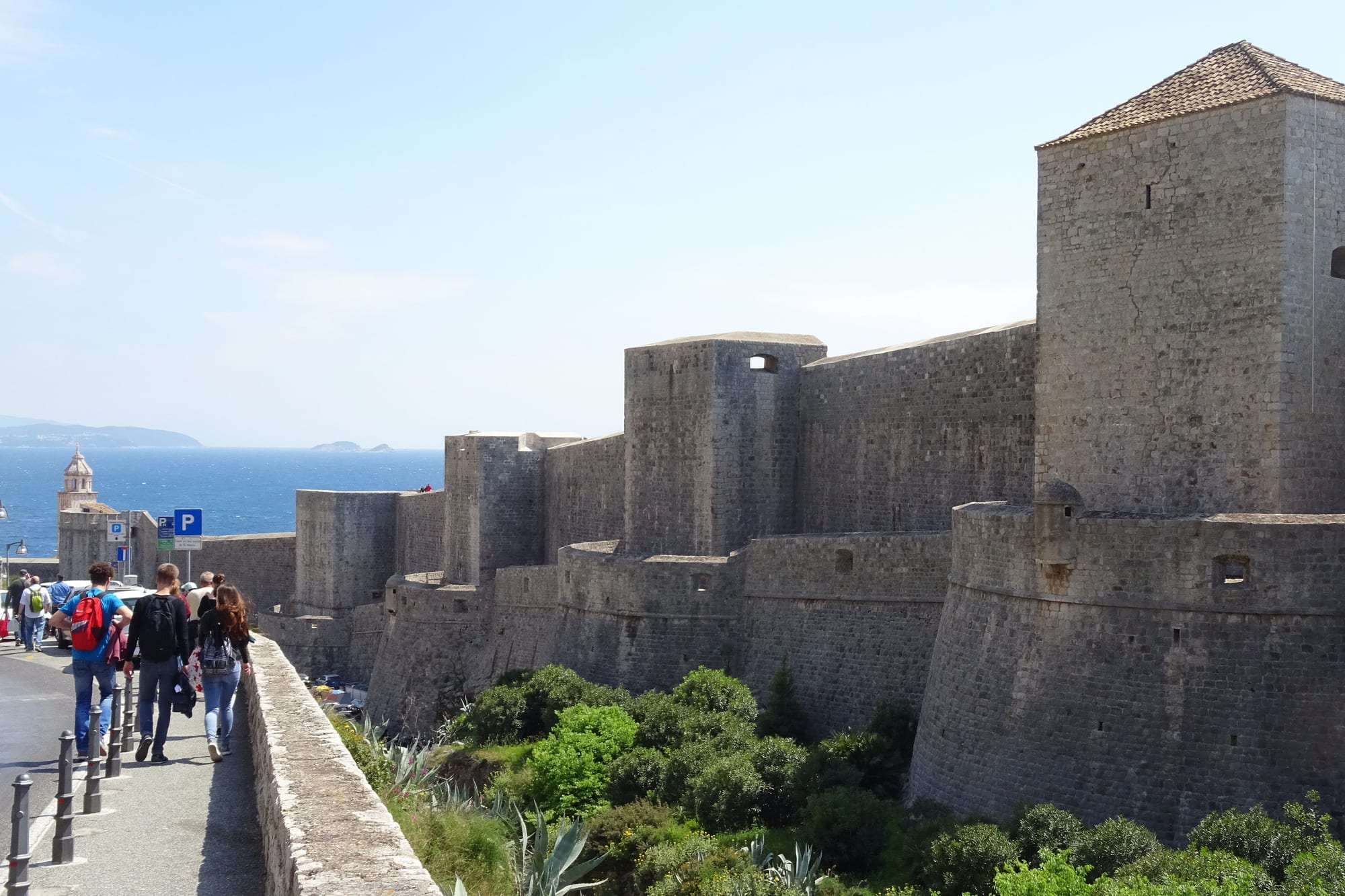
Diplomacy worked best with stone behind it. Dubrovnik's walls run for about 1,940 metres around most of the old city, reach about 25 metres high and are 4 to 6 metres thick on the landward side. The round Minčeta Tower was built in 1463, at the height of the Ottoman threat, with Italian engineers sent by Pope Pius II.
The republic also protected its money. In 1333 it took over Ston and the Pelješac peninsula, and it walled the narrow neck of land with one of the longest defensive walls in Europe, between two newly planned towns. The walls guarded saltworks that earned the state 15,900 ducats a year.
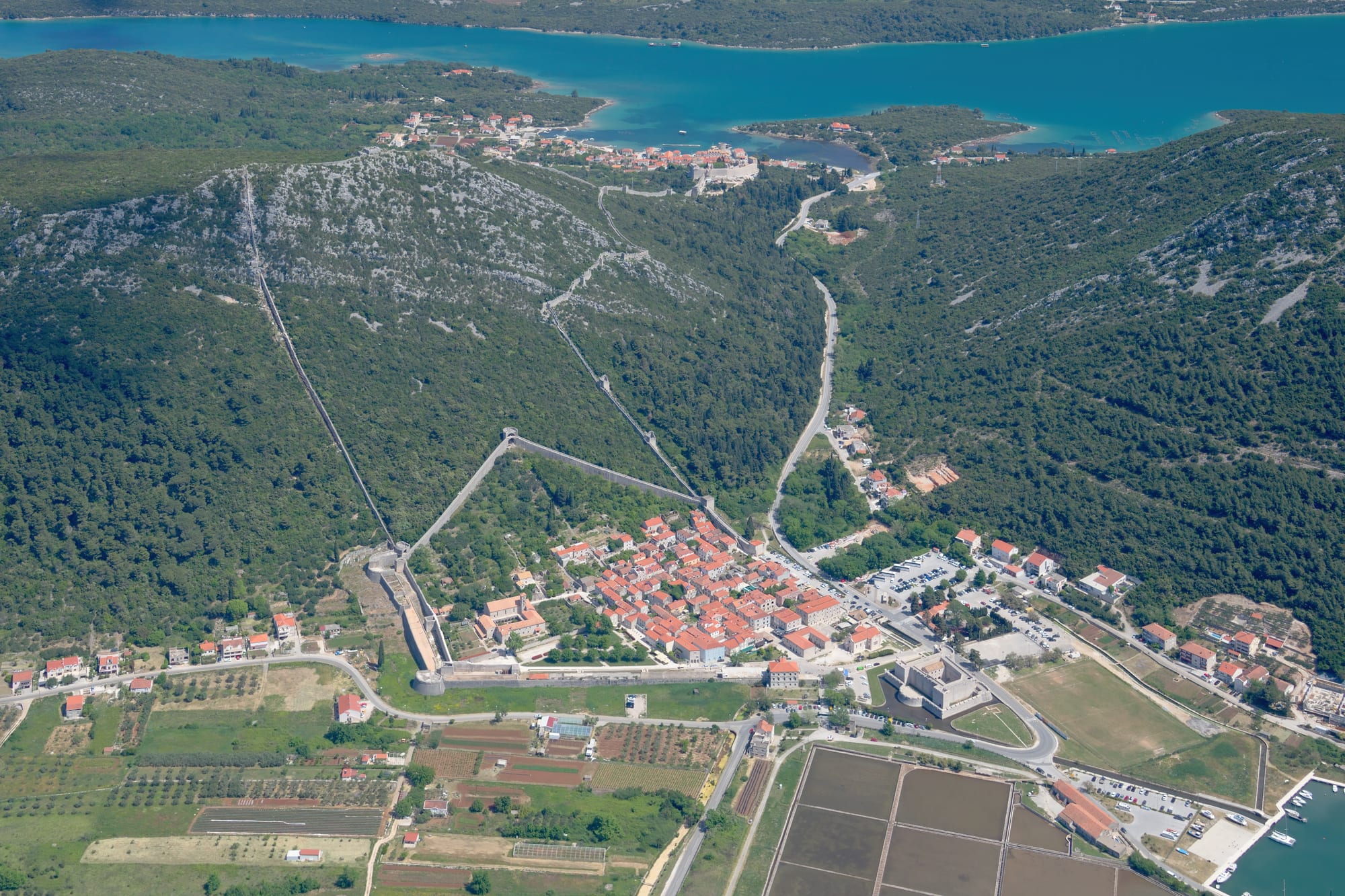
Ragusa planned Ston and Mali Ston as new towns in the 14th century, partly to house the people who worked the state's salt pans and to hold the border of the peninsula.
Disease was a threat too. In 1377 the republic ruled that newcomers must spend thirty days in isolation, at first on nearby islands, to see whether signs of plague appeared before they could enter the city. This thirty-day isolation, the trentino, was the forerunner of the forty-day quarantena that gave quarantine its name.
How it ended
Neutrality failed only when the great powers fought on Ragusa's doorstep. In 1806 French troops under General Lauriston asked to rest and resupply in the city on their way to the Bay of Kotor, then occupied it in Napoleon's name on 27 May. Russian and Montenegrin forces besieged the city, and in 1808 Marshal Marmont abolished the republic and took the title Duke of Ragusa.
In 1813 Ragusans of every class rose against the French, helped by British forces. But when the French garrison left in January 1814, Austrian and British troops entered, and the flag of Saint Blaise flew for only two days before the Austrian general ordered it lowered. Although the republic's government had never signed a surrender, the Congress of Vienna gave its territory to Austria.
The old city of Dubrovnik, including much of its walls, was added to UNESCO's World Heritage List in 1979.