Attractions & Natural Wonders
Why do rainforests grow along the equator?
A sun that stays high all year drives a belt of rising air and daily storms around the equator, giving forests heat and rain with no dry season
By Globeway Editorial · 13 October 2026
The short answer
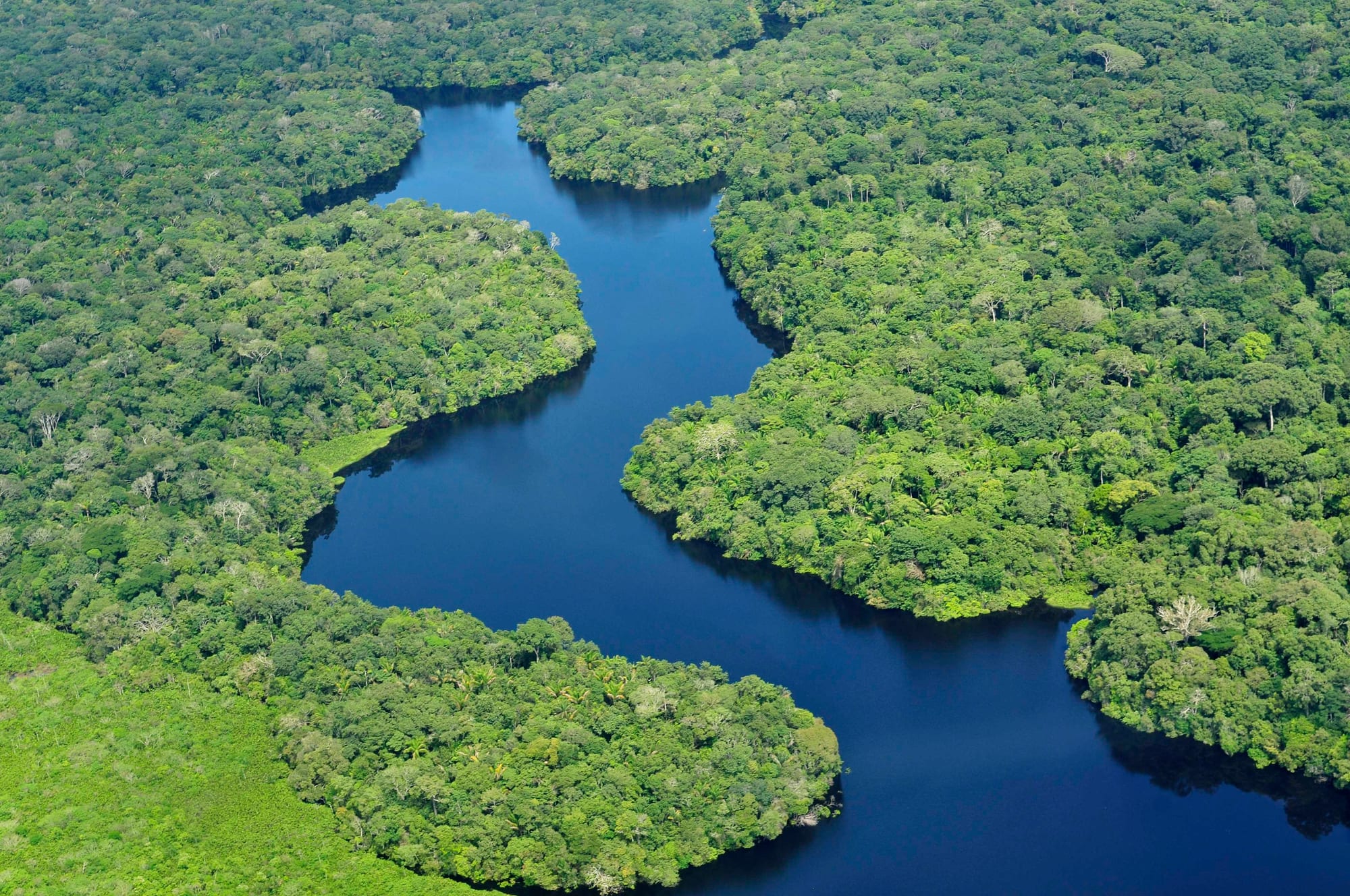
Tropical rainforests need two things at once: warmth in every month of the year, and heavy rain with no real dry season. True rainforests have average temperatures above 18 °C (64 °F) in all twelve months and at least 60 mm (2.4 in) of rain in each of them. The band of the planet within about 10 degrees north and south of the equator is the one place where both conditions are reliably met, so that is where most of them grow.
The heat comes from the sun, which stands high over the equator all year. The rain comes from what that heat does to the air: warm, moist air rises, cools and drops its water in towering thunderstorms, in a belt that circles the globe near the equator. That same circulation sinks back to the ground further north and south, which is why great deserts lie in the belts to the north and south of the wettest forests on Earth.
A sun that never goes low
The tropics are the part of Earth where the sun can shine directly overhead. Because it stays at a high angle throughout the year, the tropics receive the most solar energy of anywhere on the planet and have the highest temperatures. Even when it is not exactly overhead, it is close, so the seasons barely change the temperature at all. Near the equator "winter" and "summer" lose their meaning: in a tropical rainforest climate the difference between day and night can be larger than the difference between the warmest and coolest months.
That steady warmth matters to a forest. There is no frost to kill tender growth and no cold season in which trees must shut down. Plants can grow, flower and fruit all year round, provided they have water.
The rain belt that circles the planet
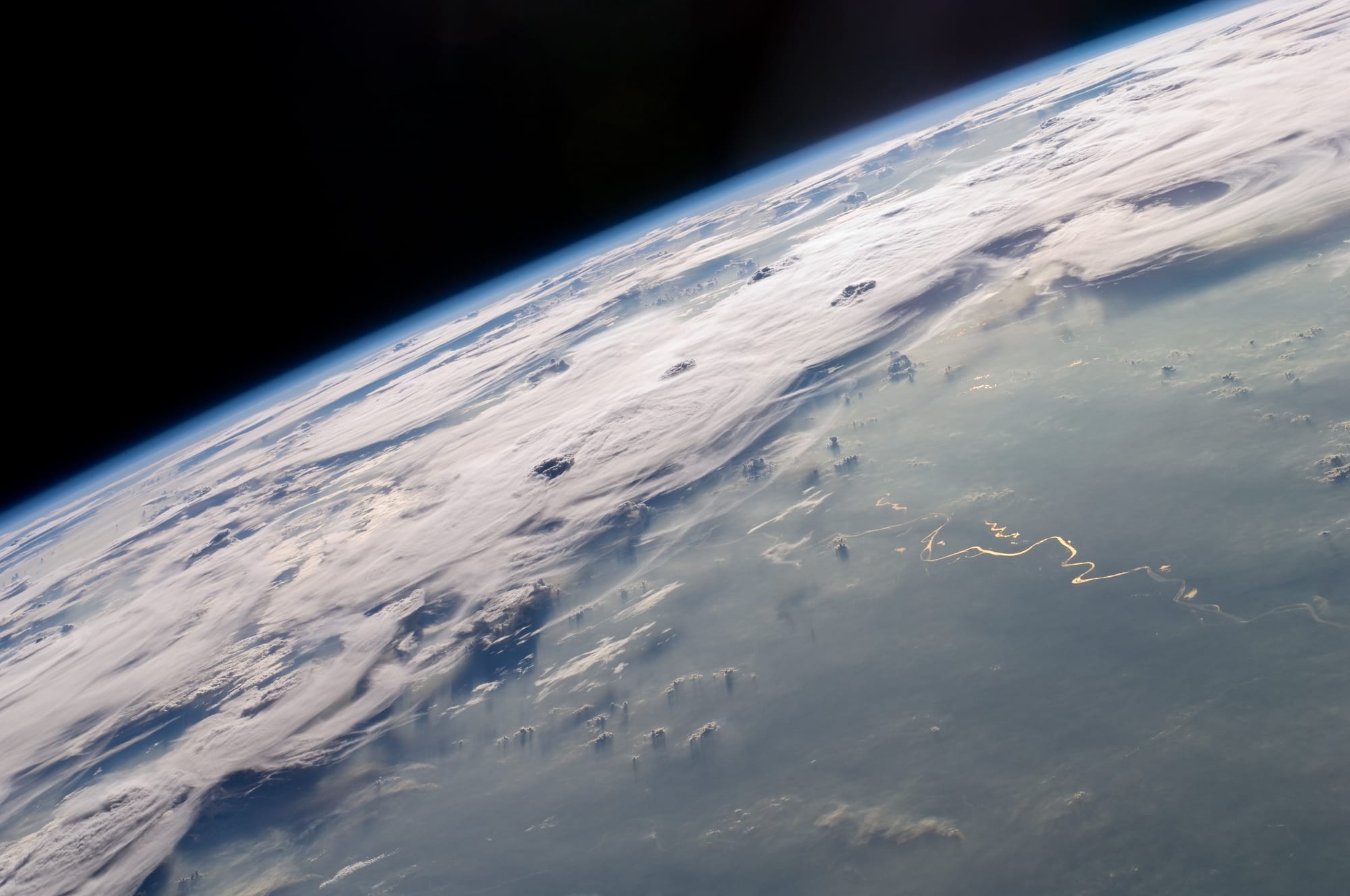
The water comes from a vast engine in the atmosphere called the Hadley cell. Air heated near the equator rises. As it climbs it cools, and the water vapour it carries condenses into cloud and rain. Condensation releases heat of its own, which pushes the air higher still, building towering thunderclouds. High up, at around 12 to 15 km (7.5 to 9.3 miles), the air flows away towards the poles, cools, and sinks at about 30 degrees of latitude before returning towards the equator near the surface. Those returning surface winds are the trade winds, which blow from the northeast in the Northern Hemisphere and from the southeast in the Southern.
Where the two sets of trade winds meet, near the equator, they pile moist air together and force it upwards. Meteorologists call this meeting place the Intertropical Convergence Zone, or ITCZ. From space it shows up as a band of clouds, mostly thunderstorms, wrapped around the globe, and it is where Earth's heaviest rains fall.
The ITCZ is not fixed. It drifts north and south over the year, roughly following the warmest part of the planet, and its movements create the wet and dry seasons of the tropics in place of the cold and warm seasons of higher latitudes. Close to the equator, it is overhead or nearby for most of the year, so rain never really stops. Further away, it visits for only part of the year, leaving a dry season. That is where rainforest gives way to seasonal forests, in which some trees drop their leaves in the dry months, and then to savanna. Annual rainfall in a true tropical rainforest is no less than 1,680 mm (66 in), typically between 1,750 and 3,000 mm, and in places more than 10 metres.
Why the deserts are next door
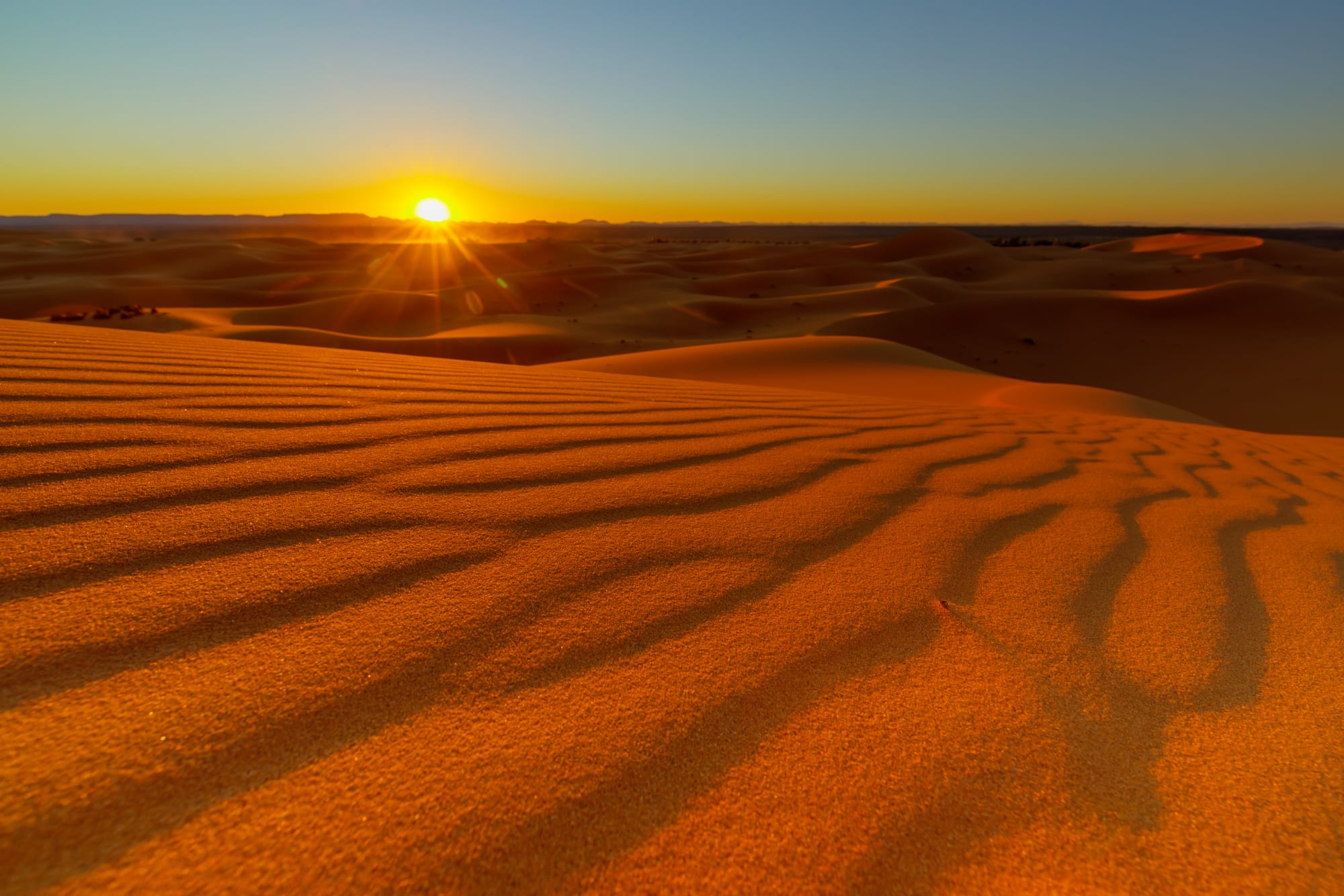
What goes up must come down. The air that rose over the equator, having already wrung out its water, sinks back to the ground in the subtropics. Sinking air warms and dries, and it suppresses rainfall. These latitudes, about 30 degrees north and south, are known as the horse latitudes: sunny, calm and very dry. Many of the world's deserts and arid regions lie beneath this sinking air, including the deserts of Africa, which owe their dryness to hot, dry, subsiding air masses.
The English lawyer and amateur meteorologist George Hadley proposed this circulation in 1735 to explain the trade winds. His idea, refined since, explains the pattern on any map of the world's vegetation: a green belt of rainforest at the equator, bordered by savanna, then by the desert belts of the subtropics.
Exceptions that prove the rule
Not every place on the equator is rainforest, and not every rainforest is on the equator. Kenya sits astride the equator, yet the further inland one goes, the drier its climate becomes. Low-level jets of wind that funnel through the valleys of the East African Rift carry millions of tonnes of water vapour from the Indian Ocean across the region and deep into the continent, where it feeds the Congo rainforest, leaving East Africa unusually dry for its latitude. Height matters too: on large tropical mountains, lowland rainforest gives way to cooler montane forest and, higher still, to cloud forest.
In the other direction, a few places well away from the equator have a tropical rainforest climate, such as the coast of southeast Florida and the Japanese island of Okinawa. Some tropical rainforest climates owe more of their rain to the steady trade winds than to the ITCZ.
The forests also help make their own weather. Half of the rainfall in the Amazon region is produced by the forest itself, and that moisture is important to rainfall as far away as Paraguay and Argentina. The Amazon rainforest covers about 6 million km2 (2.3 million sq miles) and is more than half of all the rainforest left on Earth.
Lush forest on poor ground
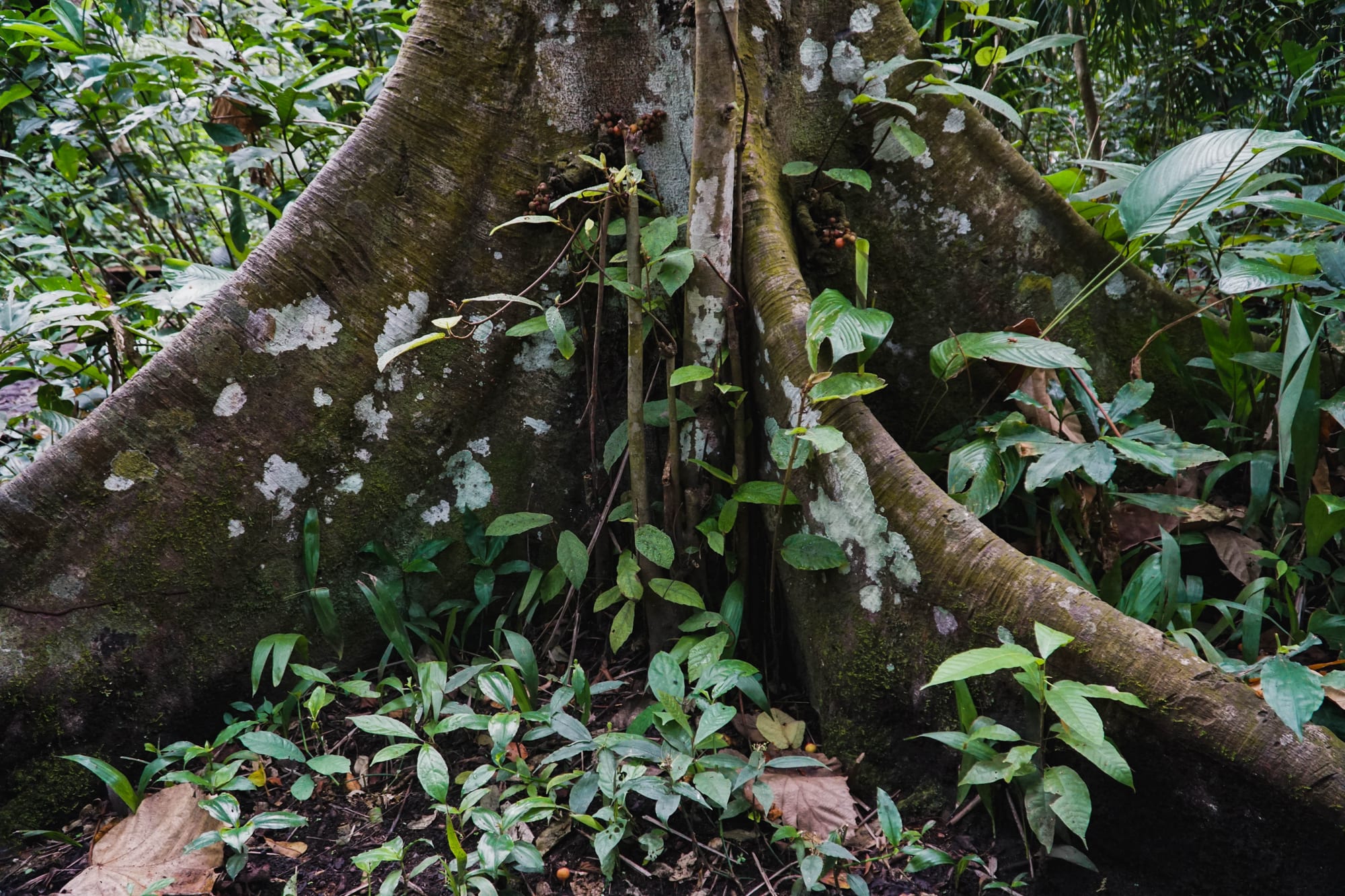
The same rain that makes the forest possible also strips the ground. Heavy, constant rainfall leaches soluble nutrients out of the soil, and many rainforests grow on old, acidic, reddish soils that are poor in calcium, potassium and phosphorus. The forest survives by recycling. Fallen leaves and dead animals decay very quickly in the warmth and damp, broken down by bacteria, fungi and termites, and the released nutrients are taken up almost at once. Most of the nutrients therefore sit near the surface, which is why many rainforest trees spread wide, shallow buttress roots instead of sending roots deep.
The result is the richest ecosystem on land. Tropical rainforests hold an estimated 40 to 75 percent of all species, and a single hectare may contain 42,000 species of insect and up to 807 trees of 313 species. The reason for all that life, and for the forest itself, comes back to a sun that never goes low and the storms it raises.