History · Costa Rica
Why does Costa Rica have no army?
The winner of a short civil war in 1948 abolished the army that had fought him, and the constitution of 1949 made the decision permanent.
By Globeway Editorial · 13 October 2026
The short answer
Costa Rica has no army because the man who won its civil war in 1948, José Figueres Ferrer, abolished it. On 1 December 1948 his provisional government declared the army dissolved, and in 1949 a new constitution wrote the ban into Article 12: "The Army as a permanent institution is abolished." The country keeps police forces for public order and border control, but no standing military.
Why he did it is still debated. The army had just fought against him on the losing side, Central America was a region where armies regularly overthrew governments, and Figueres himself spoke of a future without armed forces. Money mattered too: the funds once spent on soldiers were redirected to education, health and security. Whatever the motives, the choice stuck, and Costa Ricans have come to treat it as part of their national identity.
An army that had lost the people's trust
Costa Rica's soldiers had a poor record long before 1948. From 1917 to 1919 the country was ruled by a military dictatorship under General Federico Tinoco Granados, which ended in 1919 amid mounting popular opposition. It was the last military government in Costa Rican history, and its unpopularity left the army smaller, poorer and less influential than before.
The 1940s made things worse. Pro-Calderón elements in the military, loyal to the former president Rafael Ángel Calderón Guardia, joined in street violence, and under his successor Teodoro Picado the government turned to military force several times to keep order. The military's image suffered, and the communist party, an ally of the government, deployed its own militia as well. By the end of a week-long opposition strike, police and soldiers patrolled the streets and the capital, San José, looked as if it were under siege.
Forty-four days in 1948
The breaking point was the election of 8 February 1948. A newly created electoral tribunal declared the opposition journalist Otilio Ulate the winner over Calderón, but Congress, controlled by Calderón's coalition, voted to annul the result. On 12 March Figueres, a coffee farmer and businessman who had been preparing for war, launched an uprising with his National Liberation Army.
The government's defenders were the small, ill-equipped regular army, communist militias and soldiers sent from Nicaragua by its dictator, Anastasio Somoza. They could not hold. The rebels took Cartago, the second city, on 12 April; Picado resigned and went into exile with Calderón; and on 24 April the rebels entered San José. About 2,000 people are believed to have died, making it the bloodiest event in Costa Rica's twentieth century. Figueres then governed for 18 months at the head of a junta.
The hammer at the barracks
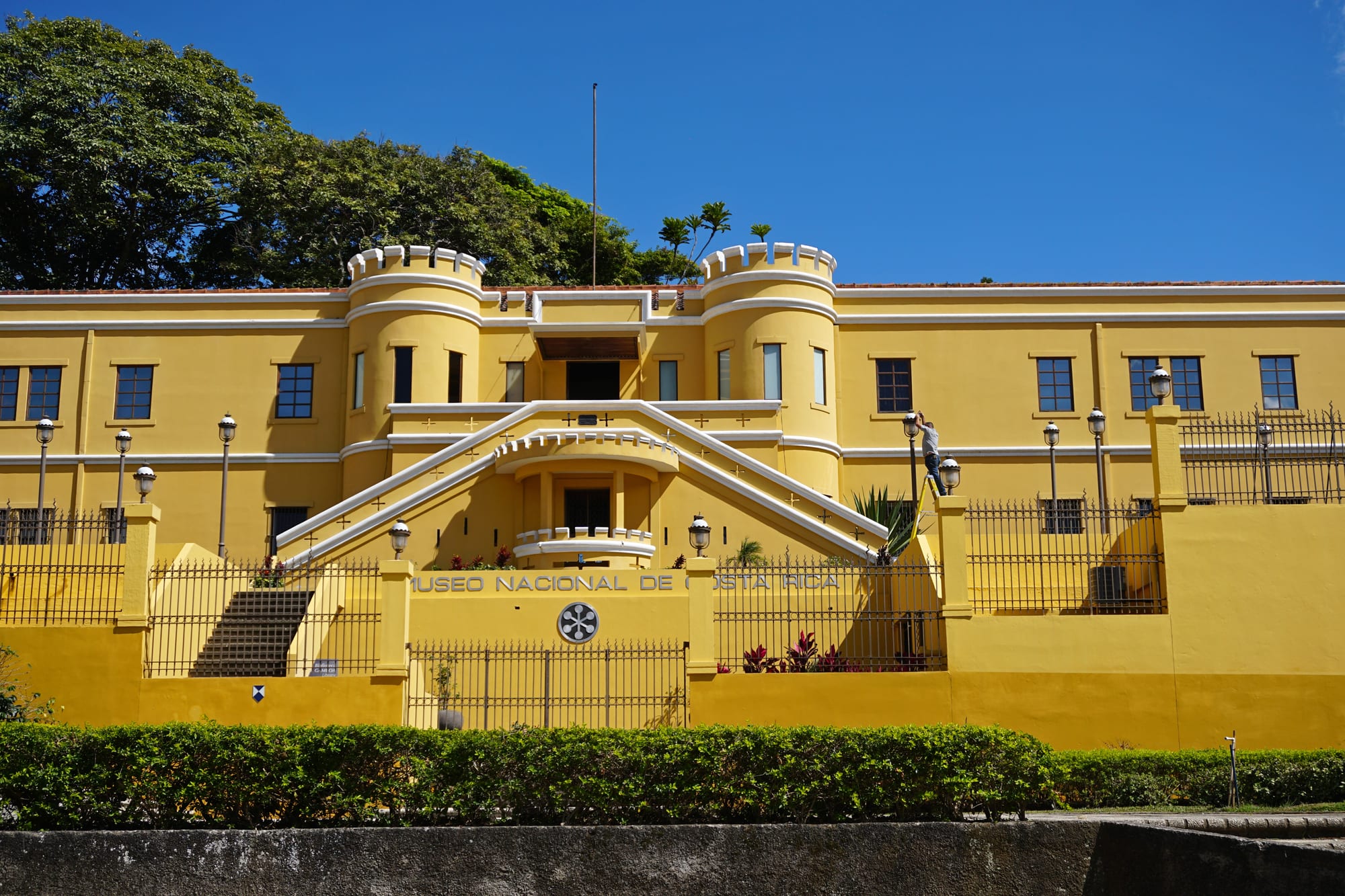
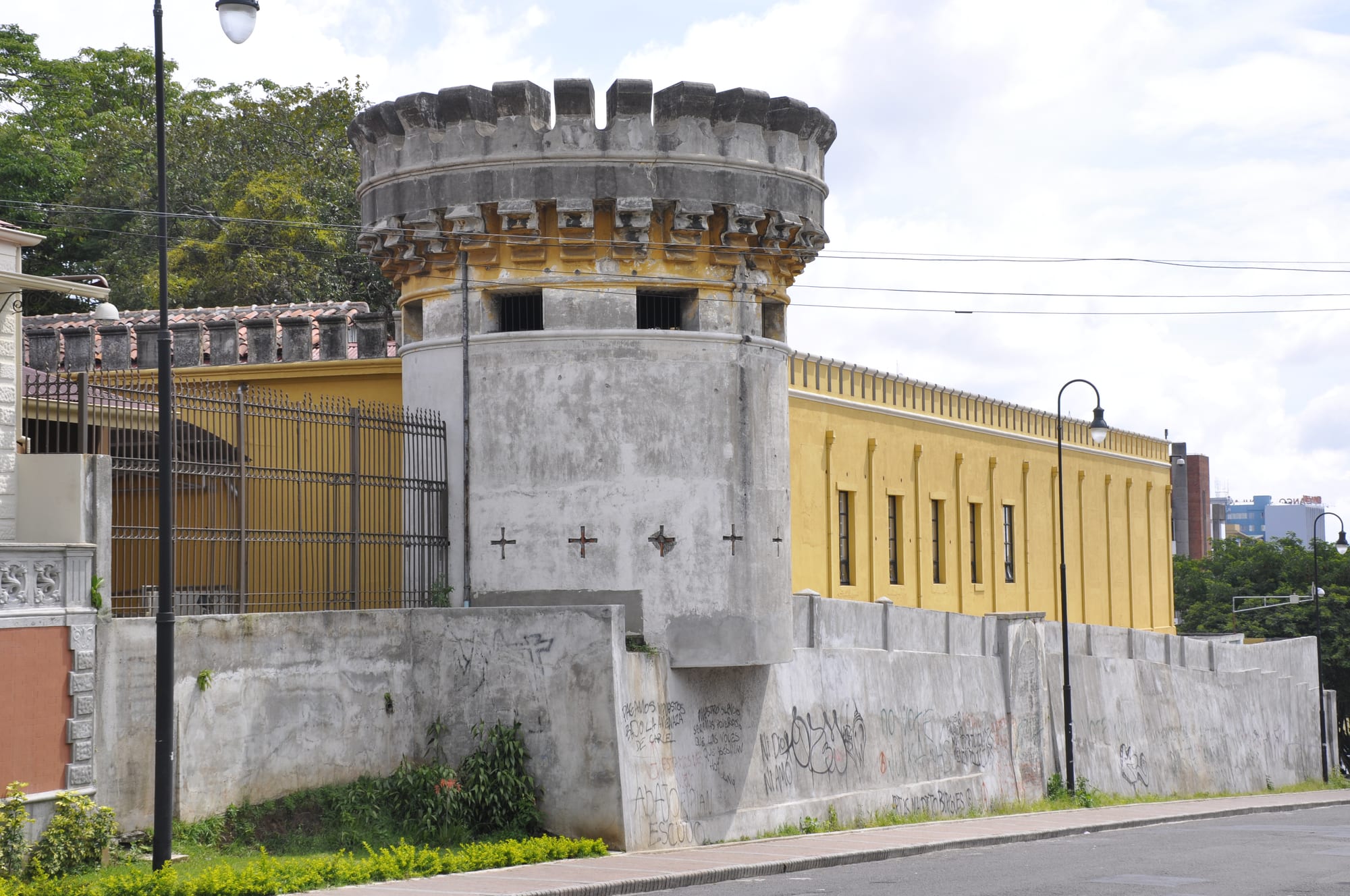
On 1 December 1948, at a ceremony in the capital, Figueres struck a wall with a mallet to mark the end of the military. The army's headquarters, the Bellavista barracks, was handed over to the University of Costa Rica and is now the home of the National Museum. The constituent assembly then made the abolition part of the constitution approved on 7 November 1949, and the junta handed power to Ulate, the man who had won the annulled election, in November 1949.
Historians give several reasons. Figueres's own account was that the army had to go as a precaution against the militarism that had repeatedly undercut democracy in Central America; other writers argue he was also removing a defeated institution that could have become a political rival. Others point out that the existing army was small and ill-equipped, and that the force which had actually won the war included foreign fighters of the Caribbean Legion, a band of exiles he had trained to overthrow dictators elsewhere in the region. His junta also nationalised the banks, gave women the vote and guaranteed public education, so ending the army fitted into a much wider rebuilding of the state that became known as the Second Republic.
Keeping the peace without soldiers
The new arrangement was tested quickly. In January 1955, during a border feud with Nicaragua, the exiled Calderón invaded Costa Rica with Somoza's backing. The Nicaraguan dictator withdrew after extracting a promise from Figueres, by then elected president, to cut his links with anti-Somoza exiles.
Since then Costa Rica has leaned on diplomacy and international law. When Nicaraguan troops occupied a small stretch of Isla Portillos on the San Juan River border in 2010, Costa Rica took the dispute to the International Court of Justice, which ruled in 2015 that the territory was Costa Rica's. In 1987 the president Óscar Arias won the Nobel Peace Prize for his plan to end the wars then raging in neighbouring countries, and in 1986 he made 1 December the national Day of the Abolition of the Army.
What "no army" means in practice
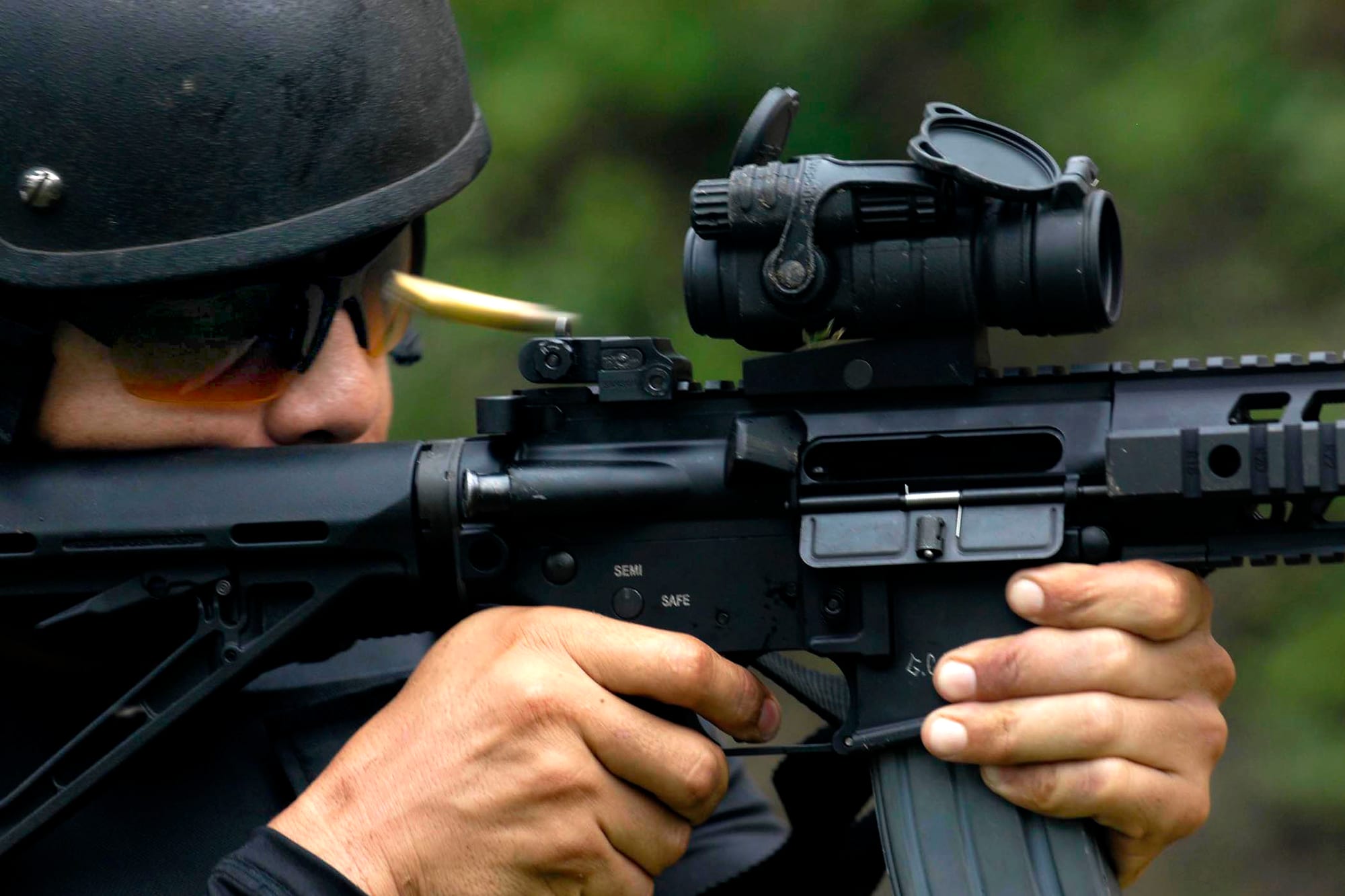
Security today rests with the Public Force, created in 1996 by merging the civil, rural and frontier guards under the Ministry of Public Security, plus a coast guard and a commando-style unit of about 70 members that is officially a civilian police unit, although it is organised along military lines. Between 1950 and 1965 more Costa Rican police officers graduated from the US Army's School of the Americas than officers from any other country in the hemisphere except Nicaragua.
Still, the core fact holds. Costa Rica has not had a civil war or a military takeover since 1948, which is unusual in a region where military takeovers were common through the Cold War. Elections remain competitive: in February 2026 Laura Fernández won the presidency in the first round. The old barracks in San José, now painted yellow and filled with the national collections, faces the Plaza de la Democracia, and Costa Ricans broadly take pride in the decision.