Culture & Customs · Ethiopia
Why does Ethiopia's calendar run seven or eight years behind the Gregorian calendar?
Two early Christian scholars worked out the year of Christ's incarnation differently. Europe followed one, Ethiopia the other, and the gap is seven or eight years.
By Globeway Editorial · 13 October 2026

The short answer
Ethiopia's calendar and the Gregorian calendar used across most of the world both count years from the same event: the incarnation of Jesus. They simply disagree about when it happened. Ethiopia follows a calculation made by Annianus, a monk in Alexandria, around the year 400. Western Europe eventually adopted a different calculation, made in Rome in 525 by another monk, Dionysius Exiguus, which put the incarnation several years earlier. Ethiopia kept the older Alexandrian count, and so its year numbers are smaller.
The gap is not always seven years. The Ethiopian year begins in September, on 11 September in most years. From that day until 31 December, Ethiopia is seven years behind; from 1 January until its New Year, it is eight. On 11 September 2026, Ethiopia entered the year 2019. So the calendar is not really "behind" at all: it is counting from a different starting point, and it is the official civil calendar of the country.
Two monks, two answers to the same question
Early Christians did not number their years from the birth of Christ. In Alexandria, the great intellectual centre of Egyptian Christianity, Annianus built a chronology of world history from biblical sources. He placed the Incarnation, which in modern terms means Christ's conception, on 25 March in the year now called AD 9. The Ethiopian civil year containing that date began on 29 August AD 8, and that day is the starting point, or epoch, of the Ethiopian calendar.
A century later, Dionysius Exiguus was drawing up a table of future dates of Easter. Until then, such tables numbered years from the reign of the Roman emperor Diocletian, who had persecuted Christians. Dionysius did not want to keep the memory of a tyrant alive, so he counted instead from the incarnation. He stated that his own year was 525 years after it, without explaining how he had worked that out. His system, Anno Domini ("in the year of the Lord"), was not widely used until the 9th century, but it became the standard in Western Europe and later across the world.
Neither monk had the date right by modern standards. Most scholars today place the birth of Jesus between 6 and 4 BC.
Why Ethiopia kept the Alexandrian count
Ethiopia's ties ran to Alexandria, not Rome. Christianity became the faith of the Aksumite kingdom in the 4th century, and the Ethiopian Orthodox Tewahedo Church was administratively part of the Coptic Orthodox Church of Alexandria from then until 1959, when it was granted its own patriarch. After the Council of Chalcedon in 451, the churches of Egypt and Ethiopia split from those of Rome and Constantinople over how to describe the nature of Christ, and the churches that rejected that council kept the calculations of Annianus.
Ethiopia is also one of Africa's oldest continuously independent states and was never colonised, though Italy occupied it from 1936 to 1941, and it never set its own calendar aside. Egypt, by contrast, adopted the Gregorian calendar for fiscal purposes in 1875, although the Coptic Church still uses its own calendar.
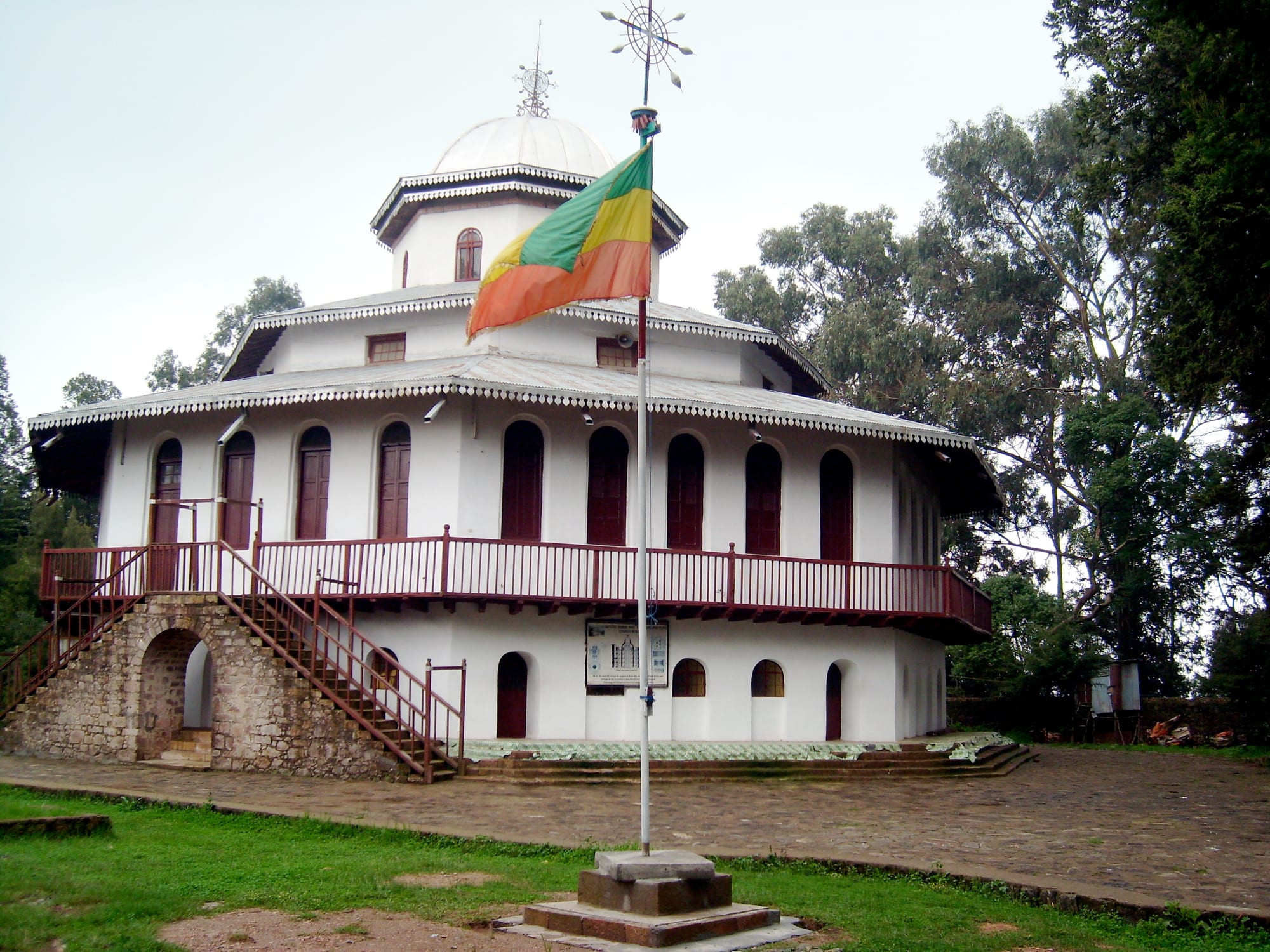
The New Year, Enkutatash, means "gift of jewels" in Amharic. According to Ethiopian tradition, it marks the day the Queen of Sheba returned from visiting King Solomon in Jerusalem, when her followers welcomed her with jewels. Today families attend church, share a meal of injera and wat, and girls in new clothes go from door to door with bouquets of flowers, singing a New Year song.
Thirteen months and a September New Year
The structure of the calendar is just as old. It descends from the calendar of ancient Egypt, a year of 365 days. In the Ethiopian version there are twelve months of 30 days, and the remaining days form a short thirteenth month, Pagume, of five days, or six in a leap year. Like the old Julian calendar, the Ethiopian calendar adds a leap day every four years without exception. Each year in the four-year cycle is named after an evangelist: John, Matthew, Mark, and Luke for the leap year.
The months begin on the same days as those of the Coptic calendar, but carry names in Geʽez. Because the Gregorian calendar skips three leap years every four centuries and the Ethiopian one does not, the two drift slowly apart. The New Year falls on 11 September, or on 12 September in the year before a Gregorian leap year, only for the years 1900 to 2099.
The millennium that came seven years late
The difference was never clearer than in 2007. On 11 September of that year, Ethiopia celebrated the start of its third millennium, the year 2000. Concerts were held at the Millennium Hall in Addis Ababa holding 20,000 people, and the American band the Black Eyed Peas performed in Ethiopia for the first time. The government treated the moment as the start of a national renaissance and launched a project known at first as the Millennium Dam, later renamed the Grand Ethiopian Renaissance Dam.
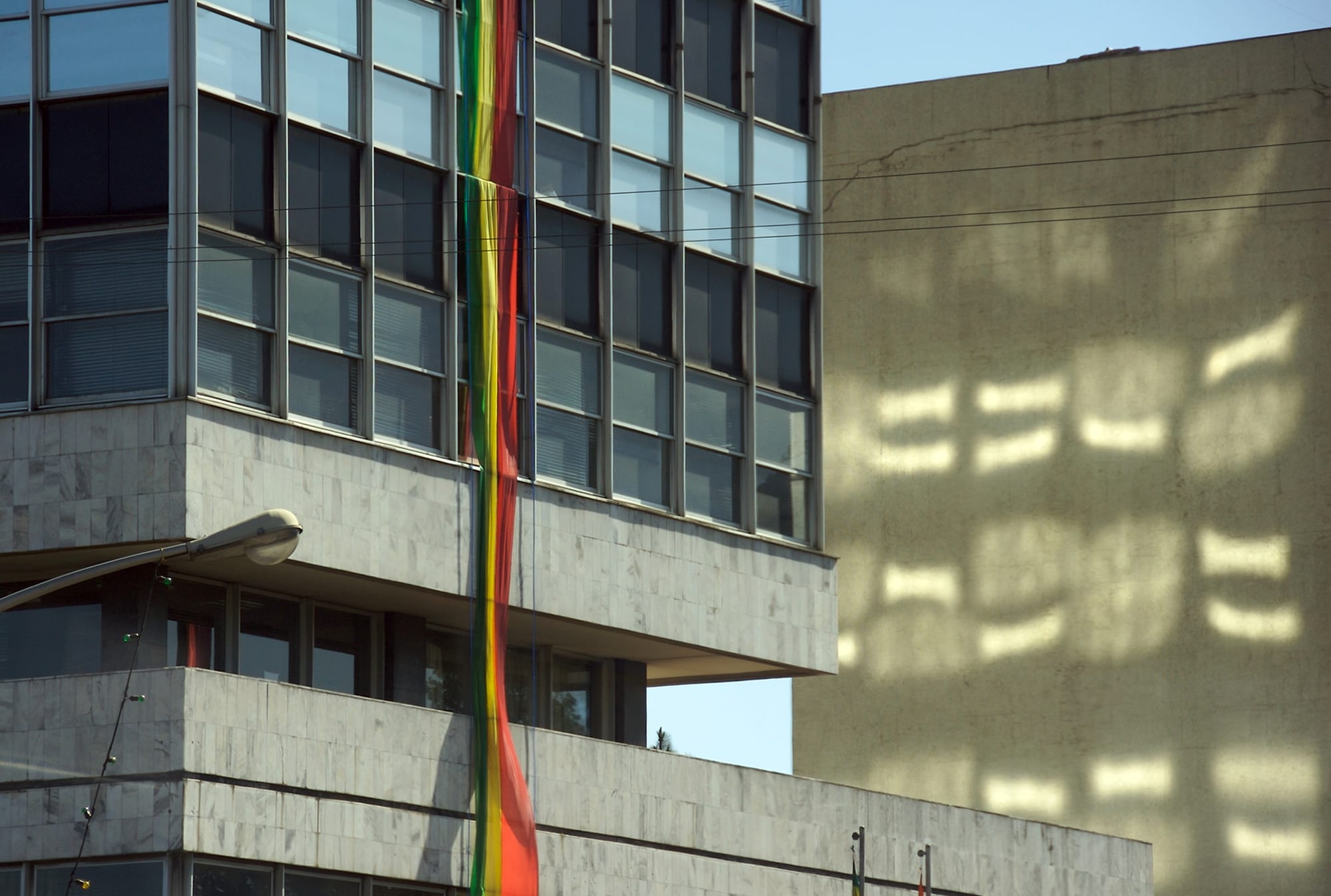
Not everyone joined in the same way. Banks, airlines and large businesses went on using the Gregorian date, and tickets to the main concert cost more than $150, nearly twice the average salary, which drew complaints.
Living with two calendars
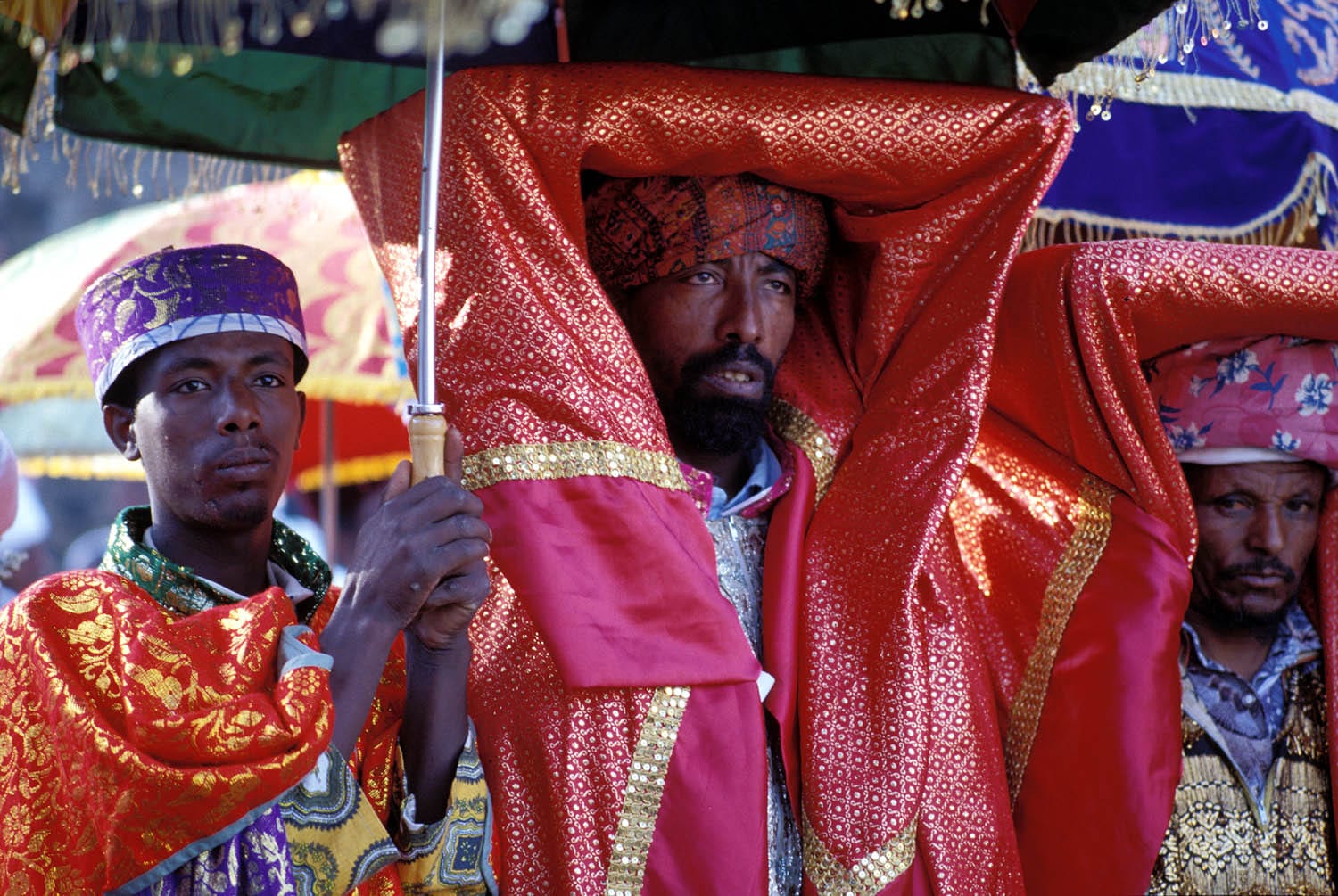
Ethiopia's calendar is not a church curiosity. It is the official civil calendar of the state, and the religious calendar of the Orthodox, Eastern Catholic and P'ent'ay churches of Ethiopia and Eritrea. Fasts and feasts follow it, and some fall on dates that look unusual to outsiders: Genna, Christmas, is celebrated on 7 January, and Timkat, the Epiphany, on 19 January (20 January in a leap year).
Before the Incarnation Era became standard, Ethiopian chroniclers used other ways of counting years, including an Era of the World, counted from a date for Creation in 5493 BC. That count stayed in use until the late 19th century.
What looks like a calendar that fell behind is really one that kept an older answer to an ancient question: in which year did the Christian era begin?