Daily Life
Why does jet lag hit harder when you fly east?
The body's master clock naturally runs a little longer than 24 hours, so stretching the day comes easily and squeezing it does not.
By Globeway Editorial · 13 October 2026
The short answer
Jet lag happens when the body's internal clock no longer matches the clock on the wall. Fly west, and the day is stretched: the body has to shift its clock later, a change called a phase delay. Fly east, and the day is squeezed: the clock has to shift earlier, a phase advance. Most travellers find the eastward shift harder, and much of the reason lies in the clock itself.
Left to run on its own, the human body clock keeps a cycle slightly longer than 24 hours, about 24 hours and 11 minutes on average. It already leans towards running late, so pushing it later after a westward flight goes with its natural drift. Pulling it earlier after an eastward flight goes against it, and the light that should help reset it can, at the wrong moment, push it the wrong way.
A clock that runs a little slow
Organs throughout the body keep daily rhythms, but the conductor sits in a small region of the brain called the suprachiasmatic nucleus, or SCN. It is made of about 10,000 nerve cells and sits just above the point where the two optic nerves cross. Special light-sensing cells in the eye feed it information about day and night, and it uses that information to keep the rest of the body in step: when to feel sleepy, when body temperature falls, when the hormone melatonin is released by the pineal gland as a signal of night.
Because this clock does not run at exactly 24 hours, it has to be reset every day by outside cues. Scientists call these cues zeitgebers, German for "time givers". Light is by far the strongest; meals, activity and melatonin also play a part. A careful study at Harvard University in 1999 put the natural human cycle at about 24 hours and 11 minutes. A 2010 study found that it tends to be slightly shorter in women (24.09 hours) than in men (24.19 hours).
Going west goes with the grain
A transatlantic example shows the asymmetry. Someone flying from New York to London, west to east, arrives feeling as if it were five hours earlier than the local time. At a London bedtime, the body still thinks it is early evening, so the typical complaint after flying east is trouble falling asleep. Someone flying the other way, from London to New York, feels as if it were five hours later. The body thinks it is the middle of the night at a New York bedtime, so falling asleep is easy; the problem after flying west is waking too early.
To recover, the eastbound traveller's clock has to move earlier by five hours, and the westbound traveller's clock later by five hours. A clock that naturally drifts later each day finds the second task easier. In effect, every day at home it is already being nudged about 11 minutes earlier just to stay on a 24-hour schedule; an eastward flight asks for hours of that nudging at once. This is also why people who are natural night owls, with a tendency to stay up late, may find westward travel easier still.
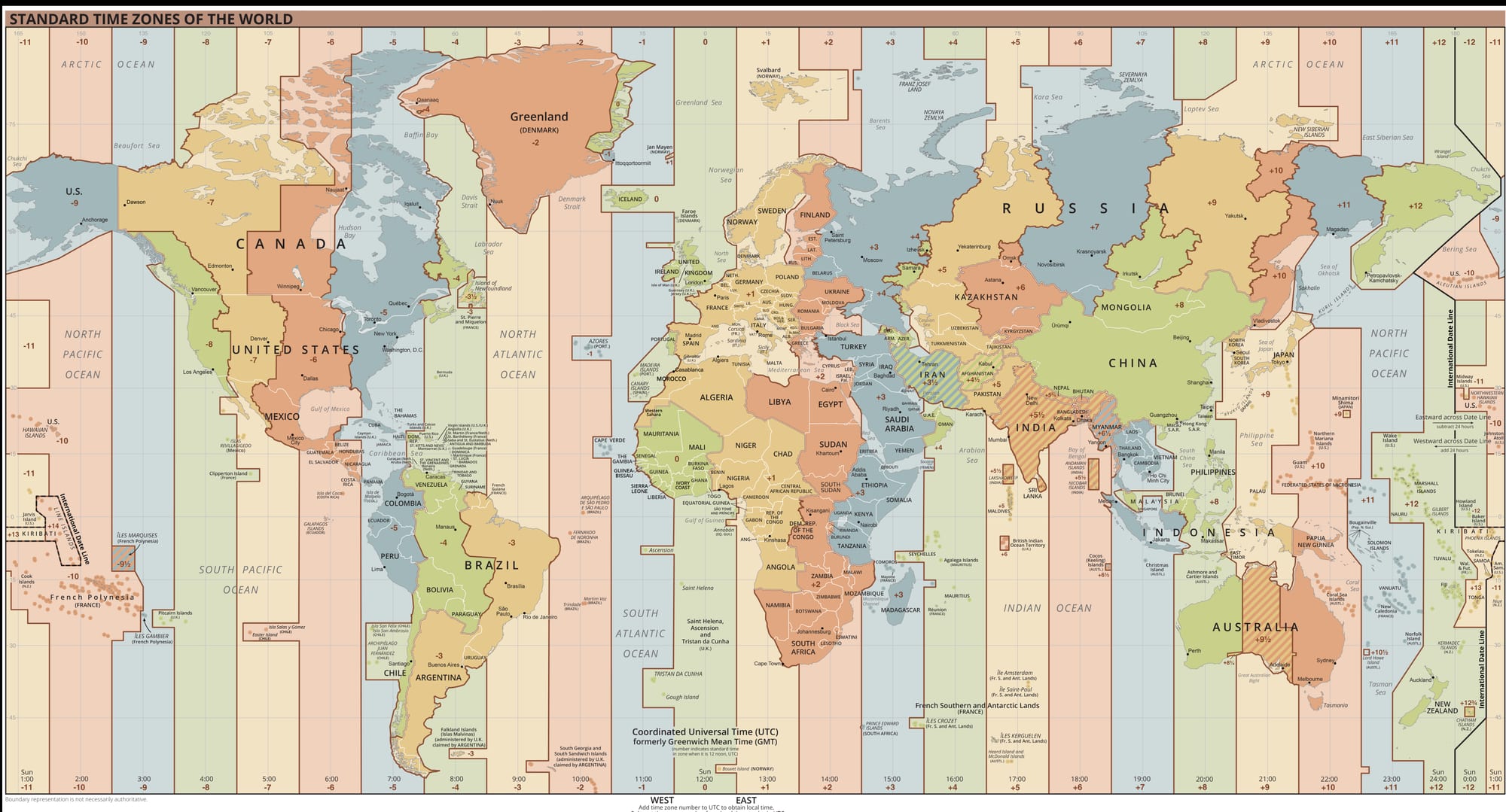
A ten-hour flight from Europe to southern Africa, almost due south, causes no jet lag at all, while a four-hour flight from Miami to Phoenix can.
When morning light points the wrong way
Light does not simply reset the clock; its effect depends on when it arrives. The relationship is mapped in what scientists call the phase response curve. Starting about two hours before a person's usual bedtime, light on the eyes delays the clock, and the delaying effect grows stronger through the evening. About five hours after usual bedtime, at the lowest point of core body temperature, the effect flips abruptly. From then on, light advances the clock, so morning light makes a person sleepy earlier the next night.
For an average adult that temperature low falls around 5 a.m. in their home time, about two hours before they would normally wake. After a long flight east, local morning can arrive while the body is still before that turning point, in its own middle of the night. Bright daylight then lands in the delay zone and pushes the clock later, the opposite of what the traveller needs. A westbound traveller has no such trap: evening light at the destination falls squarely in the delay zone, which is exactly the direction their clock has to move.

Morning light is the strongest signal the body clock receives, but whether it moves the clock earlier or later depends on where the traveller's own body is in its night.
Many clocks, out of step
The SCN is not the only clock. The liver, lungs, muscles and other organs keep their own rhythms, which the SCN normally keeps in line. Light resets the SCN within a few days, but the clocks in the organs respond more to signals such as hormones and meal times, and may lag behind. Researchers call the result double desynchronisation: the body is out of step with the local time and its own parts are out of step with each other. That helps explain why jet lag brings poor concentration, headaches, irritability and upset digestion as well as bad sleep.
How long it lasts varies from person to person. On average, full adjustment takes about one day for every hour of time difference. Crossing three or more time zones usually brings symptoms, though some people notice even the one-hour change to or from daylight saving time. People over 60 are more sensitive to shifts in their rhythms, and too little sleep, stress, caffeine and alcohol all make matters worse. The maximum possible time difference is 12 hours; crossing the International Date Line does not by itself add to jet lag.
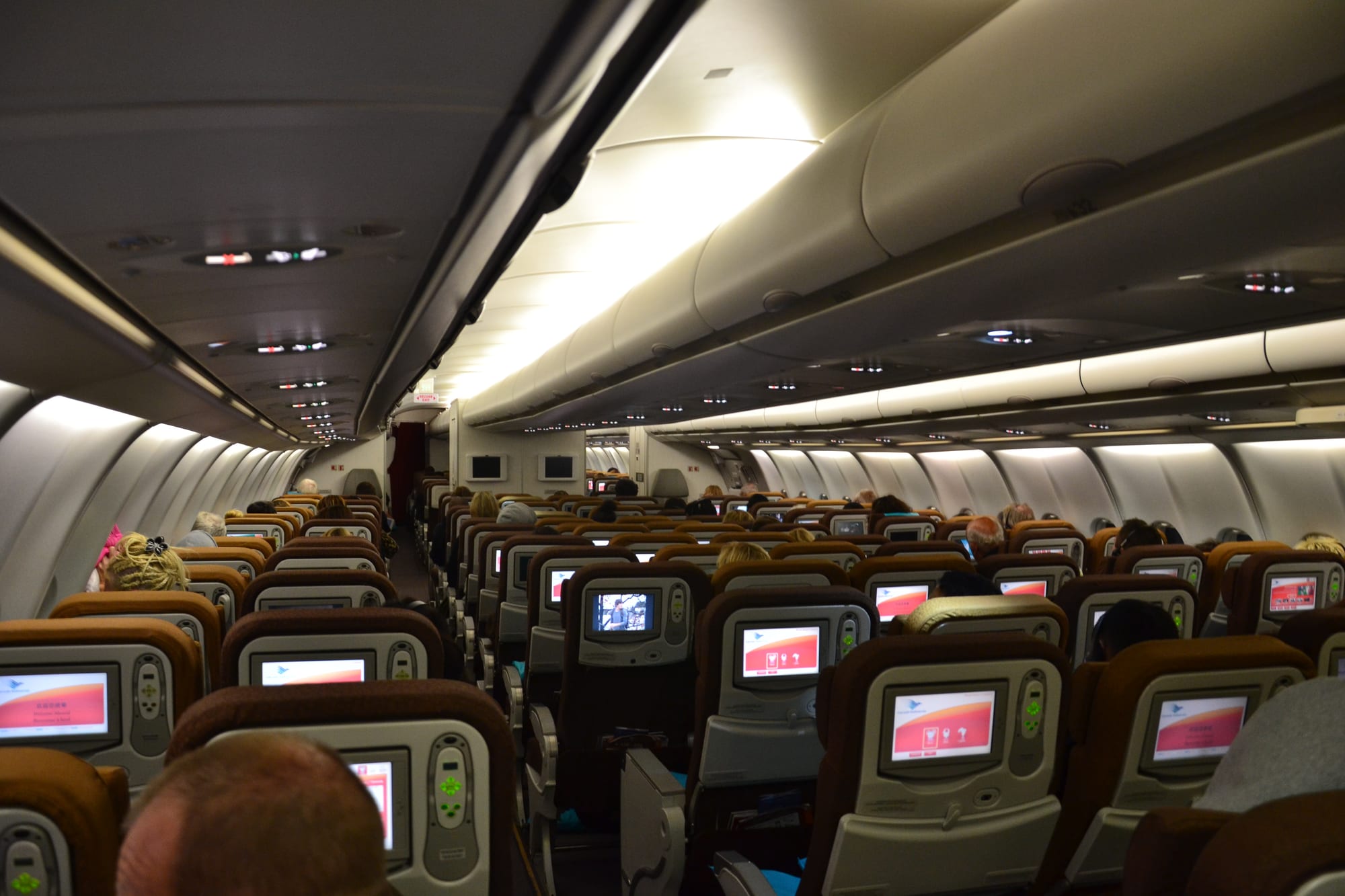
The cramped seat, dry air and broken sleep of a long flight cause travel fatigue, which usually clears after one good night. Jet lag is the separate, slower problem of a clock set to the wrong time.
Helping the clock move earlier
The same science points to the remedies for an eastward trip. Morning light at the destination, once the body is past its night, helps advance the clock; evening light helps a westbound traveller delay it. Melatonin works roughly in reverse to light: taken in the afternoon or early evening it moves the clock earlier, which is why it is most often suggested for eastward travel, while taken in the morning it can slow adjustment to an eastern time zone. Shifting sleep times by one or two hours towards the destination before setting off can also shorten the recovery.
Athletes take this seriously. Many arrive at the Olympics or the FIFA World Cup two to four weeks early, giving their clocks time to settle before the competition begins. For a short trip the opposite approach can work: staying on home time and never adjusting at all, if work and social life allow it.