History · Tonga
Why does Tonga still have a king?
Tonga was never colonised, its 1875 constitution locked in the crown, and most Tongans want reform rather than a republic.
By Globeway Editorial · 13 October 2026
The short answer
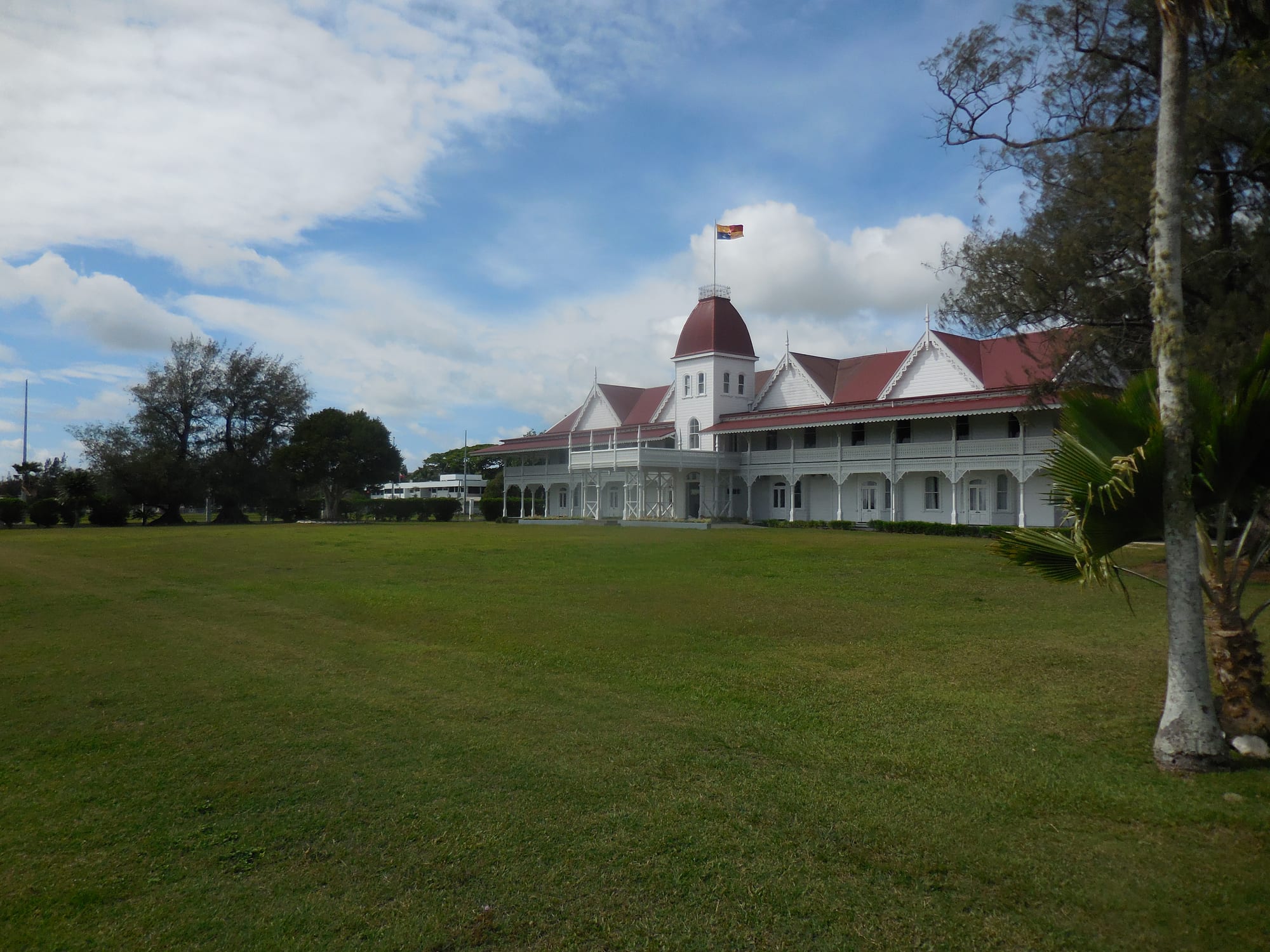
Tonga still has a king because it never lost its own government. In the 19th century a chief named Tāufaʻāhau unified the islands, made himself King George Tupou I and, in 1875, gave Tonga a written constitution that set up a monarchy and a landed nobility. That modern, Christian, constitutional kingdom kept its independence while the empires carved up the rest of the Pacific. From 1900 to 1970 Britain handled its foreign affairs as a protected state, but the monarchy and Tonga's internal self-government were never removed.
It survives today for two further reasons. The constitution cannot be amended in any way that affects the royal succession or the titles and estates of the nobles. And most Tongans do not want to abolish it: the pro-democracy movement that forced big reforms in the 2000s has sought a fairer parliament, not a republic. Tonga is now the only indigenous monarchy left in the Pacific islands, with a king, Tupou VI, who has reigned since 2012, alongside a mostly elected parliament.
Kings before the kingdom
Tonga's idea of kingship is far older than the modern crown. From around the tenth century, a line of sacred paramount chiefs called the Tuʻi Tonga claimed descent from ʻAhoʻeitu, said in oral tradition to be the son of the god Tangaloa. One list of their names, collected from the last holder of the title, runs to 39 rulers. At its height, from around 1200 to 1500, their influence reached across a wide network of islands from Fiji to Samoa and Niue, which some historians call a Tongan maritime empire.
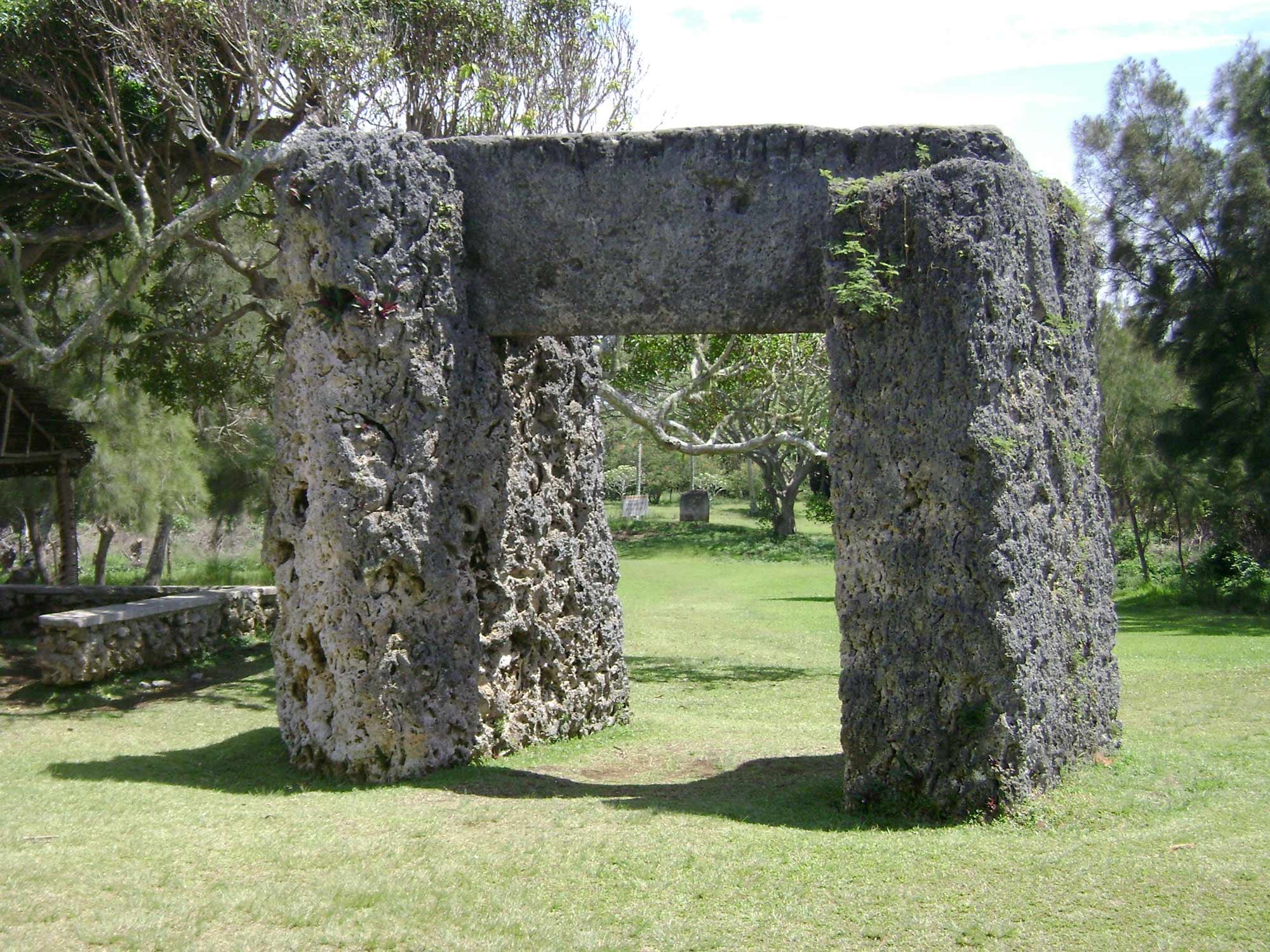
Over time the Tuʻi Tonga withdrew from day-to-day politics into a sacred role, while new lines of rulers, first the Tuʻi Haʻatakalaua and then the Tuʻi Kanokupolu, took on the work of government. The respect once paid to the sacred chief did not disappear. Today, reverence for the monarch has taken the place of the reverence once held for the Tuʻi Tonga, and criticising the king is regarded as contrary to Tongan culture and etiquette.
The warrior who built a modern state
After the 14th Tuʻi Kanokupolu was murdered in 1799, Tonga fell into some fifty years of civil war. Tāufaʻāhau, a chief who had started with a disputed inheritance of land in Haʻapai and had been baptised by Methodist missionaries in 1831 with the name Siaosi (George), won control of Vavaʻu in 1833 and in 1845 took the Tuʻi Kanokupolu title, uniting the islands as King George Tupou I. When the last Tuʻi Tonga died in 1865, that ancient title ended with him.
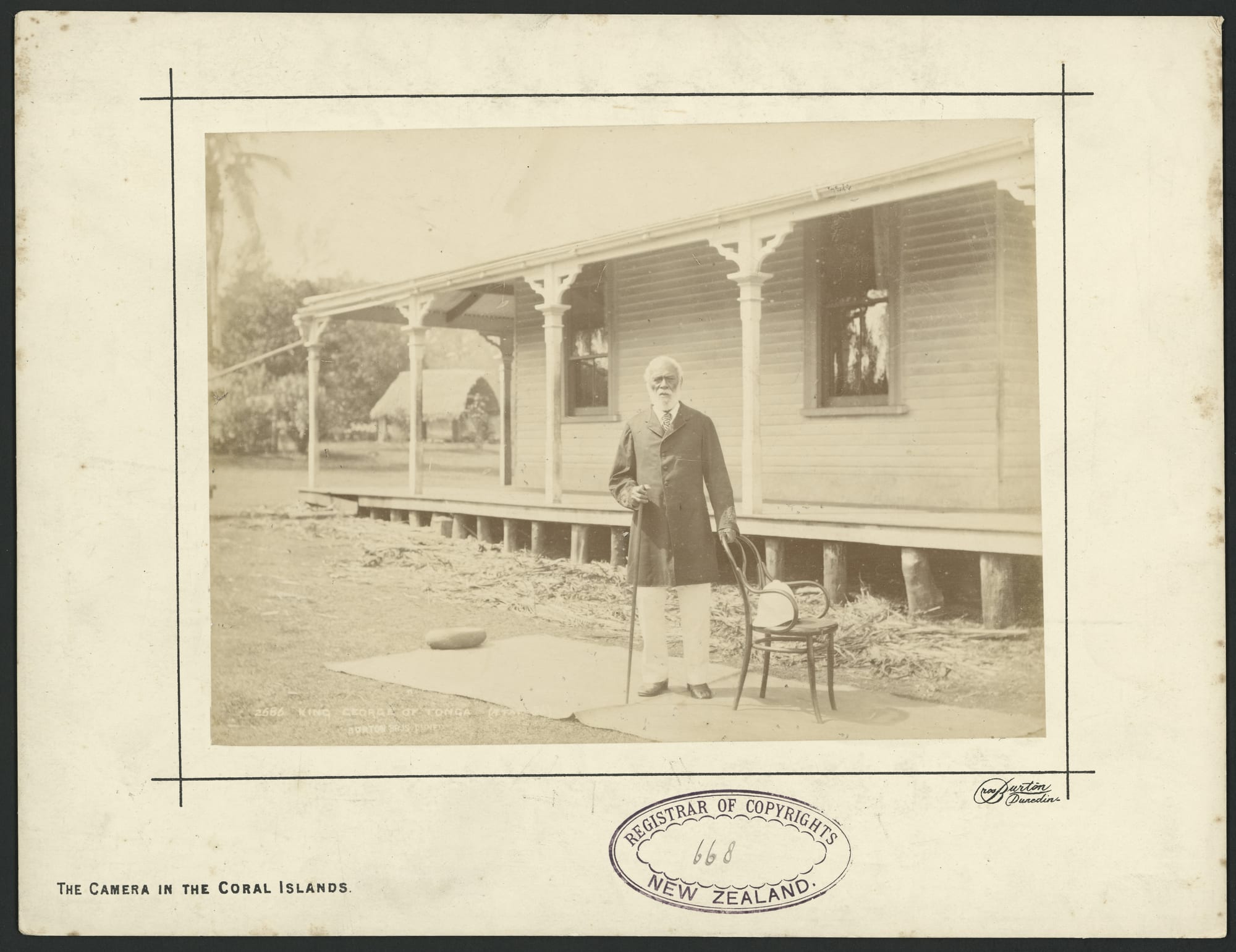
George Tupou I then built institutions that outsiders would recognise as a state. He called an assembly of chiefs in 1859, issued a law code in 1862, and on 4 November 1875, with the help of the missionary Shirley Baker, proclaimed a constitution drawing on British and Hawaiian models. It freed the serfs, guaranteed freedom of worship and of the press, and set out how land was to be held, while limiting the power of the chiefs. It also won their support by turning the most powerful of them into a hereditary nobility with estates. To this day the constitution forbids the sale of land to foreigners, though land may be leased.
Protected, but never colonised
Britain and Germany both sought influence over Tonga in the late 19th century. Treaties with Germany in 1876 and Britain in 1879 gave their subjects trading and legal privileges, but Tonga remained a kingdom. On 18 May 1900, after European settlers and rival chiefs had tried to overthrow him, George Tupou II signed a Treaty of Friendship making Tonga a British protected state. Tonga would conduct its foreign affairs through the British consul, who had no formal role in its internal affairs, though a 1905 agreement gave the consul more influence. New Zealand's prime minister, Richard Seddon, pressed to annex Tonga, but failed.
The arrangement preserved the crown. Queen Sālote, who reigned from 1918 to 1965, brought a period of relative stability to relations with Britain, and the arrangements she made before her death ended the protectorate on 4 June 1970. Tonga had never lost indigenous governance, a fact that makes it unique in the Pacific and that boosts confidence in the monarchy to this day.
- 1845
Tāufaʻāhau unites Tonga as King George Tupou I.
- 1875
The constitution creates a constitutional monarchy and a landed nobility.
- 1900
Tonga becomes a British protected state.
- 1970
Protected-state status ends.
- 2006
Riots in Nukuʻalofa after parliament adjourns without reform.
- 2008
King George Tupou V gives up most of his day-to-day powers.
- 2010
A mostly elected parliament is chosen for the first time.
- 2012
Tupou VI becomes king.
A king who gave up power, mostly
The crown has not stood still. Under King Tāufaʻāhau Tupou IV, who reigned from 1965 to 2006, the government was accused of wasting money on schemes such as selling passports, and the king reportedly lost US$26 million to a financial adviser who called himself the court jester. Pro-democracy campaigners, led by ʻAkilisi Pōhiva, won most of the few elected seats, but parliament remained dominated by nobles and royal appointees.
On 16 November 2006, when parliament seemed set to adjourn for the year without reform, riots broke out in Nukuʻalofa; more than 60% of the downtown area was destroyed and several people died. In July 2008 King George Tupou V announced that he would surrender his role in day-to-day government to the prime minister. In 2010 parliament was reshaped: 17 of its 26 members are now elected by the people, and the other nine by the country's 33 hereditary nobles. The prime minister is appointed by the king after winning the support of a majority of members, and in 2014 Pōhiva himself became prime minister.
The king still matters. He is head of state, and his Privy Council must unanimously support any constitutional amendment. In 2017 Tupou VI dismissed Pōhiva, dissolved parliament and called early elections, which Pōhiva won again. In 2024 the king moved to revoke the appointments of two ministers, a step the attorney general advised was unconstitutional; both ministers announced their resignations that April. Even so, the reform movement has never made abolishing the monarchy part of its programme, and the institution continues to hold popular support.