History · Andorra
Why does Andorra have two princes as its heads of state?
A feudal deal of 1278 between a bishop and a count created a shared lordship whose titles passed to a Catalan bishop and the French president.
By Globeway Editorial · 13 October 2026
The short answer
Andorra has two heads of state, called co-princes, because of a medieval agreement that nobody ever cancelled. In 1278 the Bishop of Urgell, in what is now Catalonia in Spain, and the Count of Foix, in what is now southern France, settled a long quarrel over these Pyrenean valleys by agreeing to share the lordship equally. The bishop's half has passed from bishop to bishop ever since. The count's half passed by inheritance to the kings of France, and from them to whoever leads the French state, today the President of the French Republic.
The question's wording needs one correction: the two princes no longer rule. Since the 1993 constitution, Andorra has been a parliamentary democracy in which sovereignty belongs to the Andorran people. The co-princes, currently Bishop Josep-Lluís Serrano Pentinat and President Emmanuel Macron, are ceremonial heads of state with limited, carefully defined powers, while an elected parliament and government run the country.
A gift to the bishop, a protector for hire
Andorrans trace their story to Charlemagne. Tradition holds that he granted the people of the valleys a charter in return for their help fighting the Moors. In the 9th century his grandson, Charles the Bald, named the Count of Urgell as overlord of Andorra. Then, in 988, Count Borrell II gave Andorra to the Diocese of Urgell in exchange for land in Cerdanya. From that moment the bishop, whose cathedral stands in La Seu d'Urgell just south of the modern border, became Andorra's lord.
Andorra had no military protection. Fearing that the counts of Urgell wanted the valleys back, the bishop sought the protection of a nobleman, the lord of Caboet, and in 1095 the two declared joint sovereignty. Through a chain of marriages, the Caboet rights passed to the viscounts of Castellbò, and in 1208 their heiress, Ermessenda, married the Count of Foix. A French count now held a stake in the valleys, and he and the Catalan bishop fell into a bitter dispute over who controlled what.
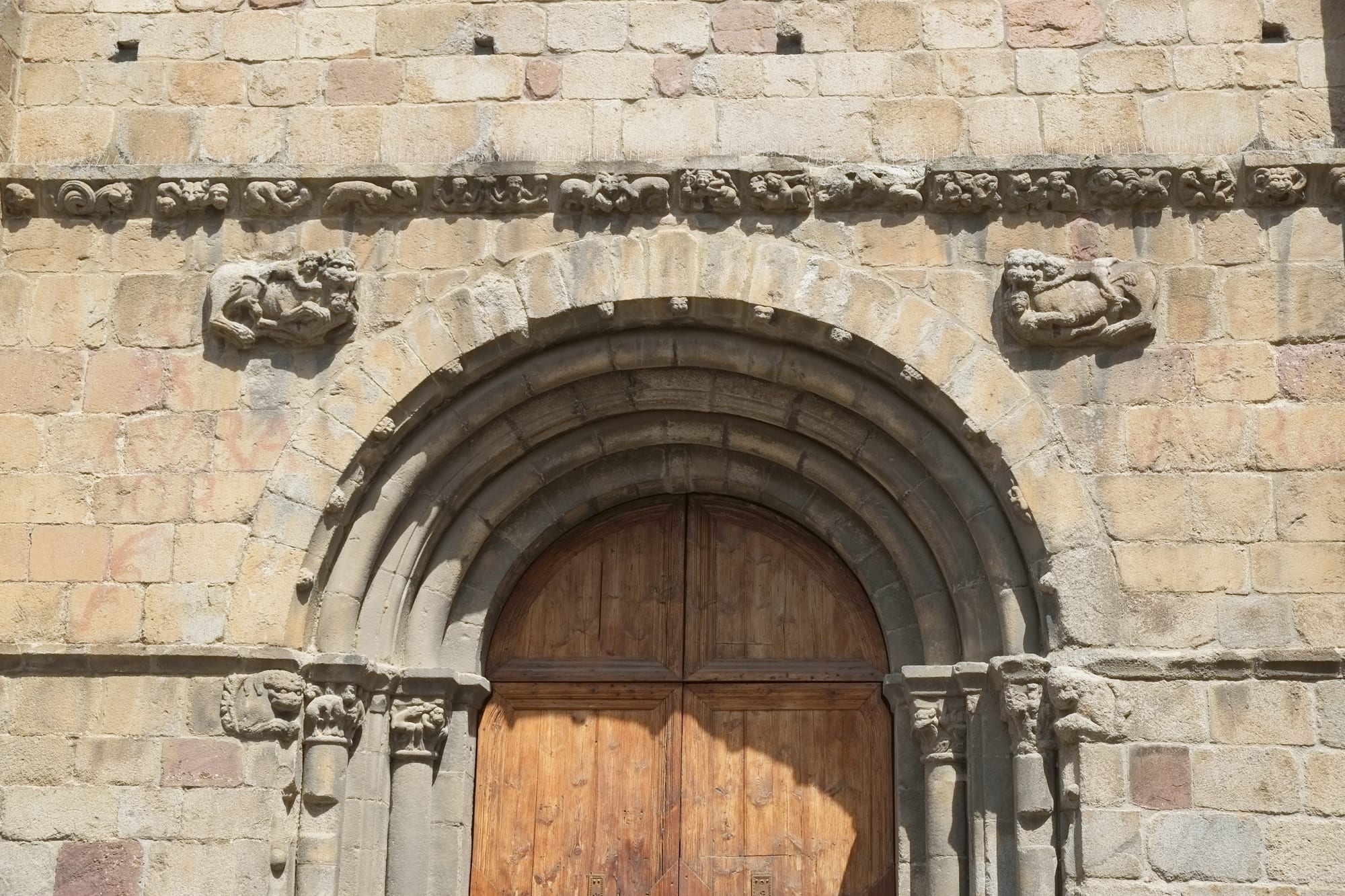
The cathedral is considered unique within Catalan Romanesque architecture for the Italian-style ornament of its west front. The diocese it heads includes the whole of Andorra.
The paréage of 1278
The quarrel was settled with help from the King of Aragon, overlord of the region. On 8 September 1278, in Lleida, Count Roger-Bernard III of Foix and Bishop Pere d'Urtx signed a paréage, a feudal charter under which two lords hold equal rights over the same land. A second paréage followed on 6 November 1288, filling in the details. Together they gave Andorra its territory and its political form. Andorra's borders have not changed since 1278, and the two paréages remained its most important constitutional documents for more than seven centuries.
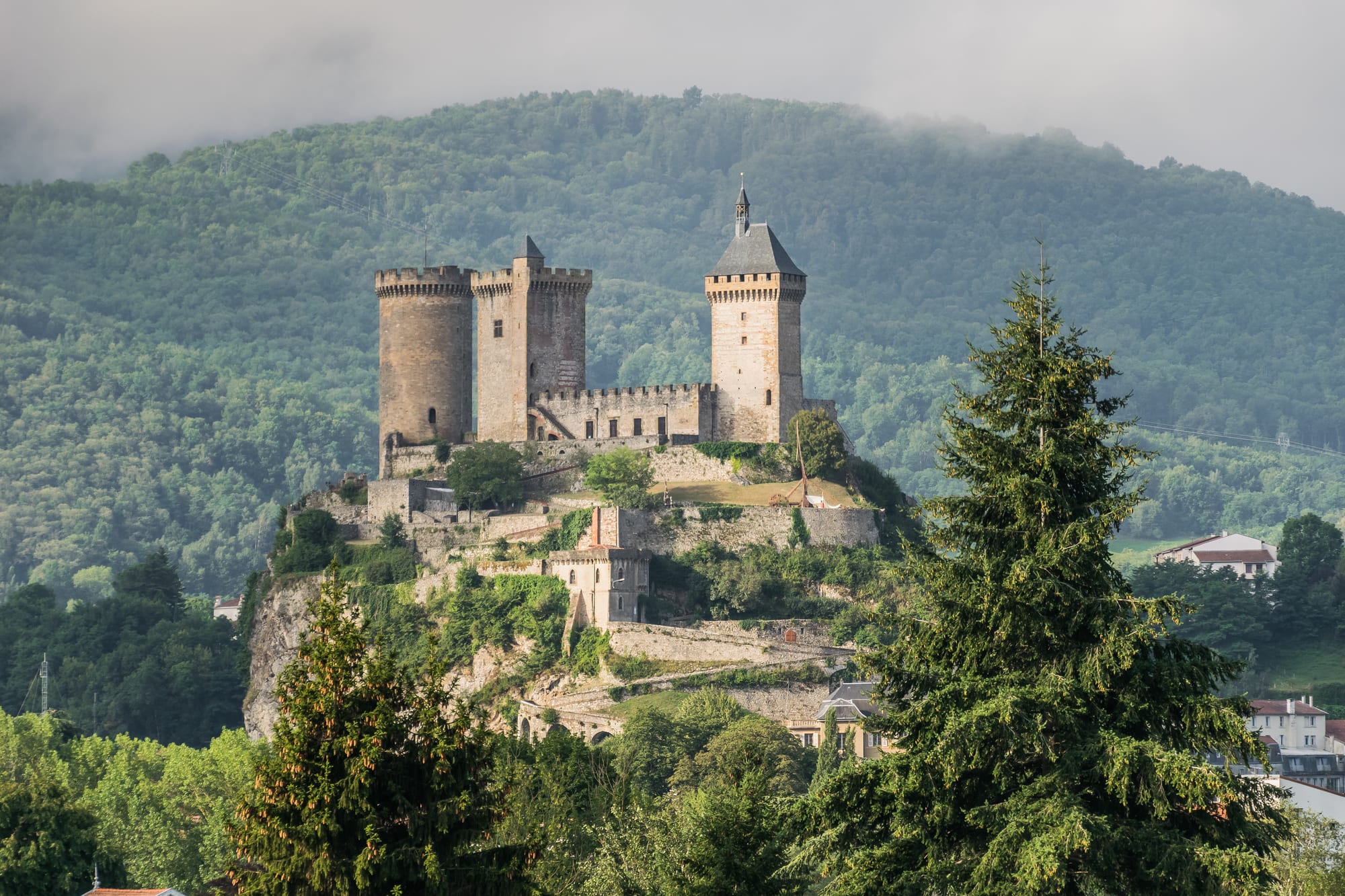
The original of the first paréage was kept in the archives of the castle of Foix and is thought to have been destroyed in a fire in the 20th century. A copy survives in Andorra's national historical archive.
988 | The Count of Urgell gives Andorra to the Diocese of Urgell. 1278 | The first paréage makes the bishop and the Count of Foix joint lords. 1607 | Henry IV of France confirms the French king and the bishop as co-lords. 1934 | An adventurer briefly declares himself King of Andorra. 1993 | A new constitution makes Andorra a parliamentary co-principality. 2025 | Josep-Lluís Serrano Pentinat becomes Bishop of Urgell and co-prince.
How a count's title reached the Élysée
The bishop's share stayed with the Church, but the count's share travelled. By inheritance the Foix title passed to the kings of Navarre, and when Henry III of Navarre became Henry IV of France, it passed to the French crown. In 1607 Henry issued an edict making the King of France and the Bishop of Urgell co-lords of Andorra. From the late 17th century the two began to be called co-princes.
The arrangement survived some close calls. In 1716, when Spain's new Bourbon rulers abolished Catalonia's separate laws, Bishop Simeó de Guinda persuaded them that Andorra had always been neutral and separate from Catalonia, and it escaped. After the French Revolution, Napoleon re-established the co-principality in 1809. Napoleon's empire annexed Catalonia, and Andorra with it, in 1812 and 1813, but its independence was restored in 1814. Since then the French head of state, whether king, emperor or president, has always been co-prince.
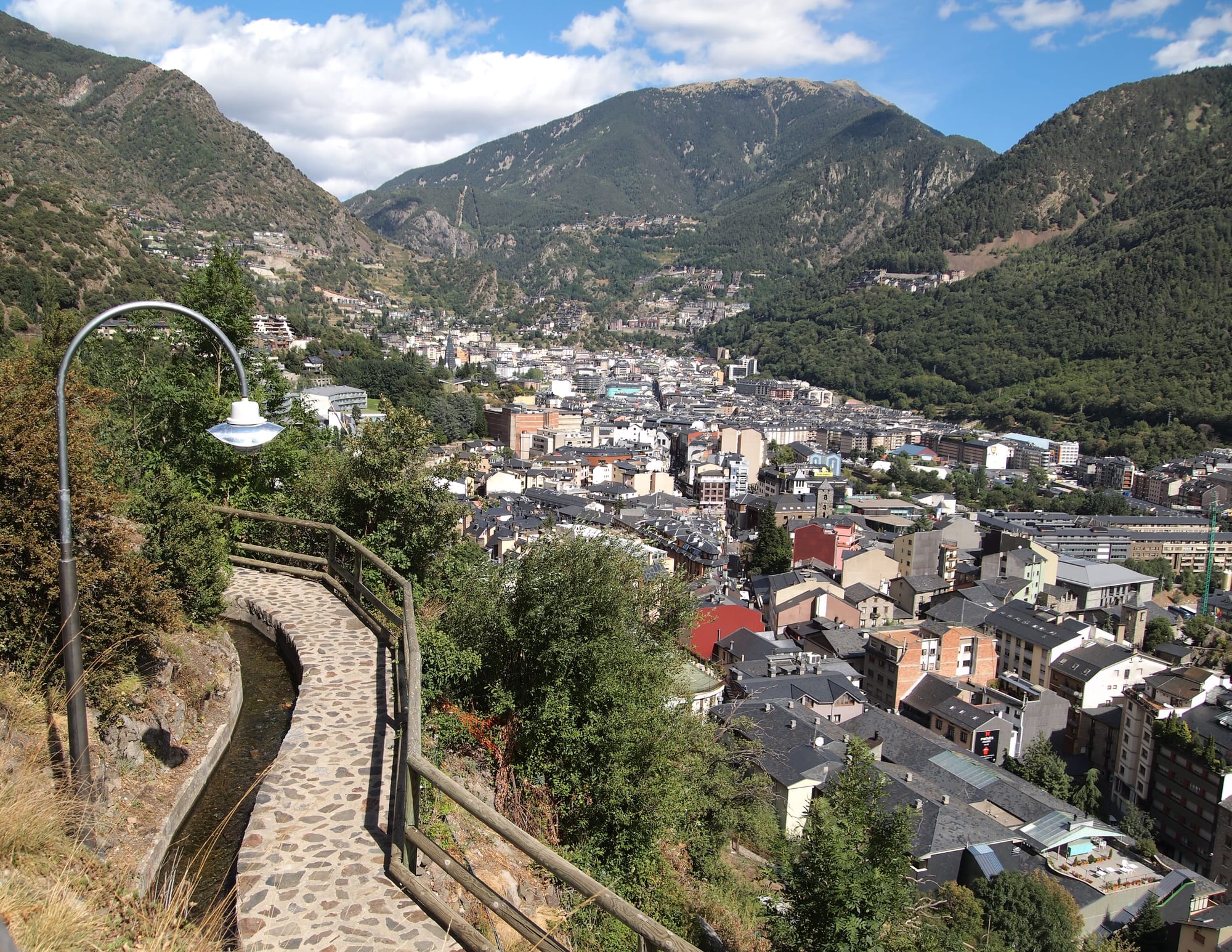
Until 1993 Andorra paid its lords a feudal tribute. In odd-numbered years about $460 went to the French ruler; in even-numbered years about $12 went to the bishop, along with six hams, six cheeses and six live chickens.
The oddest challenge came in 1934. On 12 July an adventurer named Boris Skossyreff proclaimed himself "Boris I, King of Andorra" and declared war on the Bishop of Urgell. Spanish authorities arrested him on 20 July, and he was never recognised as Andorra's monarch in any legal sense.
From feudal lords to constitutional figureheads
Before 1993 Andorra had no written constitution, and the co-princes' powers had never been set down in law. On 14 March 1993, 74.2% of voters approved a constitution, on a 76% turnout. It was signed by the two co-princes of the day, Bishop Joan Martí Alanis and President François Mitterrand, and that same year Andorra joined the United Nations.
The constitution kept the two princes but defined their role closely. They jointly hold the power to pardon, each names a member of the Constitutional Tribunal, and they can ask the tribunal to review a proposed law. Most other acts, such as appointing the head of government or signing laws, need the countersignature of the head of government or the head of parliament. They have no veto over laws passed by the General Council, Andorra's parliament, though they keep a say over certain international treaties.
Andorrans themselves do not choose either prince. The French co-prince is elected by French voters as their president, and the bishop is appointed by the Pope: Serrano was named coadjutor bishop by Pope Francis in 2024 and took office when Pope Leo XIV accepted his predecessor's resignation on 31 May 2025. That has occasionally caused friction. In 2009 President Nicolas Sarkozy threatened to give up the title unless Andorra ended its status as a tax haven, and reforms followed. In 2014 Bishop Joan Enric Vives i Sicília said he would abdicate if parliament legalised abortion, rather than sign the law. Abortion remains illegal in all cases in Andorra, which shares that position in Europe only with Vatican City.
Yet the arrangement endures. Under a treaty signed after the 1993 constitution, France and Spain both undertake to respect Andorra's sovereignty, independence and territorial integrity.