Culture & Customs · Benin
Why does Benin officially recognise Voodoo with a national holiday?
Benin has no state religion, but after years of suppression it formally recognised Vodun, its own ancient faith, and gave it a national holiday.
By Globeway Editorial · 13 October 2026
The short answer
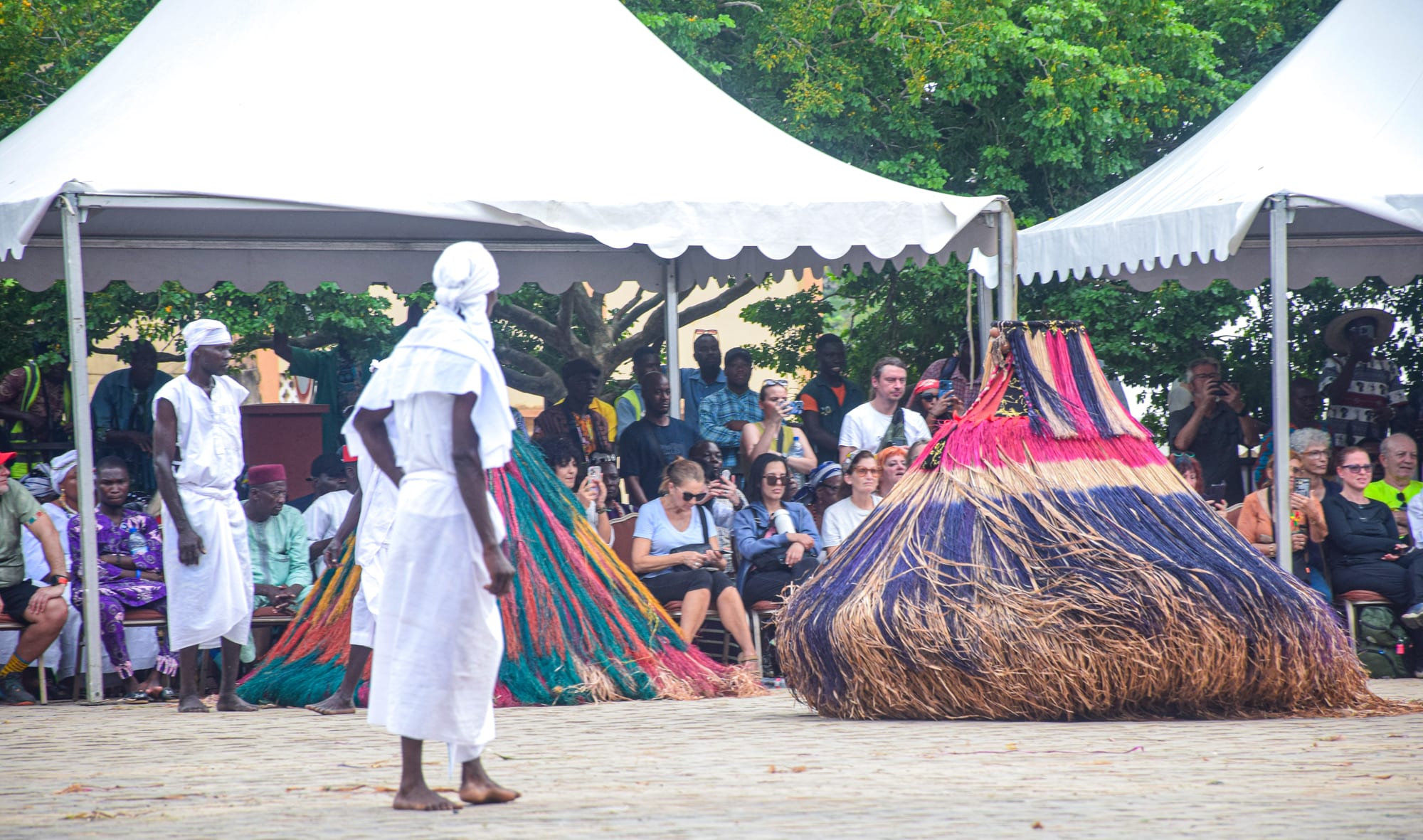
Strictly speaking, it is not. Benin's constitution provides for a secular state and for freedom of religion, and it has no official religion. Most Beninese are Christian or Muslim. What makes Benin unusual is that the state formally recognises Vodun, the West African religion known abroad as Voodoo, and honours it with a national holiday, alongside the Christian and Muslim holidays. The great celebration takes place every January in the coastal town of Ouidah.
The reasons lie in history. Vodun was born on this stretch of coast, it is woven into the culture of southern Benin, and it travelled with enslaved Africans to Haiti, Brazil and beyond. In the 1970s Benin's Marxist government tried to stamp it out. When democracy returned in the early 1990s, the new government lifted the anti-Vodun laws, held an international Vodun festival in Ouidah that reached out to the African diaspora, and made 10 January a national Vodun day.
A faith born on this coast
Vodun is practised by the Fon, Aja and Ewe peoples of Benin, Togo, Ghana and Nigeria, and is the predominant religious system of southern Benin and Togo. It teaches that a single supreme creator stands above countless lesser spirits, the vodún, which govern different parts of nature and society. Some belong to particular towns or families. Believers hold that the spirits are physically present in shrines, where they receive offerings, often including animal sacrifice, and they consult them through divination, above all a system called Fá, which uses 16 palm nuts or a divining chain. The religion has no central authority, no fixed scripture and no single orthodoxy, and it readily absorbs new spirits.
Its history is bound up with the Kingdom of Dahomey, the Fon state that rose in the 17th century. In 1727 Dahomey's King Agaja conquered the kingdom of Whydah, or Xwedá, whose chief port was Ouidah, and the Fon widely adopted the Xwedá serpent vodún. From about 1727 to 1823 Dahomey was a vassal of the Yoruba kingdom of Oyo, and the Fon took in Yoruba religious traditions, including Fá divination and the masked Egúngún society. Under King Ghezo in the 19th century, Dahomey resisted European missionaries' efforts to convert it to Christianity.
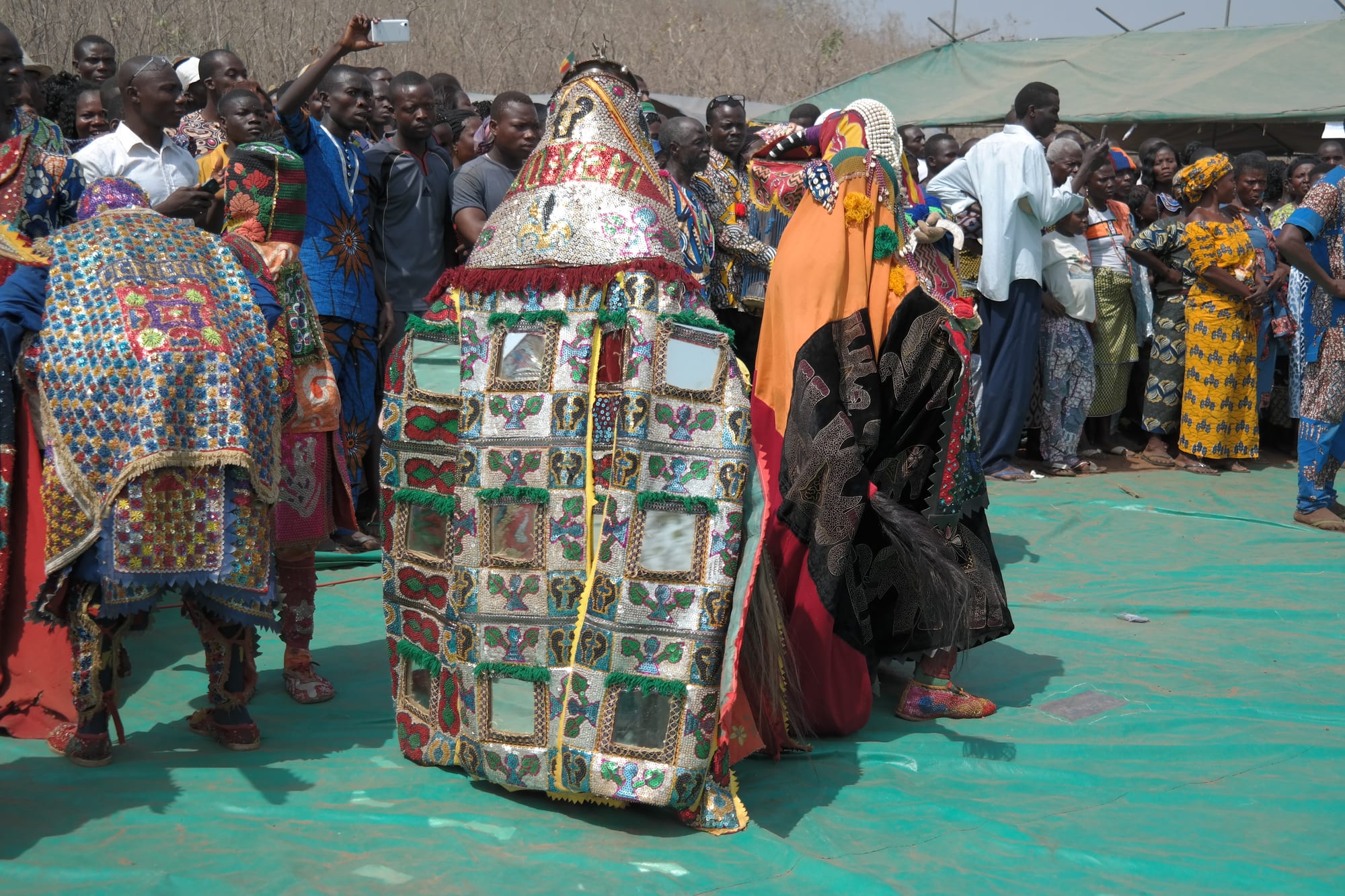
The Egúngún are an all-male society devoted to the ancestors, which spread westward from the Yoruba city of Oyo into southern Benin and Togo. Each initiated man has his own mask made, and the masks are viewed as the ancestors themselves. When the dancers appear they inspire both fear and respect: a common belief holds that anyone touched by a dancer's costume will die.
Carried across the Atlantic
Ouidah was one of the great ports of the Atlantic slave trade, a major point of embarkation from the 1670s to the 1860s. Vodun believers were among those shipped to the Americas, and their religion helped shape new faiths there. Together with the religion of the Kongo people of Central Africa, the Vodun of the Fon became one of the two main influences on Haitian Vodou, which takes its name and the names of many of its spirits from the Fon language. In Brazil, the Jeje branch of Candomblé still calls its deities vodun.
That shared heritage gives Vodun a central place in how Benin remembers its past. In 1999 President Mathieu Kérékou issued a national apology for the substantial role Africans had played in the slave trade, and in Ouidah the Slave Route ends at a memorial arch on the beach called the Door of No Return, honouring the enslaved Africans taken from the port.
From ban to national day
Vodun came under pressure first from Christian missionaries in the 19th century, who tried to break people's attachment to it. The hardest blow came after independence. In 1972 Kérékou seized power in a coup and turned the country into the Marxist-Leninist People's Republic of Benin. He considered Vodun backward and a waste of time, money and resources that should go to economic development. In 1973 he banned Vodun ceremonies during the rainy season, and further measures followed through the 1970s. Priests had to carry out initiations in secret, often cutting a process of years down to months, weeks or even days.
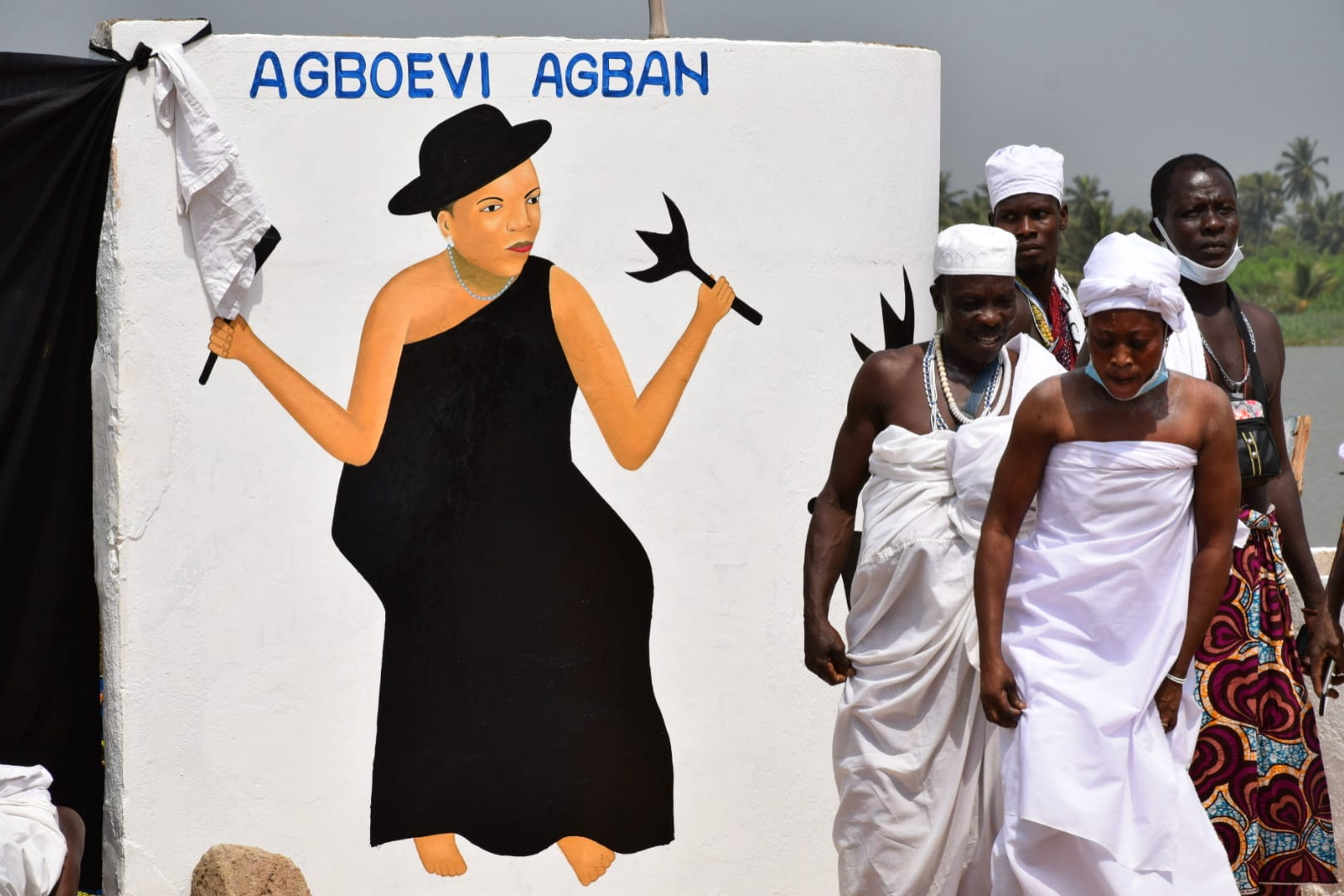
Benin moved to democracy in 1989, and in 1991 Kérékou became the first president on the African mainland to lose power at the ballot box, defeated by Nicéphore Soglo. Soglo's government lifted many of the anti-Vodun laws and planned "Ouidah '92", the first international festival of Vodun arts and cultures, which took place in 1993 with guests from across the diaspora. It also set 10 January as an annual national Vodun day, and from the 1990s the government actively promoted Vodun-themed tourism, hoping foreigners would come to Benin to seek initiation.
When Kérékou returned to power in the 1996 election, he had become a born-again Christian, and he left out of his oath of office a passage referring to the "spirits of the ancestors". Even so, some Vodun believers credited him with magical powers, which they said explained how he had survived repeated coup attempts.
How Benin celebrates it today
The 2013 census counted 11.6 per cent of Beninese as followers of Vodun, but its reach is wider than that figure suggests. Many people practise Vodun alongside Christianity or Islam, some interpret Jesus as the vodún of the Christians, and it is not unusual for members of one family to follow different faiths or a mixture of them. Benin's national holidays reflect that mix, including Easter Monday and Christmas, the Muslim feasts of Ramadan and Tabaski, and a Traditional Religions holiday, and the town of Ouidah also hosts an interfaith Ecumenical Day each May.
In 2024 the celebration was reorganised. The first Vodun Days were held in Ouidah on 9 and 10 January 2024, and on 30 July that year the National Assembly passed a law moving the annual festival of traditional religions to the second Friday of January, with the Thursday before it also a paid holiday.
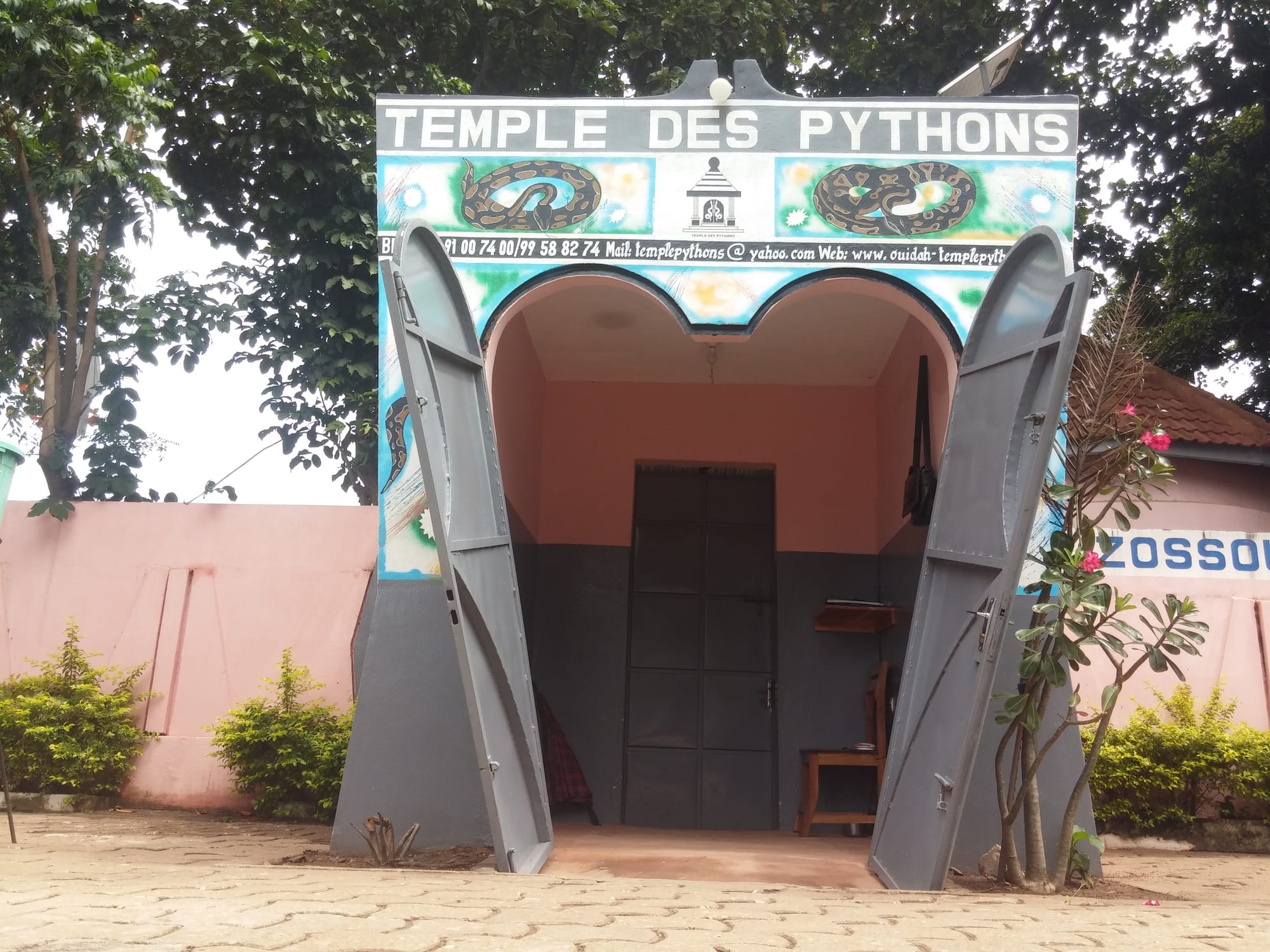
Ouidah, often called the spiritual capital of Vodun, is where the festival is at its biggest, with drumming, offerings and masked spirits such as the Zangbeto. Its Temple of the Pythons honours Dangbé, the serpent vodún, at a place where a snake cult has been recorded since the late 17th century. It houses dozens of royal pythons, harmless to people, which are sacred to the townspeople; if one wanders off and has not returned within 72 hours, residents bring it back. Nearby are the Sacred Forest of Kpasse, dotted with bronze statues, and the Slave Route down to the sea.