History · United States
Why was Texas its own country for nine years?
Texas broke from Mexico in 1836 and asked to join the United States at once, but slavery politics and fear of war with Mexico kept the door shut until 1845.
By Globeway Editorial · 13 October 2026
The short answer
Texas was an independent country because it won a war against Mexico in 1836 and then could not get into the United States. Most Texians, as the American-born settlers were called, wanted to join the Union straight away, and the new republic applied in its first year. Washington said no. Leaders of both main American parties did not want to add a vast slave-holding territory to a Congress already split between slave and free states, and they did not want a war with Mexico, which never accepted that Texas had left.
So Texas governed itself, with its own president, congress, army, navy, flag and embassies, from 2 March 1836 until the United States finally annexed it on 29 December 1845, a span of nine years and almost ten months; power formally changed hands on 19 February 1846. Independence ended when an American president seized on fears of British influence, an election turned on the question, and Congress found a way to admit Texas by a simple majority vote.
From Mexican province to breakaway republic
When Mexico won independence from Spain in 1821, Texas became part of the new country, joined in 1824 to Coahuila in a single state whose capital lay far to the south. Mexico invited settlers in. Stephen F. Austin led the first group, the Old Three Hundred, and other contractors followed. Many came from the American South to grow cotton and brought enslaved people with them. By 1834 American immigrants greatly outnumbered Mexicans in Texas.
Friction grew on several fronts. Mexico abolished slavery in 1829, which the Texians refused to accept, and in 1830 it banned further American immigration. Then President Antonio López de Santa Anna replaced the federal system with a centralised one under new laws known as the Siete Leyes, ending the states' self-government. Fighting broke out at Gonzales on 2 October 1835. On 2 March 1836 a convention at Washington-on-the-Brazos declared independence.
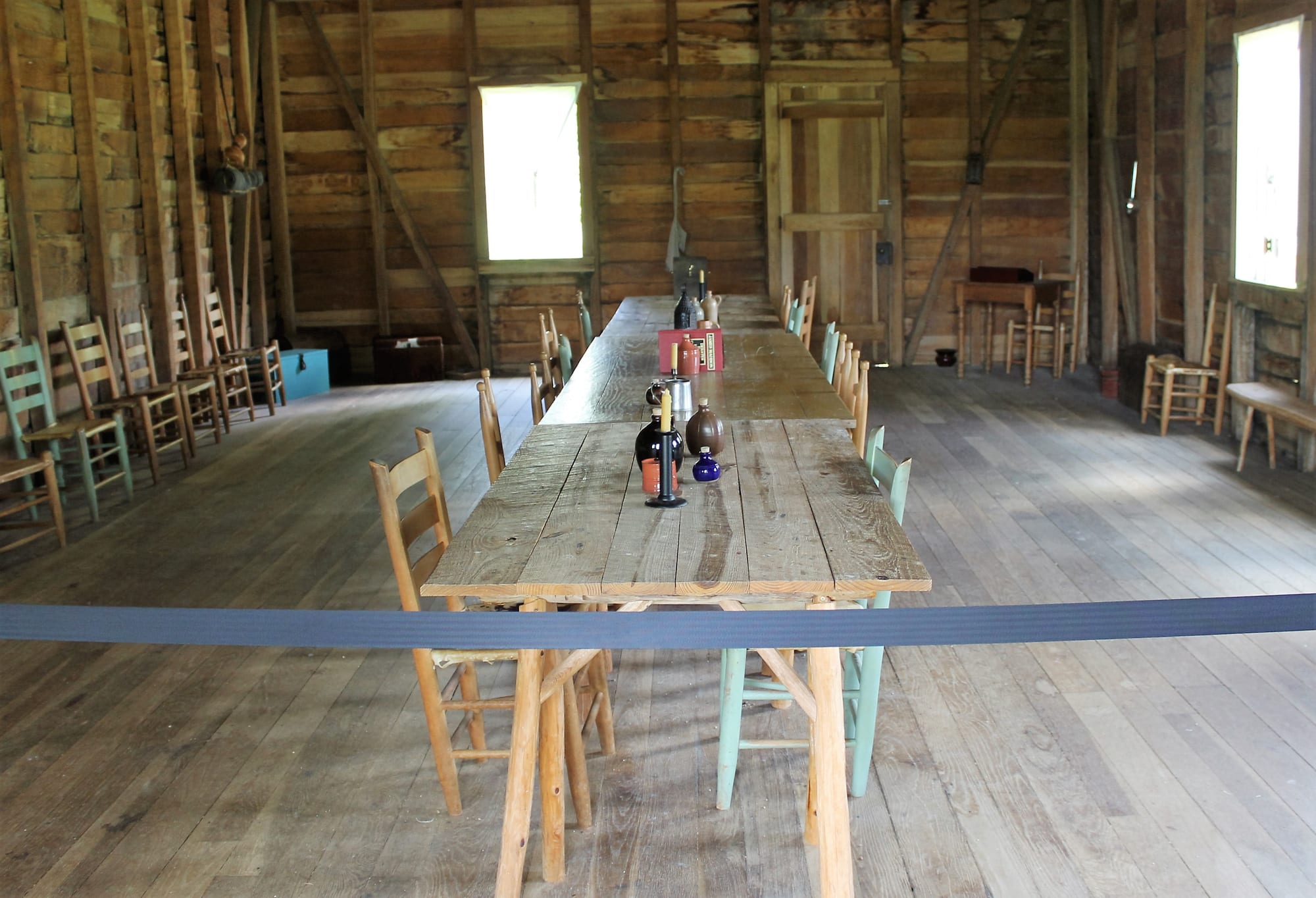
The delegates met while the war was going badly for them: four days later the Alamo fell to Santa Anna's army.
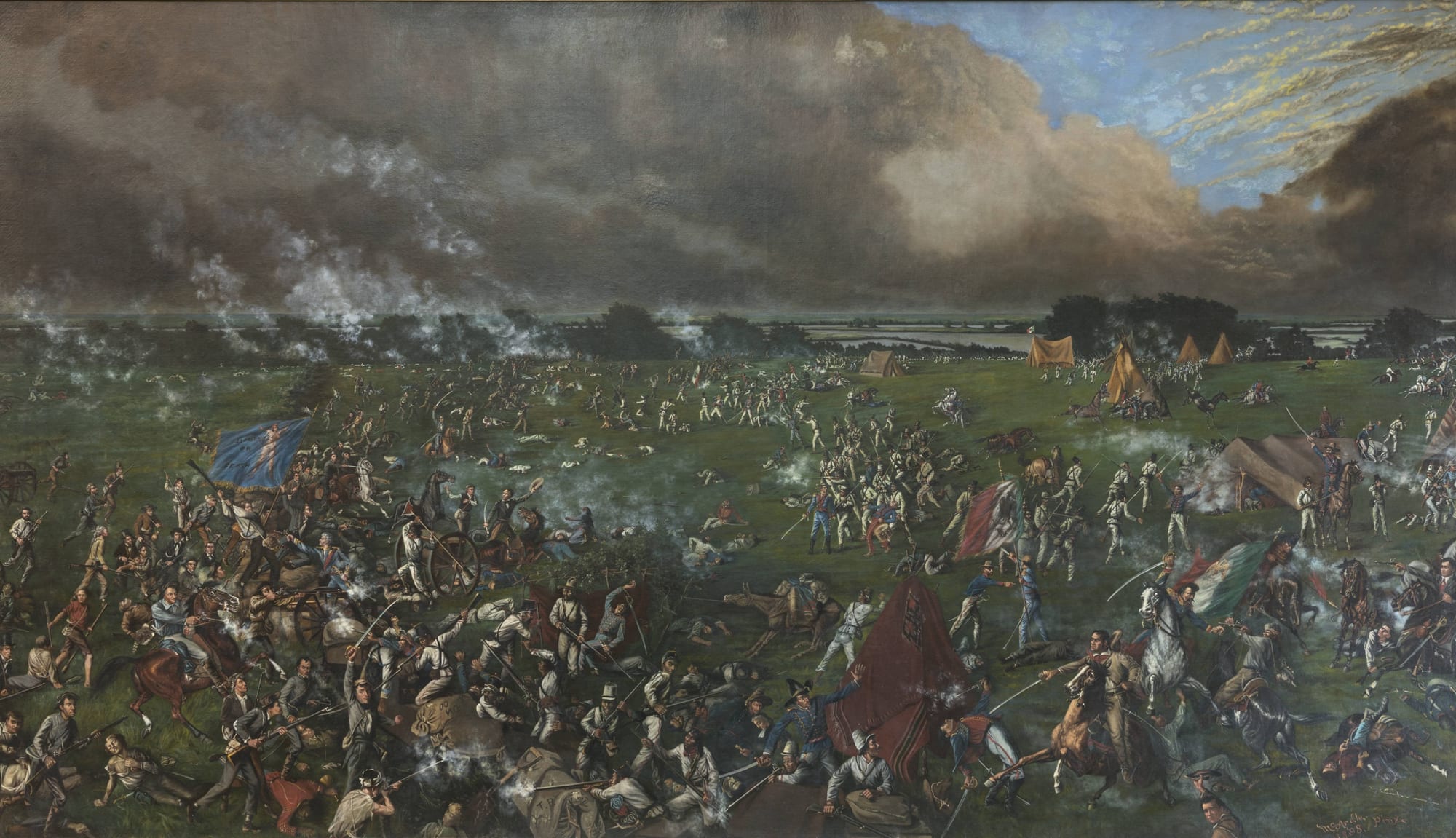
The war turned on 21 April 1836 at San Jacinto, where Sam Houston's army surprised Santa Anna's force and won in a fight that lasted just 18 minutes. Santa Anna was captured the next day and, as a prisoner, signed the Treaties of Velasco, which ordered Mexican troops out of Texas. The Mexican Congress refused to ratify an agreement signed under duress and treated Texas as a rebellious province for the rest of its existence.
A country that wanted to stop being one
Texas applied to join the United States in 1836. The secretary of state under President Andrew Jackson rejected it. Jackson supported Texan independence but held off even recognising the republic until the last day of his presidency in March 1837, to keep the issue out of the 1836 election. Northern politicians feared that Texas could be carved into several new slave states and tip the balance in Congress.
Jackson's successor, Martin Van Buren, saw annexation as a political liability that might also drag the country into war with Mexico, and he turned down a formal Texan proposal in August 1837. Resolutions in Congress were defeated or talked out. In 1838 the new Texan president, Mirabeau B. Lamar, withdrew the offer altogether.
Running a nation on the frontier
For the next few years Texas tried to make independence work. Lamar led a faction that wanted Texas to stay a nation and stretch to the Pacific, while Houston's camp still favoured joining the United States. The capital moved from Houston to a new town named Austin in 1839, the year the Lone Star Flag was adopted. Seven nations recognised the republic: the United States, France, the United Kingdom, the Netherlands, Belgium, Denmark and the Republic of Yucatán.
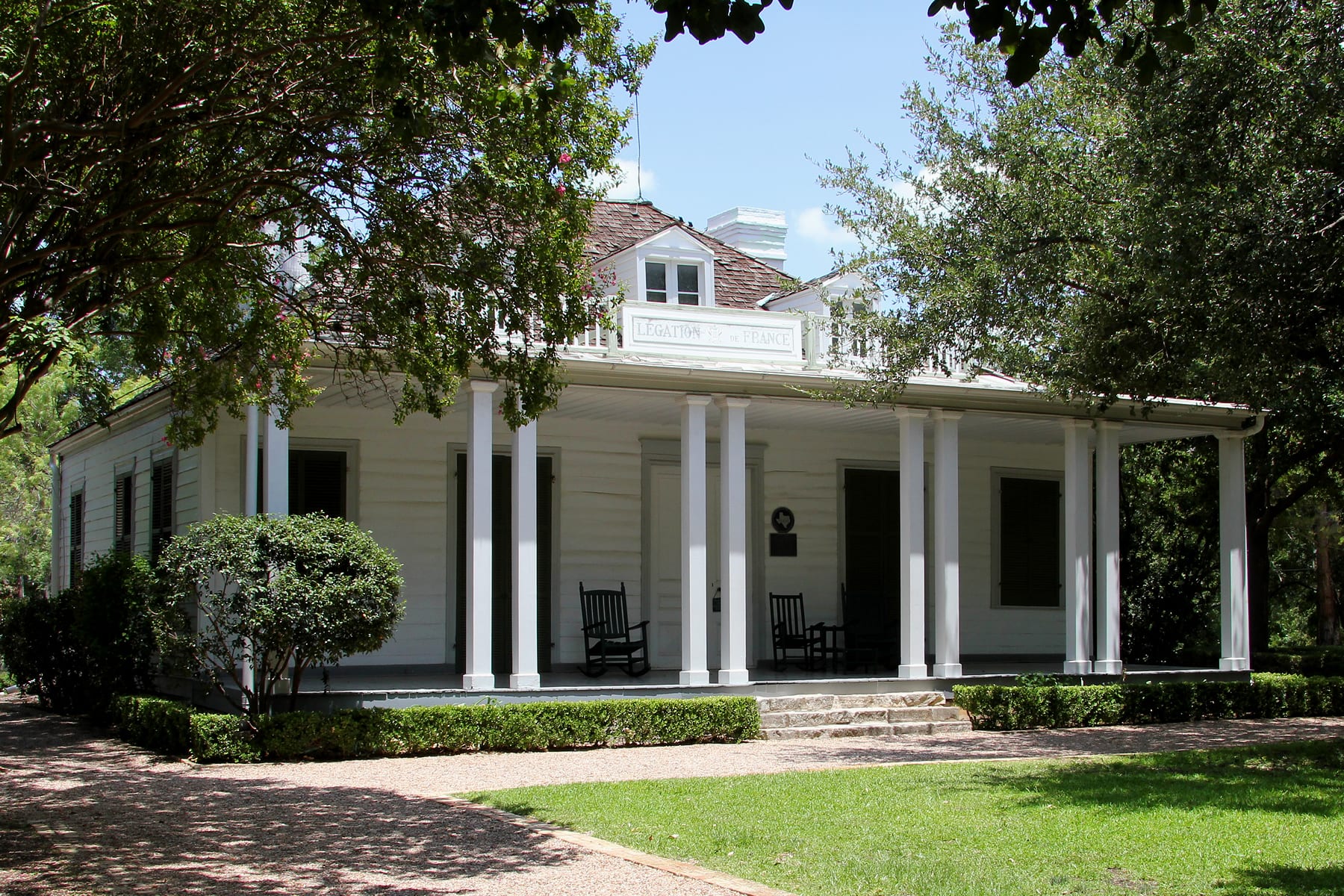
It is among the oldest frame buildings still standing in Austin, a reminder that Texas once received foreign diplomats of its own.
Independence was hard. Mexico invaded twice in 1842 and briefly held San Antonio. War with the Comanche, whose lands covered much of the territory Texas claimed, flared and cooled with each change of president. Uncertainty over the republic's future discouraged settlers, leaving Texas short of workers and tax revenue and deep in debt, and a crash in cotton prices in the 1840s made matters worse. The republic's constitution protected slavery and barred free Black people from living there without the consent of Congress.
Why the door finally opened
By the early 1840s Houston, president again, was exploring a deal in which Mexico would recognise Texas, with Britain mediating. That alarmed John Tyler, the American president. Tyler was convinced, on thin evidence, that Britain was manoeuvring Texas towards abolishing slavery, which he saw as a threat to slavery in the United States, and he also wanted a cause that might win him a second term. In 1843 he opened secret talks and in April 1844 secured an annexation treaty.
A treaty needed two-thirds of the Senate, and in June 1844 the Senate rejected it heavily. But Texas had become the issue of the 1844 election, and the expansionist Democrat James K. Polk narrowly beat Henry Clay. Tyler then asked Congress to annex Texas by joint resolution, which needed only a simple majority in each house. It passed, and Tyler signed it on 1 March 1845.
Britain and France made a last attempt to keep Texas independent, persuading Mexico to offer recognition at last. A Texan convention chose the American offer with only one vote against, and on 13 October 1845 voters approved annexation and a new state constitution. Texas became the 28th state on 29 December 1845. Because Mexico still claimed the land, and disputed whether the border lay on the Rio Grande or the Nueces River, the annexation led directly to the Mexican–American War in 1846.
- 2 October 1835
Fighting breaks out at Gonzales.
- 2 March 1836
Texas declares independence from Mexico.
- 21 April 1836
Texian victory at San Jacinto; Santa Anna is captured the next day.
- August 1837
President Van Buren rejects a formal annexation proposal.
- 1838
Texas withdraws its offer to join the United States.
- 1 March 1845
President Tyler signs the joint resolution to annex Texas.
- 29 December 1845
Texas becomes the 28th state.
- 19 February 1846
The republic formally hands over power to the state.
What nine years of independence left behind
Because Texas joined as a nation rather than a territory, it struck its own bargain. It skipped the territorial stage and became a state immediately, and it kept its public lands instead of handing them to the federal government. That is why relatively little land in Texas is federally owned, and why its offshore boundary reaches three marine leagues, about 10 miles, rather than the 3 nautical miles of most coastal states. The annexation resolution even allowed up to four more states to be created from Texas territory with the state's consent. In 1850 Texas gave up its claims to land now in New Mexico and several other states in return for federal help with the debts left over from its years as a republic.