💰 Budget
Shaoxing costs less than Hangzhou or Shanghai for hotels and meals, and much of the old city can be seen on foot for nothing. Entry tickets for the Lu Xun quarter, East Lake, the Orchid Pavilion and the Mausoleum of Yu are the main expenses; boat rides and rice-wine tastings are cheap.
- Daily Budget Midrange
- USD 100–200 (mid-range hotel, restaurant dinners, site tickets and boat rides, taxis)
- Daily Budget Shoestring
- USD 30–55 (hostel or budget hotel, noodle shops and snack streets, buses and the metro)
Avoid the national holidays in early May and early October, when the Lu Xun quarter is packed and hotel prices rise.
📅 Best Time to Visit
March to May and October to November, when days are mild and the canals and gardens look their best. Winter is cold and damp but quiet. June and July bring the plum rains, and August is hot and humid.
⏳ Suggested Number of Days
A single full day covers the old city and the Lu Xun quarter; two allow the sights on the edge of the city and a boat ride at an easy pace. Add a day or two for the nearby canal towns and the larger cities within an hour by train.
- First Visit
- 1–2 days
- With Surroundings
- 3–4 days
🚆 Transportation
Metro lines link Yuecheng with Keqiao and Shaoxing North station, and Line 1 joins the Hangzhou network at Guniangqiao; buses cover the rest. Taxis and ride-hailing are cheap, shared bikes are everywhere, and the old city is small enough to walk. Black-awning boats, the city's traditional flat canal craft, take passengers on short rides at East Lake and in the old town.
Set up a Chinese payment app before arriving; buses, bikes and metro gates are paid by phone and drivers rarely carry change.
🛬 Airport & Station Connections
Shaoxing has no airport of its own; the nearest is Hangzhou Xiaoshan, about 30 kilometres west. Shaoxing North station on the Hangzhou–Ningbo high-speed railway is about 30 minutes from Hangzhou by high-speed train. Coaches link the city with Hangzhou, Ningbo and Shanghai, and the metro also connects it to Hangzhou.
🚶 Walkability
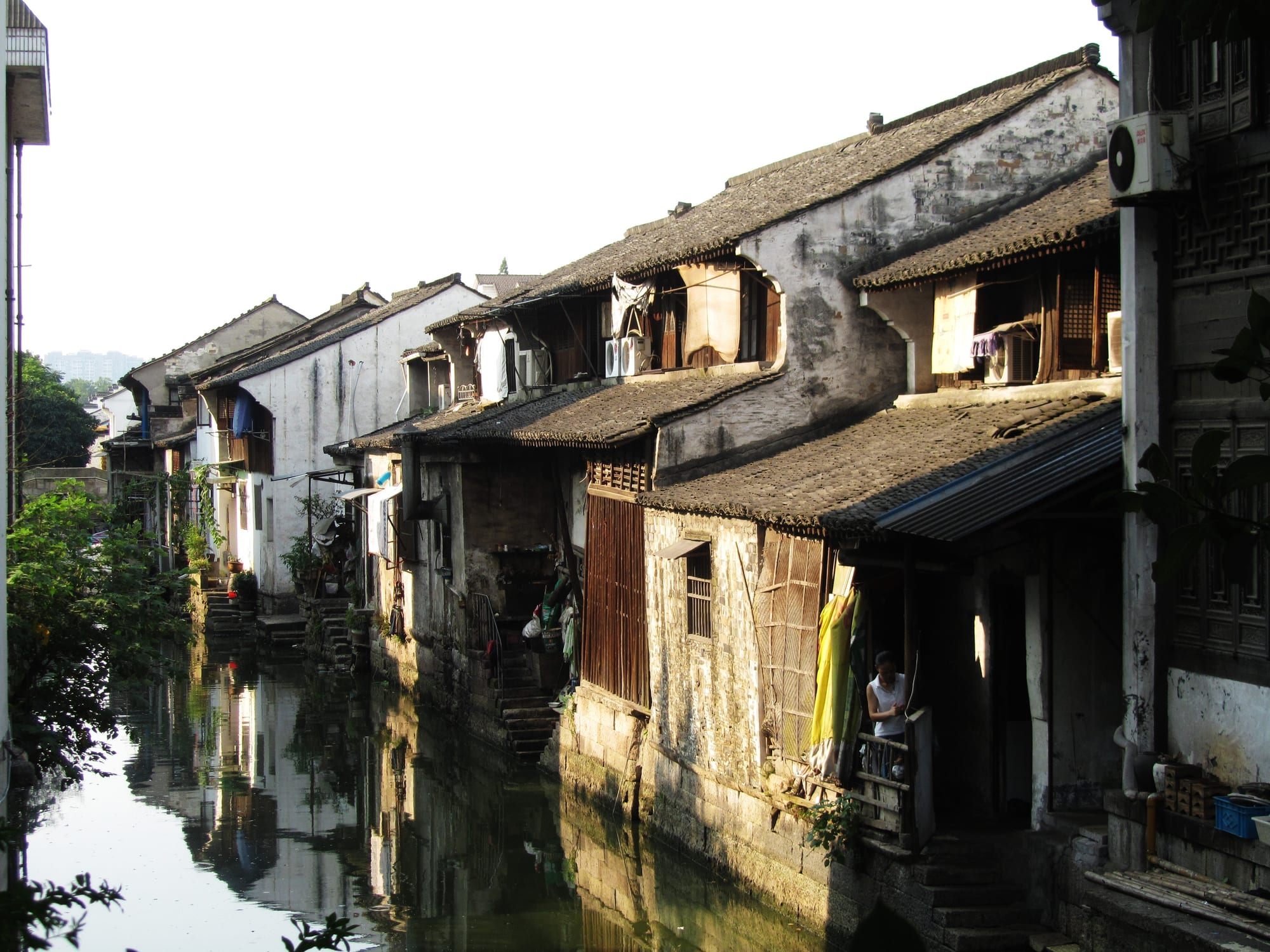
The old city is flat and compact, and its canal streets are made for walking: Cangqiao Straight Street, the Shaoxing Museum, Shen Garden and the Lu Xun quarter are all within about two kilometres of each other, with stone bridges and footbridges across the waterways. Pavements in the newer districts are wide but busy with scooters; the sights on the city's edge need a bus or taxi.
🛡️ Safety
Shaoxing is a safe, orderly city with little crime against visitors. The practical risks are traffic — scooters on pavements and drivers who do not stop at crossings — slippery stone paving along the canals after rain, and pickpockets in the crowds of the Lu Xun quarter on holiday weekends.
Look both ways even on green lights, mind wet steps beside the water, and carry the passport, which hotels must register. Check current official travel advice before travelling.
🌦️ Climate
A humid subtropical climate with four seasons. Spring is mild and wet, the plum rains come in June, summer is hot and sticky, autumn is mild and clear, and winter is chilly and damp.
- Summer
- hot and humid — July, the warmest month, averages 28–29°C, with plum rains in June and July
- Winter
- cool and damp — January, the coldest month, averages 4–5°C
🤝 Local Customs
Tipping is not practised. Rice wine is central to hospitality — it is served warm in winter, often with aniseed beans, and a bottle is a normal gift. Older residents speak the Shaoxing dialect of Wu, which outsiders from Mandarin-speaking regions cannot follow; younger people switch to Mandarin easily. People are reserved but helpful, and proud of the city's writers and calligraphers.
Dress is casual but tidy; cover shoulders and knees in temples, be quiet at the Mausoleum of Yu during ceremonies, and ask before photographing residents on the canal steps, who are at home rather than on show.
💳 Common Payment Methods
The currency is the renminbi (yuan). Payment is almost entirely by phone through WeChat Pay or Alipay, which accept foreign cards; foreign bank cards work at larger hotels and bank ATMs but rarely in shops. A small amount of cash is useful for snack stalls and boat rides.