💰 Budget
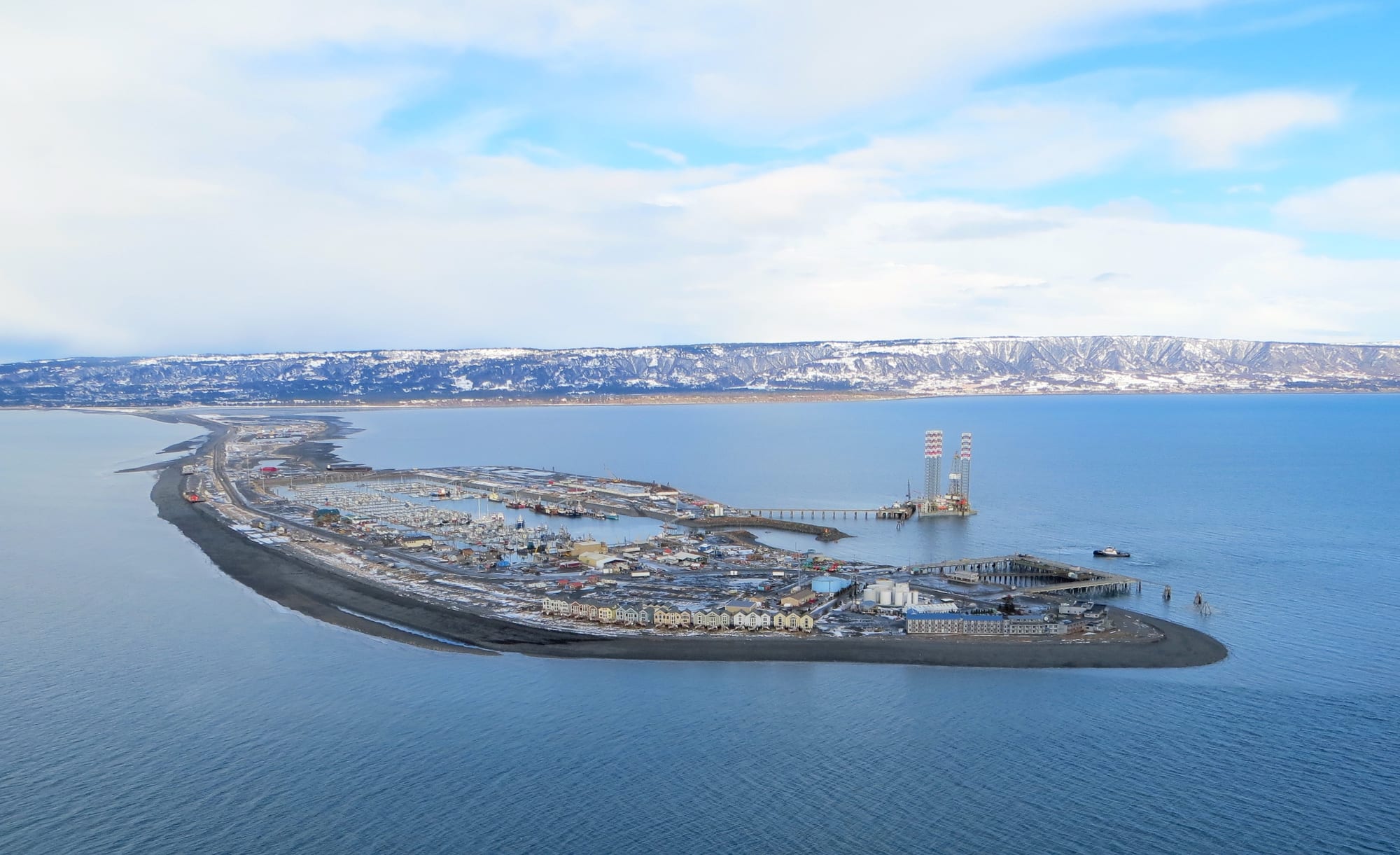
Homer is expensive in summer, as is most of Alaska: rooms book up and charters, water taxis and flightseeing are costly. Food prices reflect the long supply chain. Winter is cheaper, but many Spit businesses close. Beaches, viewpoints, the visitor centre and much of the walking are free.
- Daily Budget Midrange
- USD 300–550 (mid-range lodging, restaurant meals, a fishing charter, water taxi or flightseeing trip)
- Daily Budget Shoestring
- USD 120–200 (Spit campground or hostel, groceries and fish and chips, own transport)
Fishing charters and bear-viewing flights need booking well ahead for July and August; Alaska fishing licences are required for anglers.
📅 Best Time to Visit
June to August is the main season, with long days, fishing charters, water taxis and open businesses on the Spit. May brings the shorebird migration and fewer crowds; September has autumn colour and salmon but shorter days and more rain. Winter is dark and quiet, mild for Alaska, and suited to cross-country skiing and eagle-watching.
⏳ Suggested Number of Days
Two or three days cover the town and the Spit. Four to six days allow for trips across the bay, fishing and longer flights, and weather often delays boats and small planes, so extra time is useful.
- First Visit
- 2–3 days
- With Surroundings
- 4–6 days
🚆 Transportation
A car is the easiest way to get around Homer, which spreads along the shore and up the bluffs, and between the Spit and the town. Water taxis and small planes are the only way to reach the communities and parks across the bay. There is no regular local bus; taxis are available.
Leave plenty of time for weather: boats and small planes are often delayed or cancelled by wind, fog or rain.
🛬 Airport & Station Connections
Homer is at the end of the Sterling Highway, about 220 miles south-west of Anchorage. Homer Airport has regular scheduled flights to Anchorage. Alaska Marine Highway ferries link the town with Seldovia, Kodiak and the Aleutian Islands.
🚶 Walkability
The Spit is easy to walk along its harbour, though it is long. Pioneer Avenue and Old Town can be walked, but the Spit and the town are several miles apart; most people drive or cycle.
🛡️ Safety
Crime is low. The main risks are natural: cold water, strong tides and currents in the bay, sudden weather changes on boats and small planes, and black and brown bears in the surrounding country. Earthquakes are common in the region, and the Spit is in a tsunami zone.
Carry bear spray in the backcountry and on trails, check tide tables before walking the beaches, dress in layers on boats and know the tsunami evacuation routes on the Spit. Check current official travel advice before travelling.
🌦️ Climate
Homer's climate is moderate compared with interior Alaska, with cool, relatively dry summers and wetter late autumns and winters. Summer days are very long, and in December daylight lasts only a few hours.
- Summer
- cool and changeable — July afternoons are usually around 60°F
- Winter
- cold but mild for Alaska — January days are often around 30°F, nights in the teens °F, with snow and freezing rain
🤝 Local Customs
Homer is informal and practical, with fishermen, artists, homesteaders and retirees side by side, and outdoor clothes are standard everywhere. Tipping is expected, roughly 18–20 per cent in restaurants and for fishing deckhands at the end of a charter. Respect private land and Native lands when walking the beaches.
The legal age for buying alcohol is 21. Cannabis is legal for adults in Alaska but may not be used in public. Ask before photographing people at work on boats or in the harbour.
💳 Common Payment Methods
The currency is the US dollar. Cards and contactless payment are widely accepted, and ATMs are found in town and on the Spit. Small water taxi operators and stands may prefer cash, and some Spit businesses close for the winter.