History · United States
How did Detroit become the Motor City, and why did it shrink?
Machine shops, Great Lakes shipping and Henry Ford's assembly line made Detroit the world's car capital; suburbs, segregation and lost jobs emptied it.
By Globeway Editorial · 13 October 2026
The short answer
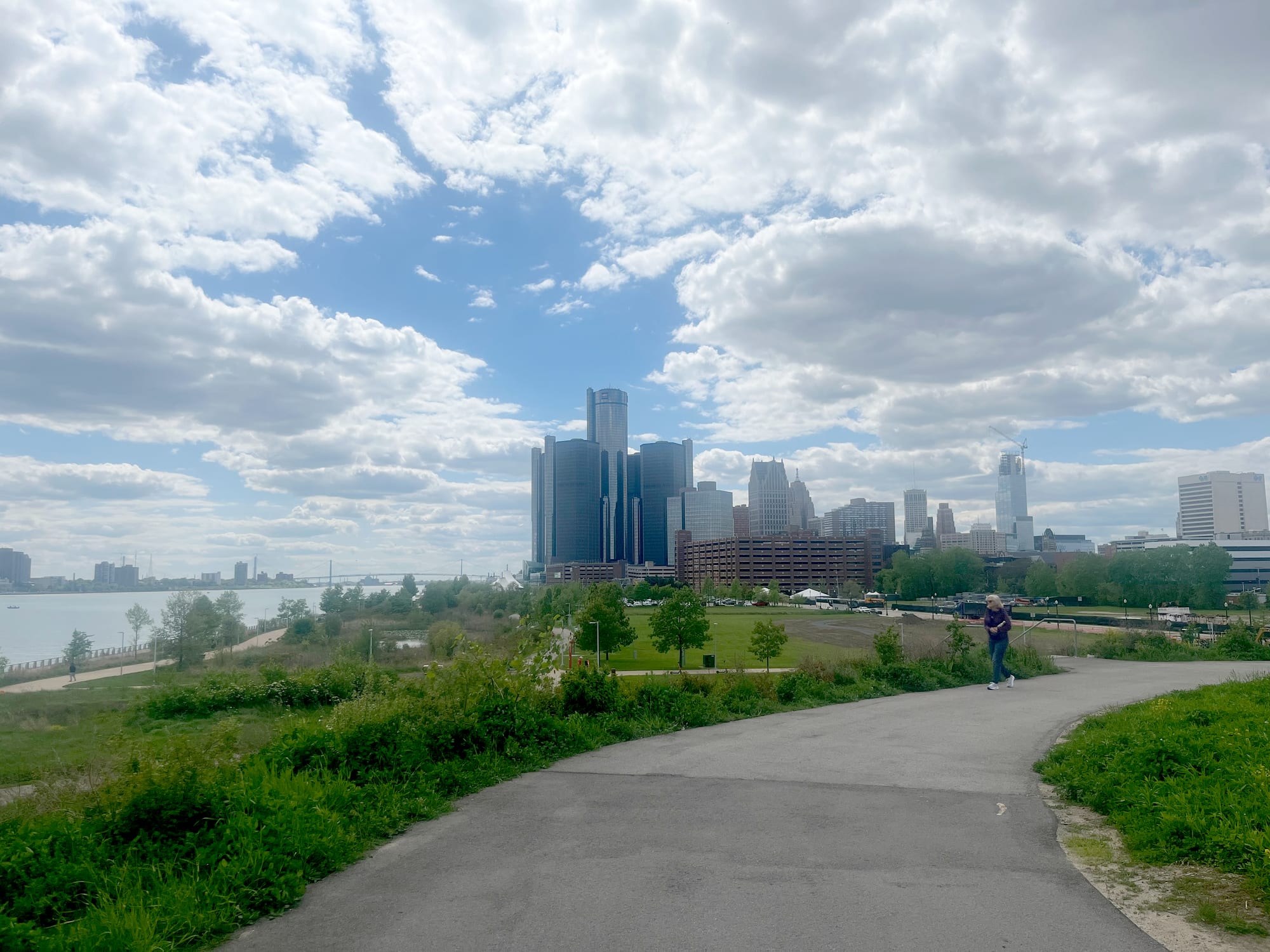
Detroit became the Motor City because, at the start of the 20th century, it already had what a car industry needed: skilled machine shops and carriage builders, money from earlier industries, and a position on the Great Lakes linked to the railways. Henry Ford's moving assembly line, introduced in 1913, made cars cheap enough for ordinary families, and rivals copied it. By 1920 Detroit's carmakers were building about a million cars a year, roughly half of the world's output, and the city's population more than quintupled between 1900 and 1930.
It shrank because the same industry later spread out of the city. After the Second World War, factories, shoppers and families moved to the suburbs along new freeways, while racial discrimination in housing and jobs deepened divisions that exploded in the 1967 riot. Foreign competition, oil shocks and a shrinking tax base did the rest. From a peak of 1.85 million people in 1950, Detroit fell to 639,111 at the 2020 census, a loss of about 65 percent, and in 2013 it became the largest American city ever to file for bankruptcy.
A city already built for making things
The French founded Detroit in 1701 on the narrow river linking Lake St. Clair and Lake Erie; the name comes from the French word détroit, meaning strait. That strait made the city a hub for iron ore, coal and grain moving through the Great Lakes, connected by water to the Erie Canal and by rail to the rest of the country.
By the 1890s Detroit's biggest industry was cast-iron stoves, and it was known as the "Stove Capital of the World". Alongside the foundries were machine-tool makers and coach builders. Around 1900 local entrepreneurs turned those skills, and the capital they had earned, to the new horseless carriage. Ransom E. Olds moved his young company from Lansing to Detroit, and his Curved Dash, built from 1901, is credited as the first mass-produced car. Ford, Cadillac, Dodge Brothers, Packard and others followed, and the city's access to capital, markets and shipping made it the natural place to put their headquarters.
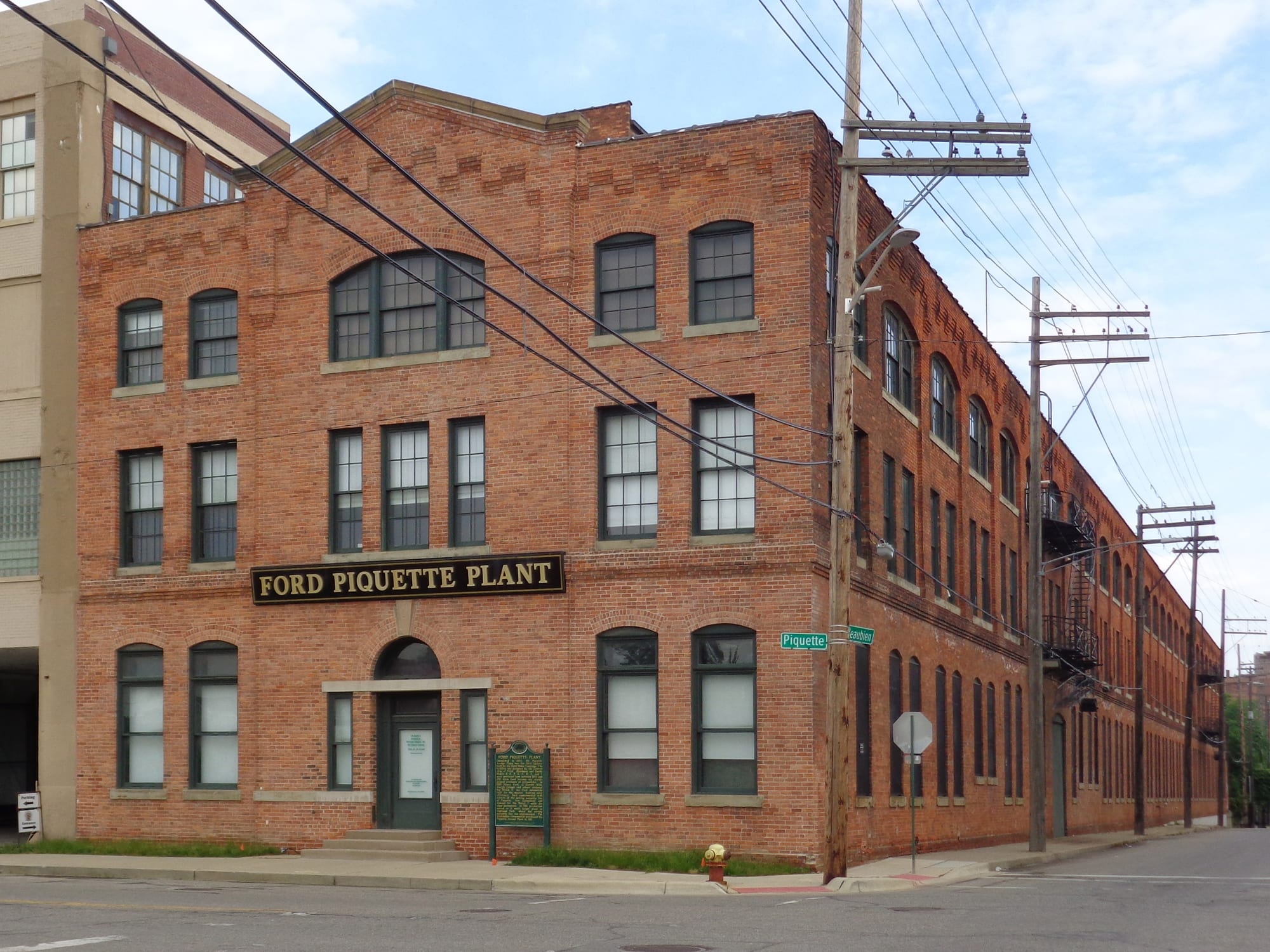
Ford made cars here from 1904 to 1910, and early experiments with a moving assembly line took place inside. It is now a museum, the oldest purpose-built car factory open to the public.
The assembly line and the five-dollar day
Ford moved Model T production to a much larger plant in Highland Park, a small city almost surrounded by Detroit, and there in 1913 it introduced the moving assembly line. Instead of workers walking to the car, the car moved past the workers. The time needed to build a Model T fell from more than 12 hours to 93 minutes, a cut of nearly 90 percent.
In 1914 Ford announced it would pay five dollars a day, about double the rate at rival firms. The wage stopped the factory's huge staff turnover, raised productivity and drew workers from across the world and the American South. When immigration laws in 1921 and 1924 cut the supply of European labour, African Americans leaving the segregated South in the Great Migration filled the gap. Rivals adopted Ford's methods, and the industry lifted Detroit from a second-tier industrial town to a world city. By 1950 it was the fifth-largest city in the United States, with the highest income per head in the country.
During the Second World War civilian car production stopped entirely from 1942 to 1945. Factories built tanks, jeeps and B-24 bombers instead, and the city, with 2 percent of the American population, produced more than 10 percent of the country's war materiel, earning the name "Arsenal of Democracy".
Why the people left
The decline began in the 1950s, at the height of prosperity. Between 1945 and 1957 the Big Three carmakers built 25 new factories in the metropolitan area, not one of them inside the city itself. Packard's Detroit factory closed in that decade, Studebaker ended production in the city in 1956, and the huge Hudson plant was largely demolished by 1961.
Transport changed with it. Mayor Albert Cobo promoted freeways as the way of the future, and the city's streetcar network, once 534 miles of track, was dismantled; the last car ran down Woodward Avenue on 8 April 1956. In 1954 the downtown department store Hudson's opened the Northland Center in suburban Southfield, then the largest suburban shopping centre in the world.
Race shaped who could move. Federal lending rules and local practices kept Black families out of many neighbourhoods and out of home loans, a practice known as redlining, while white residents resisted integration and often left for the suburbs. Tensions boiled over in July 1967, when a police raid on an unlicensed bar set off five days of violence that left 43 people dead and more than 400 buildings destroyed. Detroit became majority Black in the 1970s.
The spiral to bankruptcy
Carmakers faced intense competition from Japanese and German manufacturers, and the recession of the early 1980s, triggered by the 1979 oil crisis, brought mass layoffs. As people and businesses left, the city raised taxes to close its budget gaps, which encouraged more to leave, a cycle critics called a "financial death spiral". Between 2000 and 2010 Detroit lost about a quarter of its population, its largest drop in a single decade, and with it state funding shared out per head. Foreclosures after the Great Recession cut property values further, and in 2011 roughly half of the city's property owners did not pay their taxes.
On 18 July 2013, under a state-appointed emergency manager, Detroit filed for bankruptcy with debts estimated at 18 to 20 billion dollars, the largest municipal bankruptcy in American history. It left bankruptcy in December 2014, having cut about 7 billion dollars of debt.
A smaller city, growing again
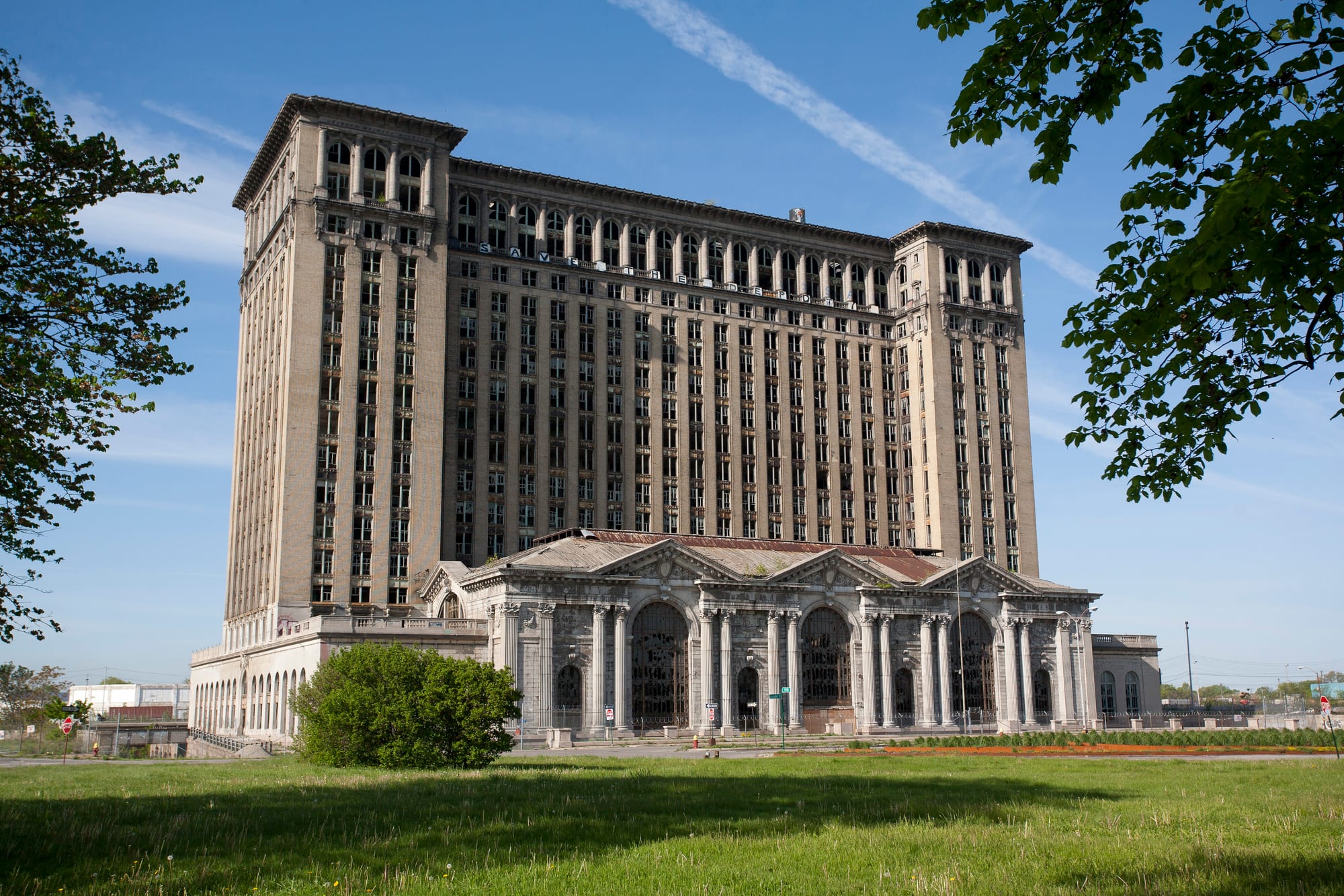
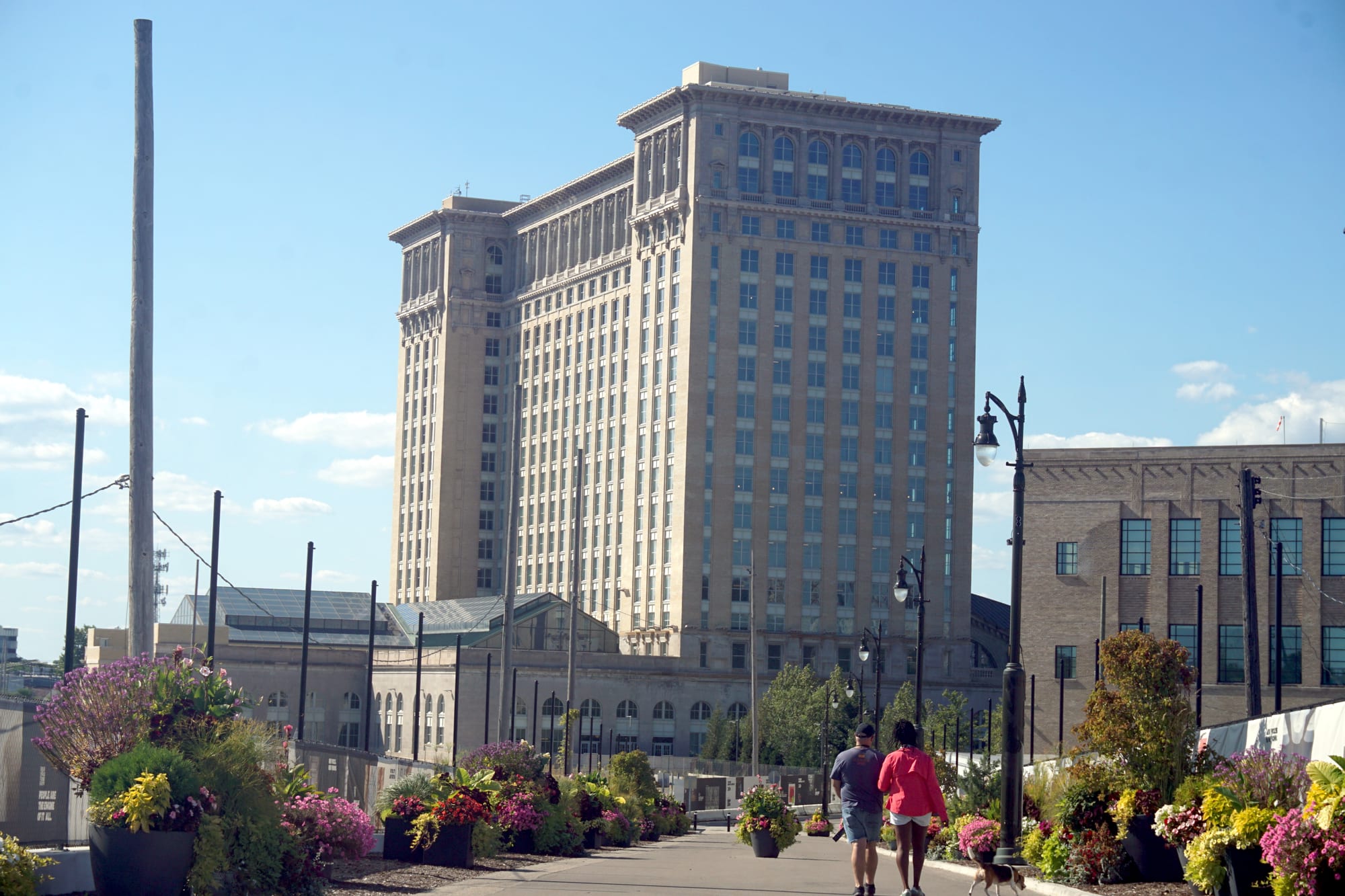
Since then the city has posted budget surpluses, demolished more than 27,000 abandoned houses and opened the QLine streetcar in 2017. Michigan Central Station, which closed in 1988, was bought by Ford in 2018 and reopened on 6 June 2024 after a renovation costing more than 900 million dollars. In 2024 Detroit's population grew for the first time in more than half a century, and the Census Bureau's estimate for 2025, 649,095, showed a second year of growth.
The recovery is uneven. Detroit remains the poorest large city in the country, with a median household income in 2024 less than half the national figure. General Motors still has its headquarters downtown, and Ford is next door in Dearborn, but the industry that built the Motor City now spreads across the whole region and far beyond it.
- 1904: Ford opens the Piquette Avenue Plant, birthplace of the Model T
- 1913: the moving assembly line starts at Ford's Highland Park plant
- 1914: Ford announces the five-dollar day
- 1950: Detroit's population peaks at 1.85 million
- 1956: the last streetcar runs on Woodward Avenue
- 1967: five days of rioting leave 43 dead
- 2013: Detroit files the largest municipal bankruptcy in US history
- 2024: Michigan Central Station reopens and the population rises again