History · Singapore
How did Singapore go from swamp to one of the richest cities on Earth?
A free port on the busiest sea lane in Asia, then a poor new nation that bet everything on foreign factories, public housing and clean government
By Globeway Editorial · 13 October 2026
The short answer
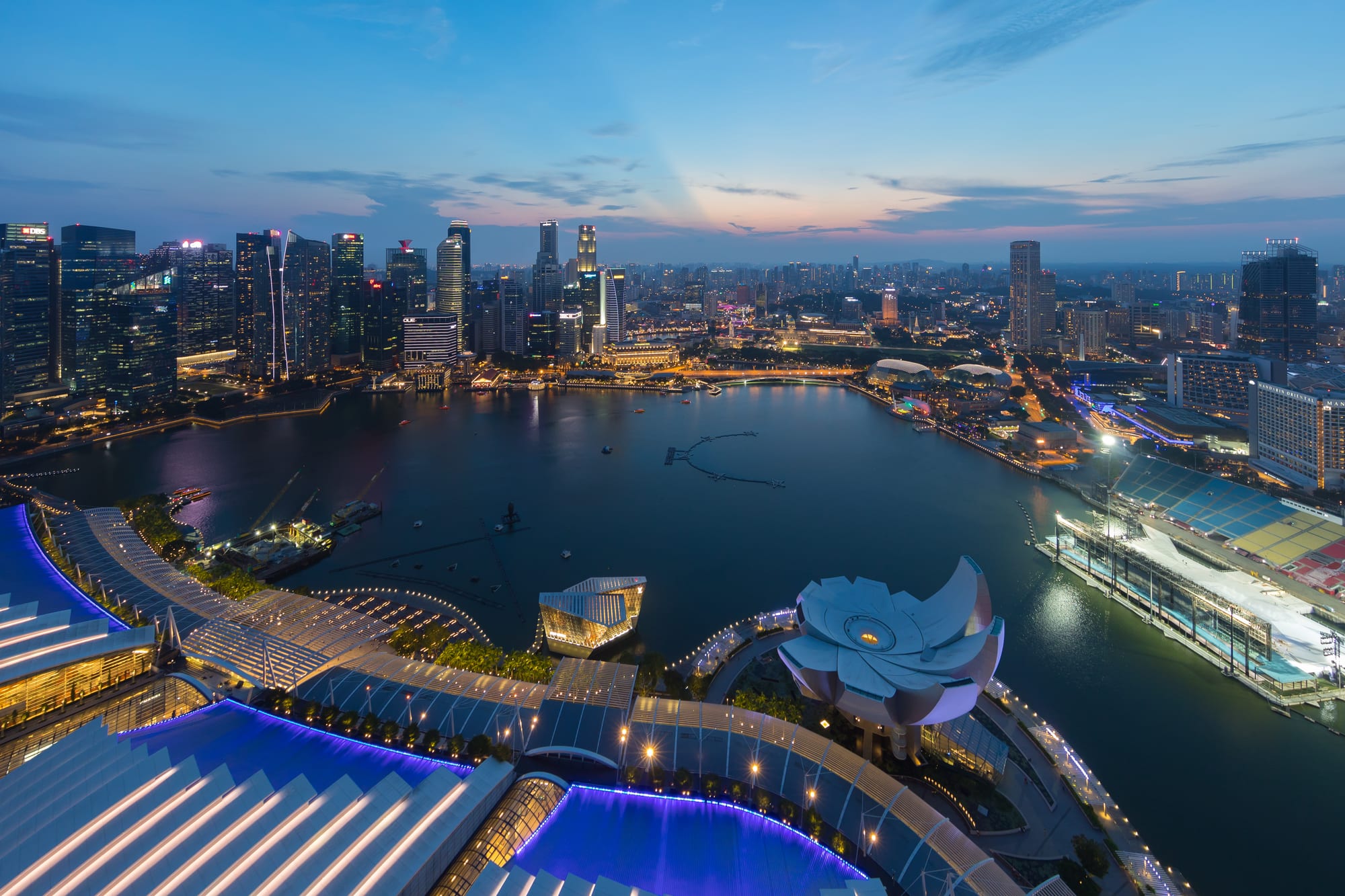
Singapore was never only a swamp. There was a significant trading town on the island in the 14th century, and when the British arrived in 1819 they found a small Malay fishing settlement of about 150 people at the mouth of the Singapore River, perhaps 1,000 on the whole island. The swamp part is real too: much of the island was mangrove swamp, including the riverbank chosen for the new commercial centre, which was filled in. The rise came in two stages. First, Stamford Raffles made Singapore a free port, with no duties on trade, on the main sea route between India and China, and it grew into a major trading port under British rule.
Second, and more remarkably, the independent republic that was abruptly expelled from Malaysia in 1965 was poor: unemployment averaged 14 per cent, GDP per person was about US$516 and half the population could not read. Its government, led by Lee Kuan Yew, attracted foreign manufacturers with tax incentives and ready-made industrial estates, rehoused most of the population in public flats, built an English-language education system and pursued corruption hard. Real growth averaged 12.7 per cent a year from 1965 to 1973, and Singapore now has the highest GDP per person in the world measured by purchasing power.
A port on the right sea lane
Raffles, a British East India Company official, wanted a base to break Dutch control of trade in the Malay Archipelago, since the route between British India and China ran straight through it. He landed on 28 January 1819 and saw what he needed: a position at the southern tip of the Malay Peninsula beside the Straits of Malacca, a natural deep harbour, fresh water and timber. By exploiting a succession dispute in the Sultanate of Johor, he recognised a rival claimant as sultan, and on 6 February 1819 the Treaty of Singapore gave the British the right to set up a trading post.
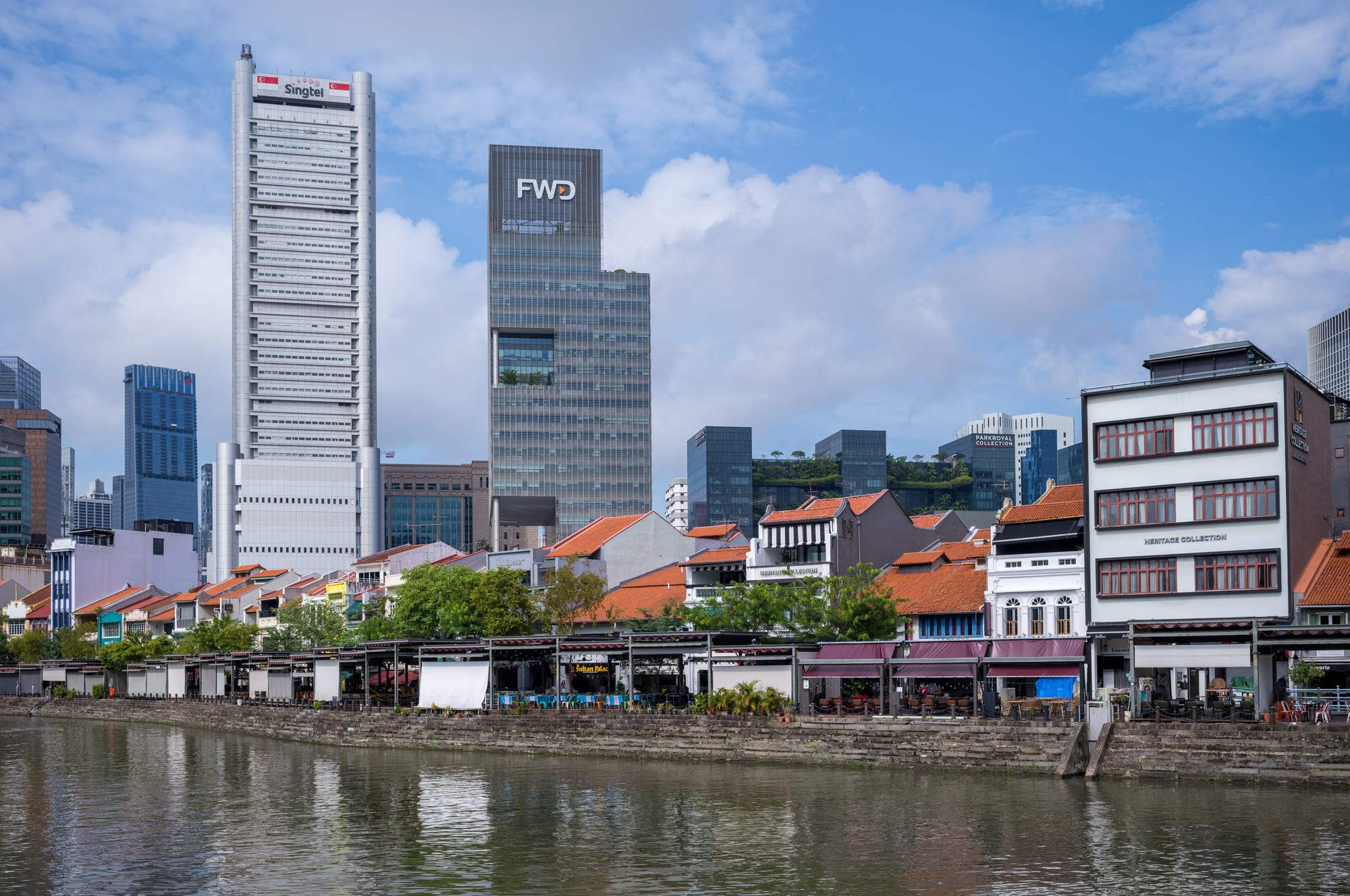
The decisive choice was to make it a free port. Raffles barred the settlement from collecting port duties, and as the news spread Bugis, Peranakan Chinese and Arab traders arrived to avoid Dutch tariffs. In 1822 he placed the commercial centre on the south bank of the river, then largely uninhabited swamp covered in mangroves. A small hill was levelled and its soil used to raise the ground, a job finished in three or four months, largely by Chinese, Malay and Indian labourers. The new land was sold off in lots to merchants, and the south bank became Boat Quay, the busiest part of the old port.
A colonial boom built on migrants
The port grew fast. The first census, in 1824, counted 10,683 people, and continual migration from Malaya, China, India and elsewhere in Asia pushed the population to nearly 100,000 by 1871. Singapore's free-port status gave it an advantage over rival colonial ports such as Batavia (now Jakarta) and Manila, which levied tariffs. Ocean-going steamships needed to refuel along the route and favoured it; the opening of the Suez Canal in 1869 cut the time and cost of shipping to Europe; and Malaya's rubber and tin flowed out through its harbour. By 1880, over 1.5 million tons of goods were passing through Singapore each year.
By the 20th century Singapore was a busy colonial city, not a backwater. Yet after Japanese occupation from 1942 to 1945 and the turbulent years that followed, it was crowded with squatter settlements and short of decent housing, sanitation and jobs. A fire in the Bukit Ho Swee squatter settlement in 1961 left 16,000 people homeless.
- 1819
Raffles signs the Treaty of Singapore and founds a British trading post
- 1822
Mangrove swamp on the south bank of the river is filled to create the commercial centre
- 1869
The Suez Canal opens, speeding trade between Singapore and Europe
- 1942–1945
Japan occupies Singapore
- 1960–1961
The Housing and Development Board and the Economic Development Board are founded
- 1963
Singapore joins the new Federation of Malaysia
- 9 August 1965
Singapore is expelled from Malaysia and becomes independent
- 1981
Changi Airport opens on cleared swampland and reclaimed land
The shock of 1965
Singapore had joined Malaysia in 1963, partly in the hope that a common market would create jobs. The union lasted under two years. Amid racial tension and political rivalry, the Malaysian parliament voted 126 to 0 on 9 August 1965 to expel Singapore, and a tearful Lee Kuan Yew announced on television that the island was now a sovereign nation. Much of the international press doubted it could survive. It had no natural resources, little land, a small domestic market and a confrontation with Indonesia still under way.
Factories, flats and clean government
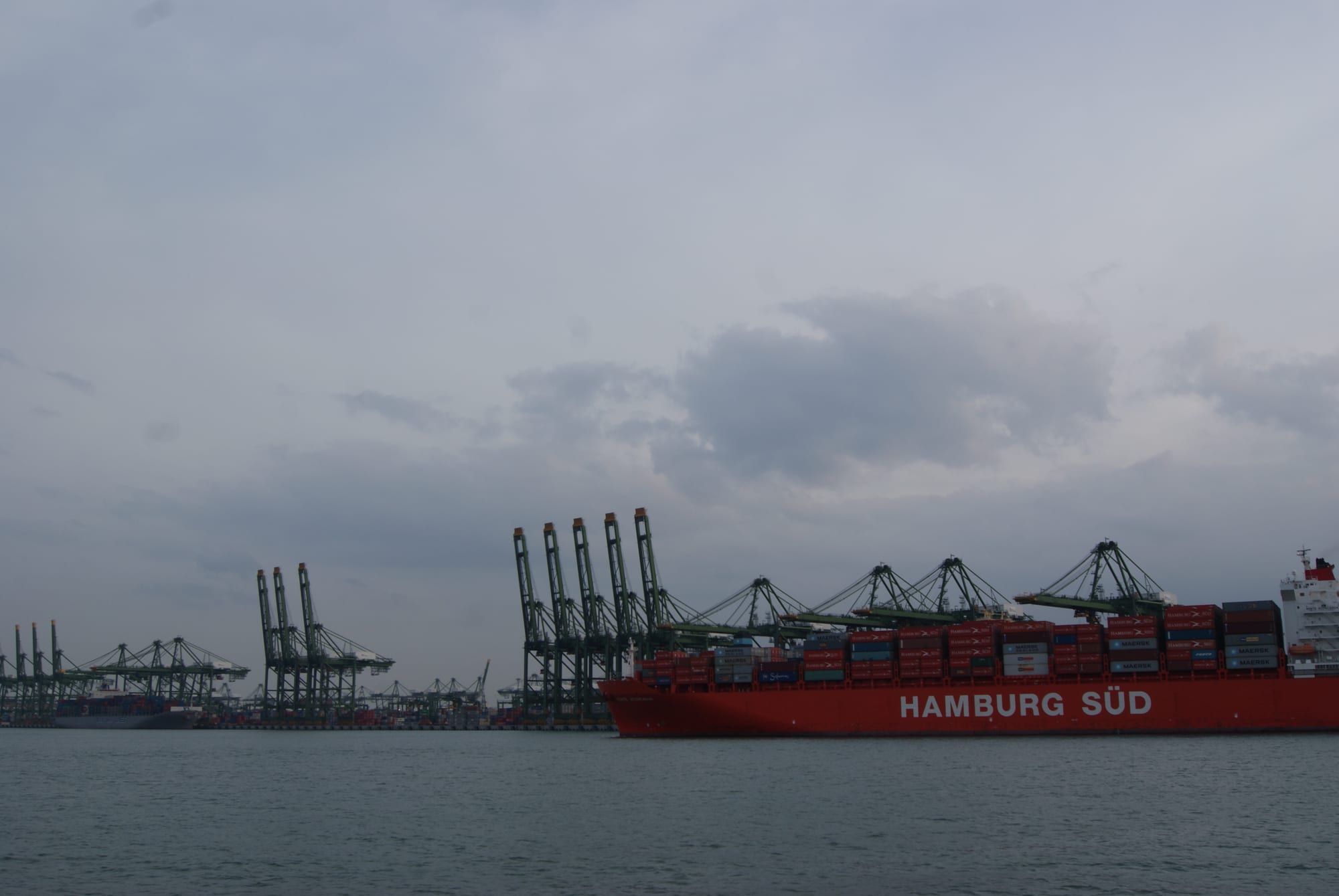
The government's answer was to bring the world's companies in. The Economic Development Board, created in 1961 with experts requested from the United Nations, offered tax incentives and land in a new industrial estate at Jurong, a stretch of swampland on the west coast. Lee and his ministers, advised by the Dutch economist Albert Winsemius, decided that attracting multinational corporations was the best way to boost the economy. Texas Instruments and National Semiconductor opened plants in 1968; by 1968 Jurong already held 153 factories; and by the mid-1970s refineries built by Shell, Esso and others had made Singapore the third-largest oil-refining centre in the world.
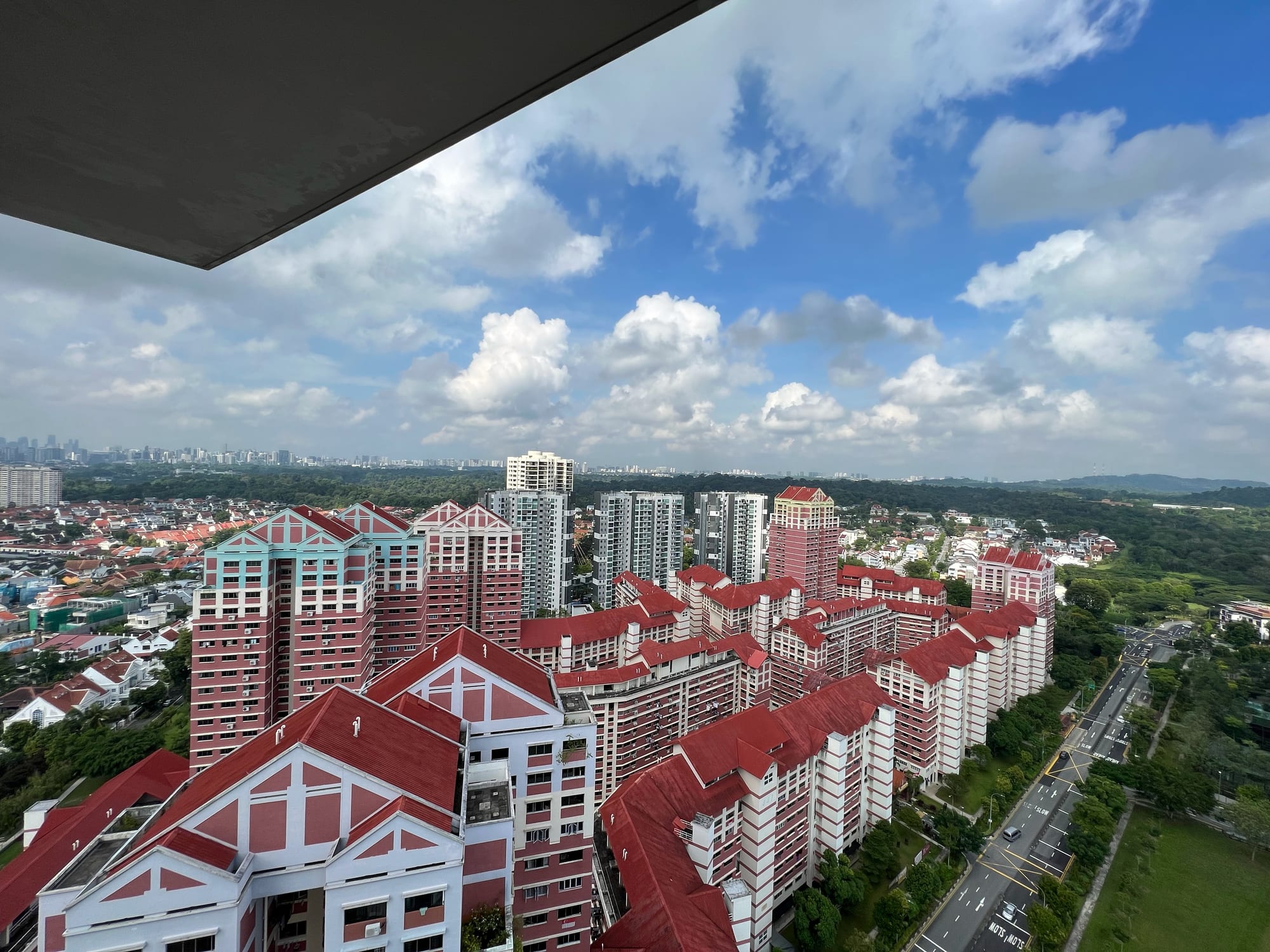
At home, the Housing and Development Board, founded in 1960, built flats at speed to clear the squatter settlements; by 1965 more than 50,000 flats had been built, and from 1968 residents could use their compulsory savings to buy their flats. Today 80 to 90 per cent of the population lives in public housing. Schools taught in English and stressed practical training for industry. Lee's government gave the anti-corruption bureau wide powers of arrest and investigation, and Singapore is now perceived as one of the least corrupt countries in the world. The land itself was enlarged: by 1991, 10 per cent of Singapore was reclaimed land.
The approach had a political side. The governing People's Action Party won every parliamentary seat in every election from 1966 to 1981, and some activists and opposition politicians have called its strict regulation of political and media activity authoritarian.
Moving up, again and again
Each time neighbours caught up on cost, Singapore moved on. In the 1980s it shifted into higher-technology industries such as wafer fabrication, opened Changi Airport in 1981, built Singapore Airlines into a major carrier and made its port one of the busiest in the world. Real growth averaged about 8 per cent from 1960 to 1999. Services, chemicals and pharmaceuticals followed, and investment has arrived from more than 3,000 multinational corporations. The geography that made Raffles choose it still matters: the Port of Singapore remains the world's busiest transshipment port.
The success has limits that come from the same small island. Singapore imports about 90 per cent of its food and a sizeable share of its water comes from Malaysia. But a place that began as a fishing settlement and a filled-in mangrove bank now has the highest GDP per person in the world by purchasing power.