History · Malta
How did the Knights of Malta hold off the Ottoman Empire in 1565?
Forts built in a hurry, a doomed outpost that held for 28 days, divided Ottoman commanders and a late relief army turned a hopeless siege into a famous victory.
By Globeway Editorial · 13 October 2026
The short answer
They held out by buying time, and the time was bought in blood. In May 1565 the Ottoman sultan Suleiman the Magnificent sent one of the largest fleets assembled since antiquity against Malta, home of the Knights Hospitaller. About 500 knights and roughly 6,000 foot soldiers, many of them Maltese and Spanish, defended three forts around the Grand Harbour. The small fort of St Elmo, expected to fall in days, held for 28, and that delay cost the attackers thousands of their best troops and weeks of a short campaigning summer.
The defenders of Birgu and Senglea then survived months of bombardment and repeated assaults, helped by hidden guns, good intelligence, ruthless leadership from the Grand Master, Jean Parisot de Valette, and serious mistakes on the Ottoman side. In early September a relief army from Sicily landed, and the exhausted Ottomans sailed away. The siege had lasted nearly four months, from 18 May to 8 September.
An island the knights had been preparing for
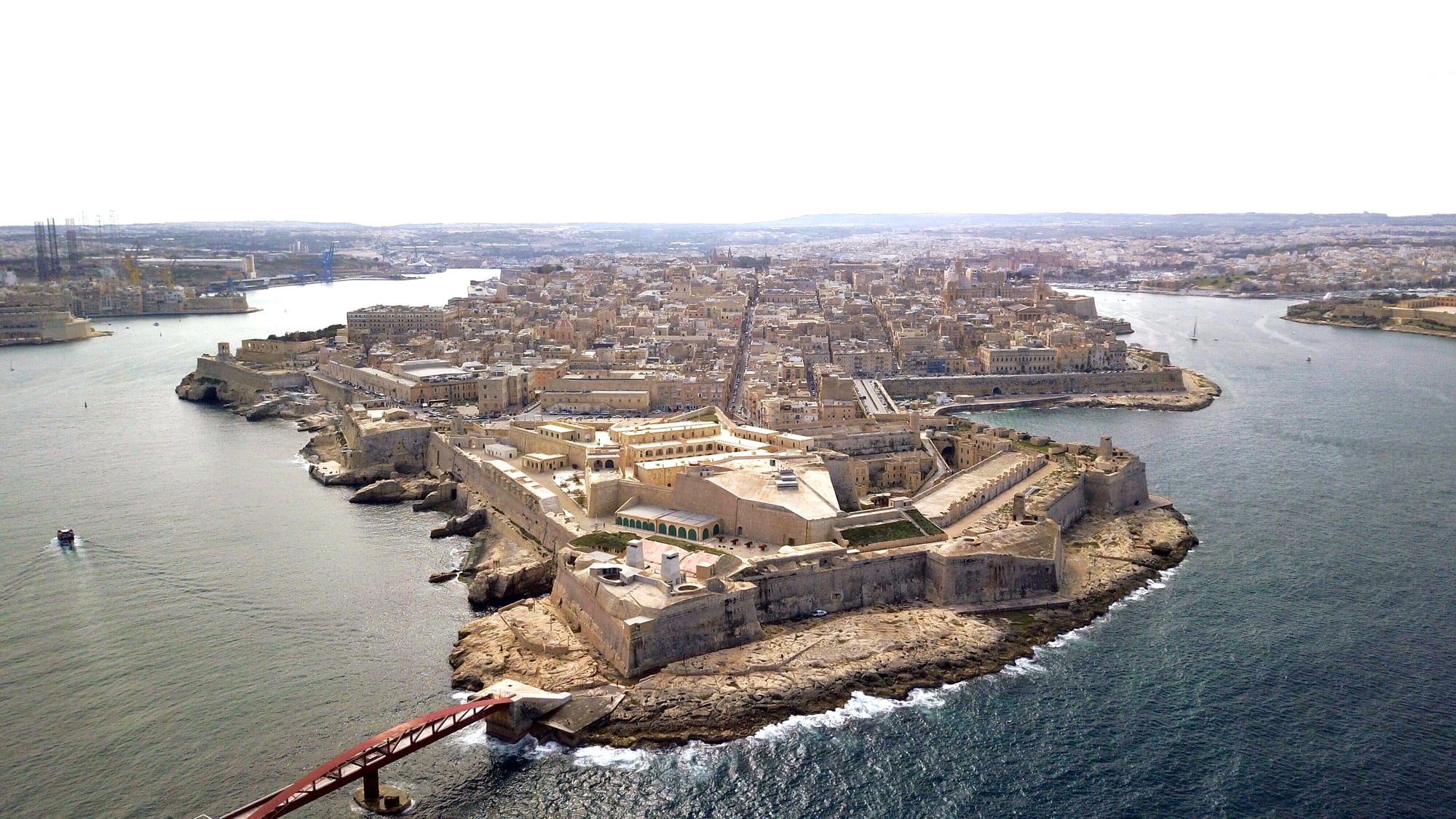
The Knights Hospitaller, a religious military order, had been driven out of Rhodes by the Ottomans in 1522, and in 1530 the Holy Roman Emperor Charles V gave them Malta and Gozo. They turned Malta into a naval base for raiding Muslim shipping. An Ottoman attack in 1551 failed, and the knights responded by strengthening Fort St Angelo at the tip of Birgu and building two new forts in just six months in 1552: Fort St Michael on the Senglea promontory and Fort St Elmo at the seaward end of Mount Sciberras, the bare peninsula where Valletta stands today. All three proved crucial.
After the knights captured several large Ottoman merchant ships in 1564, Suleiman resolved to destroy the order. Warned by his spies in Constantinople, Valette raised troops in Italy, laid in stores, finished the forts and had every crop harvested, even unripe grain, and the wells poisoned with bitter herbs and dead animals, so the invaders would find nothing to eat or drink.
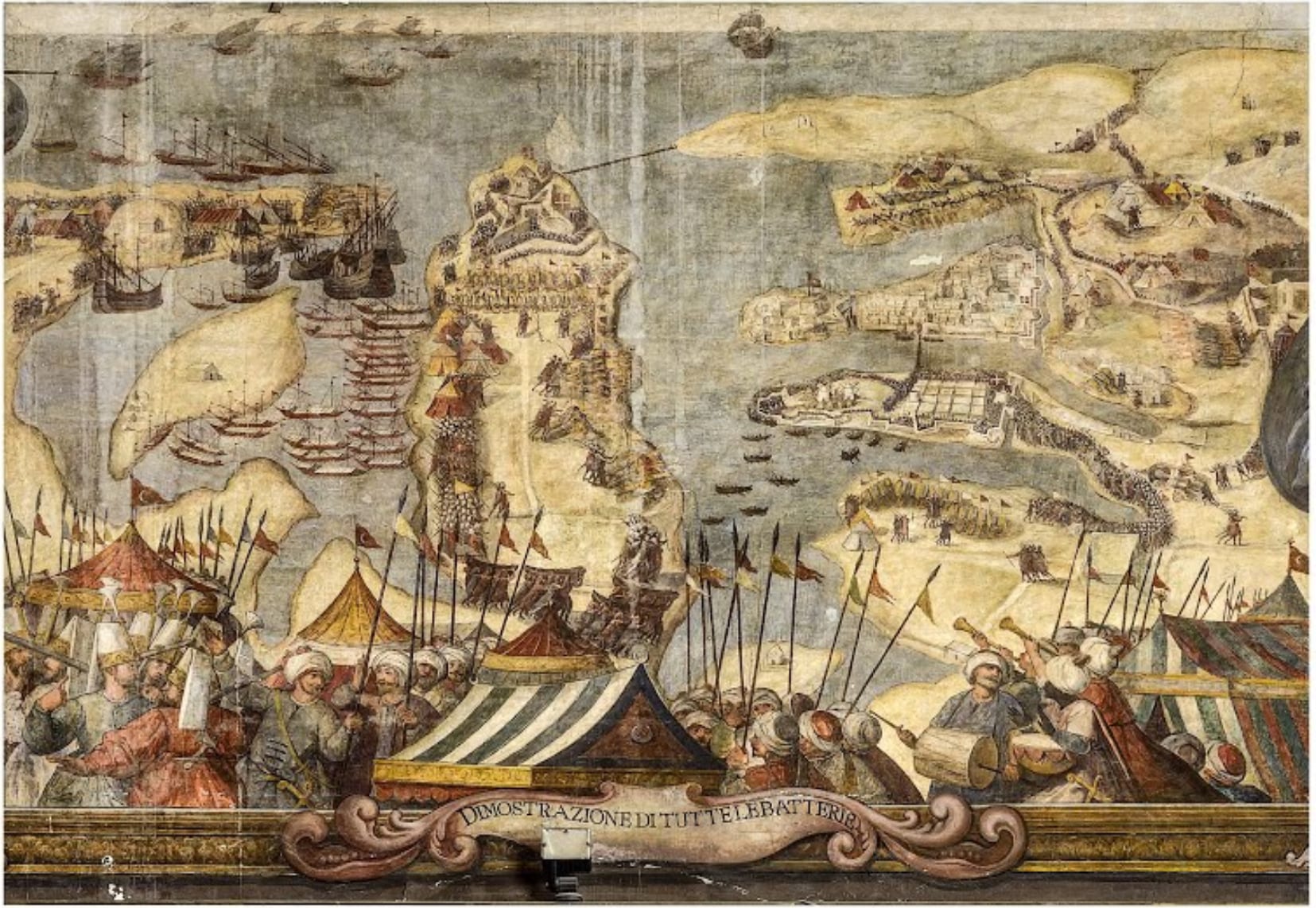
How many men attacked is still argued over; Valette's own estimates ranged from 15,000 to 40,000. The order's official historian, Giacomo Bosio, counted a fleet of 193 vessels, 131 of them galleys, and arrived at about 30,000 men. On any count the defenders were heavily outnumbered.
Twenty-eight days at Fort St Elmo
The Ottoman fleet anchored at Marsaxlokk, nearly 10 kilometres from the Grand Harbour. Suleiman had split command three ways: Mustafa Pasha led the army, Piyale Pasha the fleet, and both were told to defer to the veteran corsair Dragut when he arrived from Tripoli. Piyale wanted a sheltered anchorage in Marsamxett Harbour, which meant first taking Fort St Elmo at its mouth, and Mustafa gave way, believing a few days would be enough. It proved a critical mistake.
Valette had guessed the plan and packed the fort with reinforcements and half of his heavy artillery. A bombardment by three dozen guns on the high ground of Mount Sciberras began on 27 May and reduced St Elmo to rubble within a week. Yet every night boats crossed the harbour from Birgu, took off the wounded and brought in fresh men and supplies. When the garrison sent word on 8 June that the fort could no longer be held, Valette refused: St Elmo must hold until help came.
It fell on 23 June, and almost all of its more than 1,500 defenders were killed. But the Ottomans had lost at least 6,000 men, including half of their elite Janissary infantry, and Dragut had been mortally wounded during the fighting.
- 18 May 1565 — The Ottoman fleet arrives off Malta.
- 27 May — The bombardment of Fort St Elmo begins.
- 23 June — Fort St Elmo falls after holding out for 28 days.
- Early July — A small relief force of about 600 men slips into Birgu.
- 15 July — A combined land and sea assault on Senglea is beaten off.
- 7 August — The walls are breached, but the attackers pull back.
- 7 September — The great relief force of 8,000 men lands at St Paul's Bay.
- 8 September — The Ottomans abandon the siege of Birgu and Senglea.
Hidden guns and false alarms at Birgu and Senglea
The main prize was the two fortified towns across the Grand Harbour. On 15 July Mustafa attacked Senglea from land and sea, carrying 100 small boats over Mount Sciberras into the harbour. A defector had warned Valette, who built a palisade along the shore. The decisive blow came from a battery of five cannon placed at sea level at the foot of Fort St Angelo for exactly this purpose. When the boats came within point-blank range, two volleys sank all but one of them and killed or drowned more than 800 men.
The Ottomans ringed the two towns with some 65 siege guns, in what was probably the most sustained bombardment in history up to that time; the soldier and diarist Francisco Balbi di Correggio claimed 130,000 cannonballs were fired over the whole siege. On 7 August the walls were breached and the siege seemed over, until the attackers suddenly withdrew. Captain Vincenzo Anastagi, riding out from the inland town of Mdina, had fallen on the undefended Turkish field hospital, and the Ottomans believed the relief army had arrived.
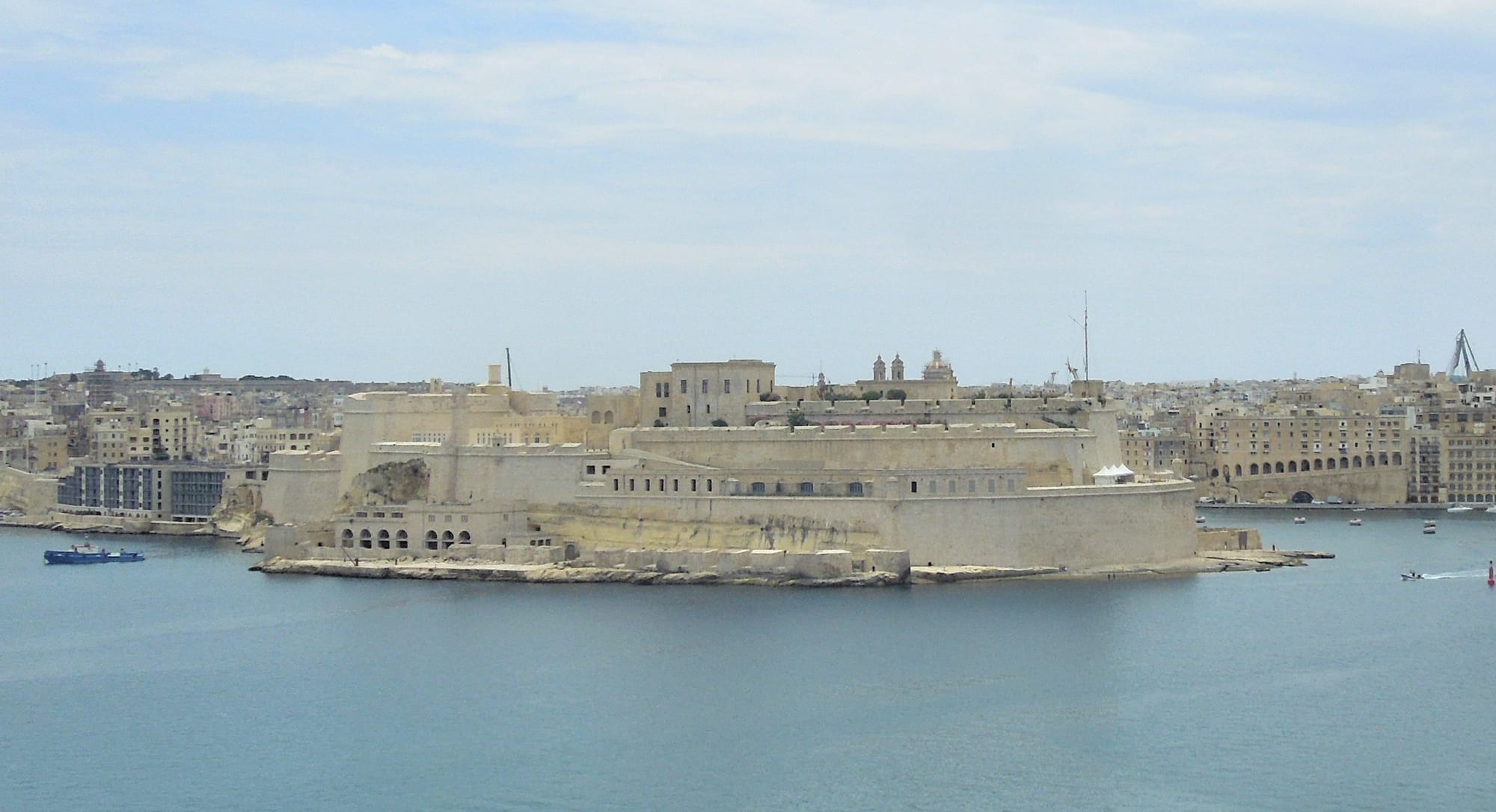
Fort St Angelo was the defenders' last refuge. At one point in August the order's council of elders proposed abandoning Birgu and retreating into the fort; Valette, then in his late sixties or about 70, vetoed it. In the fighting of 20 August, Balbi recorded, he ran to the threatened post and stayed there, sword in hand, until the Turks pulled back.
Ingenuity, bluff and a late relief
The defenders improvised constantly. Maltese masons hid cannon inside the walls behind a skin of masonry, then unmasked them to destroy a great Ottoman siege tower with chain shot, cannonballs linked by chain. Late in August Maltese engineers tunnelled out through the rubble to wreck another tower and a shielded siege engine at point-blank range.
By September the weather was turning and disease was thinning the invaders' ranks. When Mustafa marched on Mdina, intending to winter there, the poorly supplied town fired its cannon at hopelessly long range, and the bluff persuaded the Turks it had ammunition to spare. On 7 September the viceroy of Sicily, García de Toledo, finally landed 8,000 Spanish and Italian soldiers at St Paul's Bay. The Ottomans began to leave, turned back to fight the relief force near Mdina, were routed, and withdrew from the islands on 13 September.
What the victory cost, and what it built
Ottoman losses are as disputed as their numbers: Balbi gave 35,000 dead, Bosio 30,000 casualties including sailors, and several other sources about 25,000. The knights lost a third of their number, and Malta a third of its people. Birgu and Senglea were essentially levelled, and were given the titles Città Vittoriosa, the victorious city, and Città Invicta, the unconquered city.
The victory was celebrated across Europe, though the historian Henry Sire argues the Ottomans had overextended themselves and that Spain would quickly have retaken the island. Money poured in all the same, and in 1566 Valette laid the foundation stone of a new fortified city on Mount Sciberras so no enemy could use it again. He died in 1568 before it was finished, but the city carries his name: Valletta. Fort St Elmo and Fort St Angelo were restored by 2015, and Malta still marks the end of the siege each 8 September, Victory Day, with a regatta in the Grand Harbour.
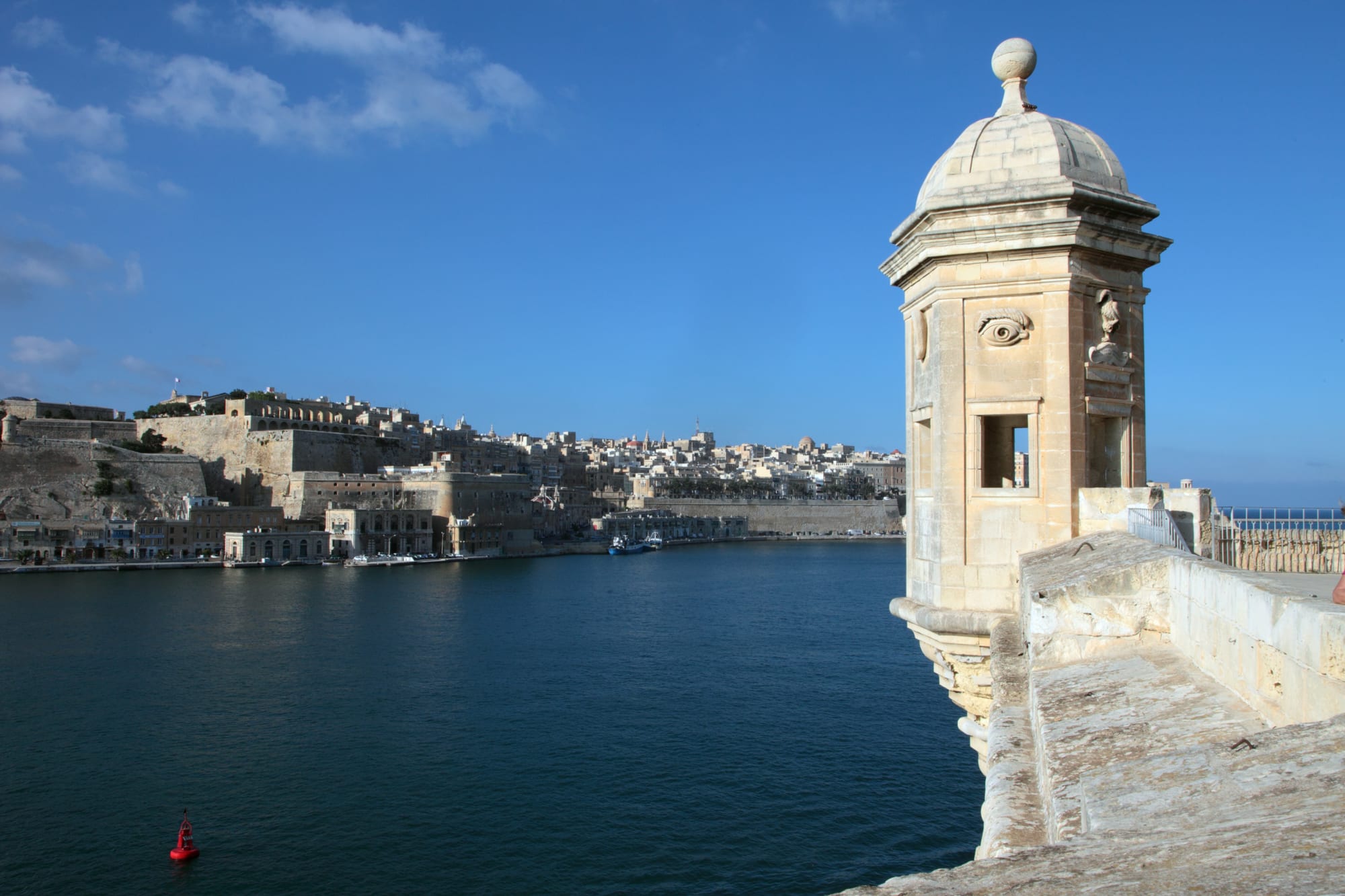
From Senglea the whole battlefield fits in one view: Birgu and Fort St Angelo beside it, and across the water the peninsula where St Elmo held out.