Attractions & Natural Wonders · Brazil
Is the Amazon really the lungs of the Earth?
Not for oxygen, since the forest uses up almost all the oxygen it makes. Its real global roles are storing carbon and making rain.
By Globeway Editorial · 13 October 2026
The short answer
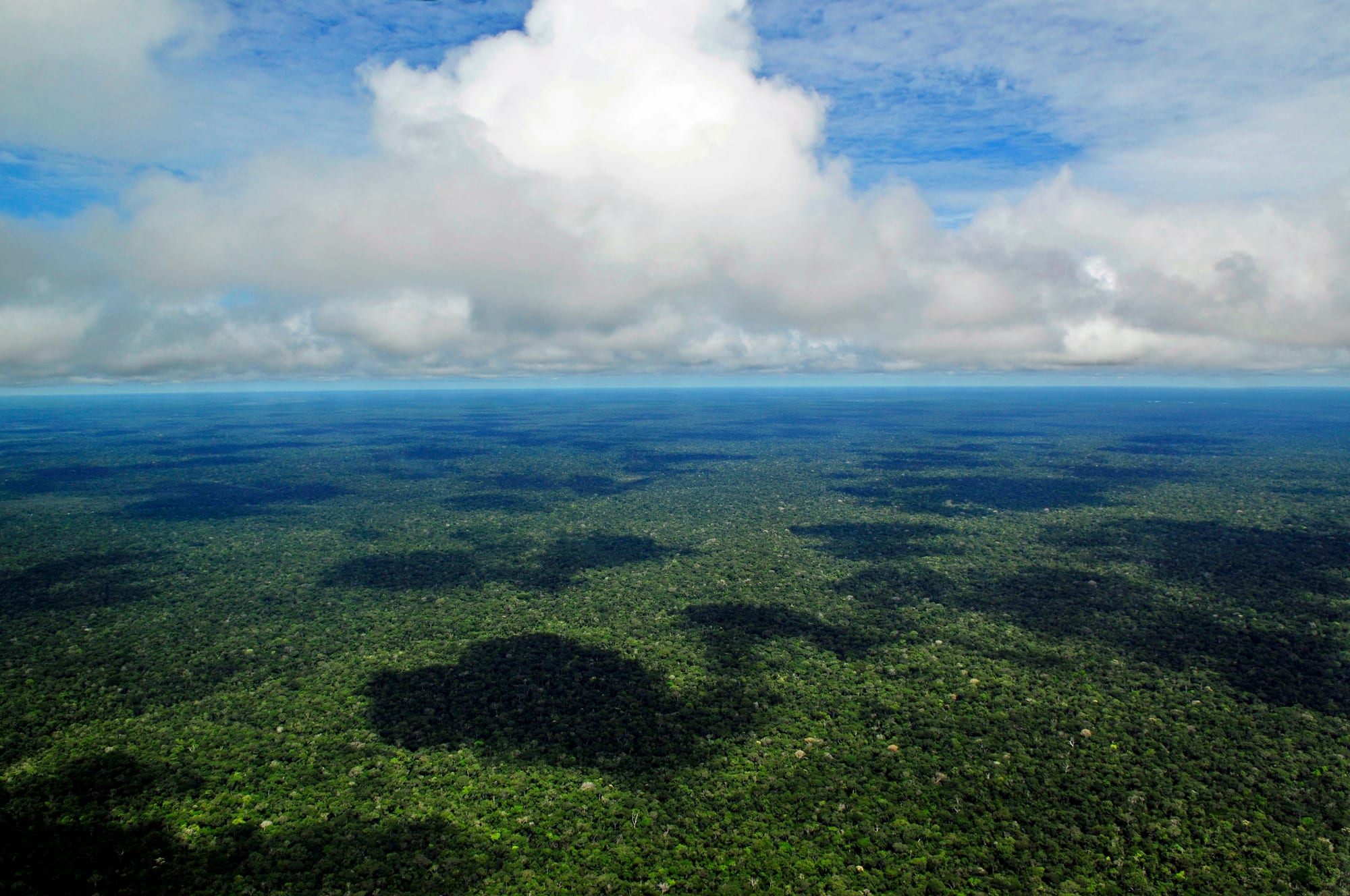
Not in the way the phrase suggests. The Amazon's trees do release enormous amounts of oxygen through photosynthesis, but the forest also consumes almost all of it again, as its plants respire and as animals and microbes break down fallen leaves and wood. Scientists estimate that the ecosystem's net contribution to the oxygen in the air is approximately zero. Popular claims that it supplies 20 per cent, or more than a quarter, of the world's oxygen rest on misread statistics, such as the forest's share of the oxygen made on land or the total amount it produces and uses up again.
The forest is vital for other reasons. It stores a vast amount of carbon that would warm the planet if released, it makes much of its own rain and sends moisture across South America, and it holds about one in ten of the world's known species. If anything deserves the title of the planet's lungs for oxygen, it is the ocean's microscopic plankton.
Where the famous numbers came from
The image of the Amazon as Earth's lungs became headline news during the fires of August 2019. France's president, Emmanuel Macron, called the fires an international crisis and said the forest produces "20% of the world's oxygen", a figure disputed by academics. Latin American bishops urged governments to save "the world's lungs", and the UN Secretary-General described the Amazon as a major source of oxygen.
The confusion lies in the difference between gross and net. Another often repeated statistic says the Amazon produces more than a quarter of Earth's oxygen, but that refers to turnover, the total amount the forest makes and uses in a constant cycle, not the amount it adds to the air.
Why the forest breathes its own oxygen
Photosynthesis turns carbon dioxide and water into sugars, releasing oxygen. The reverse process, respiration and decay, burns those sugars and uses oxygen up. Plants respire as well as photosynthesise, and when trees and leaves die, bacteria and other organisms decompose them, consuming oxygen and returning the carbon to the air as carbon dioxide.
Over the whole Amazon, production and consumption come out close to even. Even its leaves follow a seasonal rhythm that keeps photosynthesis and respiration roughly in step: the canopy expands in the sunny dry season and sheds leaves in the cloudy wet season.
Where Earth's oxygen really comes from
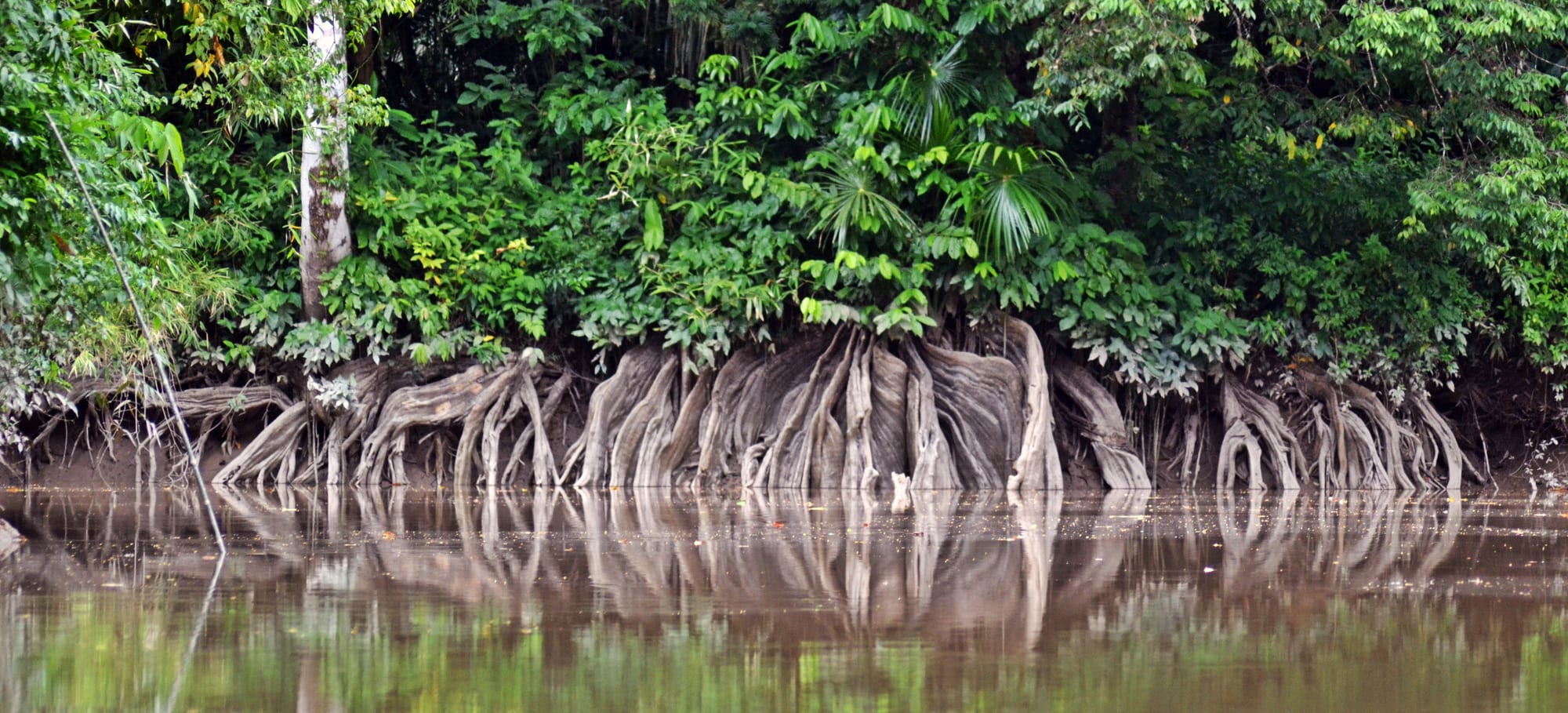
Dry air is 20.95 per cent oxygen, and almost all of that free oxygen exists because of photosynthesis, which evolved first in bacteria and is now carried out by plants, algae and microbes. The biggest single contributor is not on land at all. Marine phytoplankton, microscopic drifting algae and bacteria, carry out about half of the world's photosynthesis and at least half of its oxygen production, even though they make up only about 1 per cent of the planet's plant biomass.
The share of oxygen in the air has also changed over geological time: around 300 million years ago, late in the Carboniferous period, it reached about 35 per cent, against 21 per cent today.
What the Amazon really does for the planet
The rainforest covers about 6 million square kilometres, mostly in Brazil, and holds an estimated 390 billion trees of about 16,000 species. Amazonian forests account for about a tenth of the world's land-based plant growth and a tenth of the carbon stored in ecosystems; in 2023 the forest still held more than 150 billion tonnes of carbon. In a typical year it absorbs about 1.5 billion tonnes of carbon dioxide.
That makes carbon, not oxygen, the real stake. In drought years the forest has switched from absorbing carbon to releasing it: about 5 billion tonnes of carbon dioxide in 2005 and 8 billion tonnes in 2010. In 2021 scientists reported that the Amazon basin as a whole was emitting more greenhouse gases than it absorbed, driven by climate change and by human activity, above all fires, land use and deforestation.
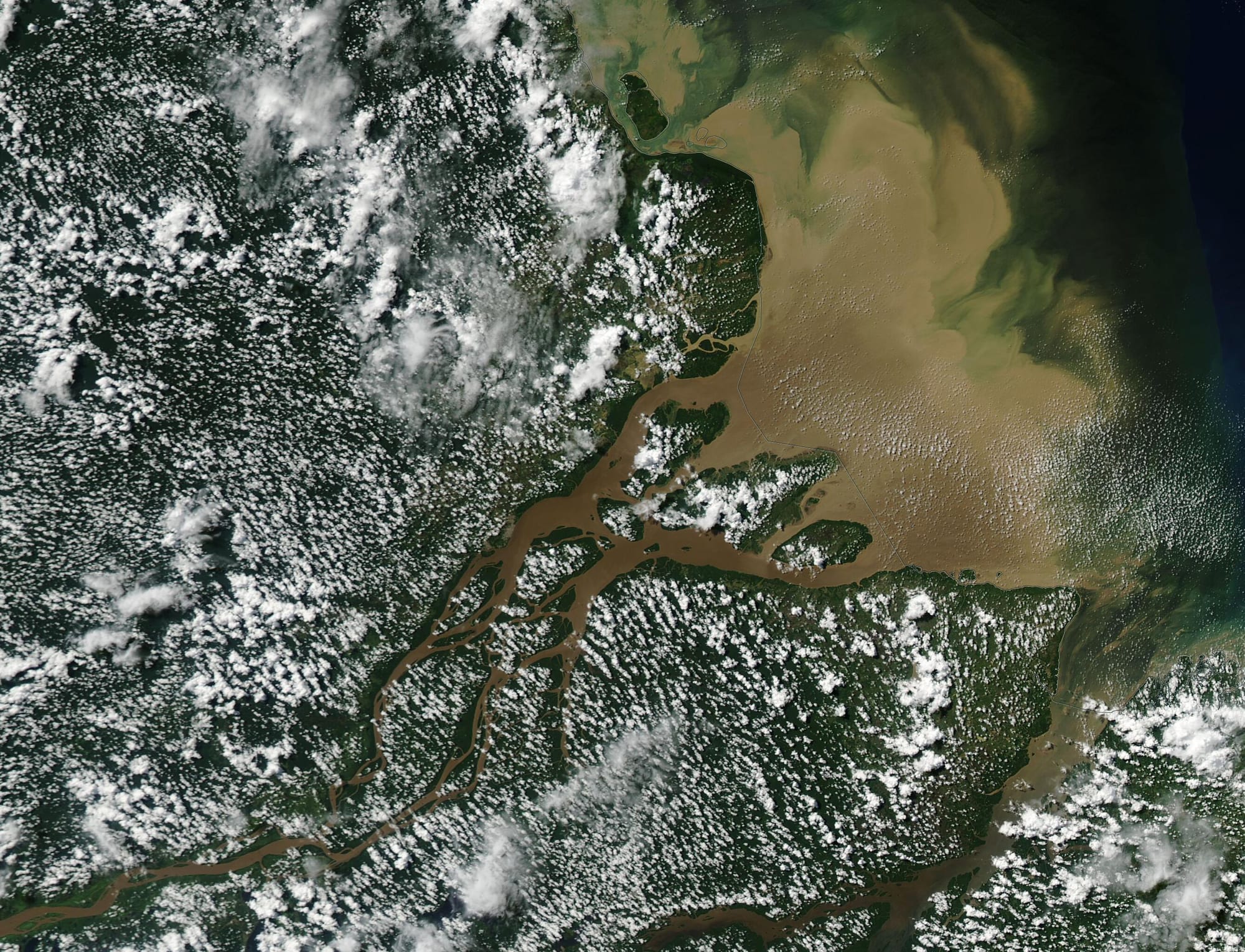
The forest is also a rain machine. About half the rainfall over the Amazon is produced by the forest itself, as trees draw water from the soil and release it as vapour; an average forest tree can give off around 1,000 litres in a day. Brazilians call the resulting streams of moist air rios voadores, or flying rivers, and the moisture they carry matters for rainfall in Brazil, Paraguay and Argentina. Deforestation was one of the main causes of Brazil's severe drought of 2014 and 2015.
A forest near its limits
By 2022 about 20 per cent of the Amazon had been deforested and a further 6 per cent was highly degraded, most of the cleared land turned into cattle pasture. Research suggests that at around 20 to 25 per cent loss the forest could pass a tipping point, where large areas in the east, south and centre would turn over decades into degraded savannah.
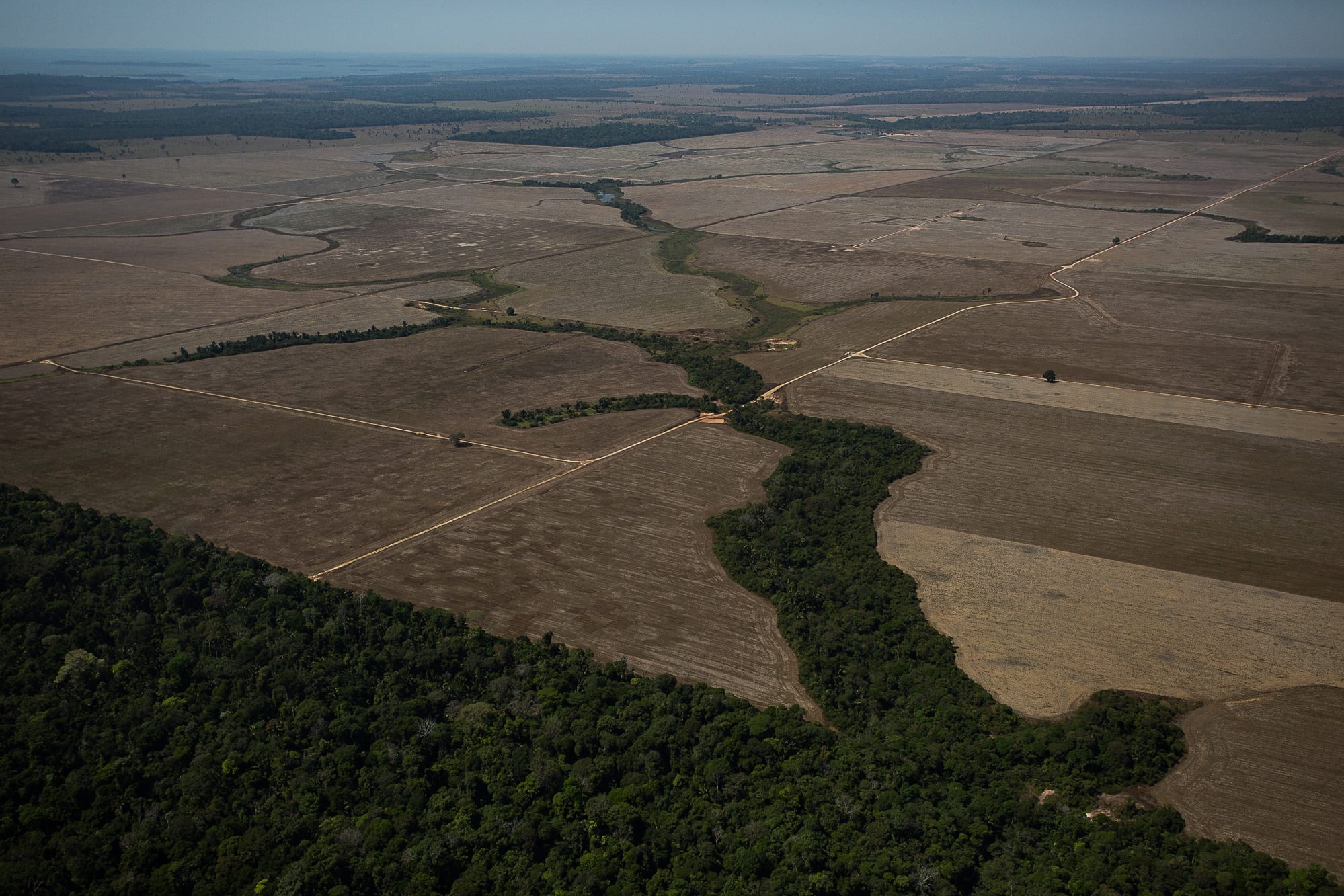
The trend is not one-way. In the first eight months of 2023 the rate of deforestation in the Brazilian Amazon fell by 48 per cent, yet in 2024 fires caused two-thirds of Brazil's forest loss. In November 2025 the eastern Amazon city of Belém hosted the COP30 UN climate summit, where Brazil sought to launch a fund that would pay rainforest countries to keep their forests standing.
So the Amazon is not the planet's oxygen supply. Losing it would instead release a huge store of carbon, threaten rainfall across much of South America and endanger the home of a tenth of known species. The lungs metaphor gets the organ wrong but the importance right.