History · Panama
Who built the Panama Canal, and why did it take two attempts?
France tried first and was beaten by mosquitoes, mud and a sea-level dream; the United States finished it in 1914 with locks, a lake and a war on disease.
By Globeway Editorial · 13 October 2026
The short answer
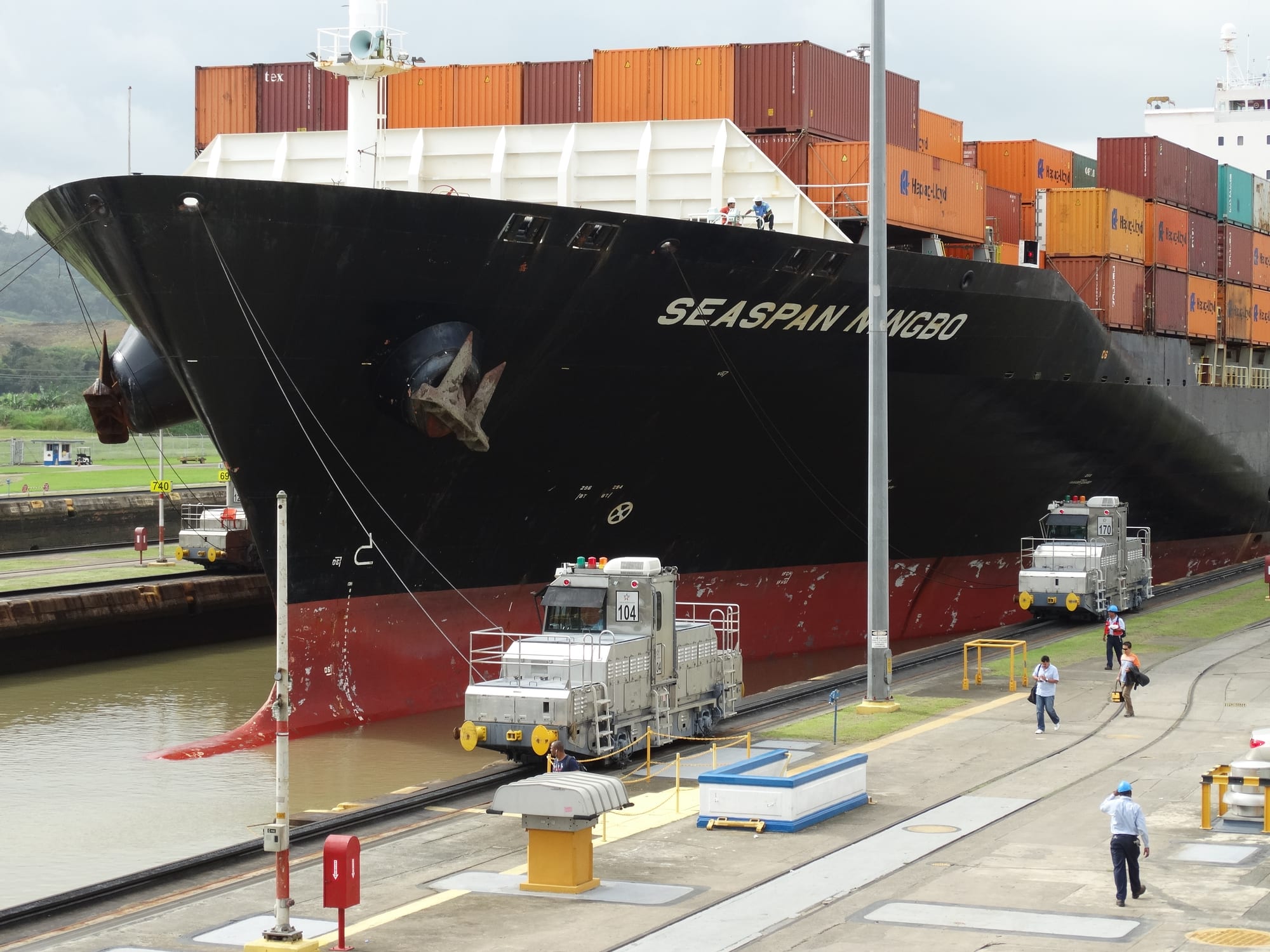
The Panama Canal was begun by a French company led by Ferdinand de Lesseps, the man behind the Suez Canal, and finished by the government of the United States. The French dug from 1881 until their company went bankrupt in 1889. The Americans bought what was left in 1904 and opened the canal in August 1914. Most of the hard labour in both eras was done by workers from the Caribbean, above all from Barbados and the other islands of the West Indies.
It took two attempts because the first one tried to build the wrong canal in the wrong way. De Lesseps insisted on a sea-level ditch like Suez, through mountains, unstable rock and a river that floods violently in the rainy season, at a time when nobody knew that mosquitoes spread yellow fever and malaria. Around 22,000 people died and the money ran out. The United States succeeded by controlling the mosquitoes first and by switching to a design of locks and an artificial lake that lifted ships over the mountains instead of cutting the mountains down to the sea.
A sea-level dream from Suez
The success of Suez, opened in 1869, made de Lesseps the most celebrated canal builder in the world, and influential French figures hoped a second triumph would restore national pride after defeat in the Franco-Prussian War. In 1878 a syndicate obtained a concession from Colombia, which then ruled Panama, to dig across the isthmus along the route of the existing Panama Railroad.
In May 1879 de Lesseps gathered an international congress in Paris to endorse the plan. It voted 74 to 8 for a sea-level canal, but only 19 of those in favour were engineers, and only one of them had ever been to Central America. Gustave Eiffel voted against. So did the engineer Adolphe Godin de Lépinay, who proposed damming the Chagres River to create an artificial lake that ships would reach through locks. His idea was ignored.
The trouble was that Panama was nothing like the Egyptian desert. Suez was essentially a trench through flat sand. In Panama the lowest pass over the continental divide still stood about 110 metres (361 feet) above the sea, and the Chagres River could rise by up to 10 metres (33 feet) in the rainy season. De Lesseps was a diplomat and promoter, not an engineer, and he visited the works only a few times, during the dry season.
Death and bankruptcy, 1881–1889
Digging began on 1 January 1881. By 1888 about 40,000 people were at work, nine in ten of them from the West Indies. Yellow fever and malaria killed them in huge numbers; by 1884 deaths ran at more than 200 a month. Public health measures failed because the role of the mosquito in spreading disease was not yet understood. The canal's chief engineer Jules Dingler resigned in 1885 after yellow fever killed every member of his family, and his successor Léo Boyer died of it the following year.
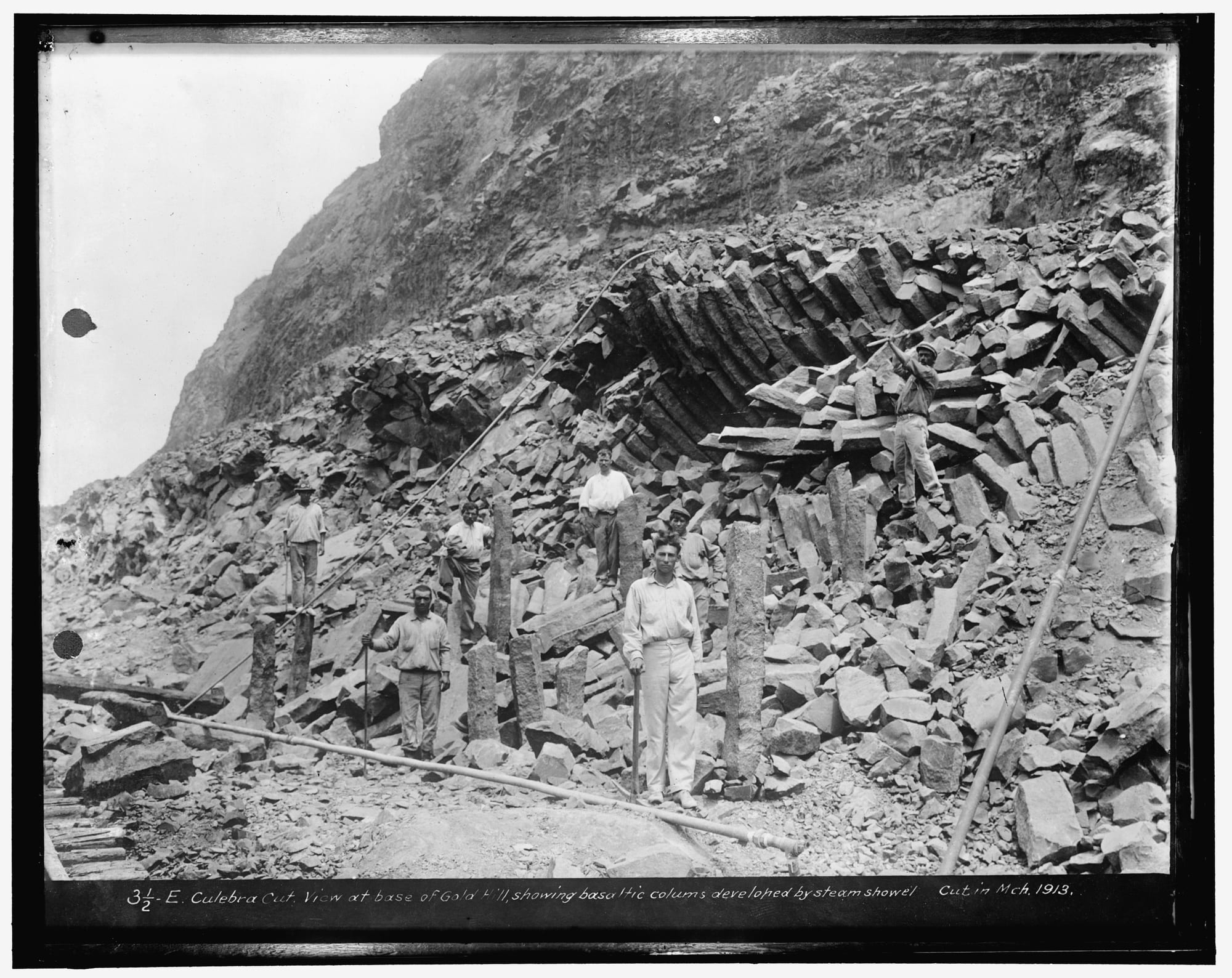
The engineering went no better. Landslides kept pouring back into the main cut at Culebra, and steel machinery rusted in the wet climate. By 1886 Boyer was warning that a sea-level canal could not be built within the time and money available. De Lesseps accepted a lock design only in October 1887, far too late. On 15 May 1889 the company went bankrupt with the canal about two-fifths complete. About US$287 million had been spent, an estimated 22,000 men had died, and the savings of 800,000 investors were gone.
The collapse became a political scandal in France, with more than a hundred legislators found to have been involved in corruption. A second French company kept a small workforce digging from 1894, mainly to keep its rights alive while it looked for a buyer.
How the Americans got Panama
The United States had long favoured a route through Nicaragua. That changed when the French company cut its asking price from US$109 million to exactly the US$40 million the Americans judged its assets to be worth, and President Theodore Roosevelt pressed the commission studying the routes to recommend Panama. Congress authorised the purchase in June 1902.
Colombia's Senate then rejected a treaty leasing the canal land to the United States. Roosevelt let it be known that Washington would welcome a Panamanian revolt, and in November 1903 a separatist movement declared independence while the warship USS Nashville stood off Colón and kept Colombian troops from using the railway. Within weeks Philippe Bunau-Varilla, a French engineer from the first canal company acting as Panama's envoy, signed a treaty giving the United States a Canal Zone. Many Panamanians condemned it as an infringement of their new country's sovereignty, and the episode is often cited as the classic case of American gunboat diplomacy.
Mosquitoes first, then locks and a lake
The American start was shaky too: the first chief engineer, John Findley Wallace, resigned in 1905. His successor, John Frank Stevens, rebuilt the railway, housing and water supplies, and backed the army doctor William C. Gorgas, who had already eliminated yellow fever from Havana. Building on the work of Carlos Finlay, Walter Reed and Ronald Ross, Gorgas drained standing water, sprayed breeding grounds with oil, fumigated buildings and screened windows. Within two years the mosquito-borne diseases were nearly gone.
Stevens, who had seen the Chagres in full flood, also convinced Roosevelt and Congress to drop the sea-level idea. Instead, the Gatun Dam would turn the river into Gatun Lake, 26 metres (85 feet) above the sea, and locks at each end would raise ships up to it and lower them down again. It was essentially the plan Godin de Lépinay had put to the Paris congress in 1879.
After Stevens resigned in 1907, the army engineer George Washington Goethals took charge. Some 6,000 men worked in the Culebra Cut, blasting rock with about 27,000 tonnes of dynamite while up to 160 trains a day hauled it away. More than 75,000 people worked on the project in all. The American phase still cost about 5,600 lives, most of them West Indian labourers, who lived in poorer conditions than white workers. The SS Ancon made the first official transit on 15 August 1914, two years ahead of the target date.
- 1879: The Paris congress backs de Lesseps' sea-level canal
- 1881: French digging begins on 1 January
- 1889: The French company goes bankrupt on 15 May
- 1903: Panama breaks away from Colombia and signs a canal treaty with the United States
- 1904: The United States takes over the French works
- 1906: The lock-and-lake design is chosen
- 1914: The SS Ancon makes the first official transit on 15 August
- 1999: Full control passes to Panama on 31 December
The canal today
The United States ran the canal and the Canal Zone for most of the twentieth century. Resentment grew in Panama, and in 1977 President Jimmy Carter and Panama's leader Omar Torrijos signed treaties to hand it over. Panama took full control at noon on 31 December 1999, and the Panama Canal Authority has run it since, adding a third, wider lane of locks that opened in 2016.
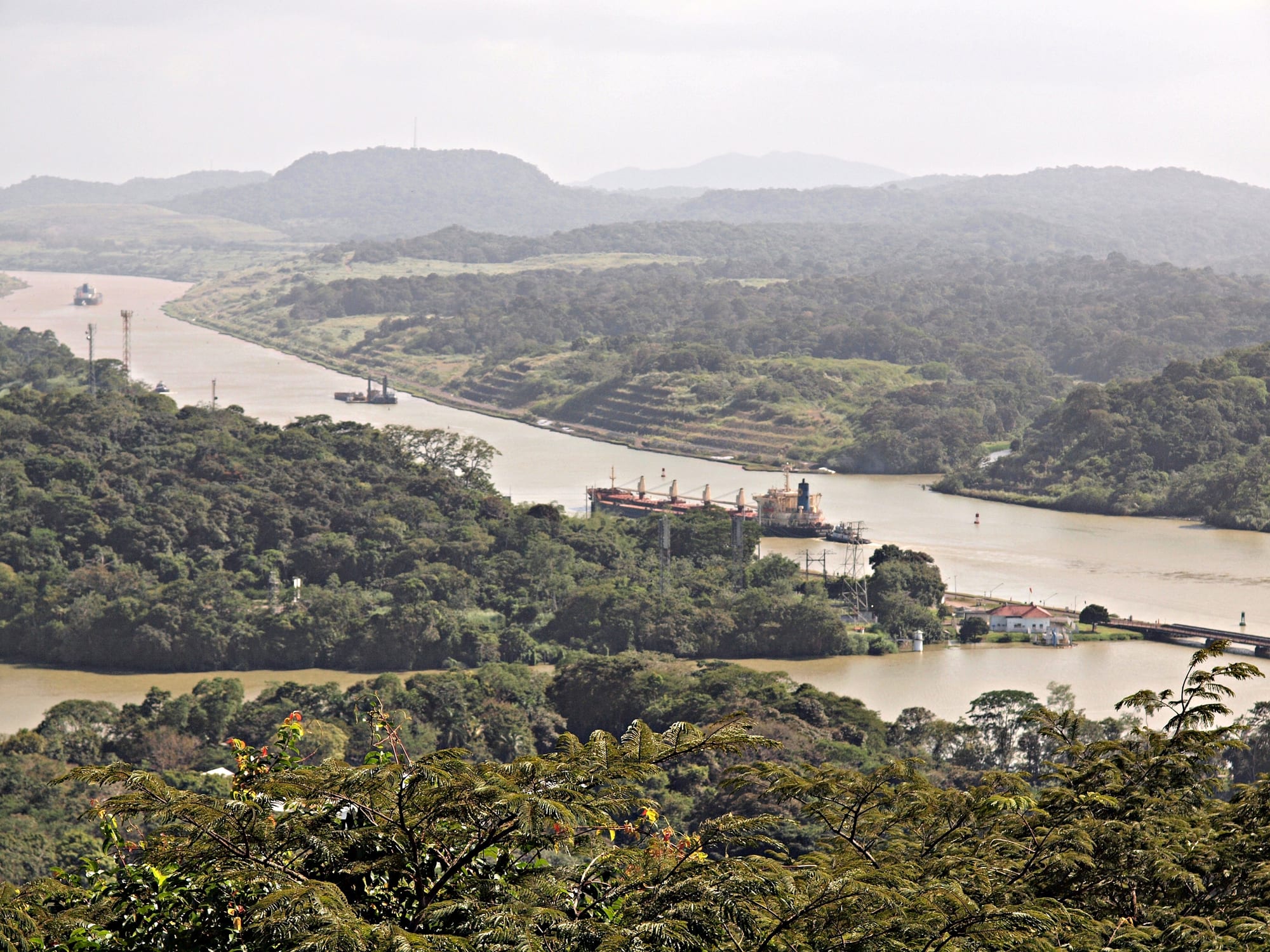
Both failures and successes are still visible. Ships rise and fall at the Miraflores and Agua Clara visitor centres, and the Culebra Cut through the mountains, called the Gaillard Cut from 1915 to 2000 after the engineer David Gaillard, who died before the canal opened, still follows the line where French and American crews dug. The Afro-Antillean community of Panama descends in large part from the West Indian workers who did much of the digging.