History
Before the Spanish, the isthmus was home to Indigenous chiefdoms, those in the east speaking the Cueva language. Pedrarias Dávila founded Panamá in 1519 on the Pacific shore, and it became the transit point for Peruvian silver, carried across the isthmus on mule trails and river boats to Nombre de Dios and, from 1597, to Portobelo, where great trade fairs met the treasure fleets. The wealth drew raiders: Henry Morgan took Portobelo in 1668, the San Lorenzo fort at the Chagres River in 1670 and Panamá itself in 1671, when the city burned. It was rebuilt in 1673 on a defensible peninsula, today's Casco Viejo, and the ruins of the first site became Panamá Viejo.
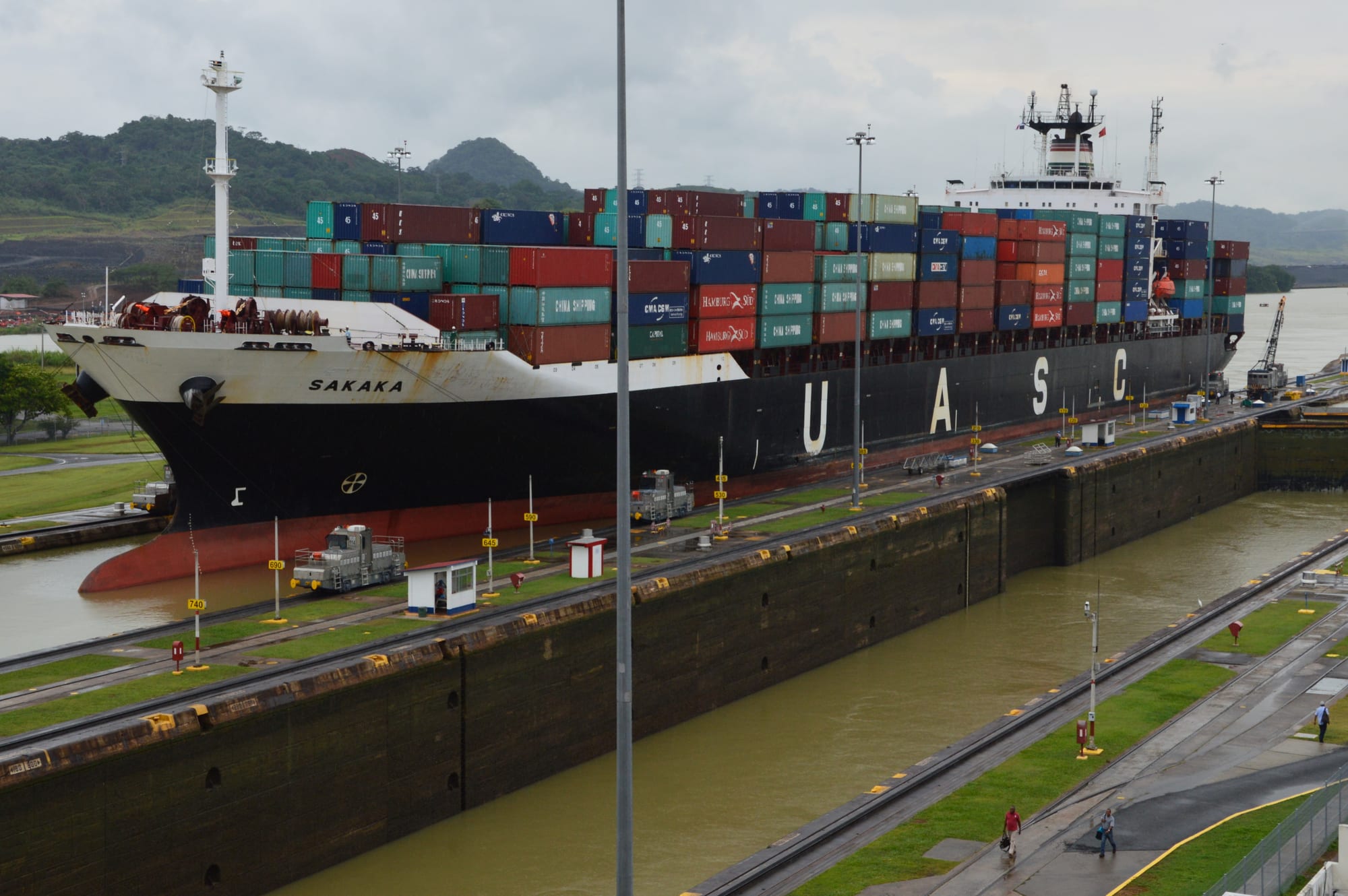
The California Gold Rush brought the Panama Railroad, completed in 1855, and with it the new Caribbean terminus of Colón. Ferdinand de Lesseps's French canal company failed in the 1880s, and after Panama's secession from Colombia in 1903 the United States built the canal between 1904 and 1914, damming the Chagres to form Gatún Lake and cutting through the continental divide at Culebra. The Canal Zone, a US-run strip on both banks, divided the region for most of the century; the Flag Riots of January 1964 began at its edge.
In December 1989 the US invasion to remove Manuel Noriega was fought largely here, and fighting and fires destroyed much of the El Chorrillo neighbourhood. The canal passed to Panama on 31 December 1999, and the former Zone's bases and housing were absorbed into the city. A third set of locks, at Agua Clara and Cocolí, opened in 2016. Panamá Oeste was split from Panamá province in 2014, and in late 2023 mass protests over the contract for the Cobre Panamá copper mine in Colón province ended when the Supreme Court declared it unconstitutional and the mine was closed.