History · United States
Why did Chicago reverse its river?
Chicago drank from the same lake its sewage flowed into, so in 1900 engineers cut through a low ridge and sent the river backwards, towards the Mississippi.
By Globeway Editorial · 13 October 2026
The short answer
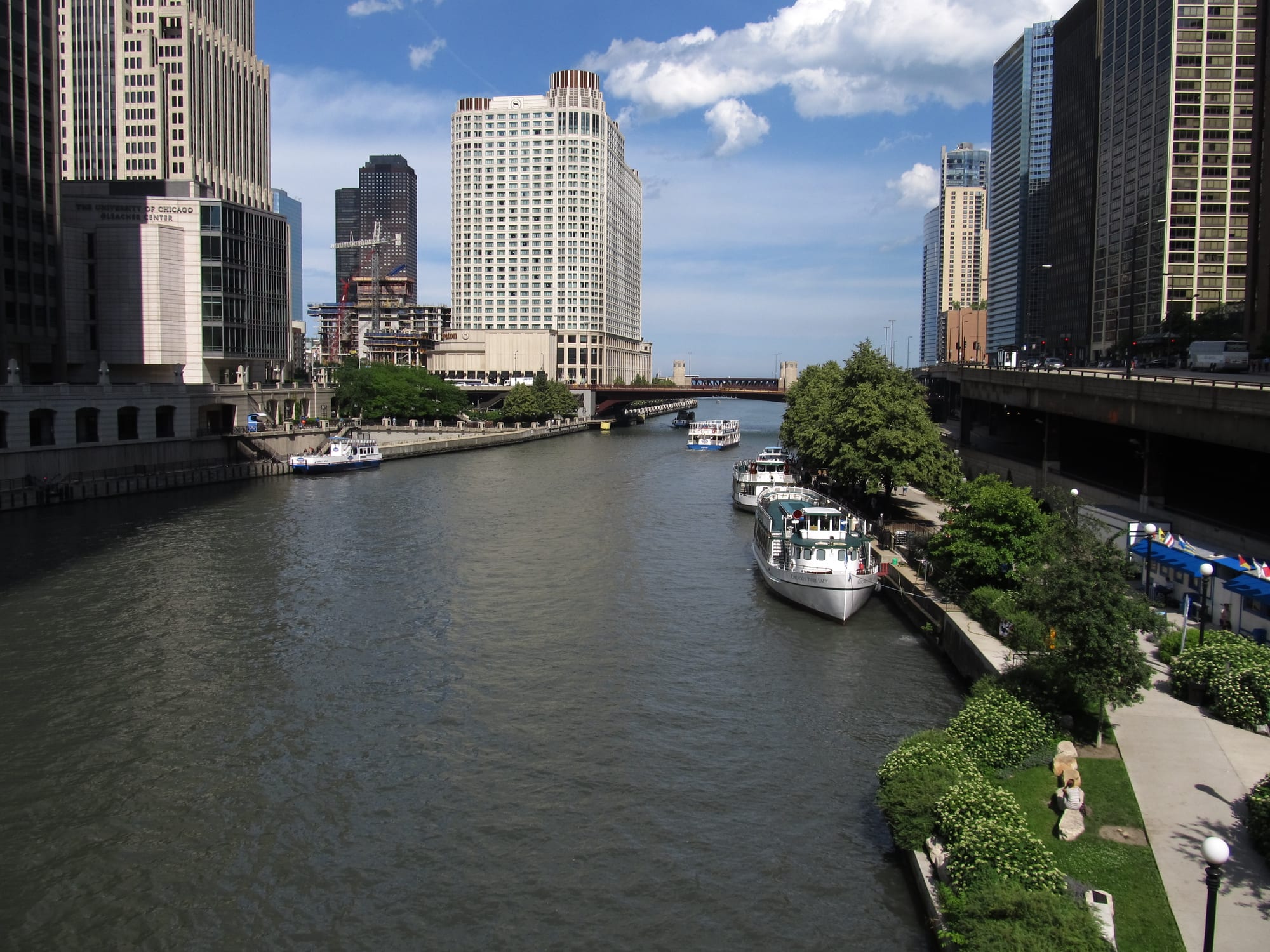
Chicago reversed its river to protect its drinking water. The city takes its water from Lake Michigan, and in the 19th century its sewers emptied into the Chicago River, which flowed into that same lake. Sewage drifted towards the water intakes, and the city suffered outbreaks of cholera and typhoid fever, diseases spread by contaminated water. Moving the intakes further out into the lake did not solve the problem.
So the city made the river run the other way. The Sanitary District of Chicago, created in 1889, dug the Chicago Sanitary and Ship Canal through the low ridge that separates the Great Lakes from the Mississippi basin. When it opened in January 1900, water from Lake Michigan began flowing into the river and out through the canal, carrying the city's wastewater away from the lake, down the Des Plaines and Illinois rivers towards the Mississippi and, eventually, the Gulf of Mexico.
A city that drank its own sewage
The problem began with geography. At the end of the last ice age the area was covered by a glacial lake that drained south to the Mississippi Valley. As the water retreated it left a low ridge, only 12 to 14 feet high, that separates the two great river systems. Native Americans crossed it by the Chicago Portage. The Chicago River, on the lake side of that divide, flowed sluggishly across a flat, marshy plain into Lake Michigan.
As Chicago boomed, that plain became a health hazard. Water could not drain, and in the summer of 1849 a cholera epidemic killed 678 people, 2.9 percent of the population. Another in 1854 killed 1,424. In 1855 the Illinois legislature created a Board of Sewerage Commissioners, which hired the engineer Ellis S. Chesbrough. His solution was the first comprehensive sewer system in the United States, laid above the old ground level, after which the city's buildings were jacked up by as much as ten feet to sit on top of it.
The sewers worked, but they emptied into the river, and the river emptied into the lake. In the 1860s the city dug a tunnel two miles out under Lake Michigan to a new intake crib, to draw cleaner water far from shore. In time the sewage reached that too.
The first attempt, and the 1885 scare
The first reversal came in 1871. The Illinois and Michigan Canal, opened in 1848 to link the Chicago River with the Illinois River, was deepened so that it would pull the river's water westward. It worked for one season. The canal could carry water away only in dry weather; in heavy rain the Des Plaines River flooded into it and the flow ran back into the lake.
In 1885 a tremendous storm washed refuse from the river far out into Lake Michigan, and residents feared it would reach the water intakes. A well-known story says that 90,000 people then died of cholera and typhoid. That never happened: records show no cholera deaths and only a slight rise in typhoid, and typhoid deaths never exceeded 1,000 in any year of the 1880s. The Chicago Tribune retracted its repetitions of the tale in 2005. The scare, though, was real, and in 1889 the state created the Sanitary District of Chicago to reverse the river for good.
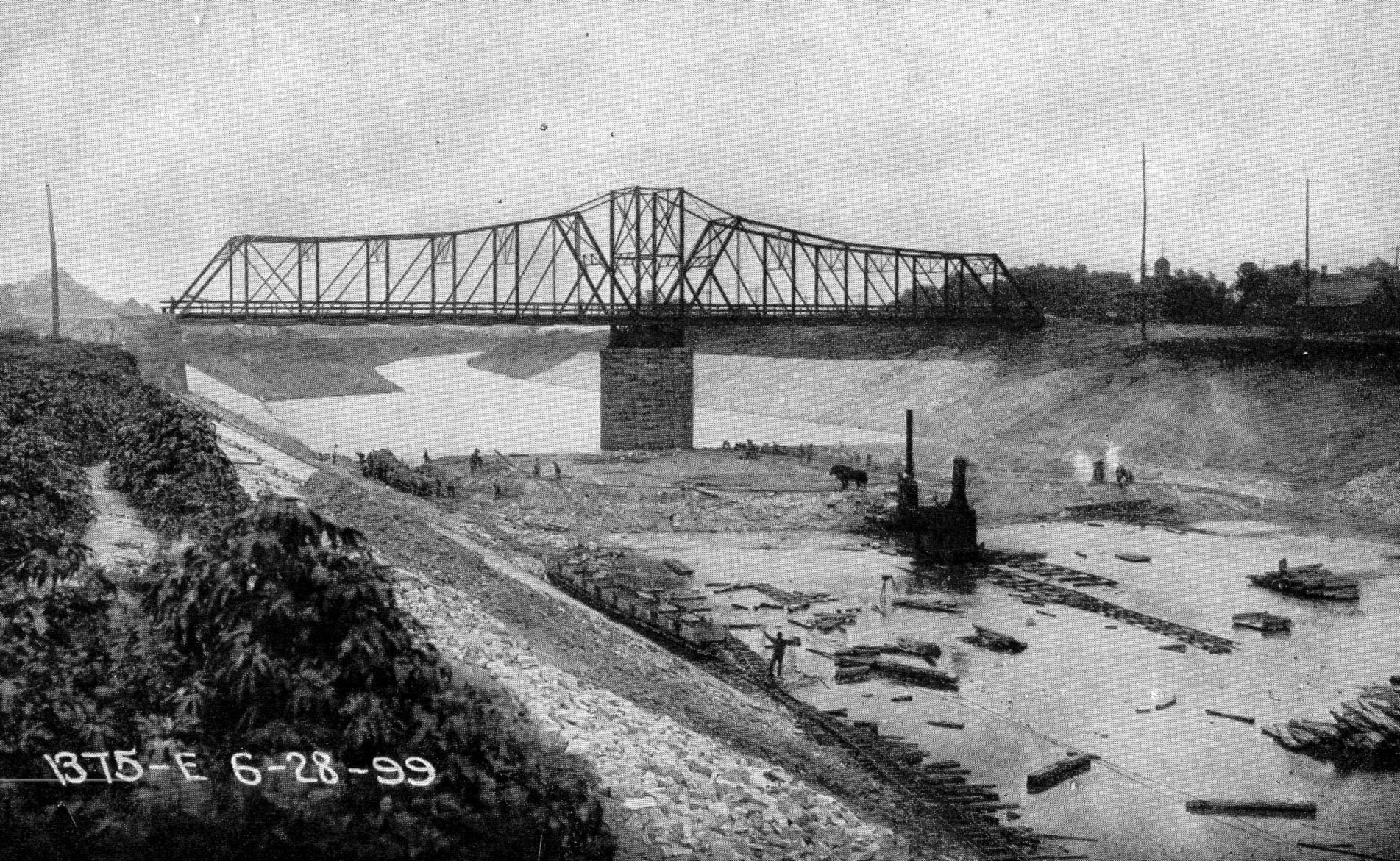
Digging the canal was the largest earth-moving operation undertaken in North America up to that time.
Cutting through the divide
Work on the new canal ran from 1892 to 1900. It was a hard, sometimes violent job: in June 1893 about 2,000 quarrymen and canal workers struck against a wage cut, the National Guard was called out, and at least five people were killed. Under chief engineer Isham Randolph the project went on, and it trained a generation of engineers, many of whom later worked on the Panama Canal.
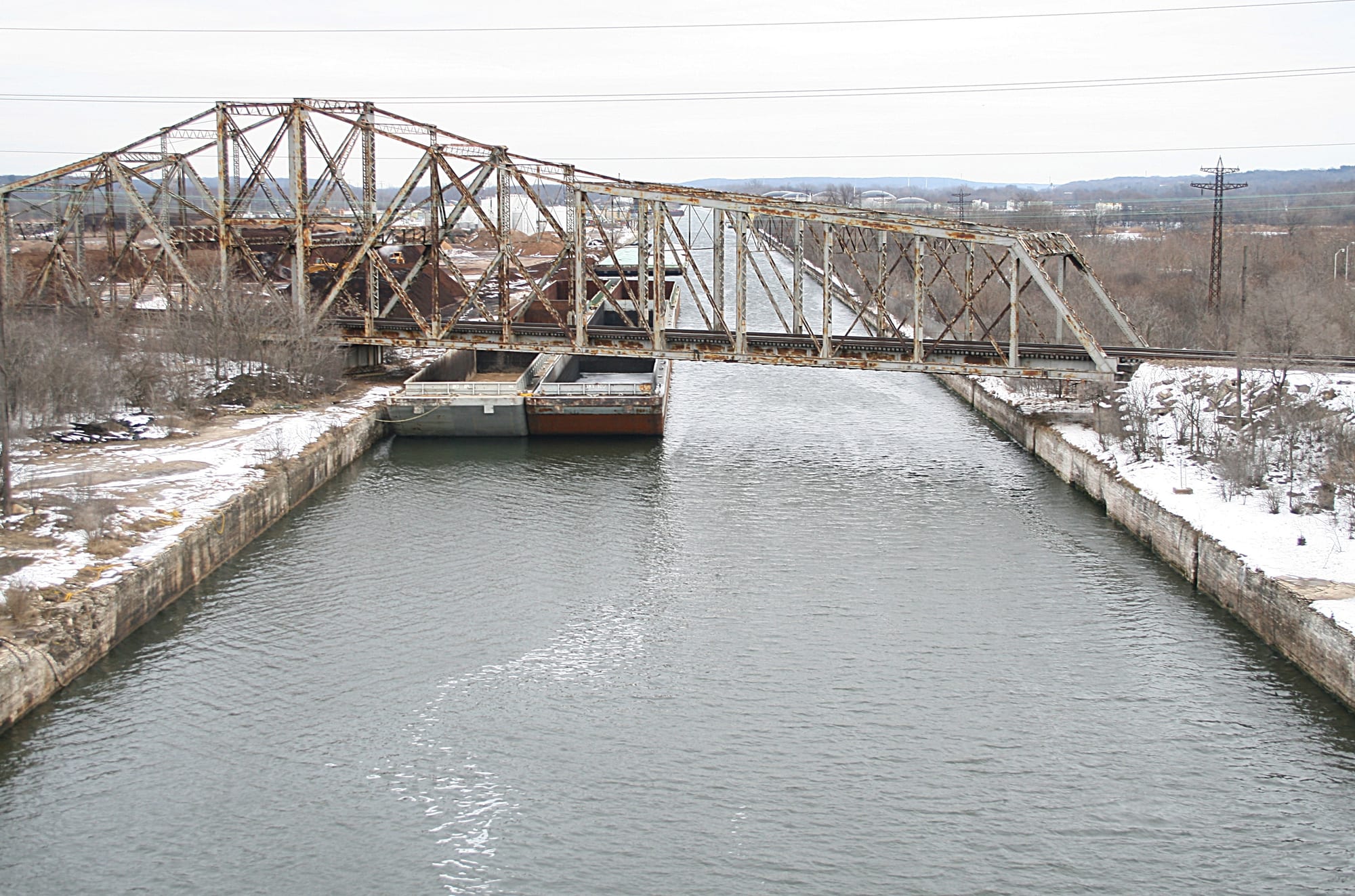
The canal linked the South Branch of the Chicago River to the Des Plaines River at Lockport. It opened on 2 January 1900, hurried into service ahead of an attempt by Missouri, downstream on the Mississippi, to get a court order stopping it; the full flow was released on 17 January. The main stem and South Branch of the river now ran backwards, away from the lake. The canal was later extended to Joliet, and two more channels, the North Shore Channel in 1910 and the Calumet-Saganashkee Channel in 1922, extended the system to the north and south. In 1999 the American Society of Civil Engineers named the system a "Civil Engineering Monument of the Millennium".
Taking water from the Great Lakes
Reversing a river means borrowing a lake. The canal works by drawing water out of Lake Michigan, and other states and Canada worried about its effect on the level of the Great Lakes. Litigation began in 1907 and reached the US Supreme Court, which ruled in 1925 and again in Wisconsin v. Illinois in 1929. From 1930 the US Army Corps of Engineers managed the canal and cut the flow. Today Chicago may take 3,200 cubic feet of water per second from the Great Lakes, under a Supreme Court decree of 1967 modified in 1980 and 1997; about half goes down the river and the rest is used for drinking water.
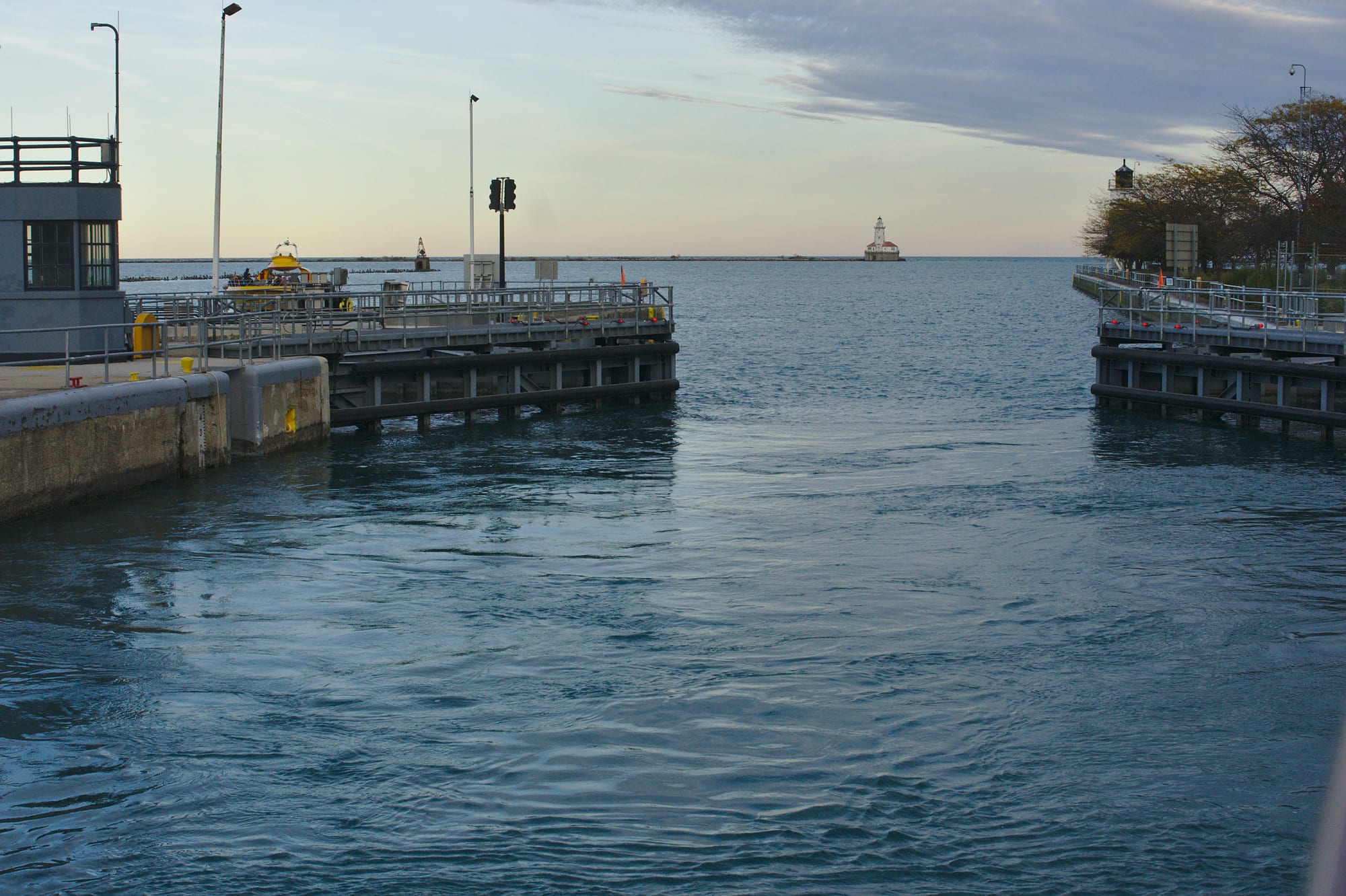
Water enters the river through sluice gates at the lakefront, and boats pass between river and lake through the Chicago Harbor Lock, built in the 1930s. The reversal is not quite complete: in winter, denser water near the riverbed can still flow towards the lake while the surface flows away from it.
What the reversal still means
By joining two great watersheds, the canal also opened a path for invasive species. Silver and bighead carp, known as Asian carp, have spread up the Mississippi system, and an electric barrier in the canal is meant to stop them reaching the Great Lakes. In 2009 Michigan asked the Supreme Court to close the canal; the court declined in January 2010, and some groups have proposed separating the two basins again.
The sewage problem has also been tackled at its source. The Sanitary District, renamed the Metropolitan Water Reclamation District of Greater Chicago in 1989, treats wastewater before it reaches the river, and since the mid-1970s it has been building the Deep Tunnel, a network of huge tunnels and reservoirs that store storm runoff and sewage until it can be treated. Its first phase, 109.4 miles of tunnels, was finished in 2006, and the system is due to be complete in 2032. The river once known locally as "the stinking river" has been cleaned up since the 1990s, and the south bank of its main stem has been developed as the Chicago Riverwalk.
- 1848: the Illinois and Michigan Canal links the Chicago River to the Illinois River
- 1849: cholera kills 678 people, 2.9 percent of the city
- 1855: Chicago begins the first comprehensive sewer system in the United States
- 1871: a deepened canal reverses the river for a single season
- 1889: the Sanitary District of Chicago is created
- 1900: the Sanitary and Ship Canal opens and the river flows away from the lake
- 1929: the Supreme Court rules in Wisconsin v. Illinois