History · United States
Why did Las Vegas rise in the middle of a desert?
Desert springs made it a railway water stop; Hoover Dam, legal gambling and postwar casino money turned the stop into a city of millions.
By Globeway Editorial · 13 October 2026
The short answer
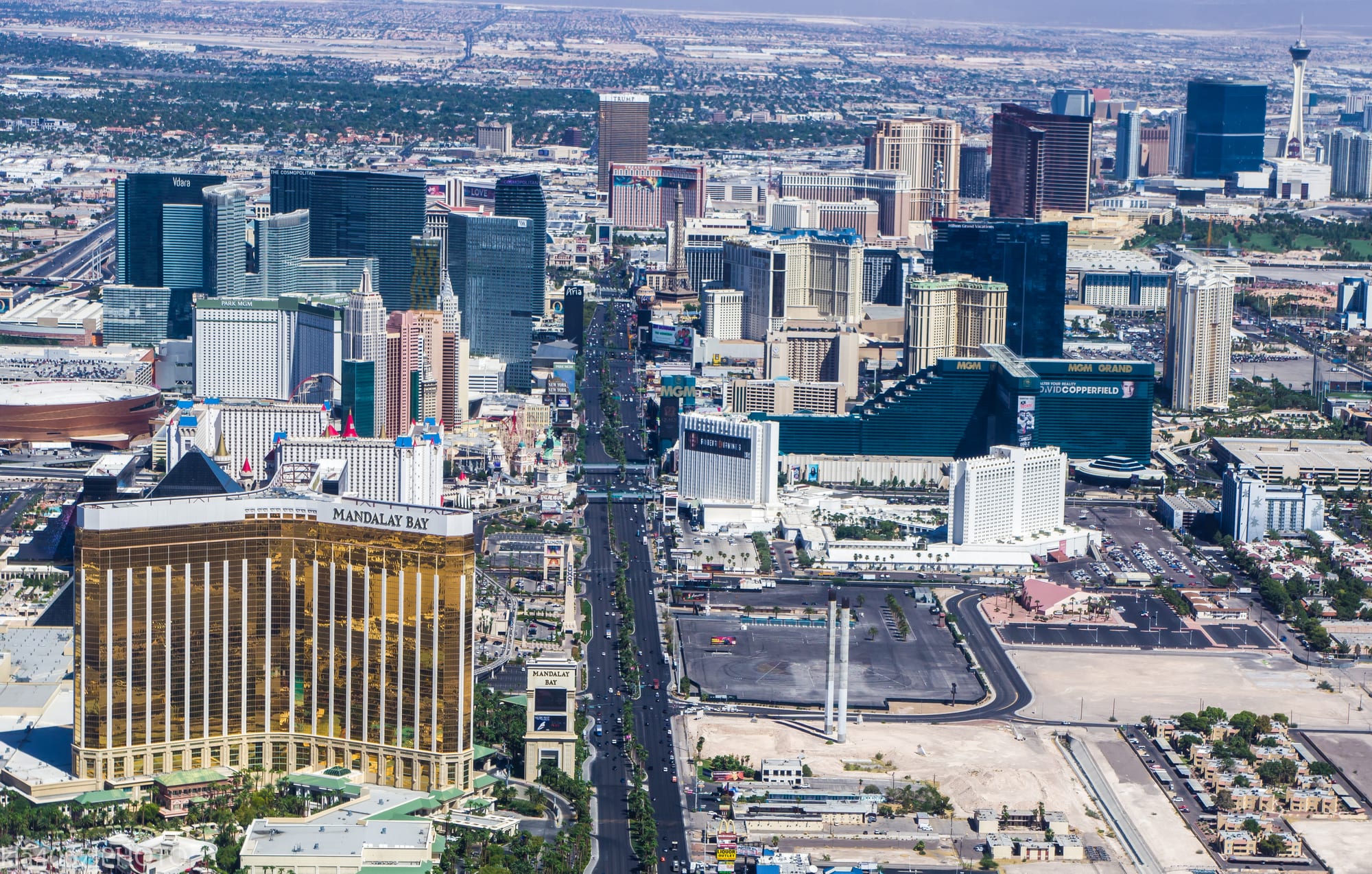
Las Vegas began where it did because of water. Springs in the Las Vegas Valley, in the Mojave Desert of southern Nevada, created grassy meadows in a land that gets only about 4 inches of rain a year; "las vegas" is Spanish for "the meadows". The springs made the valley a stopping place for travellers, and in 1905 a railroad between Salt Lake City and Los Angeles founded a town there as a water stop.
What turned that small railroad town into a giant was a run of federal money and Nevada law. Building Hoover Dam on the nearby Colorado River brought thousands of job seekers from 1931 and, later, electricity. That same year Nevada legalised casino gambling. After the Second World War, investors, some of them connected to organised crime, poured money into luxury resorts on a highway south of town, the future Las Vegas Strip. The result is a city of 641,903 people (2020 census) at the centre of a metropolitan area of about 2.4 million.
An oasis on the trail to California
For more than 15,000 years, springs broke through the desert floor here, creating meadows that Native Americans used for at least 5,000 years. In the 19th century the region was home to the Paiute. In 1829 a trade caravan of 60 men led by the New Mexican merchant Antonio Armijo, seeking a trade route to Los Angeles, came upon the valley, and travellers named it Las Vegas. The springs became a resupply point on what was known as the Old Spanish Trail, and the explorer John C. Frémont camped at them in 1844.
Settlement was hard. In 1855, 29 Mormon missionaries from Utah built an adobe fort near the creek and irrigated crops, but the summer heat, the difficulty of farming and quarrels among their leaders sent them home in 1857. Later owners turned the old fort into a ranch, which was sold in 1902 to a railroad company building a line across southern Nevada.
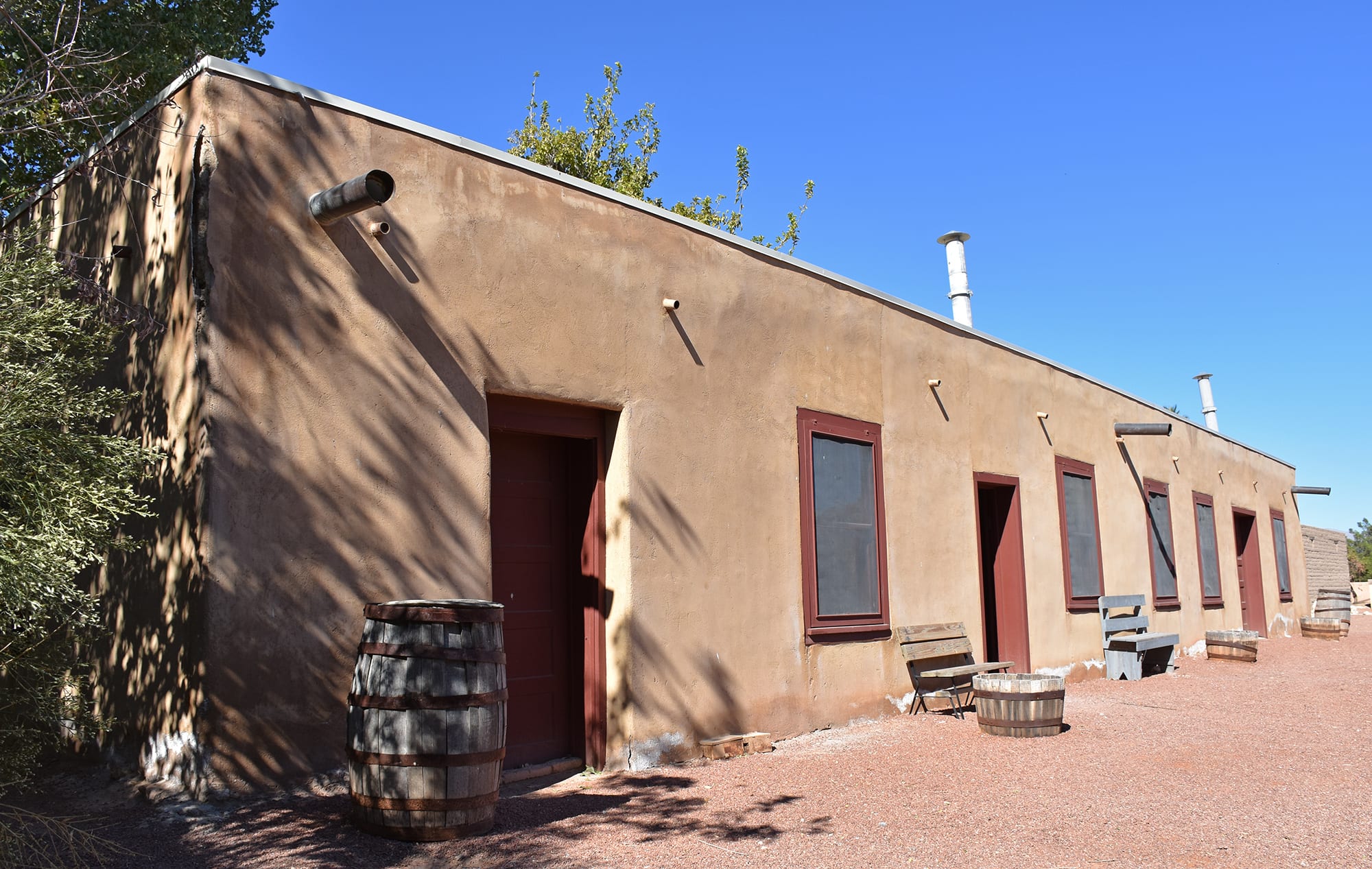
The building was remodelled and used by the federal Bureau of Reclamation from 1929 to 1931, while the government prepared to build Hoover Dam.
A railroad water stop
The San Pedro, Los Angeles and Salt Lake Railroad was completed in 1905, and on 15 May that year 110 acres of what became downtown Las Vegas were auctioned off, the city's official founding. The springs supplied water for the town and the trains; wells and pipelines soon followed. A second line, to the mining boom town of Bullfrog, made Las Vegas a junction, and it was incorporated as a city in 1911.
For two decades it stayed small. At midnight on 1 October 1910 Nevada became the last western state to outlaw gambling, and the town's railroad-based economy suffered when the Bullfrog line went bankrupt in 1917 and a national rail strike hit in 1922.
The dam and the casinos
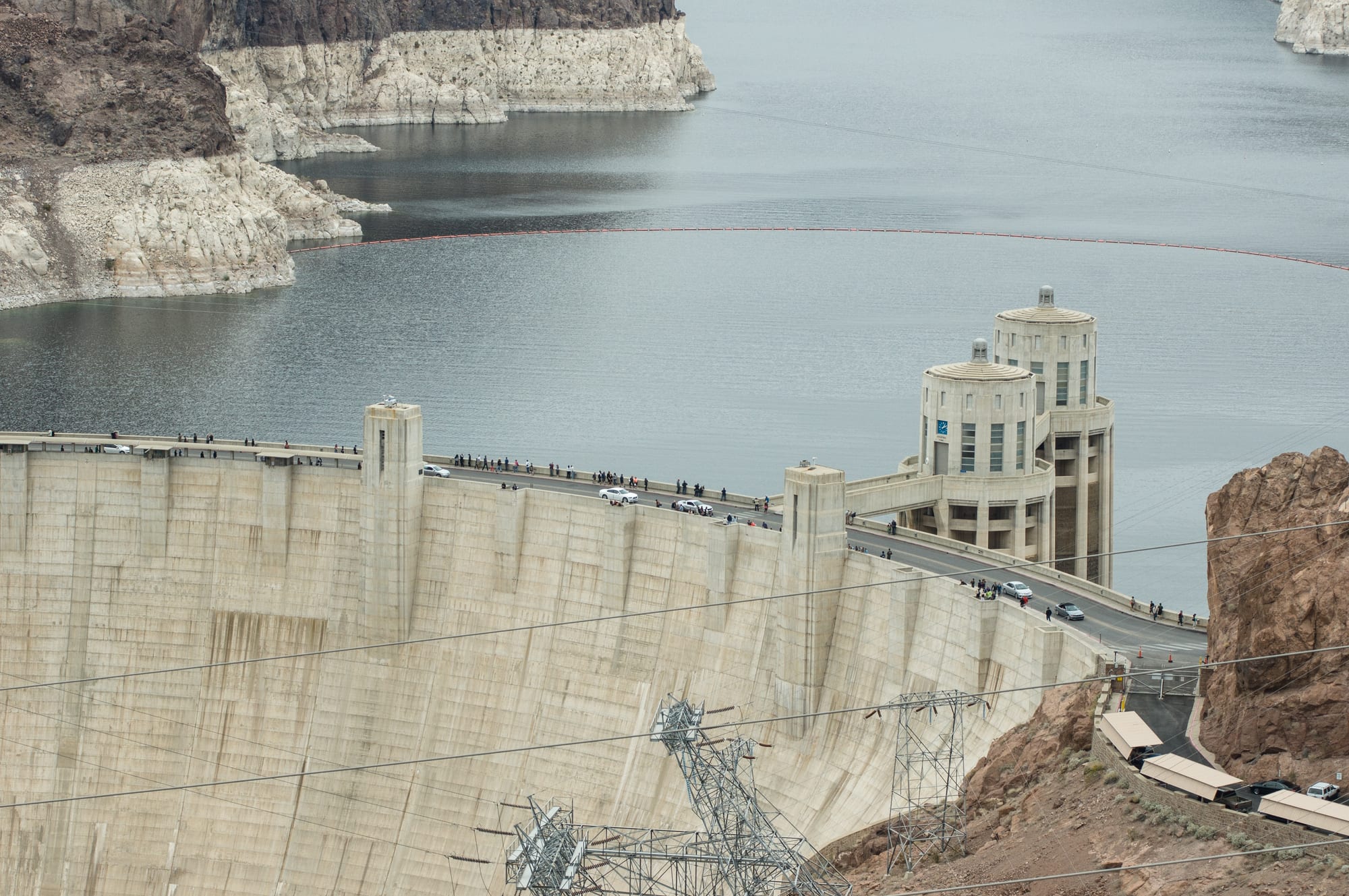
Everything changed in 1931. Work began that year on the dam later named for President Herbert Hoover, in Black Canyon on the Colorado River about 30 miles southeast of Las Vegas. Las Vegas, then a city of some 5,000 people, saw between 10,000 and 20,000 unemployed people arrive in search of work during the Great Depression. The government built a separate, controlled town, Boulder City, to house the workers, and restricted their trips to Las Vegas, but many still found their way to its bars and gambling dens.
In the same year Nevada legalised casino gambling and cut the residency needed for a divorce to six weeks. The county issued its first gambling licence to the Northern Club on Fremont Street, and other casinos followed. The dam was dedicated in 1935, at a cost of more than 96 lives. Two years later Las Vegas became the first customer of the utility supplying the dam's electricity, and the bright lights along Fremont Street earned it the nickname Glitter Gulch. The dam's reservoir, Lake Mead, and the dam itself drew tourists of their own.
The Strip and the mob
On 3 April 1941 the hotel owner Thomas Hull opened El Rancho Vegas, the first resort on what became the Las Vegas Strip. The Strip lies just outside the city limits, in the unincorporated towns of Paradise and Winchester. That year the US Army also opened a gunnery school nearby, later Nellis Air Force Base.
In 1946 the gangster Bugsy Siegel, with help from Meyer Lansky, built the Flamingo. It lost money at first, and Siegel was shot dead in 1947, but other backers saw the potential of a state where casinos were legal. The Bank of Las Vegas began lending to casinos, and the Teamsters union's Central States Pension Fund, controlled by an associate of the Chicago mob, financed the Sahara, the Sands, the Riviera, the Fremont and the Tropicana. By 1954 over 8 million people a year were visiting. A US Senate committee concluded in 1950 that organised crime money was tied to the casinos, but the city's legal gambling drew trade away from illegal gambling centres elsewhere in the country.
The mob era faded after Nevada's Corporate Gaming Act of 1967 opened casinos to corporate owners. In 1989 Steve Wynn's Mirage, financed with Wall Street bonds, began the age of the megaresort. Between 1990 and 2000 the city's population rose by 85.2 percent, and by the end of the century Las Vegas was the most populous North American city founded in the 20th century. In 2023 it drew more than 40.8 million visitors.
Water, still the question
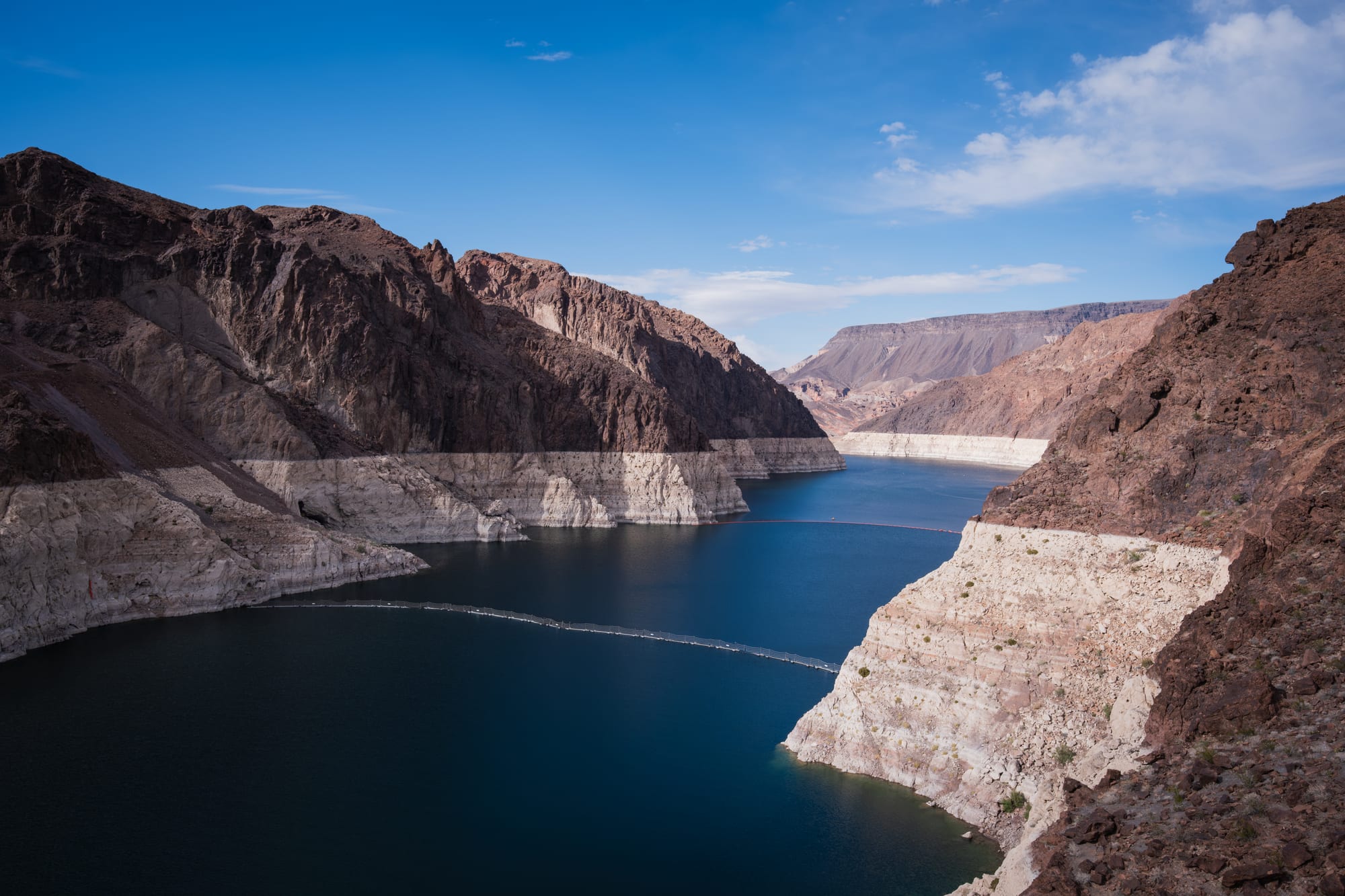
The springs that founded Las Vegas are gone. Wells drew down the water table, and the springs stopped reaching the surface in 1962; their site is now the Springs Preserve. Today southern Nevada gets nearly 90 percent of its water from the Colorado River, drawn from Lake Mead.
After a drought in 2002, residents cut their daily water use from 314 gallons per person in 2003 to around 205 in 2015, and the city encourages desert landscaping. Even so, use remains about 30 percent higher than in Los Angeles. As the lake dropped, nearly 1.5 billion dollars was spent on a new intake tunnel deep in Lake Mead so the city can keep drawing water from it. On 7 August 2026 the lake fell to its lowest level since it first filled, and by 31 August it stood at 1,038.83 feet above sea level. Heat adds to the strain: Las Vegas set a record high of 120°F on 7 July 2024.
- 1829: Antonio Armijo's caravan names the valley's meadows Las Vegas
- 1855: Mormon missionaries build an adobe fort by the springs
- 1905: the railroad arrives and town lots are auctioned on 15 May
- 1931: work begins on Hoover Dam and Nevada legalises casino gambling
- 1941: El Rancho Vegas opens, the first resort on the future Strip
- 1946: Bugsy Siegel opens the Flamingo
- 1989: the Mirage opens the era of the megaresort