History · Senegal
Why did Senegal's Gorée Island become a symbol of the slave trade?
A modest slaving post became a world memorial through a museum, a doorway facing the sea and one curator's passion, while historians disputed the numbers.
By Globeway Editorial · 13 October 2026
The short answer
Gorée really was part of the Atlantic slave trade. For roughly a century and a half, from the late 1600s to the early 1800s, Dutch and then French traders used this small island off the Cap-Vert peninsula, now part of Dakar, as a trading post, and enslaved Africans were shipped from it to the Americas. But it was never one of the trade's great ports. Most historians think the numbers leaving Gorée were modest, a few hundred a year at most, and that far more people were taken from Saint-Louis to the north, the Gambia to the south, and above all the coasts of modern Ghana, Benin and Angola.
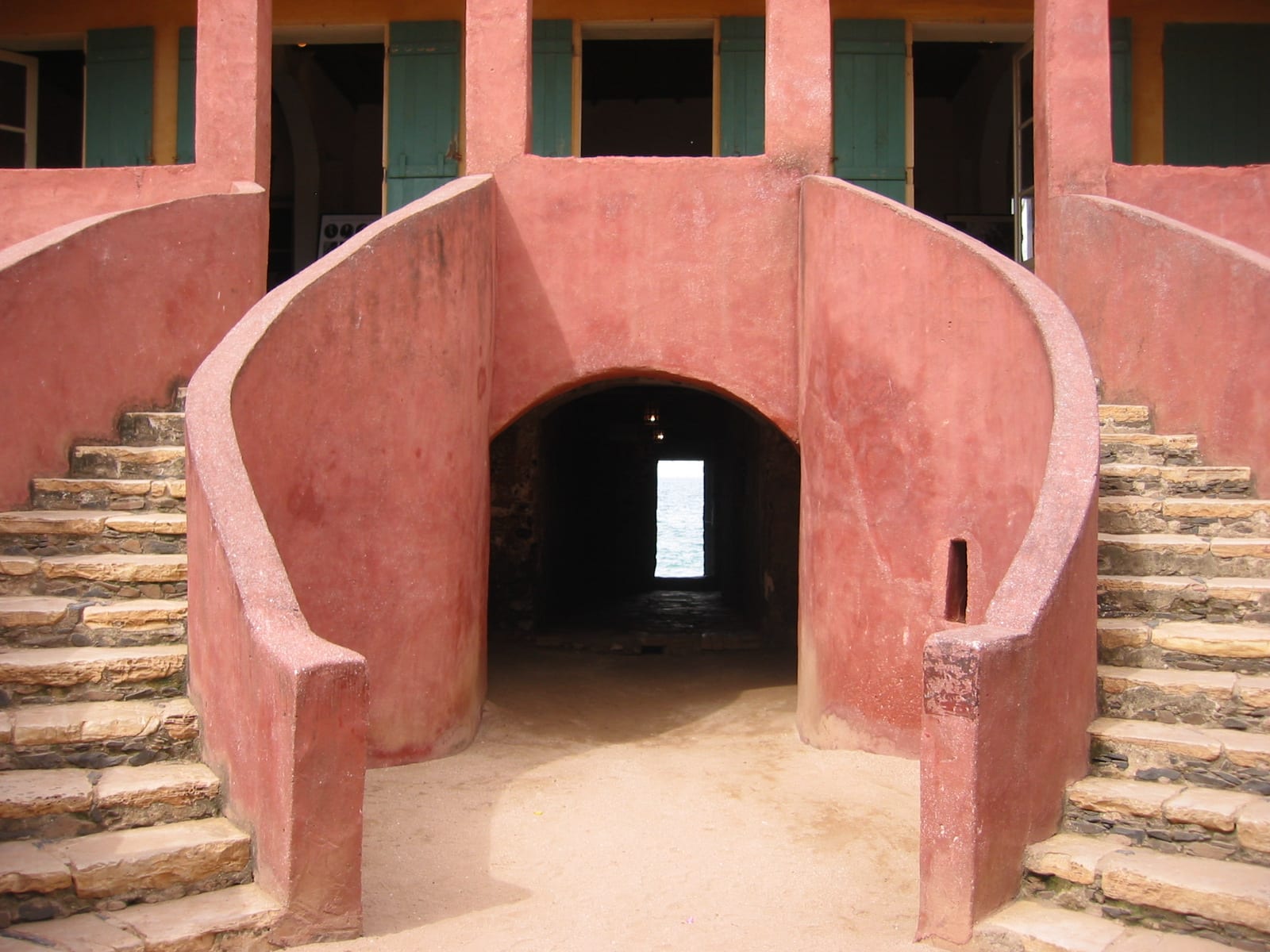
Gorée became the symbol because of what happened after the trade ended. In 1962, two years after Senegal's independence, an old merchant's house on the island was rebuilt and opened as the House of Slaves museum, with a narrow doorway facing the ocean presented as the Door of No Return. Its curator, Boubacar Joseph Ndiaye, told visitors with great force that vast numbers had passed through it. His tours, the state's backing, UNESCO's listing in 1978 and visits by a pope and by presidents turned the island into a place where people from Africa, Europe and the Americas come to remember all those who were taken.
A good anchorage off Cap-Vert
The island is tiny, about 900 metres long and 350 metres wide, and has almost no drinking water, so no one lived there permanently before Europeans arrived. The Portuguese reached it in 1444. The Dutch, who held it by the 1620s, called it Goeree, perhaps after an island at home or perhaps from goede reede, "good roadstead", a sheltered place for ships to anchor. That anchorage was its value. Gorée gave access to the trade of the whole coast south of Cap-Vert and the Gambia River, served as a warehouse and transfer point, and sat on the shortest route from Europe to the Caribbean. Many enslaved people were shipped from it to the Dutch colony of Curaçao in the 1660s and 1670s.
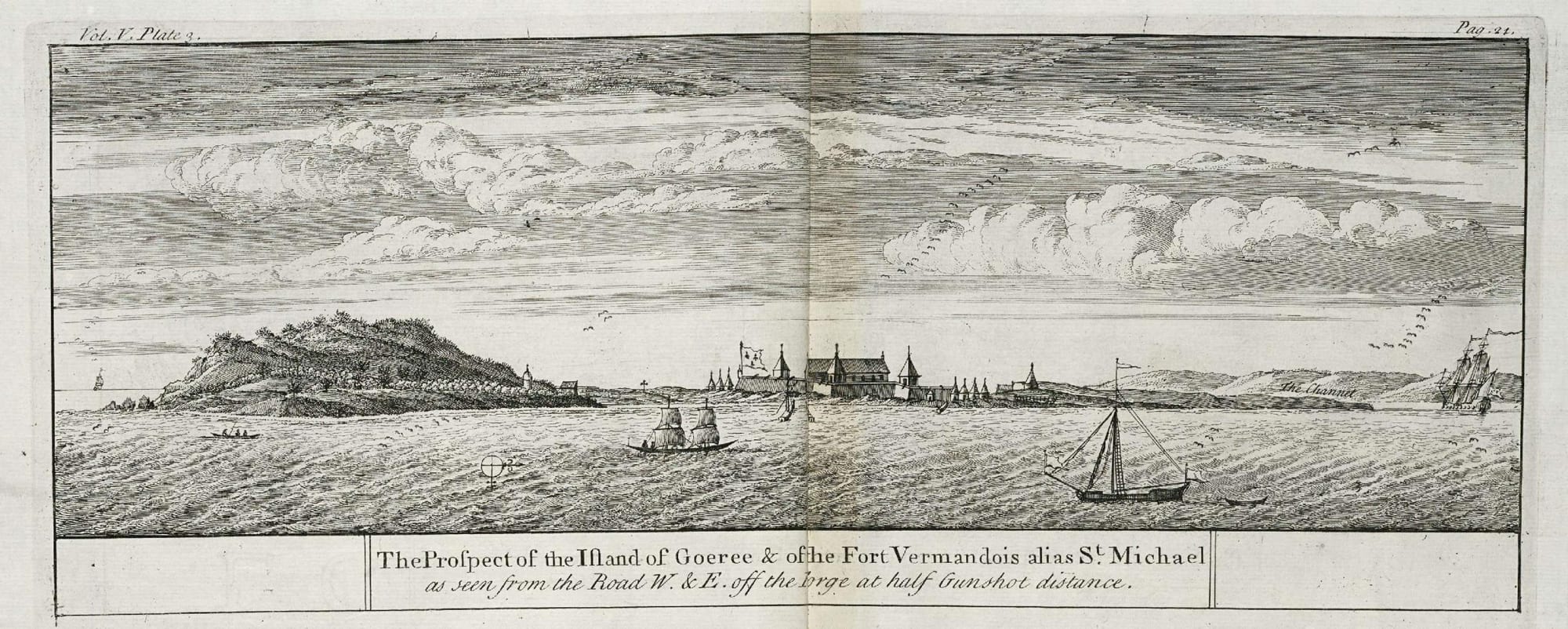
Because it mattered, it changed hands often. The English took it in 1663 and lost it again; a French fleet captured it in 1677, and it remained mainly French until 1960, apart from spells of British occupation during the wars between the two powers. Under French rule it was a trading post attached to Saint-Louis, the capital of the colony, dealing in beeswax, hides and grain as well as people.
An island of merchants and signares
Life on Gorée in the 18th century was more complicated than the image of a single great slave prison suggests. Its population swung between a few hundred and about 1,500, and there were few Europeans at any one time. A community of mixed African and European merchants grew up there, led in business by the signares, wealthy women of African and European descent who owned ships, houses and enslaved people. A large share of the island's people were enslaved. Census records suggest most of them were domestic slaves who worked on the island rather than captives awaiting export, and a segregated area known as the Bambara quarter appears to have housed many of them.
The house now called the House of Slaves was built in the late 18th century for Nicolas Pépin, brother of the signare Anne Pépin; his daughter Anna Colas Pépin lived in it in the early 19th century. The Pépin family owned ships and took part in the slave trade, and the house was used to hold enslaved people, some of them in the basement cells now shown to visitors. Conditions were harrowing, and families were split up.
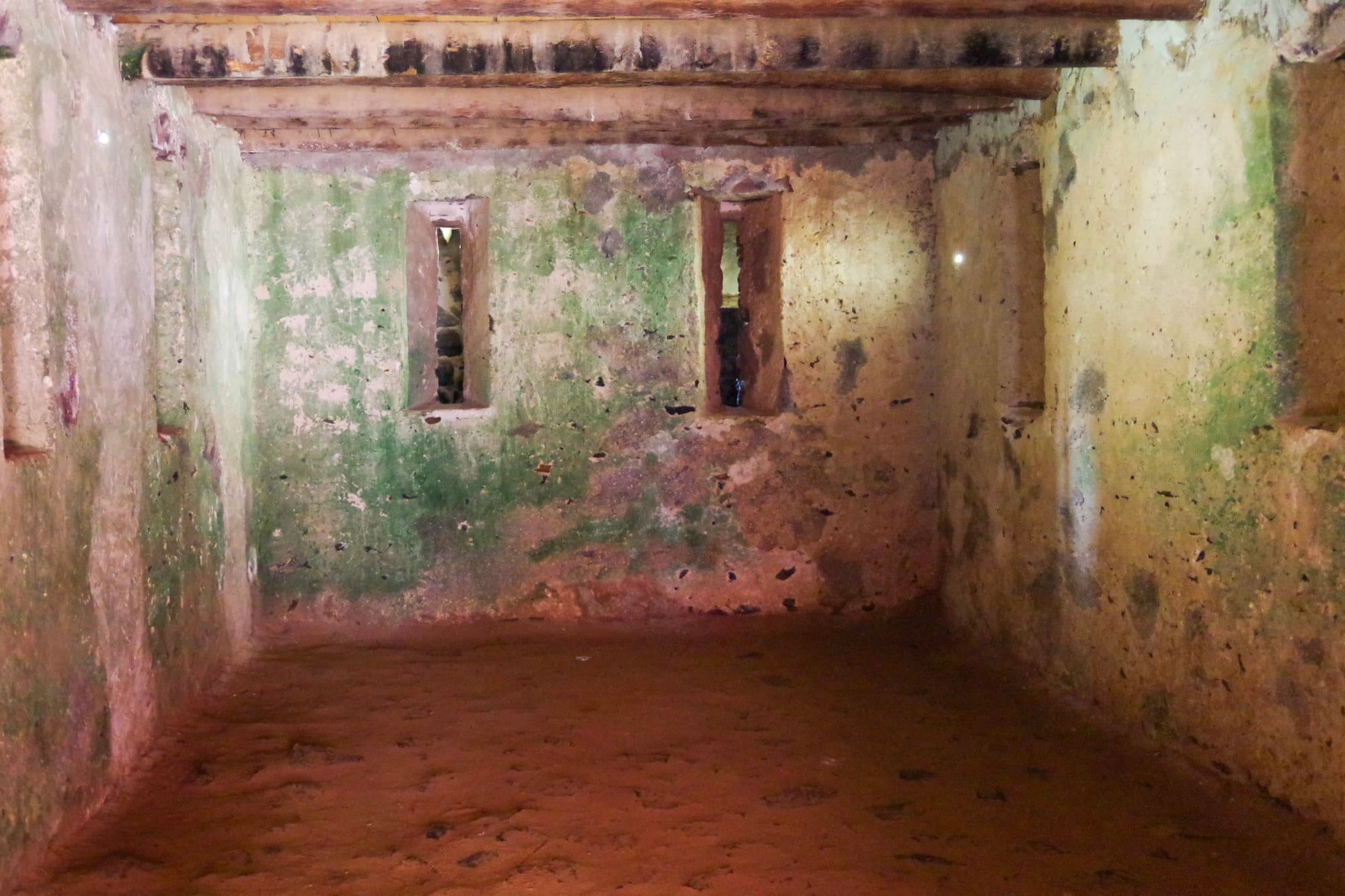
Yet the house came late. The slave trade from Senegal declined in the 1770s and 1780s, and Gorée turned to what was called "legitimate" commerce in peanuts, gum arabic and ivory. France abolished slavery in 1794, and in 1815 Napoleon abolished the slave trade for good. Archaeologists working on the island have found little physical evidence of large-scale export from the house itself, though a street called the Rue des Dongeons has dungeons clearly linked to holding captives for export.
The making of a memorial
The memorial was the work of one man and of a new nation. Boubacar Joseph Ndiaye (1922–2009) championed the idea that Gorée, and this house, had been a keystone of the slave trade to the Americas. He led tours through the basement cells and out to the Door of No Return, held up iron shackles of the kind used to bind captives, and spoke of more than a million people passing through the doorway. President Léopold Sédar Senghor's government backed the project, and in 1967 he thanked Ndiaye for his contribution to the country's cultural and tourist development.
Alex Haley's novel Roots, published in 1976, sent a wave of African American visitors in search of their heritage, and the House of Slaves became a focus of often deeply emotional pilgrimages. In 1978 Gorée was among the first twelve places in the world inscribed as UNESCO World Heritage Sites, and the house was restored with UNESCO's help in 1990. Pope John Paul II spoke on the island in February 1992 of the shameful trade in Black men, women and children in which baptised Christians had taken part. Nelson Mandela, visiting in 1997, stepped away from his tour to sit alone in a cell for five minutes. Barack Obama went through the door in June 2013. Around 200,000 people a year visit the museum.
What historians say about the numbers
The figures given at the house have been fiercely disputed. In 1969 the historian Philip D. Curtin estimated that forced shipments from Gorée ran from about 1670 to about 1810, never more than 200 to 300 people a year even in busy years, and none at all in others. He counted 180,000 enslaved Africans carried from all the French posts in Senegambia between 1711 and 1810, most from Saint-Louis and from James Fort in what is now the Gambia, and argued that a doorway built in the late 1770s came too late in the trade to matter much. Other researchers have suggested that the real point of departure was a fort on the beach about 300 metres away.
In the 1990s a critique in the French newspaper Le Monde put the trade through Gorée at no more than 500 a year, and Senegal as a whole at around 4 to 5 per cent of all Africans shipped to the Americas. Senegalese and European researchers met at the Sorbonne in 1997 to debate "myths and realities". Defenders reply that Curtin did not count those who died after capture or at sea, and UNESCO has described Gorée as the largest slave-trading centre on the African coast from the 15th to the 19th century. Critics answer that the claims made at the house, which reached as high as 15 or 20 million people, were exaggerated, partly to draw visitors.
A symbol larger than the island
Even historians who think Gorée was marginal to the trade accept it as an important memorial, standing in for ports in Ghana, Benin and elsewhere where far more people were taken. Many visitors, especially descendants of enslaved Africans, describe deeply emotional reactions to the cells and the door that looks out over the Atlantic.
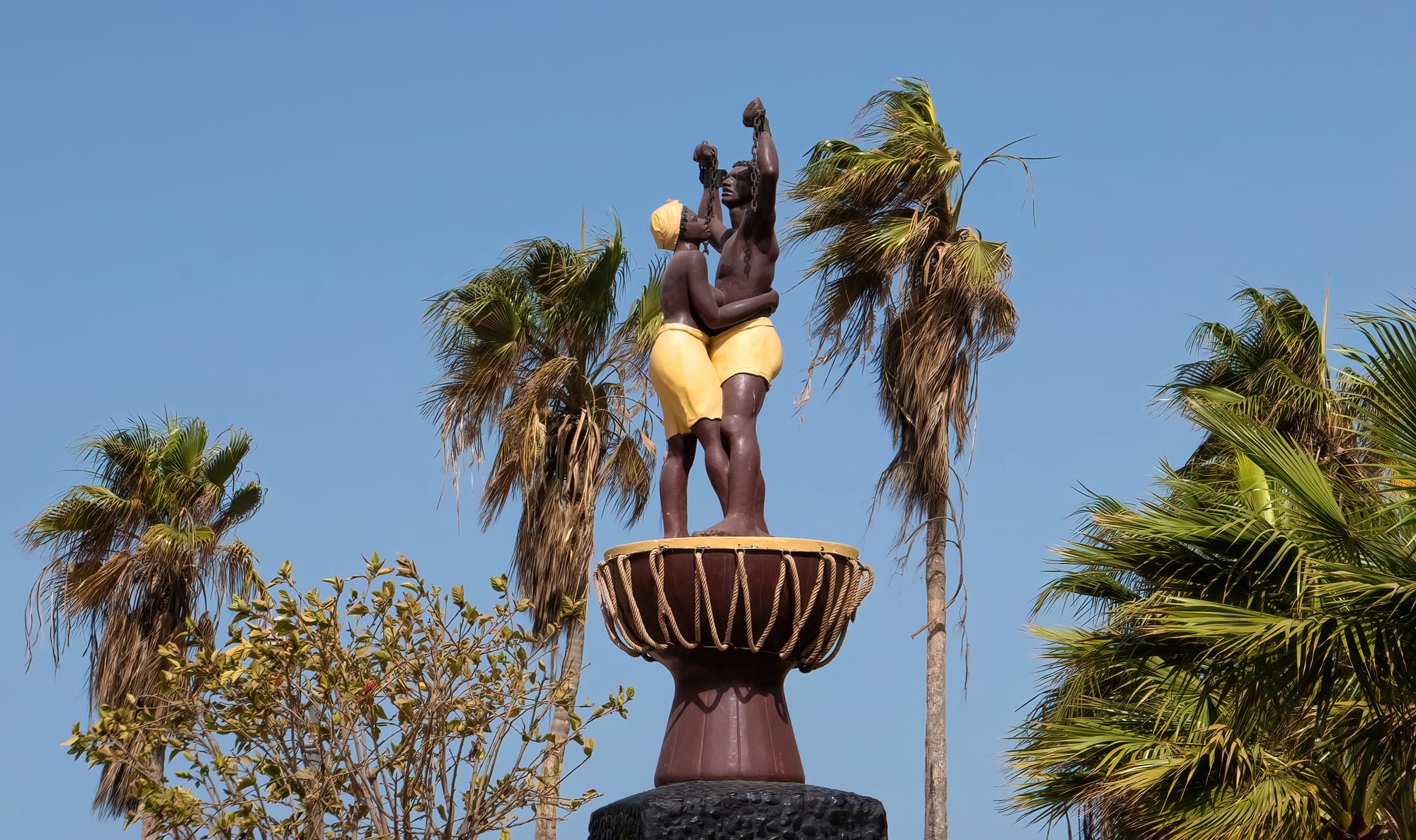
Gorée is reached by a short, pedestrian-only ferry from Dakar, and there are no cars on the island, which had 1,680 inhabitants at the 2013 census. Many of its old merchants' houses are now restaurants and hotels. Since 1985 the Dakar-Gorée swim has honoured those enslaved people who tried to swim to freedom.