Culture & Customs · Spain
Why do hundreds of thousands of people walk the Camino de Santiago every year?
A medieval pilgrimage to the tomb of the apostle James, revived in the late 20th century, now draws believers, hikers and seekers alike to Galicia.
By Globeway Editorial · 13 October 2026
The short answer
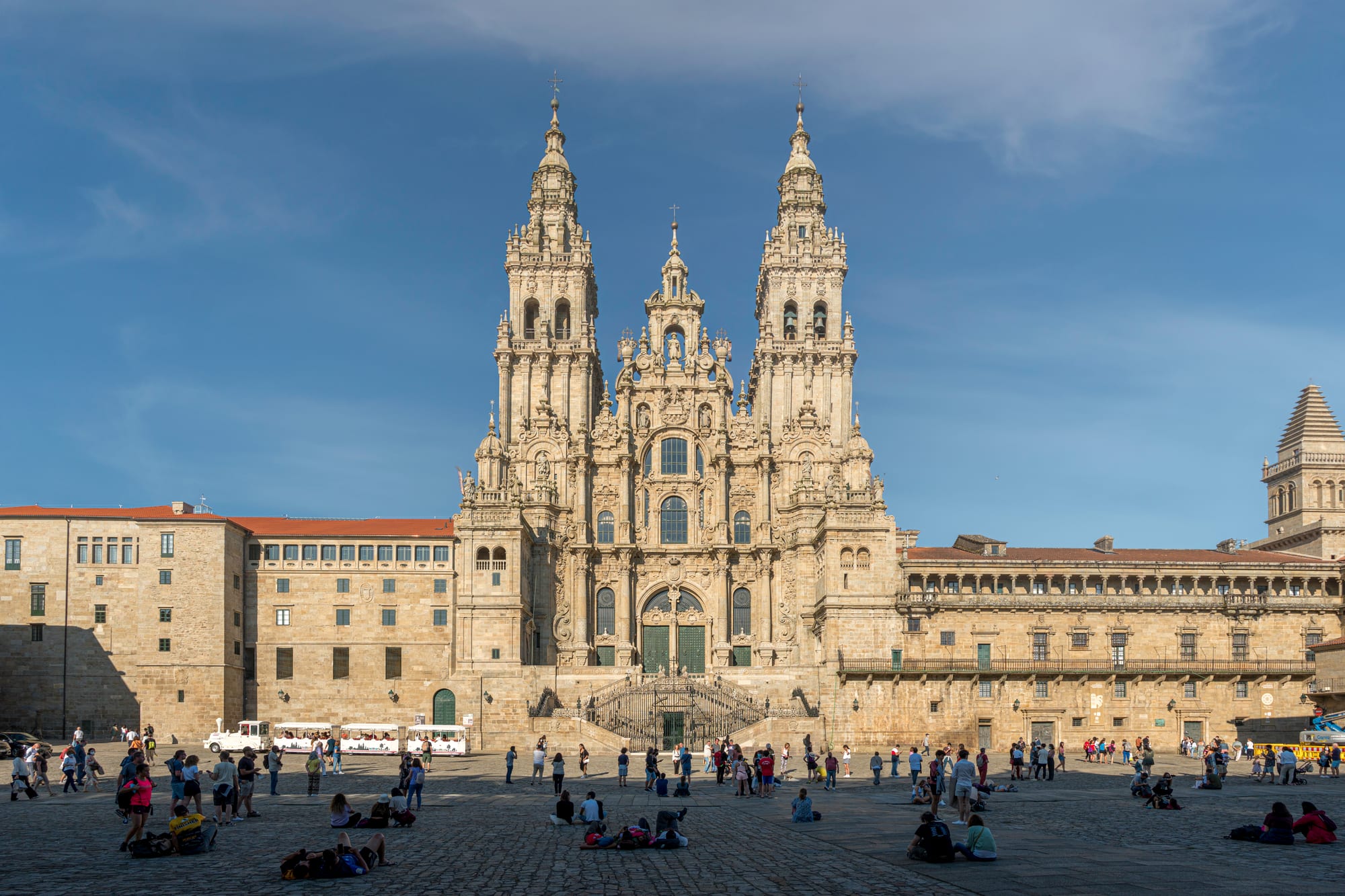
The Camino de Santiago, the Way of St James, is a web of pilgrim routes across Spain, Portugal and France that all end at the cathedral of Santiago de Compostela in Galicia, where tradition holds that the apostle James is buried. It was one of the most important Christian pilgrimages of the later Middle Ages, ranked by a pope alongside Jerusalem and Rome as one of the "three great pilgrimages of Christendom", and people walked it for months to pray at the tomb, to do penance or to earn forgiveness of their sins.
The pilgrimage almost died out and was revived only in the 20th century, helped by books, regional promotion and its listing as a World Heritage route. Today it draws a mix of believers, hikers and people looking for time to think. Many walk just the last 100 kilometres, which is enough to earn a certificate of completion. Hundreds of thousands of pilgrims now reach Santiago every year, more than ever before.
The apostle in the field of the star
James, one of the twelve apostles, was executed "by the sword" on the orders of King Herod, according to the New Testament, probably in AD 44. Legend says his body was carried by boat from Judaea to north-west Spain and buried there by his disciples. According to the cathedral's own tradition, in 814 a hermit named Pelagius saw strange lights in the night sky above the Libredón forest. The local bishop, Theodemir of Iria, declared the tomb found and told King Alfonso II of Asturias and Galicia, and a first church followed in 829.
Popular legend links the city's name to that moment, reading Compostela as Campus Stellae, "the field of the star". James became the patron saint of Spain, and later legends said he appeared on horseback to fight for the Christian armies against the Moors, earning him the name Santiago Matamoros, St James the Moor-slayer. The present cathedral was begun in 1075 and consecrated in 1211.
The great road of the Middle Ages
Visits to the shrine are recorded from the 9th century. Pilgrims from beyond the Pyrenees arrived by the middle of the 11th century, and by the 12th century large numbers came from abroad every year. Its great champion was Pope Callixtus II, who started the Compostelan Holy Years. A manuscript compiled around 1140, the Codex Calixtinus, served as the first guidebook, describing four routes from France that met at Puente la Reina and one road on to Compostela, along with the works of art to see and the customs of the local people.
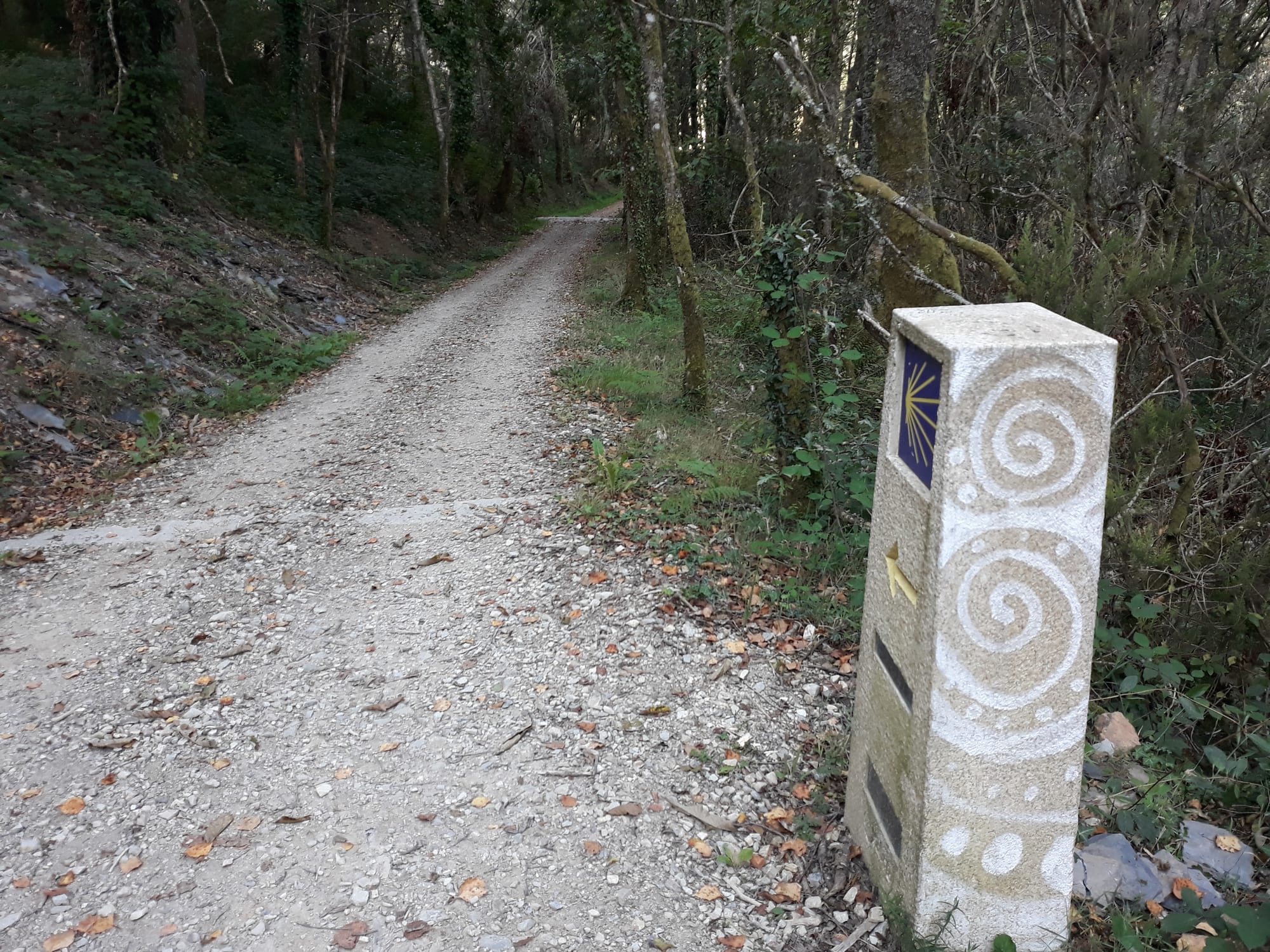
The scallop shell, found on Galician shores, became the badge of the pilgrimage. In the Middle Ages it was carried home as proof of having completed the journey; today it marks the way and is worn by pilgrims on the road.
Faith was the main reason to go. The Camino was a route on which a plenary indulgence, a full pardon for the punishment due for sins, could be earned, and long pilgrimages were imposed as penance for very serious sins. The registers of the Inquisition at Carcassonne list Compostela among the four great pilgrimages handed out for the gravest crimes. A chain of hospitals grew up to feed and shelter pilgrims, many of them poor, ill or robbed along the way, and Romanesque churches were built with massive archways to cope with the crowds.
Then it faded. The Black Death, the Protestant Reformation and political unrest in 16th-century Europe all cut the numbers.
How a medieval pilgrimage came back
Although many people imagine the Camino has been walked without a break since the Middle Ages, few modern pilgrimages date from before 1957, when the Irish scholar and traveller Walter Starkie published The Road to Santiago. Francisco Franco's government, keen to promote Spain's Catholic past, supported the revival. Paulo Coelho's The Pilgrimage followed in 1987, the same year the Council of Europe made the Camino its first Cultural Route. Galicia's regional government campaigned hard for the Holy Year of 1993, the French Way was added to the UNESCO World Heritage List that year, and numbers have risen steadily since.
The Camino through time
- 814
Discovery
By tradition, the hermit Pelagius finds the tomb of St James.
- c. 1140
Guidebook
The Codex Calixtinus describes the routes for pilgrims.
- 1589
Hidden
The relics are hidden from raiders and their location is lost.
- 1879
Found
The relics are rediscovered beneath the cathedral.
- 1987
Cultural Route
The Council of Europe names the Camino its first Cultural Route.
- 1993
World Heritage
A Holy Year campaign and UNESCO listing spur a revival.
- 2019
Record
347,578 pilgrims reach Santiago, the most recorded up to then.
The figures speak for themselves: 347,578 pilgrims reached Santiago in 2019, then the highest number ever recorded, and the numbers have kept rising since. In 2024 almost half of all pilgrims took the French Way. In the 2010 film The Way, Martin Sheen plays a father who walks the route on behalf of his son, who died near its start.
Why people walk it now
Motives today are mixed. Many are Christian pilgrims; many others are hikers walking for travel or sport, and many describe the journey as a spiritual retreat from modern life, a chance to think about themselves, other people and nature. The cathedral recognises this: its certificate, the compostela, goes to those who state that their motive was at least partly religious or spiritual, or who come with "an attitude of search", while others receive a simpler certificate.
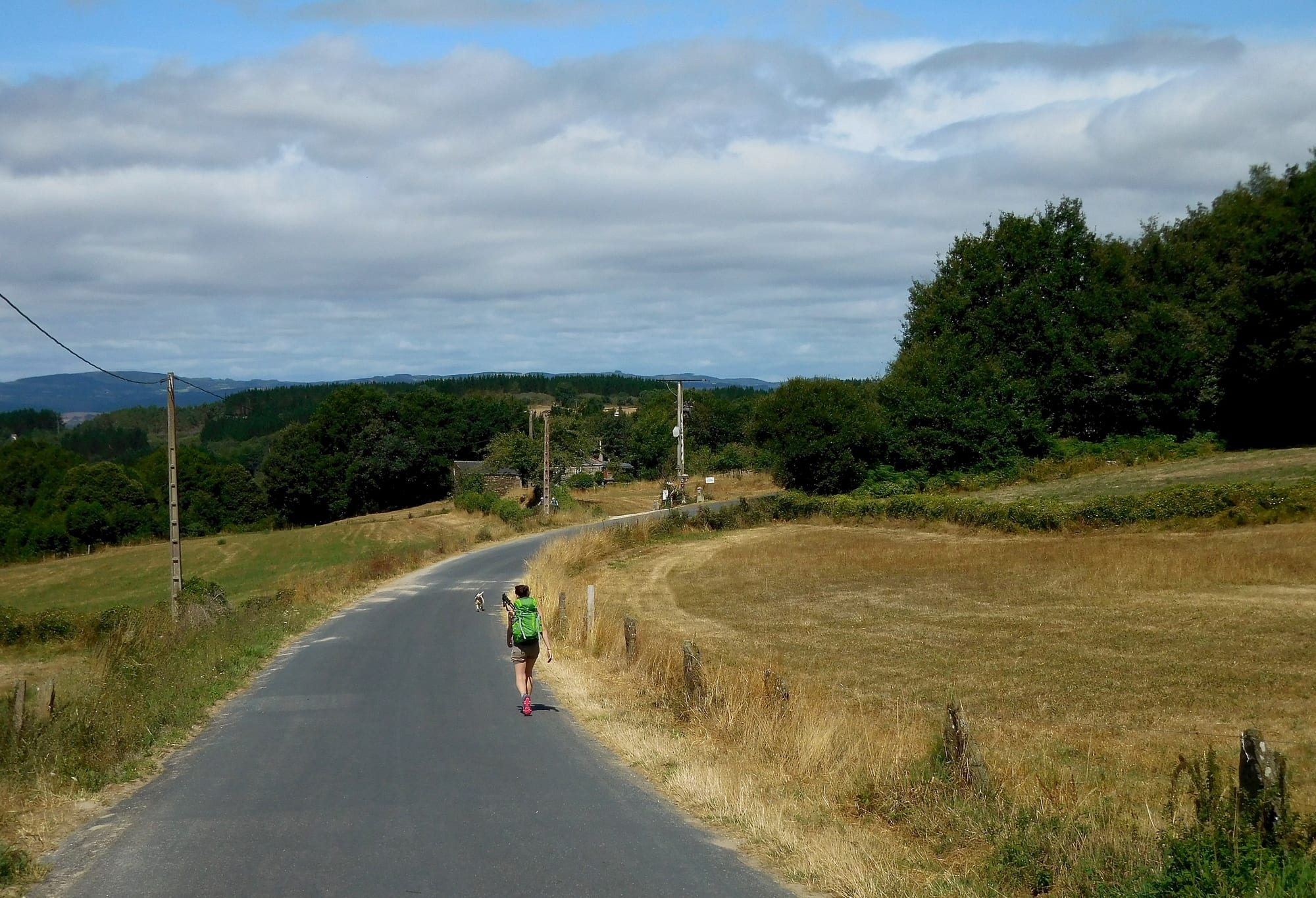
To qualify, walkers must cover at least the last 100 kilometres, or cyclists 200, and collect stamps in a pilgrim's passport called the credencial, which also opens the doors of dormitory hostels known as albergues. That rule explains why Sarria, the closest convenient starting point, with good bus and rail links, is by far the most popular, chosen by 32 per cent of pilgrims in 2024.
The full French Way is a different undertaking: about 800 kilometres from Roncesvalles in the Pyrenees, a walk of at least four weeks. In 2024, 93 per cent of pilgrims travelled on foot. The largest group were Spanish, at 44 per cent, followed by Americans, Italians, Germans and Portuguese.
Arriving in Santiago
Most pilgrims finish between May and September. At the end they enter the cathedral, where the crypt beneath the high altar holds the relics believed to be those of St James, and attend the daily Pilgrim's Mass, at which the countries and starting points of the previous day's arrivals are read out. On solemn feasts and other special occasions eight men in robes swing the Botafumeiro, an 80 kilogram silver-plated censer, in a 65 metre arc across the transept, reaching speeds of about 68 kilometres an hour.
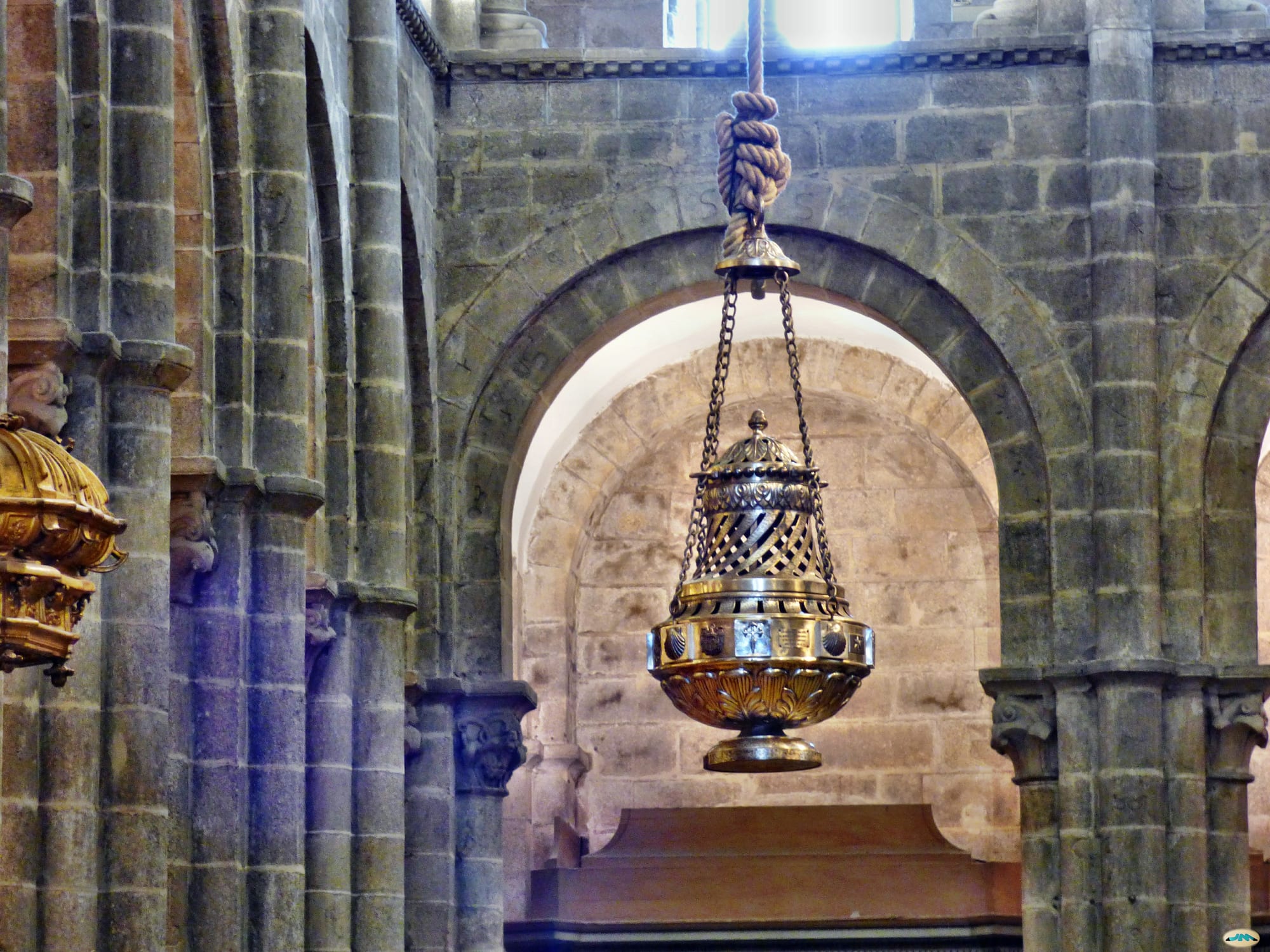
The current censer was made by the silversmith José Losada in 1851, but the swinging ritual goes back at least to the 12th century, and the pulley mechanism under the dome was installed in 1604.
Whenever St James's Day, 25 July, falls on a Sunday, the cathedral declares a Holy Year, when crowds swell further. The most recent was 2021; the next is 2027.