Culture & Customs · Fiji
Why is a third of Fiji's population of Indian descent?
Between 1879 and 1916 Britain brought about 61,000 indentured labourers to Fiji's cane fields; most stayed, and their descendants built a community.
By Globeway Editorial · 13 October 2026
The short answer
Fiji's Indian-descended citizens are there because of sugar and British colonial policy. Between 1879 and 1916 the colonial government brought about 61,000 people from the Indian subcontinent to work on Fiji's sugar-cane plantations as indentured labourers, bound by five-year contracts. The British were unwilling to put Indigenous Fijians to work on the plantations, so they imported workers instead, using a system already running across the empire. When the contracts ended, most of the labourers stayed, farmed, raised families and built a community.
At the 2017 census, 289,237 people, or 32.7% of Fiji's population of 884,887, were Indo-Fijians, as they are usually called. That third is actually a shrunken share. For about three decades after 1956 Indo-Fijians outnumbered Indigenous Fijians, until military coups in 1987 and 2000 set off an emigration that has continued ever since.
A colony that needed workers
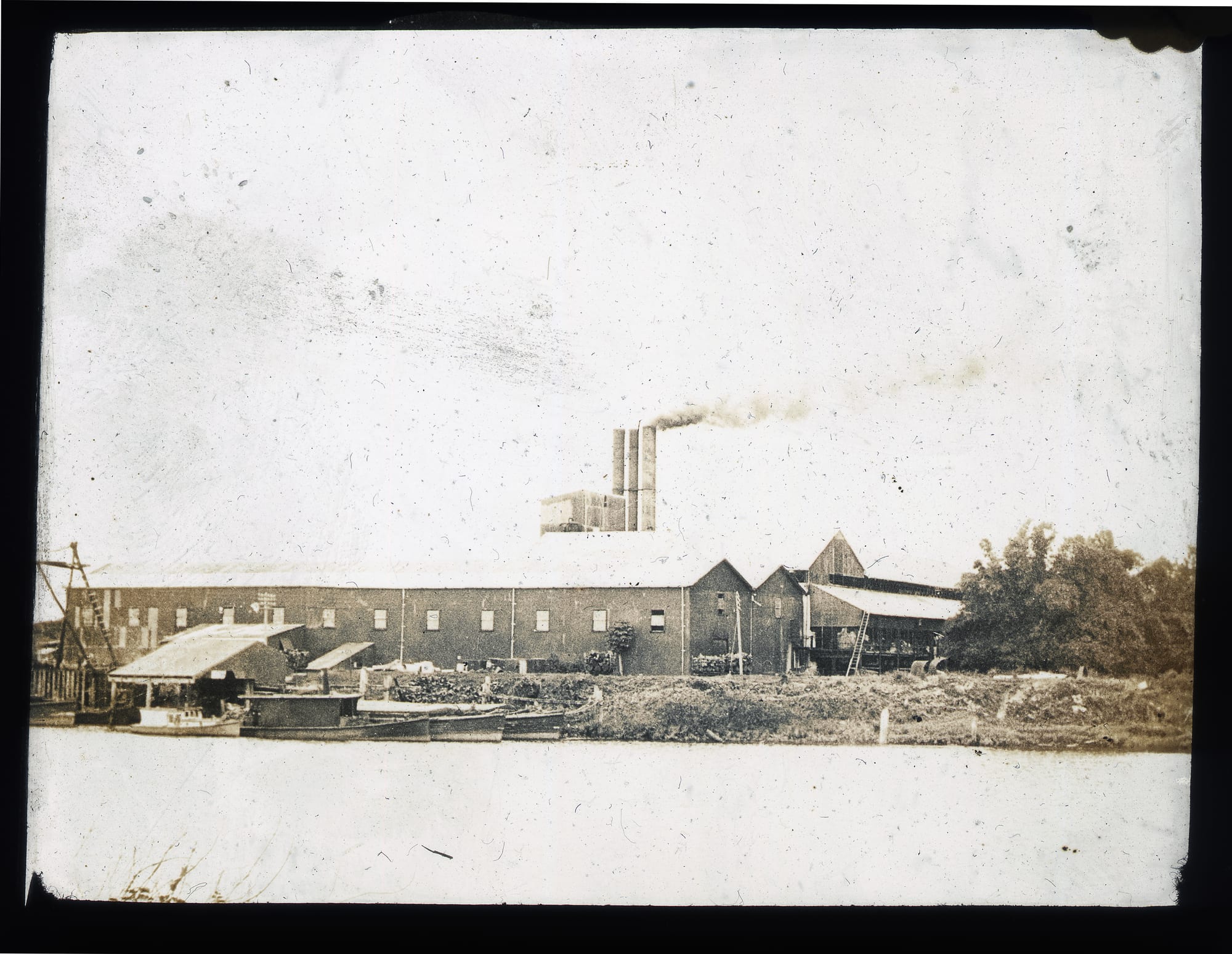
Fiji's paramount chief Seru Cakobau ceded the islands to Britain in 1874, and the new colony needed an economic base. The authorities chose sugar cane but were reluctant to exploit Indigenous labour and disrupt the Fijian way of life. Bringing in workers from the Solomon Islands and what is now Vanuatu had caused protests in Britain. The governor, Sir Arthur Hamilton-Gordon, turned instead to the Indian indenture scheme, which the British Empire had used since 1837 to supply labour to plantations from Mauritius to the Caribbean after the abolition of slavery.
The islands had also just suffered a catastrophe. In 1875–76 a measles epidemic, caught by Cakobau and his two sons on a visit to Sydney and brought home on a ship that was never quarantined, killed over 40,000 Fijians, about a third of the Indigenous population. A colony short of people and set on sugar was primed to look abroad.
The girmit years
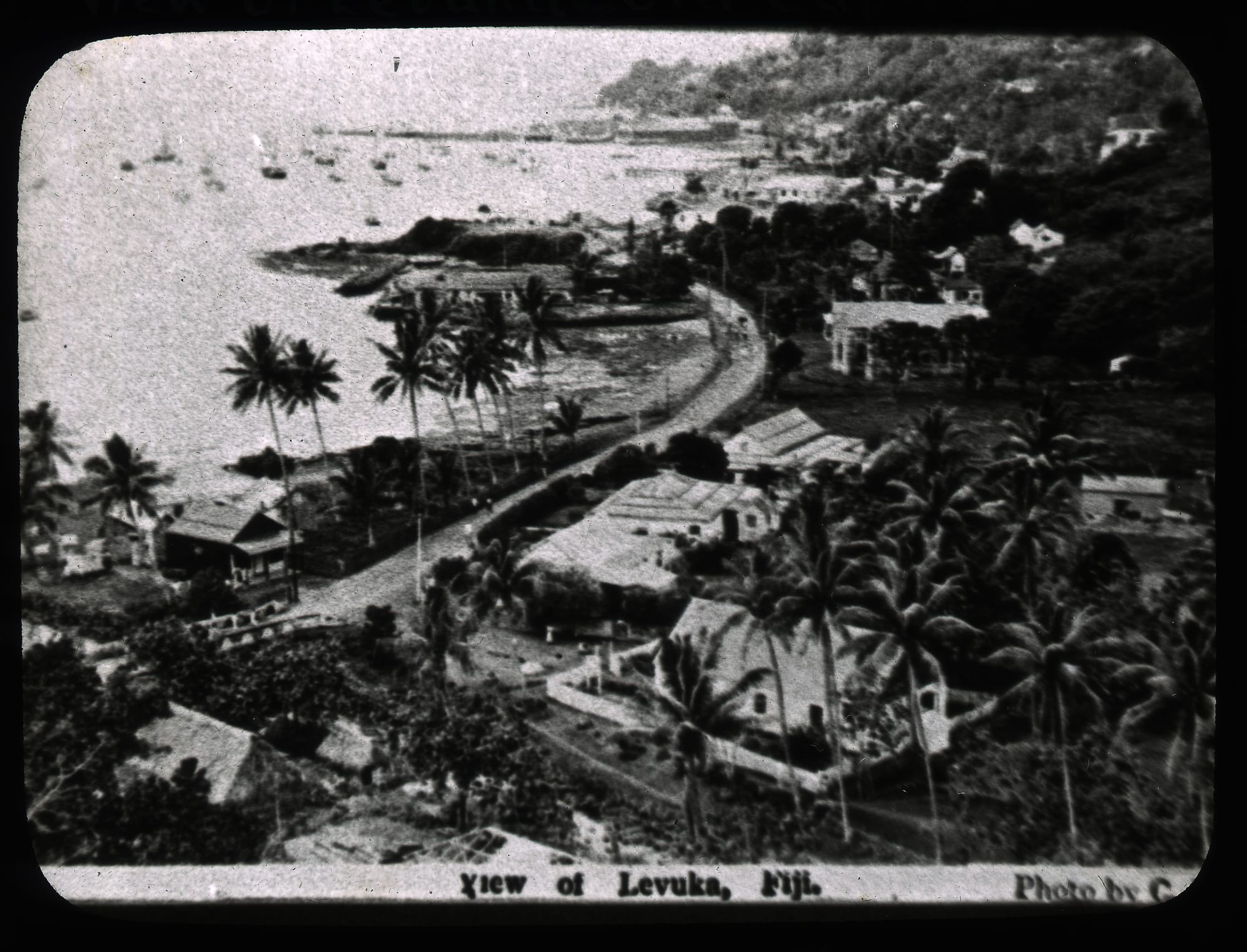
The first ship, the Leonidas, left Calcutta on 3 March 1879 with 498 passengers: 273 men, 146 women and 79 children. Cholera and smallpox broke out three days into the 72-day voyage and 17 died before it reached Levuka on 14 May. With no quarantine station, the survivors were held on the small island of Yanuca Lailai, under armed guard, and 15 more died there before their release in August. Over the next 37 years, 42 ships made 87 voyages, sailing first from Calcutta and later also from Madras.
The labourers called their contracts girmit, their word for the agreement, and became known as girmitiyas. Most came from rural villages, and about half traced their origins to the Awadh and Bhojpur regions of the Hindi-speaking north, in today's Uttar Pradesh and Bihar. Smaller numbers came from the south, Bengal and elsewhere. Conditions on the plantations were harsh and have often been likened to slavery: workers lived in rows of hovels known as coolie lines, and recruiters had often promised easy work in a place "just across the river".
People of every caste and region lived and worked side by side on the plantations, and the old caste rules weakened. Their mix of dialects merged into a new language, Fiji Hindi, also known as Fiji Baat, "Fiji talk", and which is based mainly on Awadhi with influence from Bhojpuri.
Why most of them stayed
Public outrage in Britain and India over the abuse of labourers, including the widely reported stories of two women, Kunti and Naraini, helped end the scheme in 1916. Indenture lingered unlawfully until campaigners, including the Reverend C. F. Andrews, secured the release of every remaining labourer from their contracts on 1 January 1920.
The contract ran for five years, after which labourers could go home at their own expense; those who stayed ten years in all could claim a free passage. The fare was costly and the conditions strict, and the great majority chose to stay, mostly as farmers, with some moving to the towns. From the early 1900s free migrants also came, mostly from Gujarat and Punjab. Because the Indigenous population had been cut down by disease, the Indian population grew faster, and by 1956 it was the larger of the two.
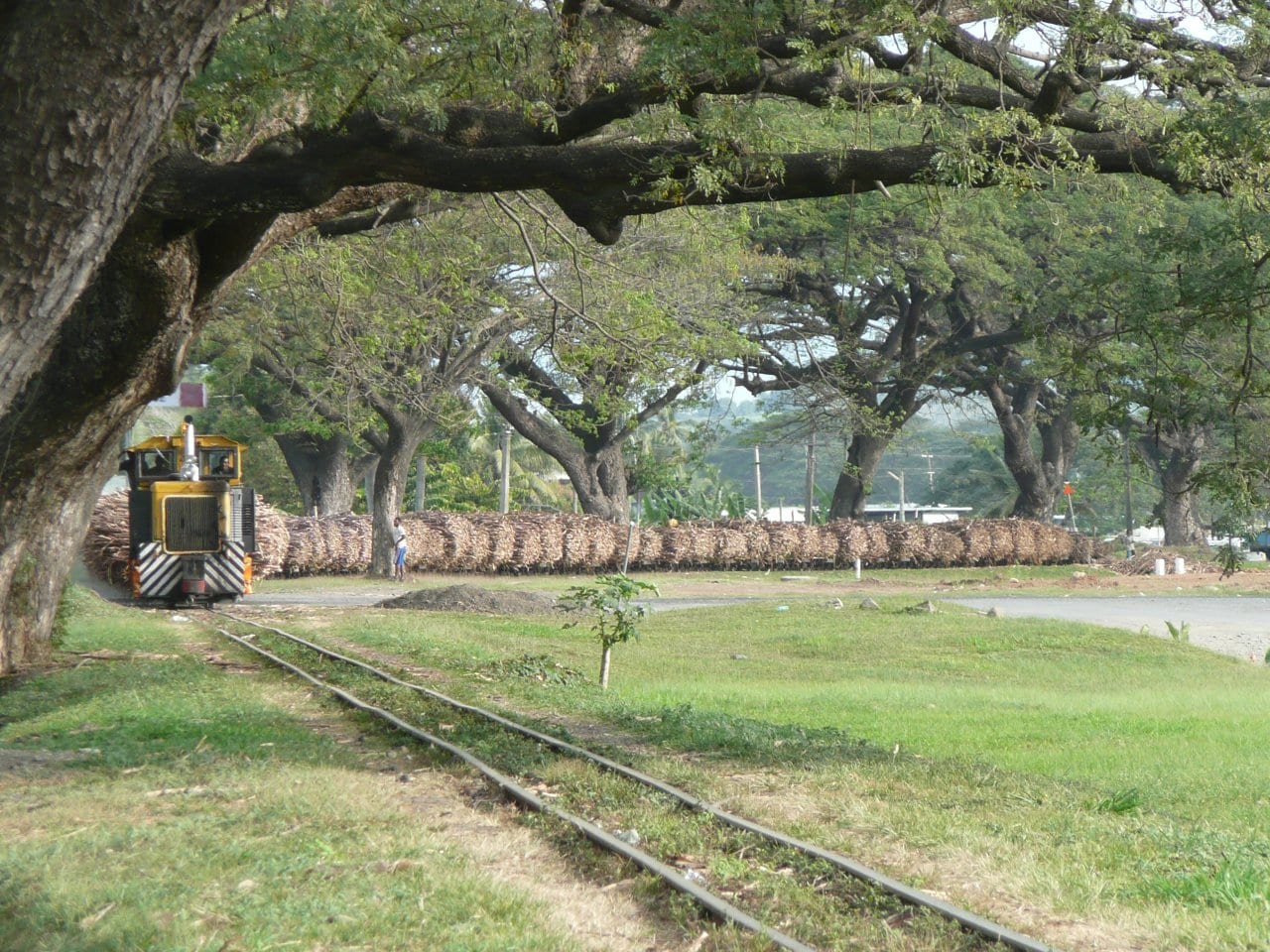
Land shaped what came next. More than 80% of Fiji's land is held collectively by Indigenous Fijian clans and cannot simply be bought, so Indo-Fijian cane farmers, who grew the great bulk of the sugar, worked land leased from Indigenous owners. Disputes over renewing those leases became one of the sharpest fault lines in Fijian politics.
From half to a third
Fiji became independent in 1970 with a parliament built around its two main communities, which were given equal numbers of seats; in 1977 about half of Fiji's 600,000 people were of Indian descent. In 1987, shortly after a multi-ethnic coalition backed mostly by Indo-Fijians won power, Lieutenant Colonel Sitiveni Rabuka led two military coups, on 14 May and 25 September, that aimed to sideline Indo-Fijians in politics. In 1999 Mahendra Chaudhry became Fiji's first Indo-Fijian prime minister; on 19 May 2000 an armed group of Indigenous nationalists led by George Speight seized parliament and removed his government.
Each coup pushed more people out. It has been estimated that more than 100,000 Indo-Fijians have emigrated since 1987, mostly to Australia, New Zealand, the United States and Canada, and the professional and business classes found it easiest to leave. In 1989 government figures showed Indigenous Fijians were a majority again for the first time since 1946. Lower birth rates added to the decline: between 1996 and 2017 the Indo-Fijian population shrank by about 0.8% a year while the Indigenous population grew. The share fell from about 37% in 2007 to 32.7% a decade later.
- 1874
Cakobau cedes Fiji to Britain.
- 14 May 1879
The Leonidas lands the first indentured labourers at Levuka.
- 1916
The indenture scheme is abolished.
- 1 January 1920
All remaining labourers are freed from their contracts.
- 1970
Fiji becomes independent.
- 1987
Two military coups; mass emigration begins.
- 2017
The census counts Indo-Fijians at 32.7% of the population.
A shared Fijian identity, still being worked out
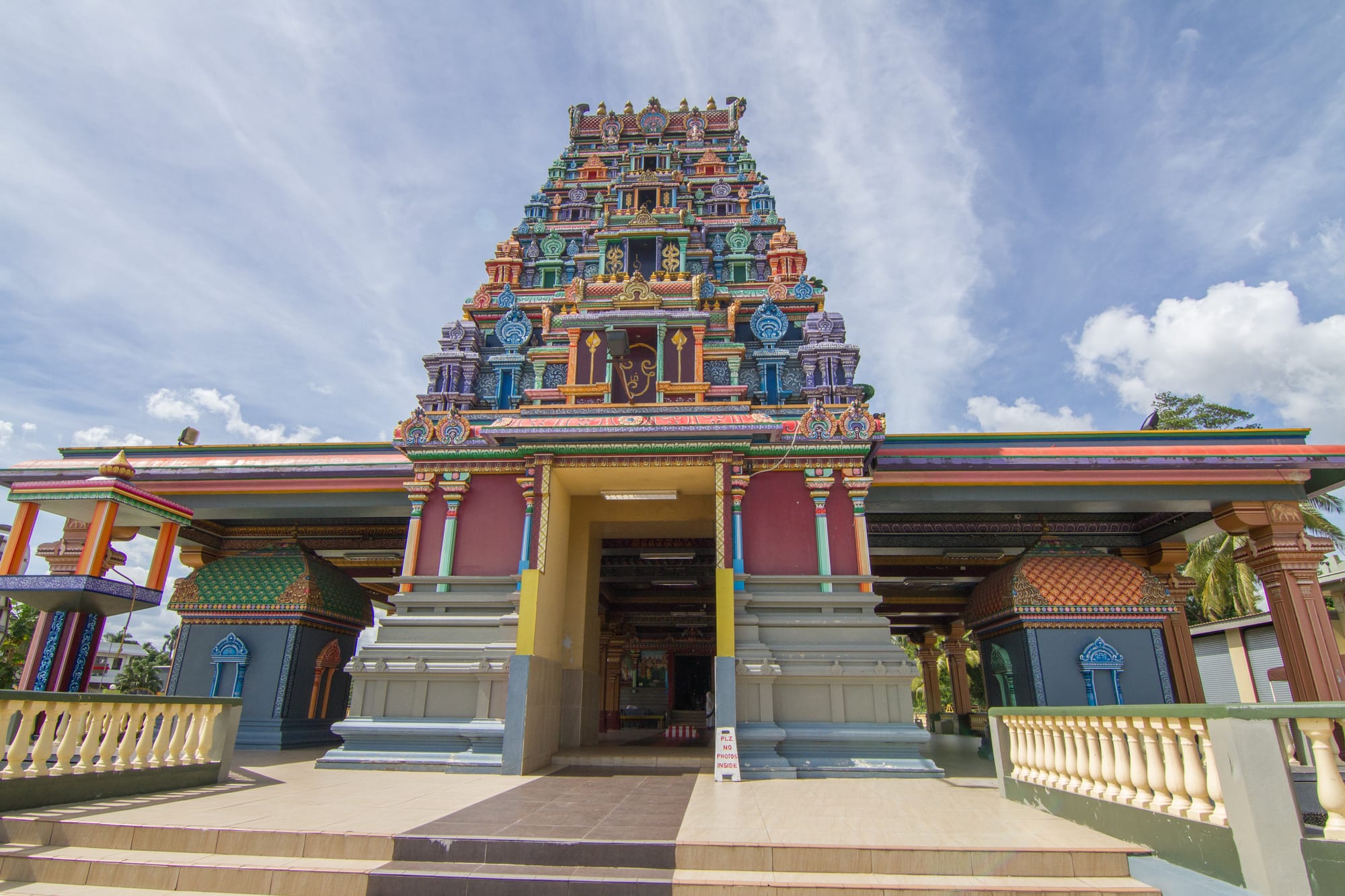
Indo-Fijians remain concentrated in the sugar belt and the towns on the northern and western coasts of Viti Levu and Vanua Levu, and their influence runs through everyday Fijian life, from roti and curry on ordinary tables to Hindu and Muslim festivals marked as public holidays. Most are Hindu, with a sizeable Muslim minority and smaller numbers of Christians and Sikhs.
Even the names have been argued over. Since 2010 the word "Fijian" has legally applied to every citizen, with "iTaukei" used for the Indigenous people. Politics has also come full circle: the December 2022 election made Sitiveni Rabuka, leader of the 1987 coups, prime minister of a coalition government once more.