History · United Kingdom
Why is Stonehenge lined up with the sun?
Its builders set it on the line of midsummer sunrise and midwinter sunset, probably to mark the turning of the year with feasts, rituals and the dead.
By Globeway Editorial · 13 October 2026
The short answer
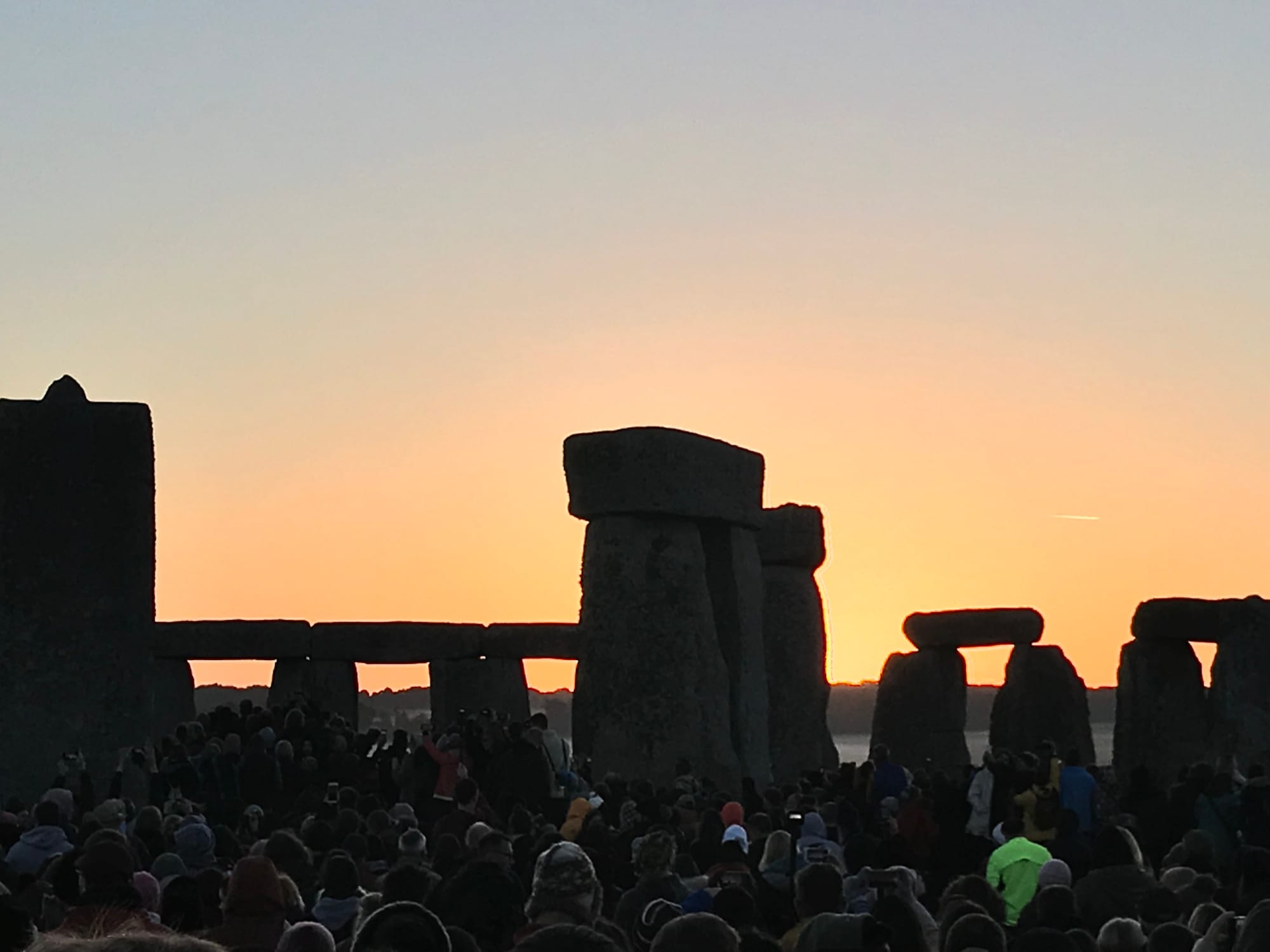
Stonehenge is built along a single line that points one way to the place on the horizon where the sun rises at midsummer, and the other way to where it sets at midwinter. The entrance, the great horseshoe of stones at its centre, the Heel Stone outside and the long earthwork Avenue all follow that axis. Its builders, who raised the great stones between about 2600 and 2400 BC, clearly meant it to frame the sun at the two turning points of the year, the solstices.
Why they did so is less certain, because they left no writing. The leading explanation is that the solstices marked the most important moments in their ritual year. Animal bones from a vast settlement nearby suggest that thousands of people gathered here for midwinter feasts, and possibly for midsummer ones too, while human remains show Stonehenge was a place of the dead from its beginning. Remarkably, the line may first have been drawn by nature: natural ridges in the ground beneath the Avenue happen to point towards the solstice.
One line, two sunrises and sunsets
Stonehenge grew in stages over more than a thousand years. The first monument, around 3000 BC, was a circular ditch and bank with burials. Around 2600 BC its north-eastern entrance was widened so that it precisely matched the direction of midsummer sunrise and midwinter sunset for that period. Thirty huge sarsen stones, a kind of silicified sandstone, were then brought from a quarry about 16 miles to the north, shaped with mortise-and-tenon joints, and raised in a circle topped with lintels. Inside stood five trilithons, pairs of uprights capped with a single lintel, arranged in a horseshoe whose open end faces north-east, towards the midsummer sunrise.
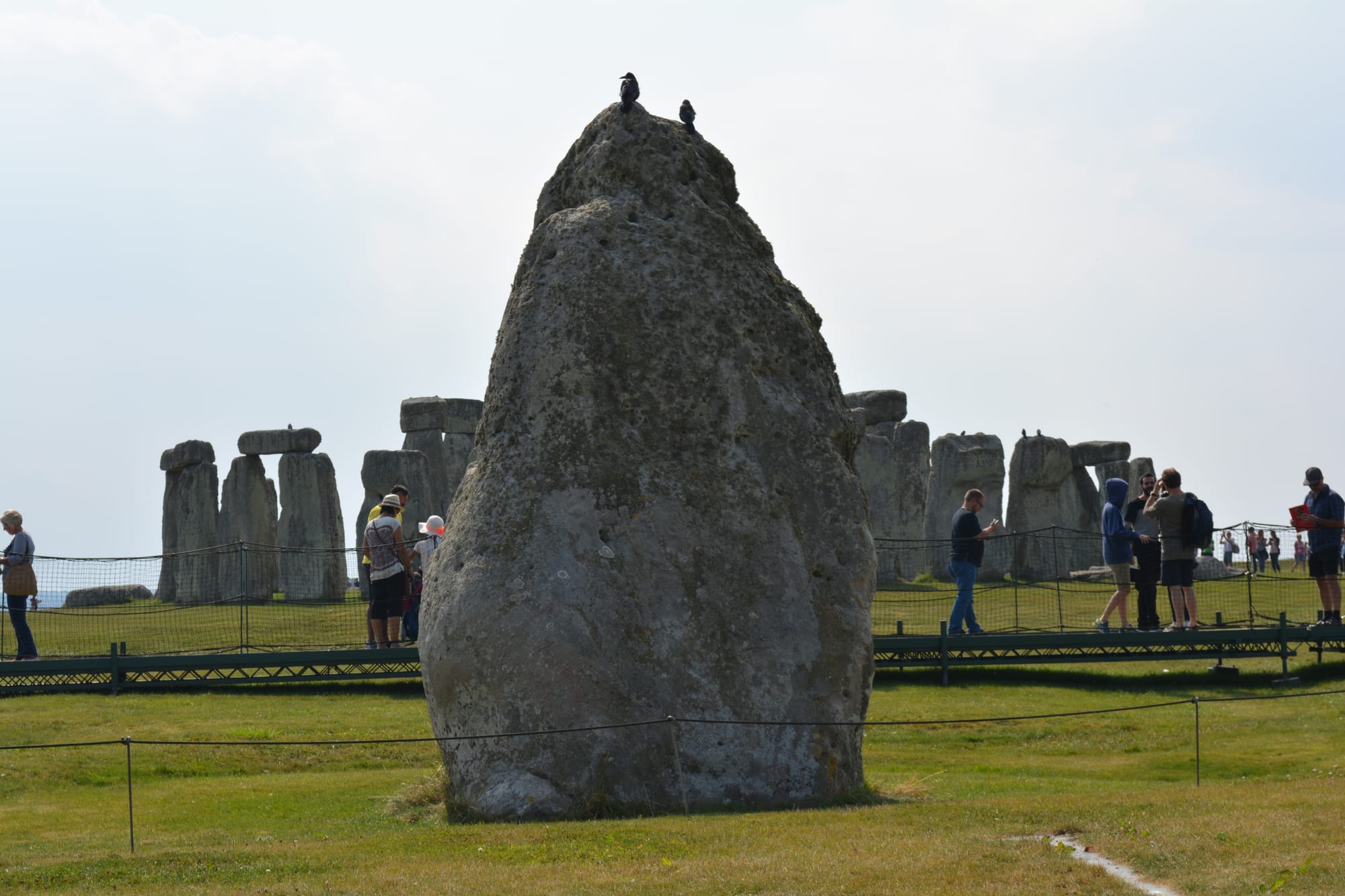
The Heel Stone stands 77.4 metres from the centre of the circle and weighs about 35 tons. When the monument was built, the midsummer sun rose close to it, and its first rays shone into the centre of the circle.
The alignment is not a modern discovery. The antiquarian William Stukeley identified the monument's axis along the midsummer sunrise when he drew the site in 1720. He also noticed that the Heel Stone does not line up exactly with the sunrise. Archaeologists have since found evidence of a second stone beside it, now gone.
Because the axis runs both ways, the same monument faces midsummer sunrise in one direction and midwinter sunset in the other. The great trilithon, the horseshoe, the Heel Stone and the Avenue are all set on it.
A line already written in the chalk
The Avenue, a pair of parallel ditches and banks running about 2 miles from Stonehenge to the River Avon, was added around 2600 BC, and along part of its length it too points to the midsummer sunrise. In the ground beneath it lie periglacial stripes, natural parallel grooves dating from the Ice Age.
The archaeologist Mike Parker Pearson, who led the Stonehenge Riverside Project, believes the Avenue was built over these natural ridges and gullies, which happen to line up with the solstice directions. People may have regarded the place as sacred precisely because the land itself seemed to point to the sun, and chosen to build Stonehenge there as a result. If so, the builders did not invent the alignment so much as recognise it and monumentalise it.
Midwinter feasts and a land of the dead
About 2 miles away, at Durrington Walls, Parker Pearson's team excavated what he believes was the builders' camp. Analysis of animal teeth suggests that at some point between 2600 and 2400 BC as many as 4,000 people gathered for midwinter and midsummer festivals. Pig bones and teeth show that many animals were slaughtered in December or January, pointing to great midwinter feasts. In 2005 Parker Pearson said, "We have no evidence that anyone was in the landscape in summer", though he later agreed it was reasonable to assume people came for the midsummer solstice as well.
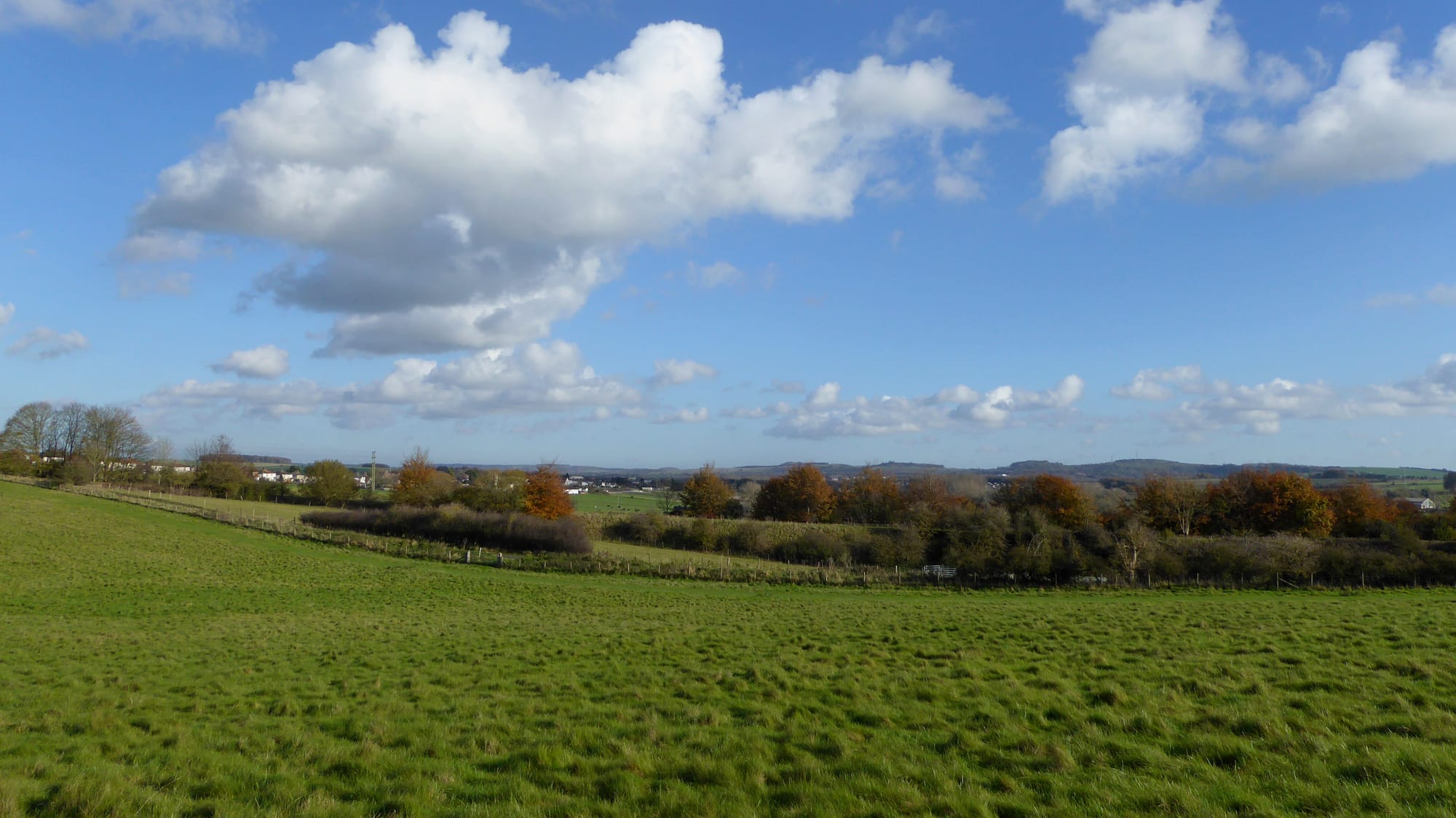
At Durrington Walls a large timber circle faced the rising sun at midwinter, and its own avenue was aligned with the setting sun at midsummer: the mirror image of Stonehenge's alignments.
Parker Pearson suggests the two monuments formed one ritual landscape, linked by their avenues and the River Avon. Durrington's timber circle was a place of the living, while Stonehenge in stone was a domain of the dead. Human bone was being buried at Stonehenge from about 3000 BC, and in 2013 his team recovered more than 50,000 cremated bone fragments from 63 people. On this view, the solstice alignment tied the dead to the great turning points of the year, especially midwinter. Stonehenge is not alone in honouring that moment: Newgrange and Maeshowe, two other megalithic monuments in the British Isles, both let in the midwinter sun, Newgrange at sunrise and Maeshowe at sunset.
Calendar or computer?
In the 1960s the American astronomer Gerald Hawkins went much further. Using a computer, then a novelty, he checked alignments between 165 features of the site against the rising and setting points of the sun, moon, planets and bright stars, and in his 1965 book Stonehenge Decoded called the monument a "Neolithic computer" that could predict eclipses.
Archaeologists pushed back. Richard Atkinson, in an article titled "Moonshine on Stonehenge", argued that some of Hawkins's sight lines used pits that were probably natural, that he had allowed up to 2 degrees of error, and that with so many points to choose from, many alignments would occur by chance. Some also doubt that the cloudy English climate would have allowed precise observation. The solstice axis is widely accepted, but the idea of a Stone Age calculator has faced decades of criticism.
The solstice at Stonehenge today
The sun still draws crowds. The Ancient Order of Druids held a mass initiation ceremony at the stones in 1905, though there is no evidence that the Iron Age druids ever used Stonehenge. From 1974 to 1984 the Stonehenge Free Festival culminated each June at the summer solstice, until a High Court injunction closed the site to festivalgoers in 1985 and the police clashed with travellers in the so-called Battle of the Beanfield.
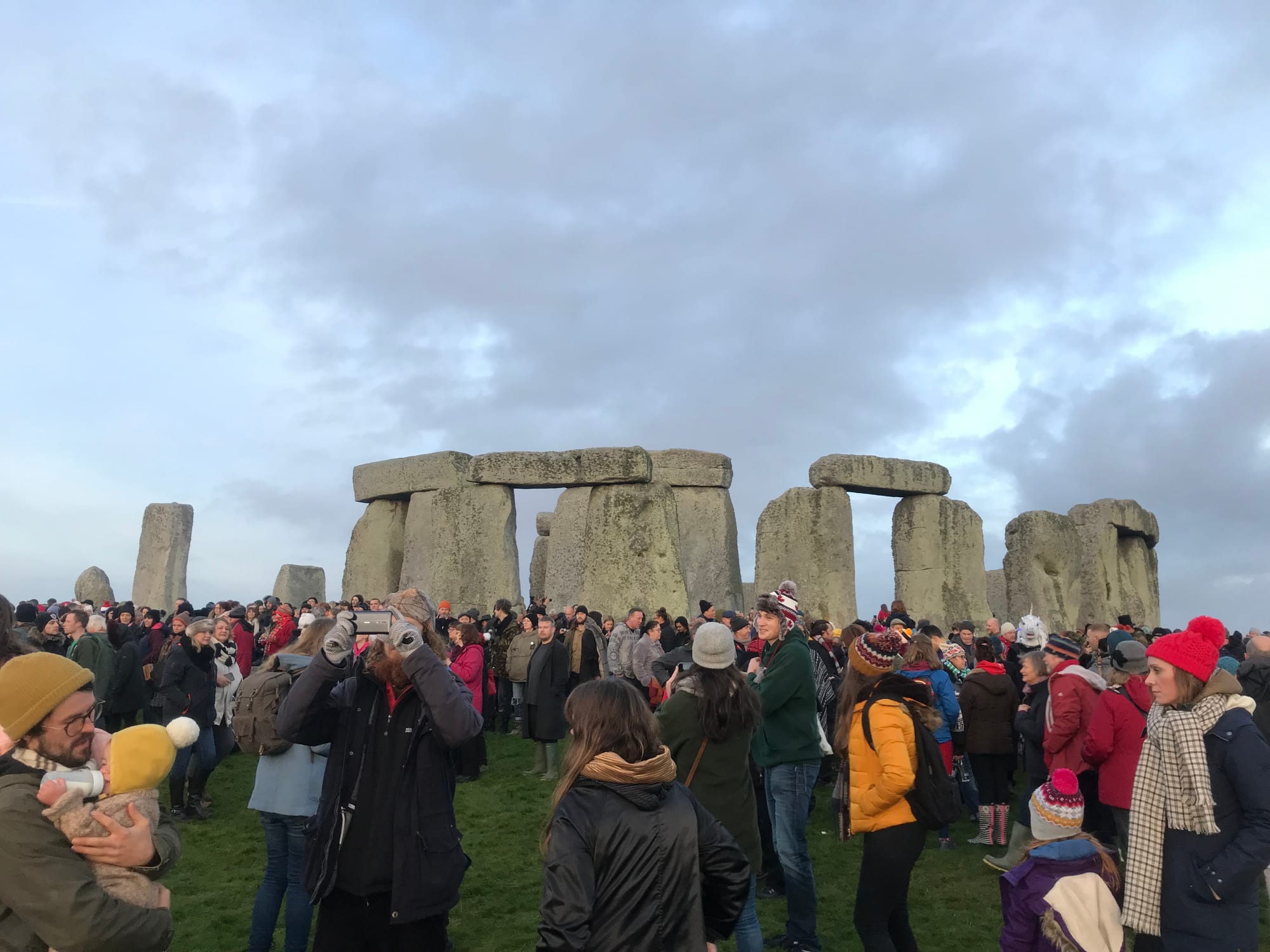
English Heritage, which manages the monument, allows people in among the stones at the summer and winter solstices and the spring and autumn equinoxes.
Open solstice gatherings resumed in 2000, when about 7,000 people attended, and by 2005 some 20,000 came for midsummer. Modern Druids and Pagans treat the stones as a place of worship. Most visitors come to watch the sunrise in June, yet the evidence suggests that for the people who built Stonehenge, the dark days of midwinter may have mattered most.