History · Timor-Leste
Why is Timor-Leste Asia's youngest country?
Timor-Leste declared independence in 1975, was invaded nine days later, and only became a sovereign state in 2002 after a UN-run vote and years of struggle.
By Globeway Editorial · 13 October 2026
The short answer
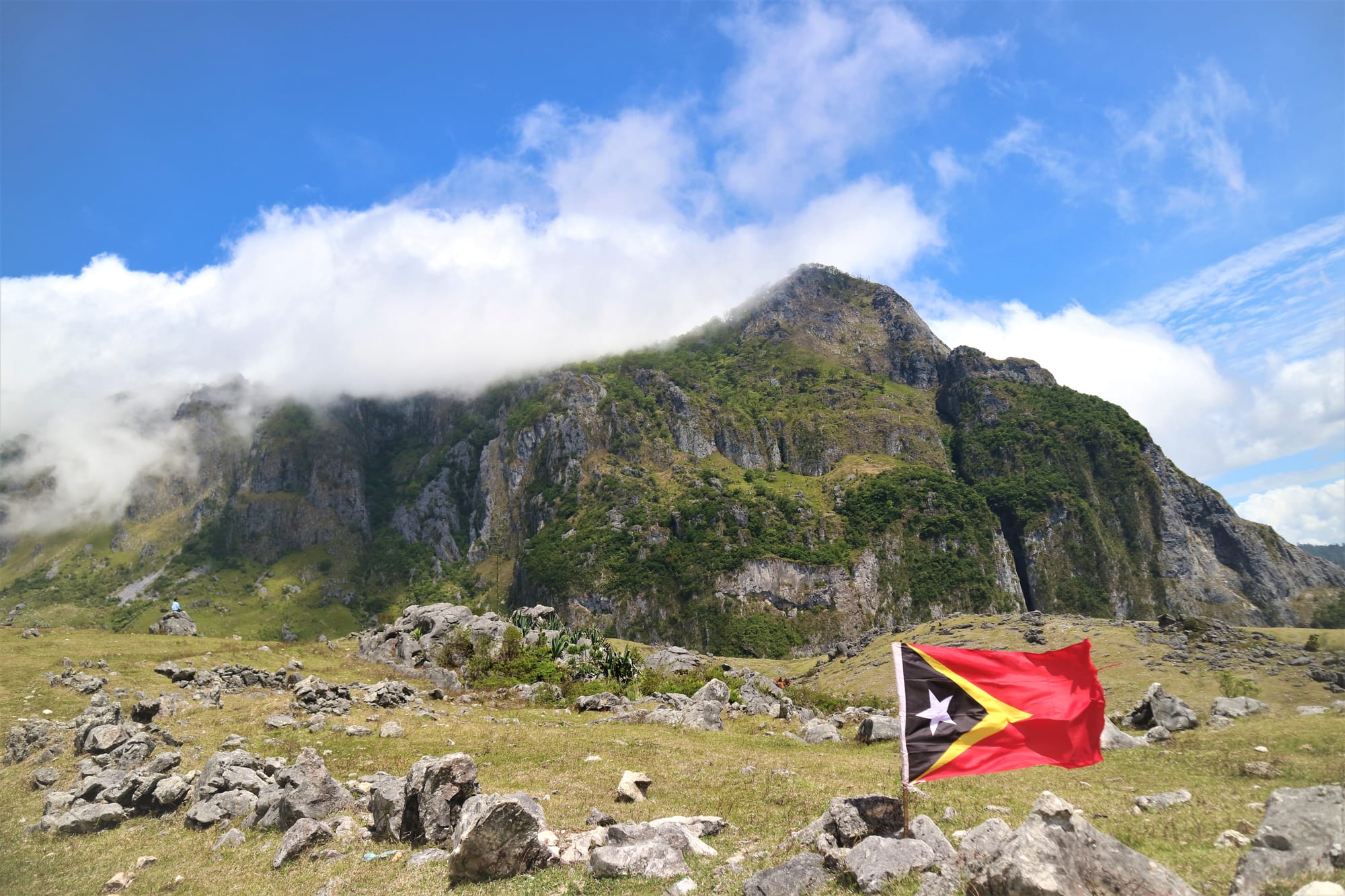
Timor-Leste, also called East Timor, became a fully sovereign state on 20 May
- That made it the first new sovereign state of the 21st century, and no
country in Asia has become independent since; the handful of states born later, Montenegro in 2006, Kosovo by its declaration of 2008 and South Sudan in 2011, are in Europe and Africa.
It came so late because its path to independence was blocked for a generation. A Portuguese colony until 1975, it declared independence that November, but Indonesia invaded nine days later and ruled the territory for 24 years. Only in 1999, after a change of government in Jakarta, did a UN-supervised vote let the East Timorese choose. They chose independence, and after a period of UN administration the new state was born in 2002. Officially, 20 May is celebrated as the restoration of independence, not its beginning.
A colony left behind
Portuguese influence reached the eastern half of the island of Timor in the 16th century, and it remained a Portuguese colony for more than four centuries. The border with the Dutch-ruled west, which later became part of Indonesia, was fixed by arbitration in 1914 and is still the international boundary today. In 1960 the United Nations listed East Timor as a non-self-governing territory with a right to self-determination under international law.
Change came suddenly. The 1974 Carnation Revolution in Portugal ended the dictatorship there and began the dismantling of its empire. New Timorese parties formed and argued over the future, and in August 1975 a coup attempt by the Timorese Democratic Union led to a brief civil war. Portugal, absorbed in crises at home and in Angola and Mozambique, effectively withdrew. On 28 November 1975 the Revolutionary Front for an Independent East Timor, known as Fretilin, declared independence on its own.
Invasion and occupation
Indonesia's government under President Suharto feared that a small, left-leaning state on Indonesia's border could become a communist foothold within the archipelago. On 7 December 1975 the Indonesian military invaded, and in July 1976 Indonesia declared East Timor its 27th province. The United Nations never recognised the annexation.
The occupation that followed was devastating. The truth commission later set up in Timor-Leste estimated that between 90,800 and 202,600 people died from violence, hunger and illness, out of a population of about 823,000 in 1999. Fretilin's fighters held parts of the interior until 1978 and then fought on as guerrillas.
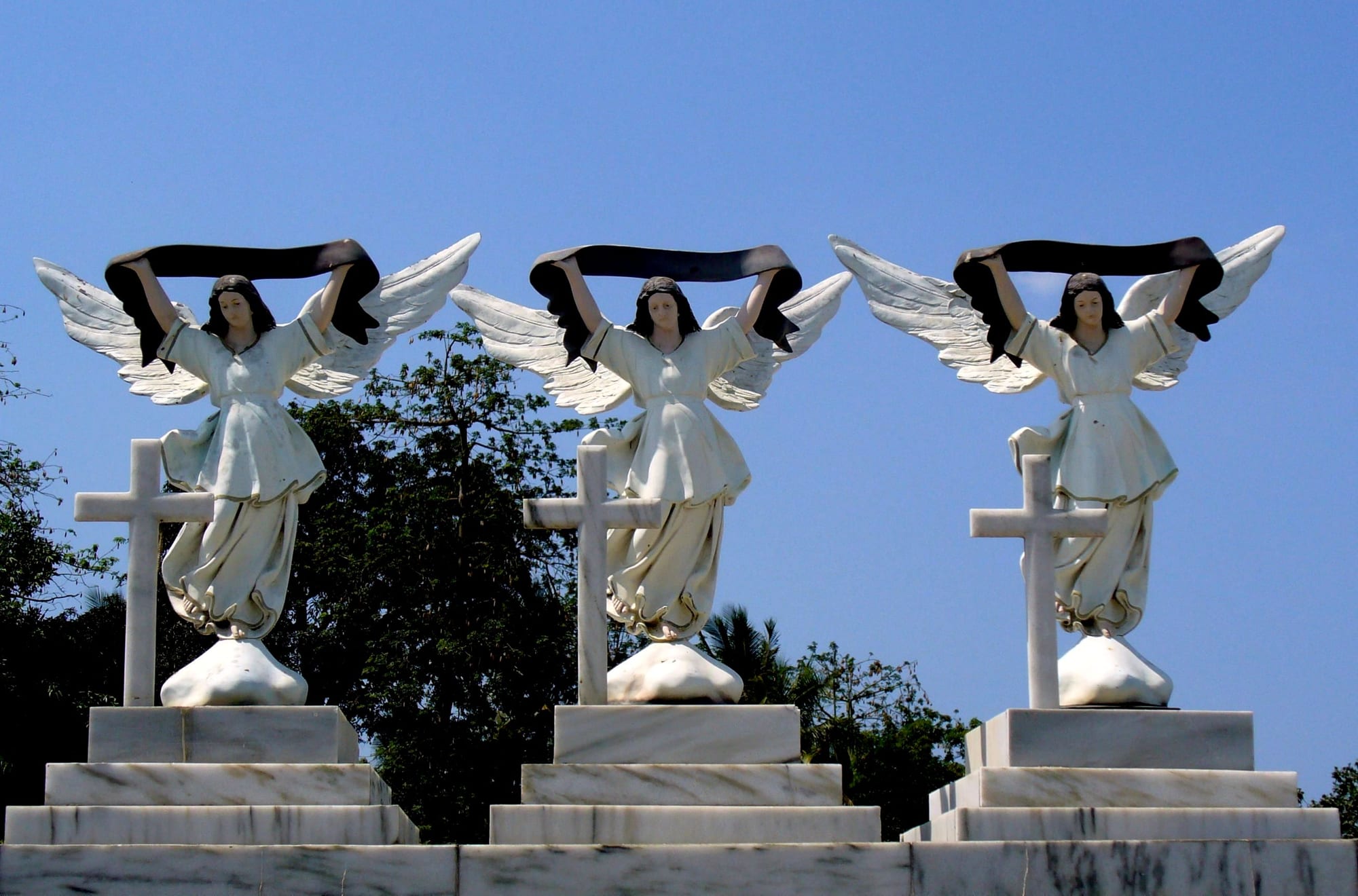
On 12 November 1991 Indonesian troops killed at least 250 pro-independence demonstrators at this cemetery. The British cameraman Max Stahl filmed the killings undercover, and the pictures, shown worldwide, caused outrage and deep embarrassment to the Indonesian government.
The world did start to pay attention. In 1996 the Nobel Peace Prize went to two East Timorese, Bishop Carlos Filipe Ximenes Belo and José Ramos-Horta, "for their work towards a just and peaceful solution to the conflict in East Timor".
The vote of 1999
The opening came from Jakarta. After Suharto resigned, his successor, B. J. Habibie, was willing to offer East Timor special autonomy. A letter from the Australian prime minister, John Howard, suggesting that the territory be given a future chance to decide its status, upset Habibie, who felt it cast Indonesia as a colonial power. In response he announced a snap referendum.
The vote was held on 30 August 1999, delayed from early August by militia violence. Of registered voters, 98.6 percent cast ballots, and on 4 September the UN Secretary-General, Kofi Annan, announced that 78.5 percent had voted for independence, rejecting autonomy within Indonesia.
What followed was devastating. Jakarta-backed militias carried out a campaign of killings and destruction, and an estimated 80 percent of the territory's infrastructure was destroyed. An Australian-led multinational force, INTERFET, commanded by Major General Peter Cosgrove, deployed from 20 September under a UN Security Council resolution and brought the violence to an end.
1975 | Fretilin declares independence on 28 November; Indonesia invades on 7 December. 1976 | Indonesia declares East Timor its 27th province. 1991 | At least 250 people are killed at Santa Cruz Cemetery in Dili. 1996 | Belo and Ramos-Horta share the Nobel Peace Prize. 1999 | 78.5 percent vote for independence on 30 August; the UN takes over administration in October. 2002 | Independence on 20 May; UN membership on 27 September. 2025 | Timor-Leste is admitted to full membership of ASEAN.
Building a state from the ashes
On 25 October 1999 the United Nations took over the territory through a transitional administration, UNTAET. It inherited a country where most homes, schools and water supplies, and nearly all of the electricity grid, had been destroyed. The East Timorese elected a Constituent Assembly on 30 August 2001, two years to the day after the referendum, and on 20 May 2002 the new constitution came into force and the UN recognised the country's independence. Xanana Gusmão, the former guerrilla commander, became its first president. Timor-Leste joined the United Nations on 27 September 2002.
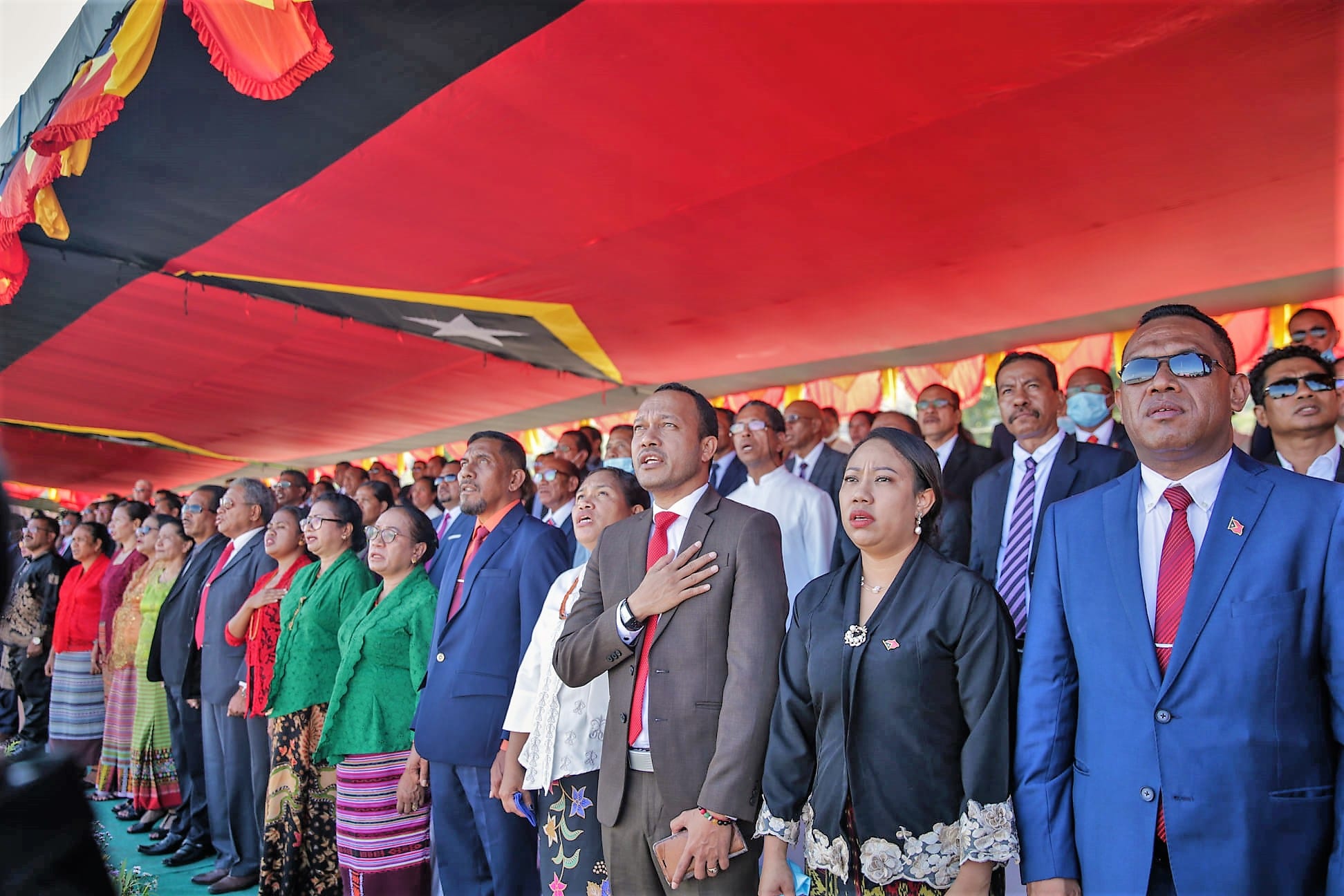
The country keeps both dates: 28 November marks the declaration of 1975, and 20 May is celebrated as Restoration of Independence Day.
Relations with Indonesia were established and normalised in 2002, and Indonesia went on to support Timor-Leste's bid to join the Association of Southeast Asian Nations. An internal crisis in 2006 brought renewed violence and another international deployment, but the country has since held a series of peaceful elections, and in 2025 it was admitted as a full member of ASEAN.
Remembering the struggle today
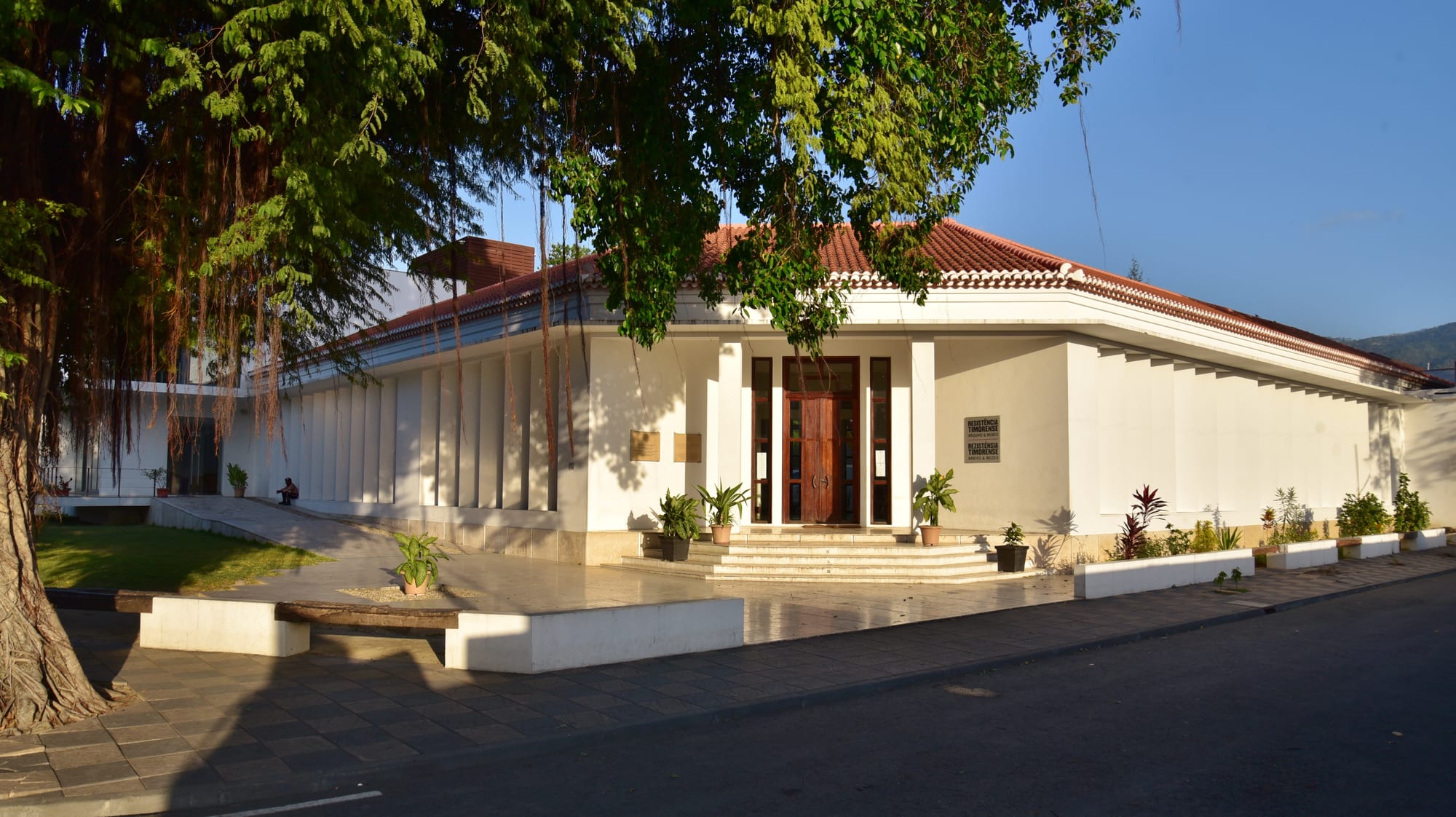
The fight for independence sits at the centre of Timorese national identity, remembered in monuments, place names and public holidays, and many of the country's leaders are veterans of the resistance. In Dili, the Santa Cruz Cemetery and the Timorese Resistance Archive and Museum both keep that history in view.