History · Peru
Why was Machu Picchu built, and why was it abandoned?
It was a royal country estate for the Inca emperor Pachacuti, lived in for only about a century before the empire's collapse and new diseases emptied it.
By Globeway Editorial · 13 October 2026
The short answer
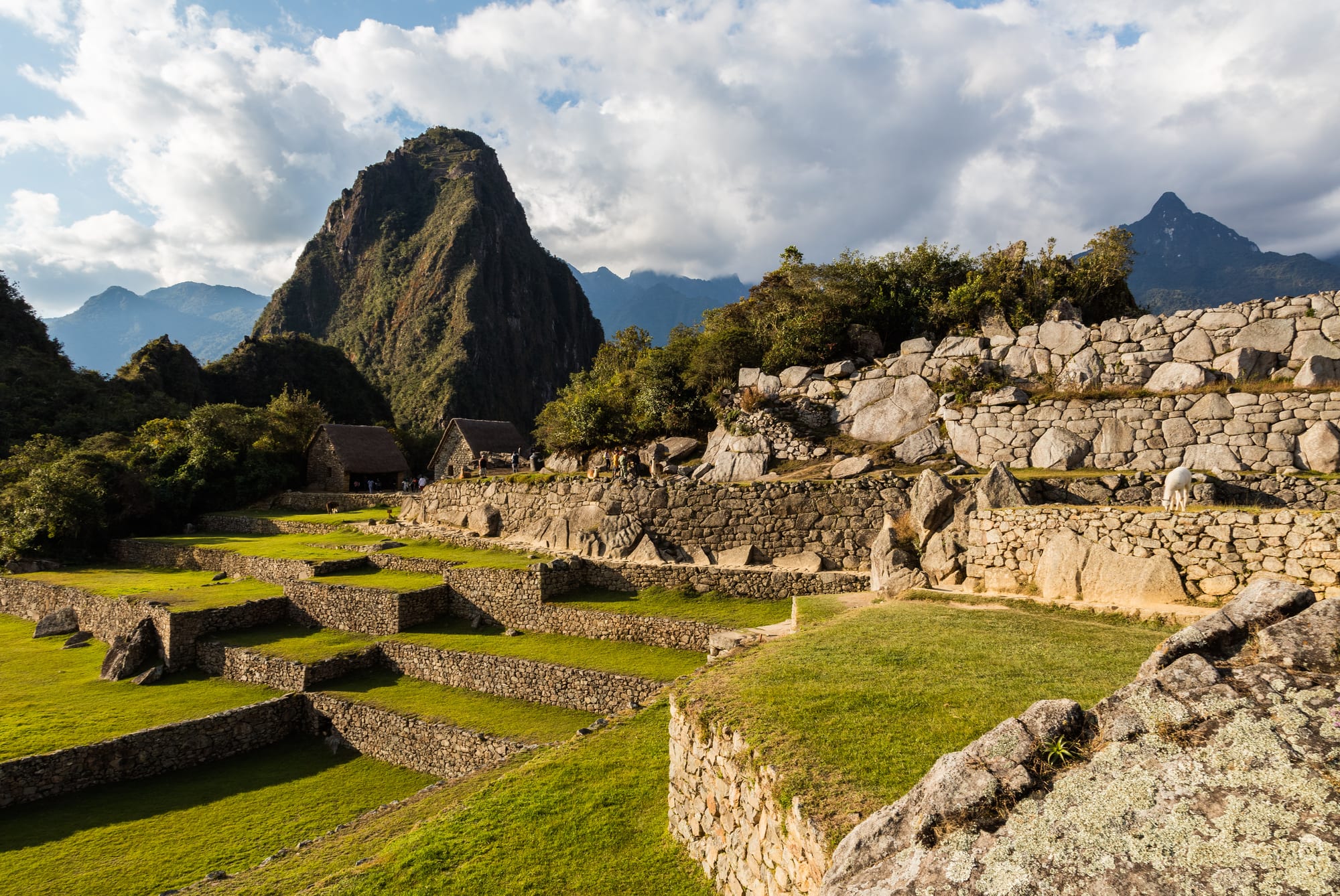
Machu Picchu was not the lost Inca capital that its most famous explorer imagined. Most archaeologists agree it was a royal estate: a country retreat built for Pachacuti, the ruler who turned the small kingdom of Cusco into the Inca Empire, after he conquered the Urubamba valley in the 15th century. It was one of several such estates along the river, a place where the emperor and his court could stay in comfort, worship and enjoy the mountains, looked after by several hundred permanent servants.
It was abandoned after only about 80 to 100 years, in the middle of the 16th century. No document records the day it emptied, but the timing points to two causes: the collapse of Inca rule after the Spanish conquest, which cut off the imperial system that supplied and staffed the estate, and the epidemics of European diseases such as smallpox, which may have killed many of its people before any Spaniard came near.
An emperor's country house
Pachacuti, the ninth Inca ruler, launched the conquests that within three generations spread Inca rule across a large part of western South America. Among his early gains were the lands along the Urubamba River, northwest of Cusco. There he founded a chain of royal estates, and Machu Picchu, on a saddle between two peaks 2,430 metres above sea level, was one of them.
The dates are still argued over. An older chronology, built from Spanish chronicles, gave Pachacuti's reign as 1438 to 1471 and put the start of construction around 1450. In 2021 a team led by the Yale archaeologist Richard Burger radiocarbon-dated human remains from the site and found it in use from around 1420 to 1530, which suggests that either the building began earlier or the old reign dates are wrong. Work seems to have continued under Pachacuti's son, Túpac Inca Yupanqui.
The estate was a place of privilege, not of hard labour. About 750 people lived there, most of them yanaconas, permanent retainers who served the ruler. Their skeletons show less arthritis and fewer fractures than those of labourers elsewhere in the empire. Studies of their bones and DNA show they came from all over the Inca world, from the coast, the Andes, Ecuador and the Amazon, and lived, married and were buried together.
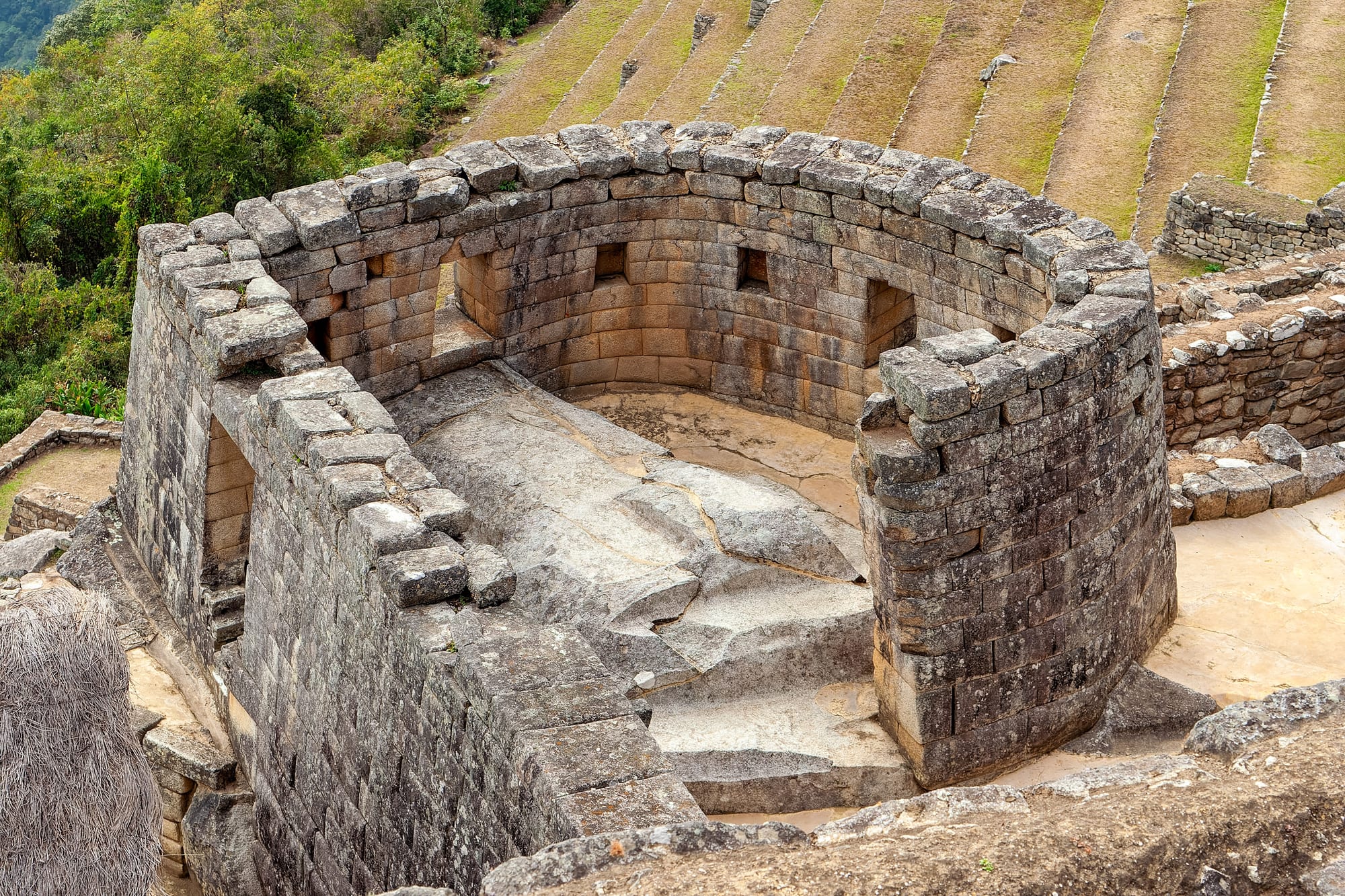
The openings in the Torreón throw patterns of sunlight that follow the sun's yearly path, probably for ritual rather than precise astronomy.
Why build on a mountain ridge?
The location was chosen with care. The Urubamba River curls around the site on three sides, with cliffs falling 450 metres to the water, and the mountain gave views down two valleys. Some scholars think the setting was sacred, and the buildings were aligned with surrounding peaks and with the sun: the Intihuatana, a carved ritual stone, points at the sun at the winter solstice, and the cave known as Inti Mach'ay admits sunlight only for a few days around the December solstice, when noble boys were initiated into manhood there.
The ridge was also hard to build on, and the Inca turned its problems into advantages. It sits over two earthquake faults, which made mortar almost useless, so the builders cut granite blocks to fit together without it. Their doors and windows narrow towards the top, corners are usually rounded, inside corners lean slightly into the rooms, and each course of stone is set a little back from the one below, all features that steady a wall. The faults had already shattered much of the rock, providing a ready supply of stone, and one researcher has suggested this is exactly why the site was chosen.
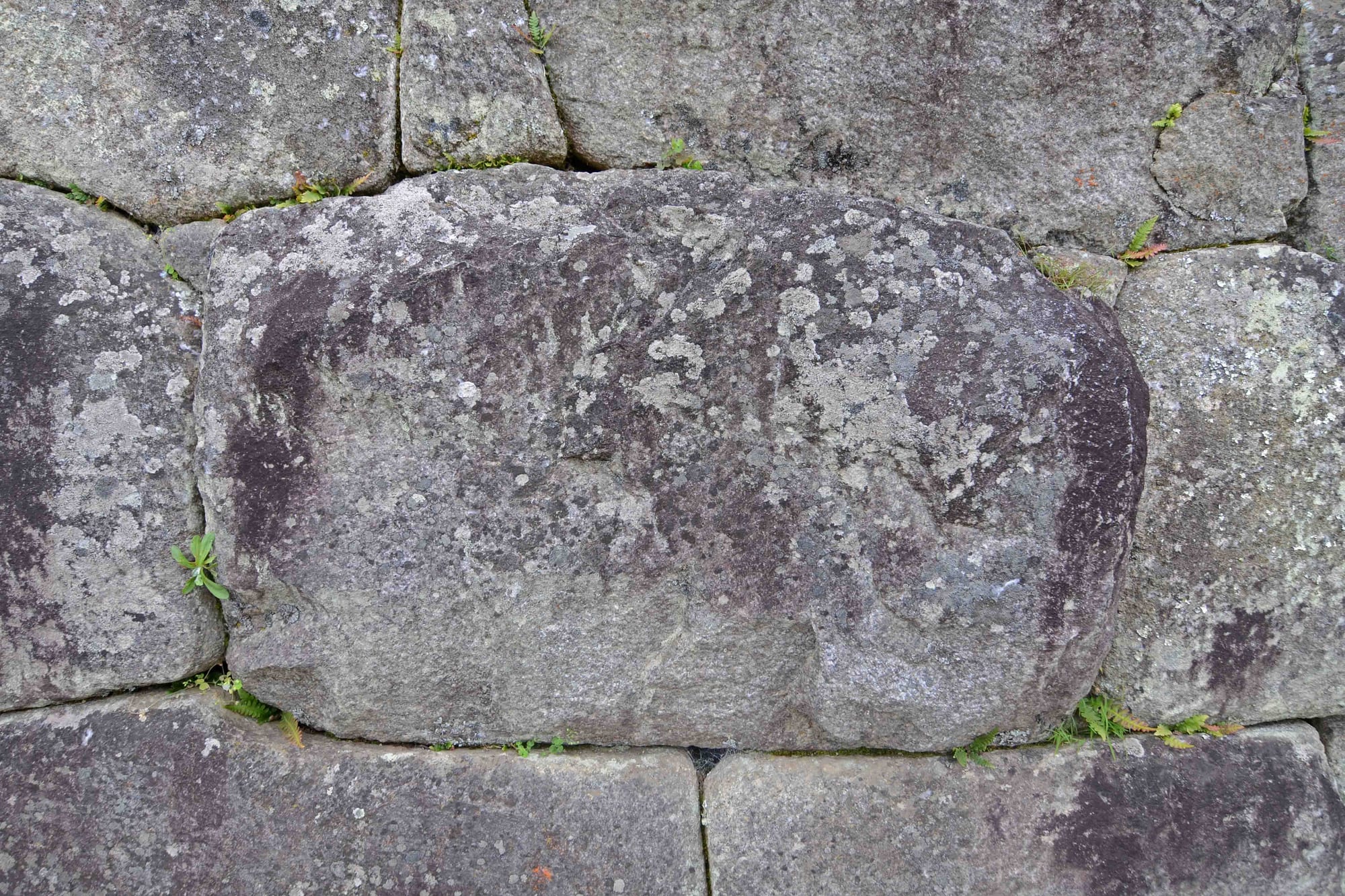
Much of the stone could be taken from the site itself, from rock already broken up by the faults below.
Rain was the other enemy. More than 1,800 millimetres falls here in a year, so the terraces were built in layers that drain, topped with fertile soil carried up from the valley floor. Yet the terraces covered only about 4.9 hectares, not enough to feed everyone. Much of the food had to be brought in from surrounding valleys, and that dependence matters to the story of its end.
Why everyone left
Machu Picchu was not passed down to the next emperor in the line of succession, and it worked only as part of a functioning empire that sent workers, food and llamas for meat up the mountain. When that empire fell apart, Machu Picchu lost its reason to exist.
The fall came quickly. Around 1527 the emperor Huayna Capac and his heir died suddenly, possibly of smallpox, a disease the Spanish had brought to the Americas, and it spread ahead of the invaders themselves. A war of succession between his sons Huáscar and Atahualpa followed. In 1532 Francisco Pizarro and 168 Spanish soldiers captured Atahualpa at Cajamarca, and over the following decades the Spanish took control of the Andes, finally crushing Inca resistance in 1572.
Historians think the people of Machu Picchu left around this time, in the middle of the 16th century. With Inca rule collapsing, there was no imperial system left to supply and staff an estate on a ridge that could not feed itself. Disease may have finished what politics began: it is possible that most of the inhabitants died of smallpox before the conquistadors ever reached the area. In the late 16th century local people still spoke of returning to "Huayna Picchu", but over time the forest closed over it.
Machu Picchu, from estate to ruin
- About 1420–1450
Building begins on Pachacuti's estate above the Urubamba; the exact date is debated.
- About 1527
Huayna Capac dies, possibly of smallpox, opening a war over the succession.
- 1532
Pizarro's force captures Atahualpa at Cajamarca.
- Mid-16th century
Machu Picchu is abandoned as Inca rule collapses.
- 1572
The last Inca resistance falls to the Spanish.
- 1902
Agustín Lizárraga reaches the ruins and writes his name on a temple wall.
- 24 July 1911
Melchor Arteaga guides Hiram Bingham to the site.
Lost, found and argued over
Machu Picchu was never entirely lost to the people who lived nearby. In 1902 the Peruvian explorer Agustín Lizárraga cleared his way to the stone buildings and wrote "A. Lizárraga 1902" in charcoal on the Temple of the Three Windows. When the American historian Hiram Bingham arrived on 24 July 1911, guided by the farmer Melchor Arteaga, he found two local Quechua farmers working the old terraces, and an 11-year-old boy named Pablito, son of one of them, led him to the main ruins.
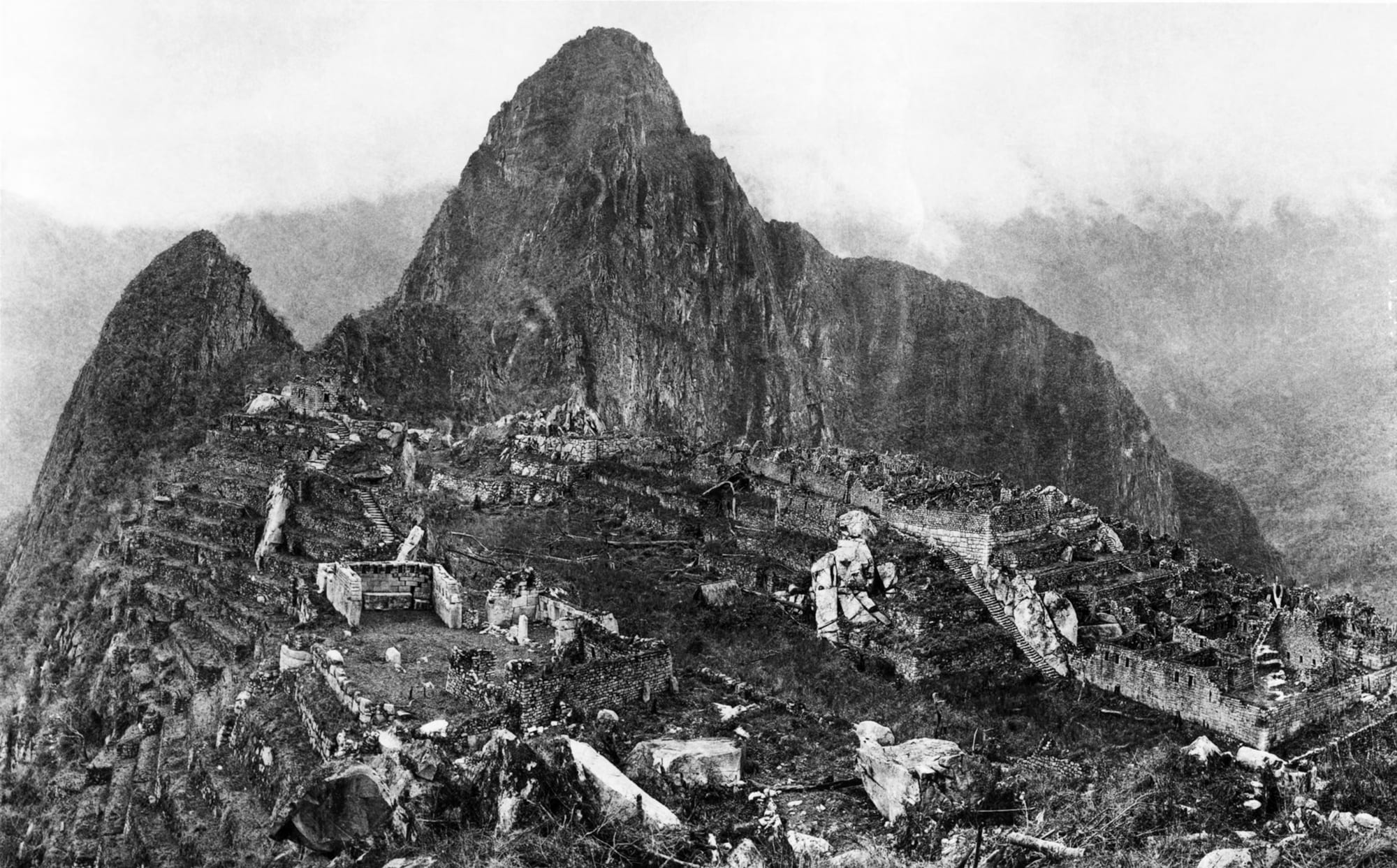
Bingham's expeditions of 1912, 1914 and 1915 cleared and excavated the site and made its pictures famous around the world.
Bingham was searching for the last refuge of the Incas, where they held out against the Spanish. He came to believe Machu Picchu was that "Lost City of the Incas", but he was wrong: the real refuge was Vilcabamba, at Espíritu Pampa, a site he had actually visited without recognising it. None of his theories about Machu Picchu's purpose has survived later research. The thousands of objects he took to Yale University became a long dispute, settled only when the last of them returned to Cusco in 2012.
Seeing it today
Machu Picchu became a UNESCO World Heritage Site in 1983 and received more than 1.5 million visitors in 2025, making it Peru's most visited site. About 200 buildings stand on terraces around a central square. Mists often rise from the river in the morning. The Intihuatana is worth watching around 11 November and 30 January, when the sun at midday stands almost directly above it and it casts no shadow.