History
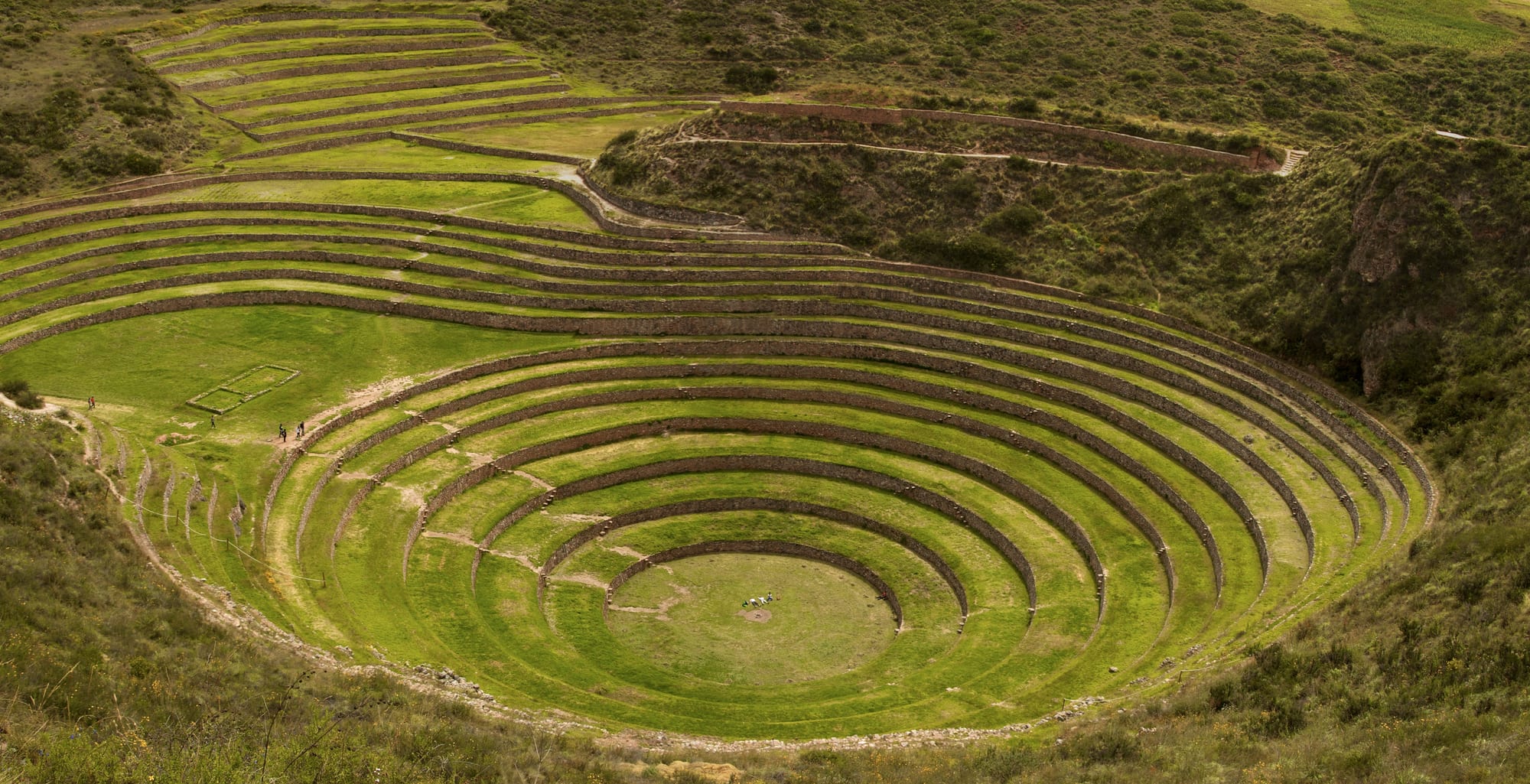
Cusco was the centre of the Inca world. From a small kingdom in the valley, the Inca under Pachacuti and his successors built in the 15th century an empire that ran the length of the Andes, and remade Cusco as a capital of fitted stone walls, with the sun temple of Qorikancha at its heart and the fortress of Sacsayhuamán above. Royal estates were laid out in the Urubamba valley, among them Machu Picchu, built around 1450. Around Titicaca, earlier peoples of the Pukara and Tiwanaku traditions and then the Aymara-speaking Colla and Lupaca kingdoms held the high plain before the Inca absorbed them.
The Spanish took Cusco in 1533. Manco Inca besieged it in 1536, then withdrew to Vilcabamba, where an Inca state held out until 1572, when Túpac Amaru I was captured and executed in Cusco's main square. Colonial Cusco became a city of churches and a centre of painting, and in 1780 José Gabriel Condorcanqui, as Túpac Amaru II, led a great rebellion from the Cusco highlands; he was executed in the city in 1781. Machu Picchu, never found by the Spanish, became world famous after Hiram Bingham's visit in 1911.
In the 20th century a 1950 earthquake damaged much of Cusco, land reform broke up the haciendas, and tourism transformed the city. Gold mining has reshaped Madre de Dios, and copper mining at Las Bambas in Apurímac has brought repeated road blockades. Since December 2022 Puno and Cusco have been centres of the protests against the government, and on 9 January 2023, 17 civilians were killed in Juliaca during clashes between protesters and security forces.