History
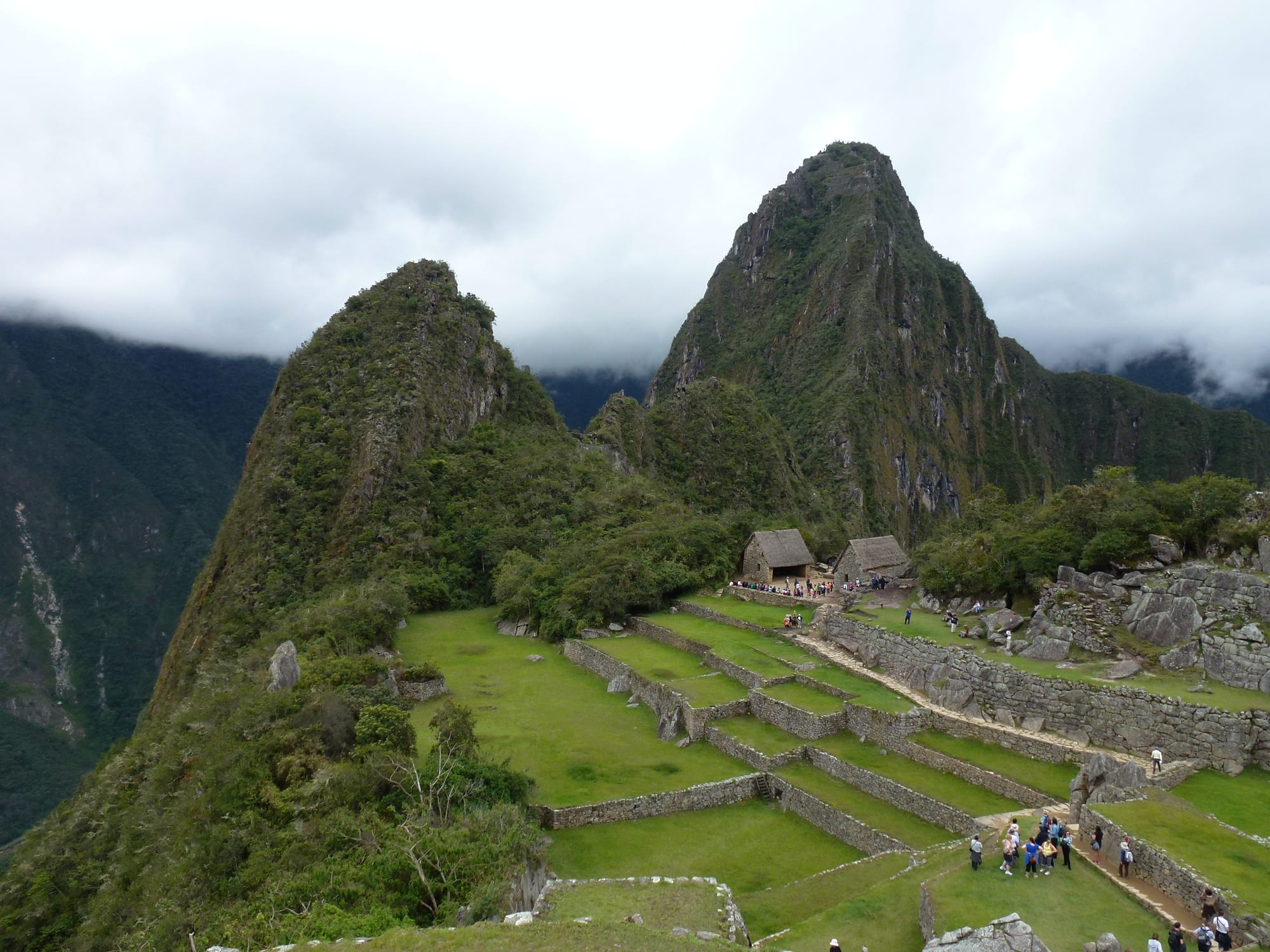
Peru is the cradle of Andean civilisation. Caral, on the coast, was a city 4,600 years ago, followed by the Chavín, the Nazca who scored their vast lines into the desert, the Moche and Chimú of the north coast, and the Wari, before the Inca built the largest empire in the pre-Columbian Americas from Cusco in barely a century, bound together by a road network that ran the length of the Andes. Francisco Pizarro's small Spanish force toppled it in 1532, helped by an Inca civil war, epidemic disease, and native allies.
Peru became the core of Spanish South America — the Viceroyalty of Peru, with Lima its capital and the silver of Potosí passing through it — and the setting for the great Indigenous uprising led by Túpac Amaru II in 1780. Independence, declared in 1821, was only secured in 1824 at Junín and Ayacucho, Peru being among the last redoubts of Spanish power. The nineteenth century brought instability, a guano boom, and the loss of the War of the Pacific (1879–1884) to Chile, which occupied Lima.
After democracy returned in 1980, an internal conflict against the Maoist Shining Path and the smaller MRTA killed some 69,000 people, most of them Quechua-speaking rural poor. Alberto Fujimori (1990–2000) beat hyperinflation and defeated the Shining Path but ruled through a "self-coup", death squads, and the forced sterilisation of hundreds of thousands of mostly Indigenous women before a corruption scandal ended his rule. In the quarter-century since, one president after another has been removed from office or imprisoned amid corruption allegations; Pedro Castillo was arrested in 2022 after trying to dissolve Congress, and the deadly protests under his successor Dina Boluarte left a human-rights crisis. Congress removed Boluarte in October 2025 amid a crime wave and fresh protests; two caretaker presidents followed in quick succession, and Keiko Fujimori, daughter of Alberto, won the June 2026 run-off and was sworn in on 28 July 2026.
- Peru: The Andean Core — The seat of the largest empire in the pre-Columbian Americas — conquered by a few hundred Spaniards, ruled for three centuries as the richest viceroyalty, a slow and contested independence, and a modern history swinging between oligarchy, military reform, insurgency and autocracy