💰 Budget
Piura is an inexpensive working city rather than a resort. Hotels in the centre are reasonably priced, set lunches are cheap, and taxis and mototaxis cost little. Trips to the beaches and to Catacaos and Chulucanas add transport costs.
- Daily Budget Midrange
- USD 75–150 (mid-range hotel, restaurant meals, taxis and day trips)
- Daily Budget Shoestring
- USD 25–50 (budget hotel or hostel, menú lunches, colectivos)
Piura is the usual flight hub for the northern beaches; a night here breaks the journey to Máncora or Colán.
📅 Best Time to Visit
Piura is hot all year, which is why it is called the city of eternal heat. The months from about May to November are a little cooler and reliably dry. December to April is hotter and the beach season, and in El Niño years heavy rain can bring floods.
⏳ Suggested Number of Days
One or two days are enough for the city itself. Allow three or four to add the craft towns and the coast; travellers heading to the beaches usually treat Piura as a stopover.
- First Visit
- 1–2 days
- With Surroundings
- 3–4 days
🚆 Transportation
Taxis, mototaxis and combis cover the city; agree fares in advance or use an app. Colectivos and buses link Piura with Catacaos, Sullana, Paita, Chulucanas and the coast, and long-distance coaches leave from the bus companies' terminals for Lima, Chiclayo, Máncora and Tumbes.
Use app-based or hotel taxis, never hail one on the street or at the airport.
🛬 Airport & Station Connections
Capitán FAP Guillermo Concha Iberico International Airport, the main airport of the Piura region, is in Castilla district, about 2 km from the main square and 130 km from Máncora, with flights to Lima. Piura is 981 km from Lima by road, a long overnight coach journey.
🚶 Walkability
The centre is flat and compact, and the streets around the Plaza de Armas are easy to walk, though the heat makes the middle of the day tiring. Castilla is across the river by bridge; Catacaos and the coast need transport.
🛡️ Safety
The standard tourist circuit — Lima's Miraflores and Barranco, Cusco, the Sacred Valley, Arequipa, Puno — is generally safe with urban precautions, but crime has risen. In Piura, theft, bag-snatching and robbery in street-hailed taxis occur. El Niño rains can flood the city and cut roads, as in 1983, 1998 and 2017.
Use app-based or hotel taxis, keep valuables out of sight, and follow local advice in the rainy season. Check current official travel advice before travelling.
🌦️ Climate
Hot and dry all year, with very little rain except in El Niño years, when downpours fill normally dry watercourses and cause floods and landslides. The meeting of cold and warm ocean currents off the coast shapes the weather.
- Summer
- December to April is hot and sunny across the region, at about 28–34°C, with offshore sea temperatures of 23–27°C
- Winter
- June to September stays warm and dry, with offshore sea temperatures of about 18–23°C
🤝 Local Customs
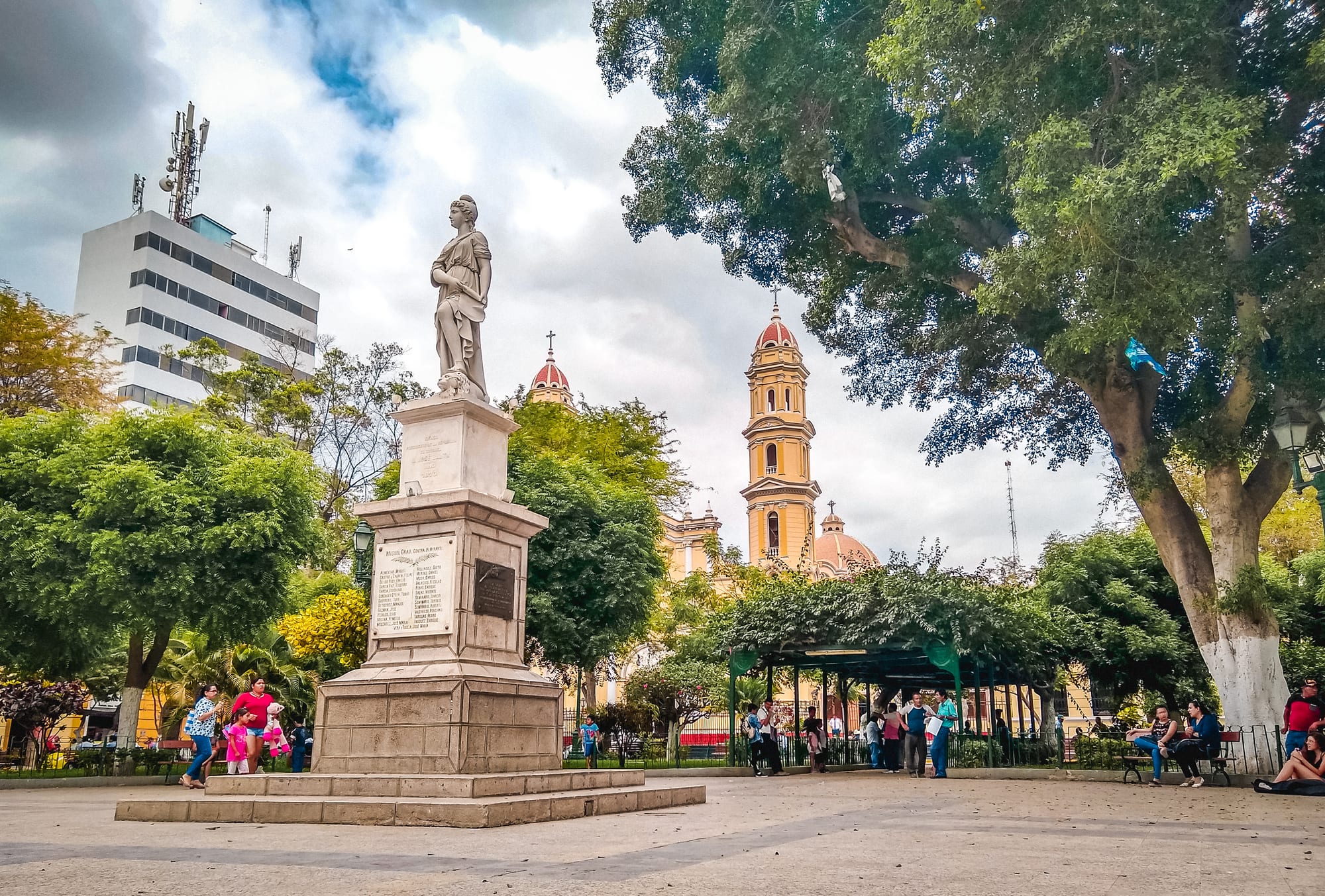
Piuranos are proud of their mixed heritage, their food and their music, and of Miguel Grau, the naval hero of the War of the Pacific. Daily life slows in the afternoon heat. Light, loose clothing is normal, but churches expect covered shoulders. A tip of around 10 per cent is usual in sit-down restaurants.
Ask before photographing artisans at work in Catacaos, and dress modestly in churches.
💳 Common Payment Methods
The currency is the sol (PEN). Cards are widely used in shops, malls and larger restaurants; cash is needed for markets, mototaxis, colectivos and small eateries. ATMs are common and charge fees, and US dollars are easily exchanged.