💰 Budget
Tarapoto is affordable. Guesthouses, set lunches and mototaxis are cheap, and many of the waterfalls charge only small entry fees. The main extras are flights, air-conditioned rooms, guided trips to the forest reserves and the occasional resort outside town.
- Daily Budget Midrange
- USD 70–150 (air-conditioned hotel with pool, restaurant meals, day trips by hired car or tour)
- Daily Budget Shoestring
- USD 25–45 (hostel or guesthouse, menú lunches, mototaxis and shared taxis)
Ask whether a room has air conditioning and hot water before booking — many do not — and agree mototaxi fares before setting off.
📅 Best Time to Visit
Tarapoto is warm all year. June and July, the driest months, bring easier trails; March and April are the wettest months, when paths to the falls turn muddy but the water runs high. June has the San Juan festival and July the patronal fiesta.
⏳ Suggested Number of Days
Two or three days are enough for a first visit to the city and its immediate surroundings. Four to six allow for the outlying towns, lakes and forest reserves, and more time is needed if Tarapoto is used as the base for the wider region, since road journeys are long.
- First Visit
- 2–3 days
- With Surroundings
- 4–6 days
🚆 Transportation
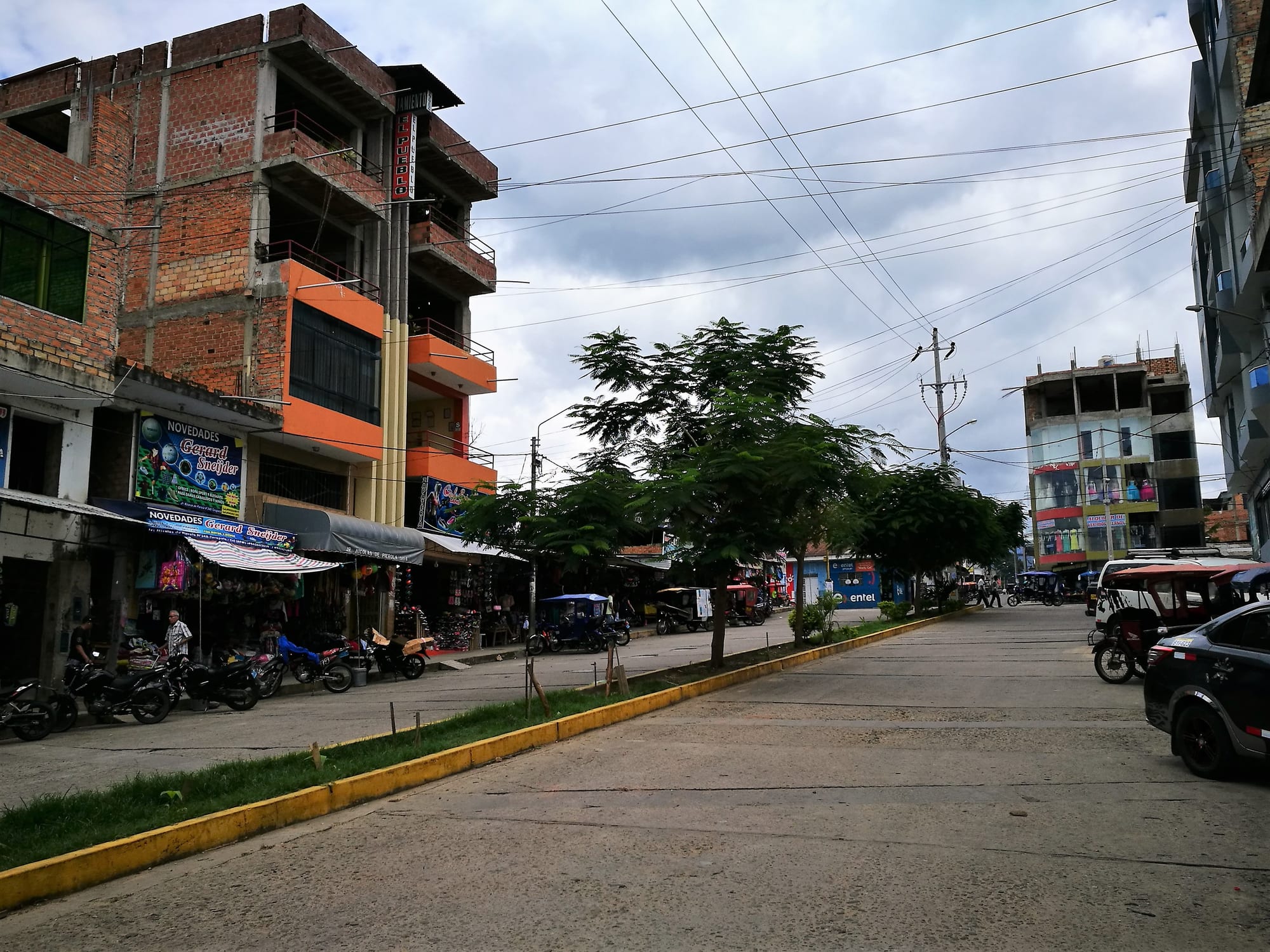
The mototaxi — a motorcycle rickshaw — is the most common way to get around, with car taxis in smaller numbers. Shared taxis and minibuses run to Lamas, Sauce, Moyobamba and Yurimaguas, and many waterfalls are reached by hiring a mototaxi or car to the trailhead. The main junctions can be very noisy with traffic.
Agree the fare before getting in, and ask the driver to slow down if needed; some mototaxi drivers are reckless.
🛬 Airport & Station Connections
Cadete FAP Guillermo del Castillo Paredes Airport, the main airport of the San Martín region, has daily flights from Lima and some flights to other Amazon and northern cities. Buses from Lima take a day or more via the coast, Chiclayo, Pedro Ruiz and Moyobamba, and a paved highway links the city with the river port of Yurimaguas.
🚶 Walkability
The centre around the Plaza de Armas is easy to walk, though the heat and the traffic noise make long walks tiring by midday. The city spreads over several districts, so mototaxis are the normal way to cover distances, and the falls and reserves outside town need transport.
🛡️ Safety
Cajamarca, Chachapoyas, Tarapoto and Iquitos are generally calm, with petty theft the usual risk. Traffic is the more common danger, from fast mototaxis and motorcycles. Forest trails to the falls can be slippery and involve river crossings, and dengue occurs in the lowlands.
Use guides for the more difficult forest trails, carry insect repellent, and get advice on yellow fever and other vaccinations before travelling. Check current official travel advice before travelling.
🌦️ Climate
A tropical monsoon climate with rain spread through the year; June and July are the driest months. Temperatures range from about 21 to 33°C.
- Summer
- December–February is hot and humid, with temperatures up to about 33°C; the heaviest rain comes in March and April
- Winter
- June and July are the driest months, though they still have some downpours; temperatures stay within the year-round range of about 21–33°C
🤝 Local Customs
Tarapoto is relaxed, informal and proud of its food and drinks. Visitors are noticed, since foreigners are fewer than in Cusco or Lima, and are generally treated warmly. Light clothing is normal in the heat, but modest dress is still expected in churches. In Lamas and Wayku, Kichwa-Lamista families should be asked before they are photographed.
The jungle liquors sold in bars are strong; drink them slowly. Ask before photographing people, especially in Indigenous communities.
💳 Common Payment Methods
The currency is the Peruvian sol. Cards are taken in larger hotels, supermarkets and many restaurants, but mototaxis, markets, small eateries and waterfall entry fees are paid in cash, so small notes and coins are useful.