Food · Peru
Peru: Food and the National Dish
Raw fish cured in citrus, from a country whose coast, mountains and Amazon have produced one of South America's most celebrated cuisines
By Worldlore Editorial · 30 September 2026
A cuisine built from coast, mountains and rainforest at once
Peru's geography, a narrow Pacific coast, the high Andes and a large share of Amazon rainforest, gives it a genuinely wide range of ingredients within one country, and Peruvian cooking has become one of South America's most internationally celebrated cuisines as a result, drawing on Indigenous, Spanish, African, Chinese and Japanese influences all at once.
The national dish: ceviche
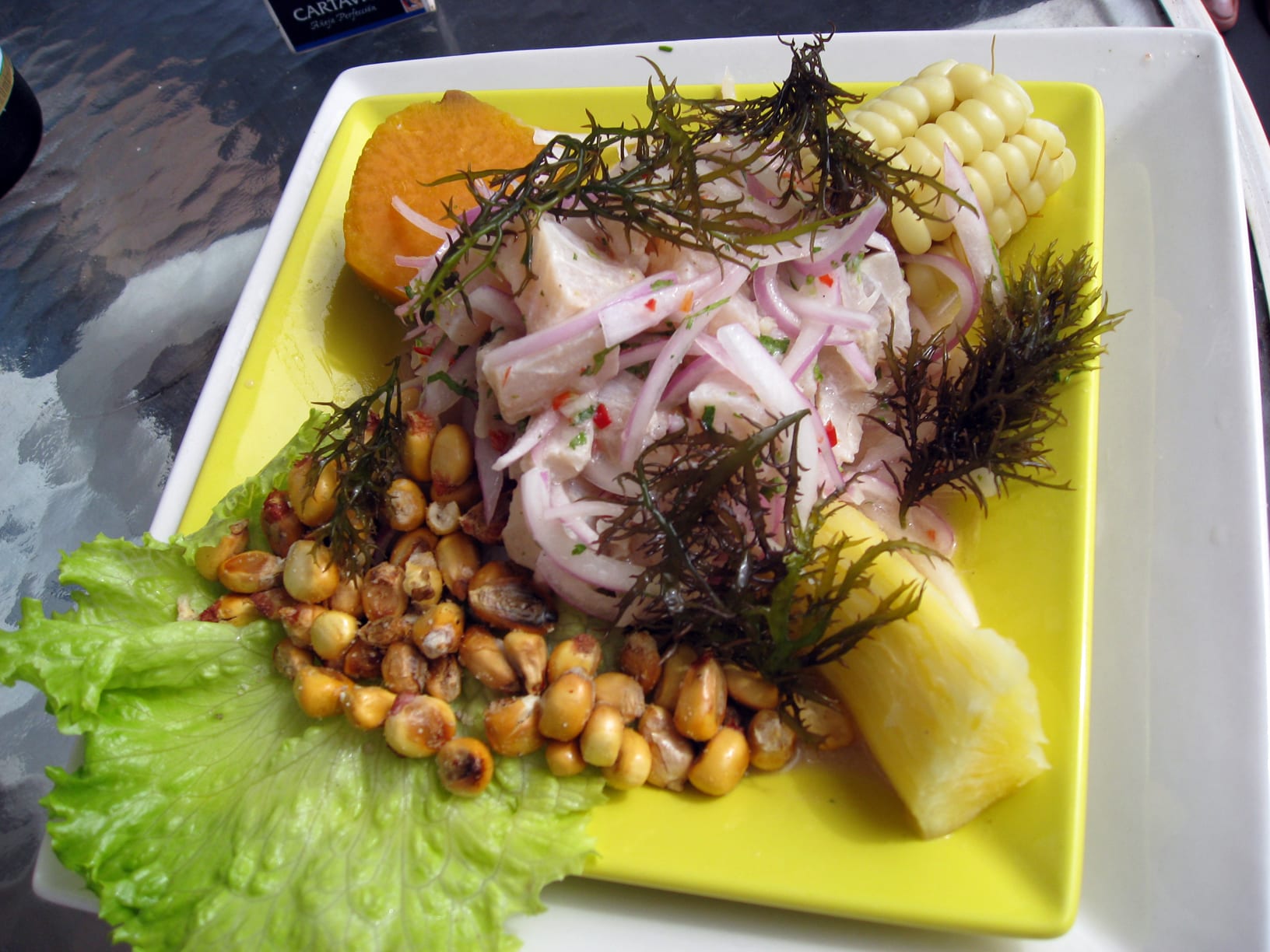
Ceviche, raw fish cured in fresh lime juice with onion, chilli and salt, typically served with sweet potato, corn and toasted maize alongside it, is widely considered Peru's national dish and has been declared part of the country's national heritage. In December 2023 UNESCO inscribed the practices and meanings associated with the preparation and consumption of ceviche, an expression of Peruvian traditional cuisine, on its Representative List of the Intangible Cultural Heritage of Humanity, while closely related versions are eaten across other Pacific Latin American countries.
Potatoes, corn and a genuinely layered pantry
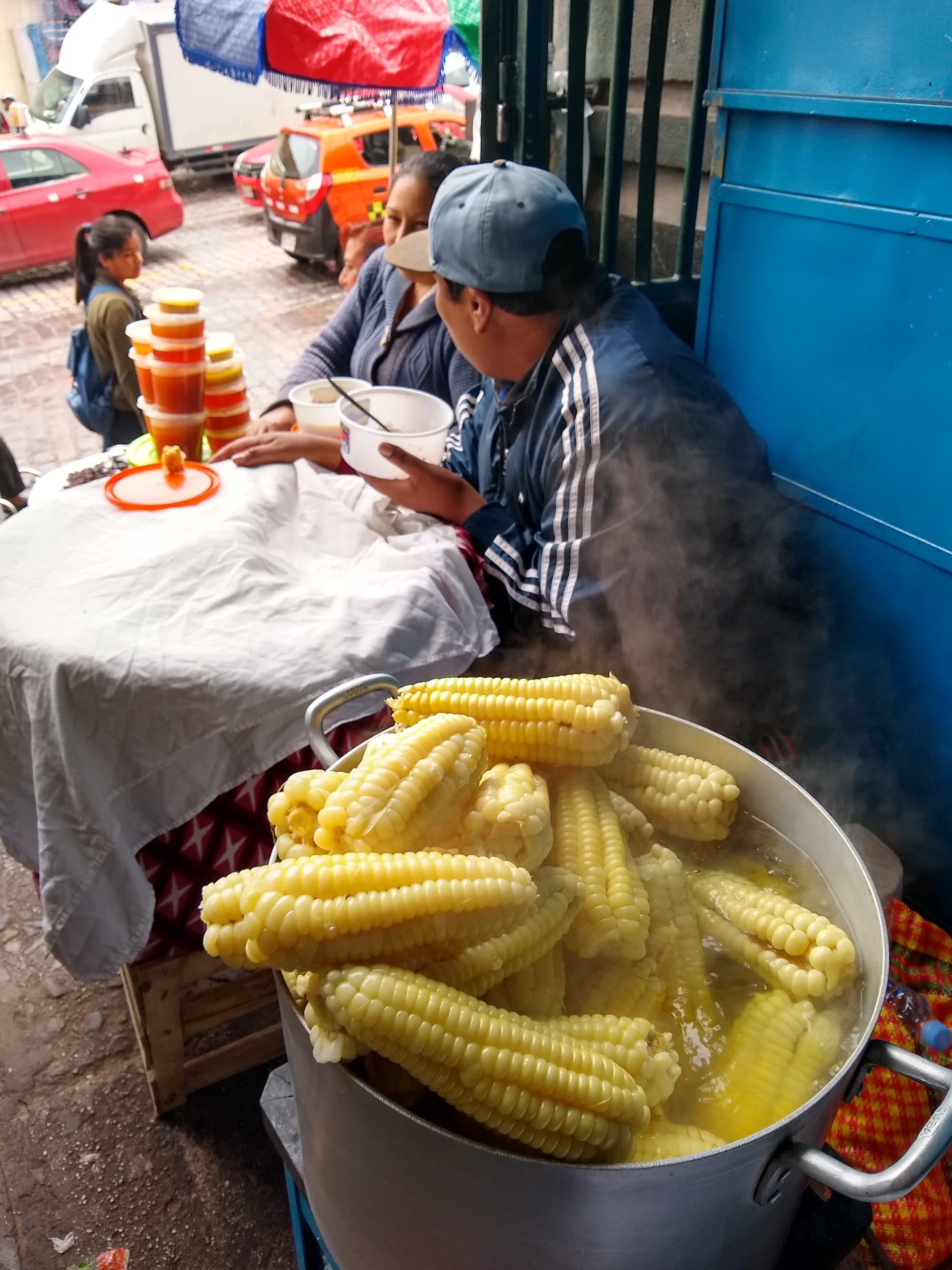
Peru is home to thousands of native potato varieties along with choclo, a large-kernelled Andean corn, both staples that predate European contact by thousands of years. Chilli peppers, particularly ají amarillo, quinoa and a wide range of seafood along the coast round out a pantry that varies sharply between the Andean highlands, the arid coast and the Amazon basin.
History behind the layers
Indigenous Andean farming, built around potatoes, corn and quinoa, formed the base of Peruvian food long before Spanish colonisation introduced cattle, citrus, rice, wheat, onions and garlic. Later waves of Chinese and Japanese migration, beginning with Chinese contract labourers from 1849, added their own genuinely lasting influence, chifa (Chinese-Peruvian) cooking and Nikkei (Japanese-Peruvian) cuisine, both still widely eaten today rather than treated as separate or foreign traditions.
Dishes to know
Five more to recognise across Peru:
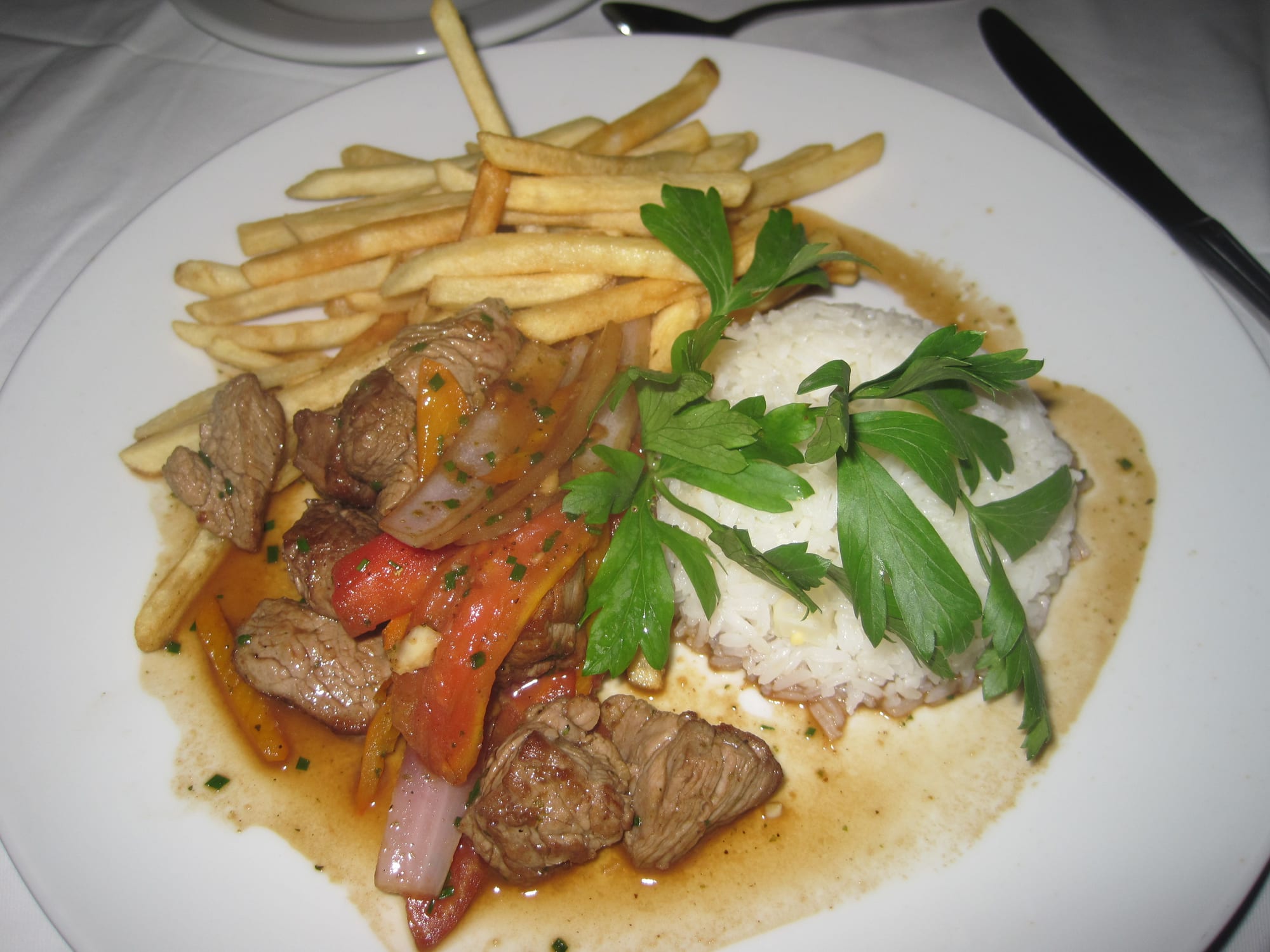
- Lomo saltado — stir-fried beef with tomatoes, onions and soy sauce,
served with fries and rice, a genuine chifa-influenced classic.
- Aji de gallina — a stew of shredded chicken in a sauce built on
onion, garlic and ají amarillo.
- Causa — layers of mashed yellow potato kneaded with chilli and
lemon, filled typically with white meat such as chicken.
- Anticuchos — grilled skewers, traditionally made from beef heart, a
common street-food favourite.
- Rocoto relleno — a rocoto pepper stuffed with minced meat, topped
with cheese and baked, an Arequipa speciality.
Drinks
Pisco, a grape brandy distilled in Peru's wine regions and regarded as the national drink (Chile also makes pisco and disputes its origin), is the base of the pisco sour, Peru's best-known cocktail. Chicha morada, a sweet drink made from purple corn, and coca tea, legal in Peru and drunk especially in the Andes, are widely drunk non-alcoholic alternatives.
Eating as a traveller
Vegetarians will find potato, corn and quinoa-based dishes manageable, though fish and meat dominate most signature dishes. Tap water is not safe to drink; bottled water is the standard default. Trying ceviche at a cevichería, a restaurant devoted to it, is the classic local way to experience the dish.
What to take from the table
Ceviche, recognised by UNESCO and eaten nationwide, is the dish that best captures Peru's food identity — but the country's true depth shows in how much else its coast, mountains and rainforest each bring to the table.