💰 Budget
Lima is Peru's most expensive city for rooms, and its best-known restaurants charge international prices, but the set menú lunch, market food and buses keep everyday costs low. Miraflores, Barranco and San Isidro cost more than the historic centre. App-based taxis between districts add up over a long stay.
- Daily Budget Midrange
- USD 90–190 (mid-range hotel in Miraflores or Barranco, restaurant dinners, museum tickets, app-based taxis)
- Daily Budget Shoestring
- USD 35–60 (hostel bed in Miraflores, menú lunches, market food, Metropolitano buses)
Eat the set menú at lunchtime and keep a tasting-menu restaurant for one night; walking the Miraflores clifftop, Kennedy Park and the Plaza Mayor costs nothing.
📅 Best Time to Visit
December to April is Lima's sunny season, when the beaches fill and the weather is warm. From about May to November a low grey cloud covers the city, with a fine morning drizzle, the garúa, most frequent from June to September. Lima can be visited all year; October brings the great purple processions of the Señor de los Milagros.
⏳ Suggested Number of Days
Two or three days cover a first visit to Lima; four allow time for an excursion beyond the city as well. Traffic between the districts is slow, so staying in one base and grouping nearby areas together makes the time go further.
- First Visit
- 2–3 days
- With Surroundings
- 4 days
🚆 Transportation
Lima is huge and traffic is heavy at most hours. The Metropolitano, a rapid bus system opened in 2007, runs from the north to the south of the city. Line 1 of the metro was completed in 2010, and the first stage of Line 2 is in service. Most visitors use app-based taxis between districts.
Use app-based or hotel taxis rather than hailing one on the street, and allow extra time for traffic when heading to the airport. Tipping is not practised in taxis.
🛬 Airport & Station Connections
Jorge Chávez International Airport, Peru's main hub, is in Callao, about 11 km north-west of the historic centre and 17 km from Miraflores; a new passenger terminal replaced the old one on 1 June 2025. The drive can be slow in traffic. Long-distance coaches link Lima with the whole country, including Paracas in about four hours and Huaraz in about eight.
🚶 Walkability
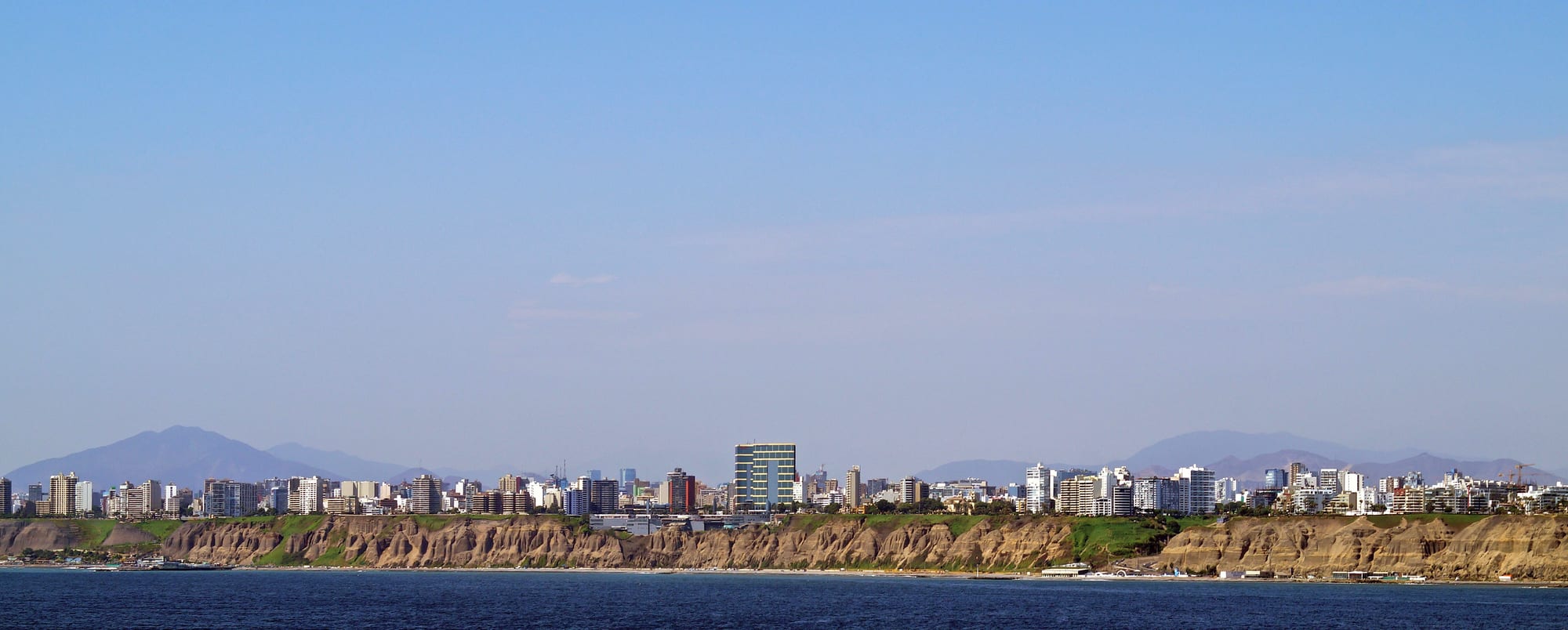
The historic centre is compact and best seen on foot, with the Plaza Mayor, San Francisco and Plaza San Martín a few blocks apart. Miraflores and Barranco are pleasant to walk, with clifftop paths above the Costa Verde. The distances between districts are large, though, and crossing the city on foot is not practical.
🛡️ Safety
The standard tourist circuit — Lima's Miraflores and Barranco, Cusco, the Sacred Valley, Arequipa, Puno — is generally safe with urban precautions, but crime has risen. Theft is common in central Lima, on buses and around the bus terminals, and extortion of bus companies and small businesses by criminal gangs has led to strikes and states of emergency, including one for Lima and Callao declared in October 2025. The whole coast is seismic.
Use app-based taxis, keep phones out of sight on the street, and carry only what is needed in the centre. Check current official travel advice before travelling.
🌦️ Climate
Lima lies in a coastal desert that barely sees rain, but the cold sea keeps it mild. From about May to November a low grey cloud and drizzle hang over the city and keep it cool and damp; the summer months are sunny and humid.
- Summer
- December–April, sunny and humid, around 25–30°C
- Winter
- about May–November, grey and cool, around 14–19°C, with morning drizzle
🤝 Local Customs
Churches in the historic centre are working places of worship, so modest dress and quiet are expected, and the October processions draw very large crowds. Ask before photographing people, especially vendors and dancers.
Tipping is not practised in taxis. Dress modestly in churches and keep voices low during services.
💳 Common Payment Methods
The currency is the sol (PEN). Cards are widely accepted in Miraflores, Barranco and San Isidro, though not everywhere; carry cash for markets, small eateries and buses. ATMs are common but most charge high fees. US dollars are easily exchanged.