💰 Budget
Moorea is expensive by world standards but cheaper than Bora Bora, and it is the easiest island in French Polynesia to visit independently. Pensions de famille, self-catering studios and the ferry from Tahiti keep costs down, while beachfront resorts and lagoon excursions raise them quickly. Almost all food is imported, so supermarket prices are high.
- Daily Budget Midrange
- USD 350–750 (mid-range hotel or upper pension, restaurant meals, a lagoon tour and a hire car)
- Daily Budget Shoestring
- USD 130–210 (pension or studio, self-catering and snack bars, ferry and shared transport)
The ferry from Papeete needs no advance booking for passengers; hiring a car or scooter for a day or two covers the ring road and costs less than repeated taxis.
📅 Best Time to Visit
May to October is drier, less humid and breezier, with the clearest water for snorkelling and diving. Humpback whales pass between July and October, and July brings Heiva festivities. January to March is the wettest stretch, with heavy showers, mosquitoes and a cyclone risk.
⏳ Suggested Number of Days
Two or three days cover the island's coast, interior and lagoon at an easy pace. A longer stay of five or six days suits those combining Moorea with Tahiti or waiting on weather for boat trips and walks.
- First Visit
- 2–3 days
- With Surroundings
- 5–6 days
🚆 Transportation
A single sealed road of about 60 kilometres runs round the island, with spurs inland to the Ōpūnohu valley and the Belvédère. Hire cars, scooters and bicycles are the usual way to get about; a limited bus service meets some ferries, and taxis are few and costly. Lagoon boats and dive centres collect guests from hotel jetties.
Distances along the ring road are longer than they look, so plan on a vehicle rather than walking between coasts, and carry cash for fuel stations.
🛬 Airport & Station Connections
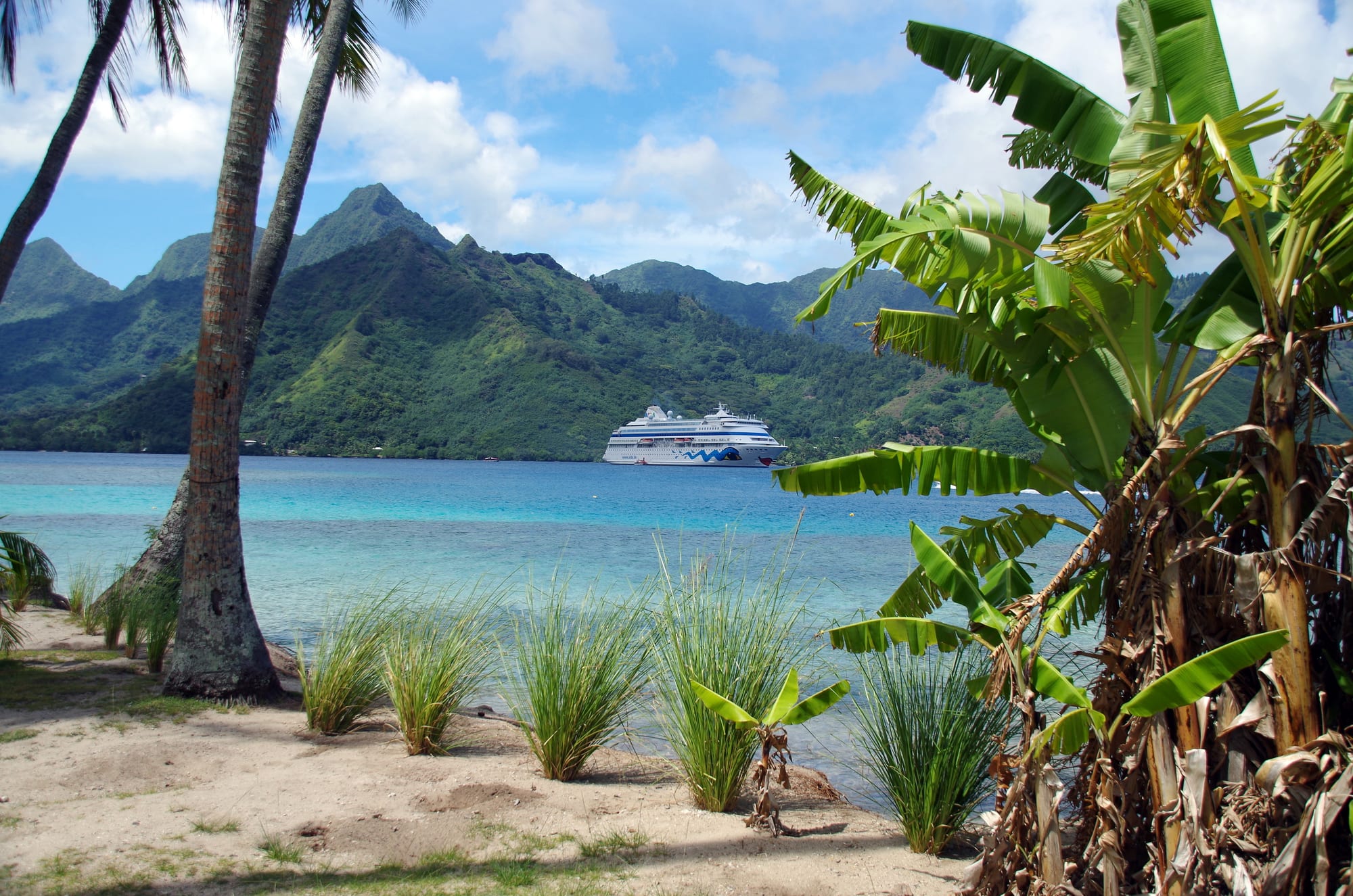
Most visitors arrive by ferry from Papeete on Tahiti, a crossing of about 30 to 45 minutes to Vaiare, with several sailings a day and space for vehicles on some of them. Air Tahiti also flies from Tahiti's international airport to Temae in a few minutes. Cruise ships anchor off the north coast and land passengers by tender.
🚶 Walkability
Individual villages and beaches are easy on foot, and the Ōpūnohu valley tracks make good walks, but the island as a whole is spread along a long coast road with narrow verges and little lighting. Getting between the bays, the west coast and the ferry needs wheels or a boat.
🛡️ Safety
Crime is low and mostly limited to theft from cars, beaches and unlocked rooms. The hazards worth attention are in the water and on the hills: currents in the reef passes, sharp coral, sudden heavy rain on steep tracks and the strength of the sun. Medical facilities on the island are limited, with serious cases transferred to Tahiti.
Take a guide for the interior ridges, leave nothing in a parked hire car, use reef-safe sun protection, and check cyclone forecasts between December and March. Check current official travel advice before travelling.
🌦️ Climate
Tropical and warm throughout the year, with a humid wet season from November to April and a drier, breezier season from May to October. The island lies south of the equator, so the hottest months are December to February; the west coast is noticeably drier than the bays.
- Summer
- December to February is hot and humid, with highs usually around 30–32 °C, nights near 24 °C, heavy afternoon showers and a cyclone risk
- Winter
- June to August is drier and slightly cooler, with highs around 27–29 °C, nights near 21 °C and steady trade winds
🤝 Local Customs
French and Tahitian are both in daily use, and English is spoken in hotels and dive centres. A greeting — 'ia ora na' or 'bonjour' — comes before any question. Swimwear is for the beach and boat, not for shops or churches, and Sunday morning belongs to well-attended services with formal dress. Marae and other stone sites are treated as sacred ground.
Tipping is not expected; ask before photographing people or homes, do not climb on or remove stones from marae, and take off shoes when entering a house.
💳 Common Payment Methods
The currency is the CFP franc, pegged to the euro. Cards work at hotels, restaurants, dive centres, petrol stations and the supermarkets around Maharepa and Pao Pao, but cash is needed for roadside stalls, the market, small pensions and some boat trips. Cash machines are in the main villages and near the ferry quay.