💰 Budget
Ubon is inexpensive even by Isan standards, and sees few foreign visitors outside July. Hotels range from simple guesthouses near the centre to business hotels on the northern road, and a full meal from a market grill costs very little. The one cost that rises sharply is the candle festival week, when rooms are booked out and prices climb.
- Daily Budget Midrange
- USD 55–110 (good city hotel, restaurant meals, a car and driver for the Mekong day trips)
- Daily Budget Shoestring
- USD 20–40 (guesthouse room, market food, songthaews and shared transport)
Book a room months ahead for the candle festival, and hire a car or driver for a day to reach Pha Taem and Khong Chiam, which are hard to combine by bus.
📅 Best Time to Visit
November to February is dry and comparatively cool, and the best time for the river and the cliffs. July brings the candle festival, the city's busiest week, in humid weather. March to May is very hot on the plateau, often above 38°C, though the Mekong potholes at Sam Phan Bok are exposed only in the dry months.
⏳ Suggested Number of Days
The city itself is a comfortable day or two. Adding the Mekong borderland east of it — the cliffs, the river confluence and the rapids — takes three or four days, more in festival week, when processions and crowds slow everything down.
- First Visit
- 1–2 days
- With Surroundings
- 3–4 days
🚆 Transportation
Songthaews, small pick-up buses with numbered routes, are the local transport, with motorcycle taxis and ride-hailing apps in the centre. Taxis are few by Bangkok standards. Distances within the built-up area are short, but the sights east of the city are spread along the Mekong, and most visitors hire a car, a driver or a motorbike for them.
Agree a price before a motorcycle taxi or a hired car sets off, and take care on the two-lane highways east, which carry heavy lorry traffic.
🛬 Airport & Station Connections
Ubon Ratchathani Airport sits on the northern edge of the city, a few kilometres from the centre, with frequent flights from Bangkok's two airports taking about an hour. The northeastern railway from Bangkok ends at Warin Chamrap across the river, about 575 kilometres from Bangkok by rail, with day trains and overnight sleepers. Buses run from Bangkok's Mo Chit terminal and between the Isan cities.
🚶 Walkability
The old centre is flat and compact, and the museum, the central field, the main market and several temples are within a walk of each other. Beyond that the city spreads along wide roads with uneven pavements, little shade and fast traffic, so most people use songthaews or a motorbike. Walking is far easier in the cool season and in the early morning.
🛡️ Safety
Ubon is a calm provincial city and crime affecting visitors is rare. The real risks are road traffic, the heat of March to May, and the Mun and Mekong in the rainy season, when currents are strong and low districts have flooded badly in recent years. Cliff viewpoints in the national parks have unfenced edges.
Wear a helmet on a motorbike, keep back from cliff edges and flooded roads, drink plenty of water in the hot season, and follow local and official advice before visiting temples or crossings near the Cambodian border. Check current official travel advice before travelling.
🌦️ Climate
A tropical savanna climate with three clear seasons: hot and dry from March to May, wet from about May to October with heavy afternoon storms, and cool and dry from November to February. Rainfall here is higher than on the western plateau, and the Mun can flood late in the wet season.
- Summer
- very hot, commonly 33–39°C in April, with warm nights and little rain until the monsoon breaks
- Winter
- warm days around 30°C and pleasant nights, sometimes falling to 15°C or below in December and January
🤝 Local Customs
This is a devout part of Thailand with many forest monasteries, and temple etiquette matters: shoulders and knees covered, shoes off in buildings, feet never pointed at a Buddha image, and no touching of monks by women. The wai, a slight bow with palms together, is the usual greeting. People speak Isan, a form of Lao, among themselves and Thai at work, and a few words of either are welcomed.
Permission should be asked before photographing monks or ceremonies, modest dress is expected at monasteries, raised voices and comment on the monarchy are best avoided, and meditation monasteries expect silence from visitors.
💳 Common Payment Methods
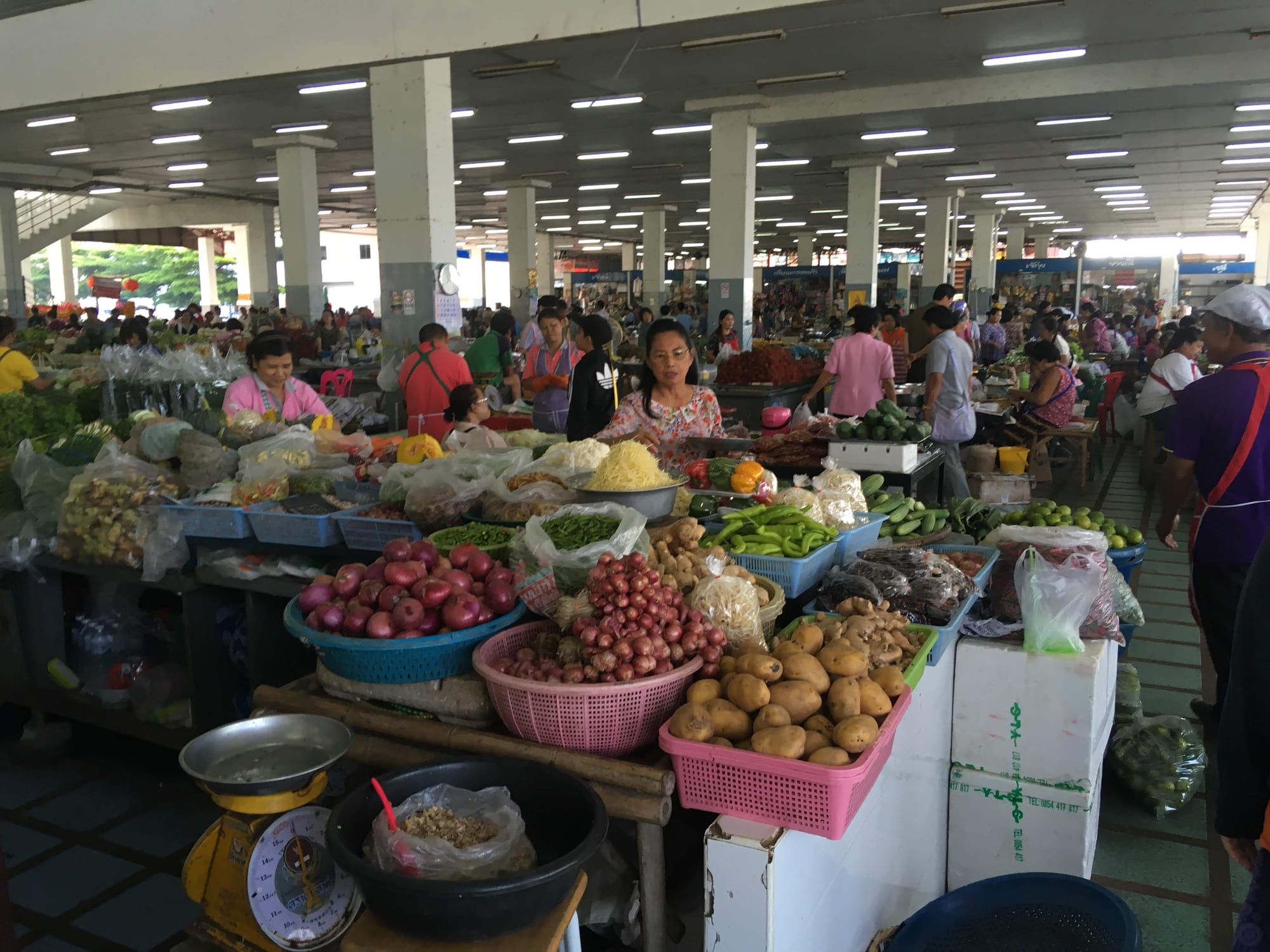
The currency is the Thai baht. Cards work in hotels, malls and larger restaurants, and Thai QR payment is everywhere, but markets, songthaews and small food stalls are cash businesses. ATMs are common in the centre and charge a fee for foreign cards; carry small notes for market shopping.