Attractions & Natural Wonders · Burundi
Burundi: Six Attractions and Natural Wonders
Sandy beaches on one of the world's deepest lakes, hippos in a river-mouth reserve, a curtain of waterfalls on the eastern plateau, and mountain rainforest along the Congo-Nile divide
By Worldlore Editorial · 30 September 2026
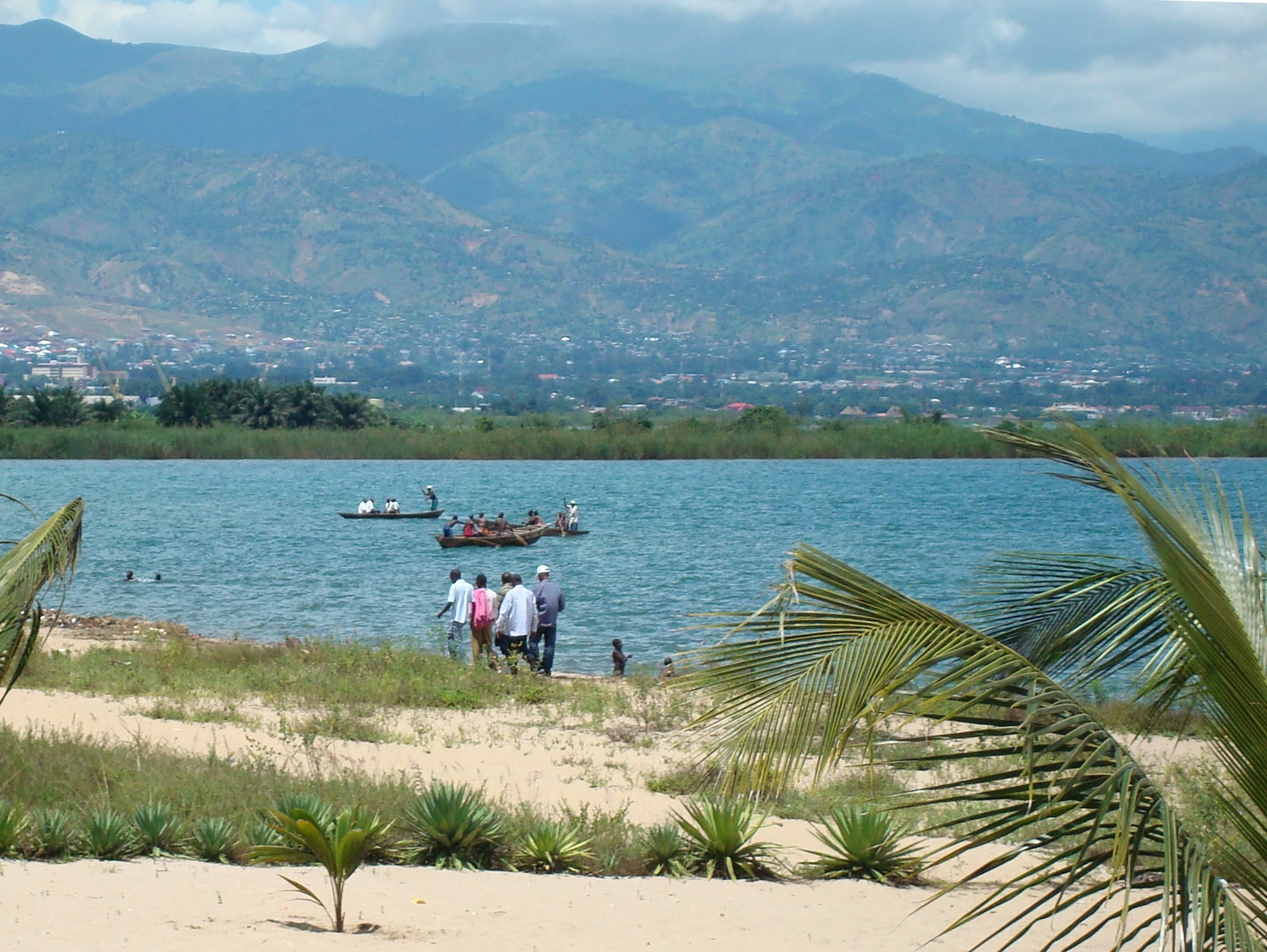
A small country on a great lake
Burundi is a small, hilly, densely populated country in the African Great Lakes region, wedged between Rwanda, Tanzania, and the Democratic Republic of the Congo. It is one of the poorest countries in the world, has almost no tourism infrastructure, and has seen recurring political violence — several governments advise caution or against non-essential travel, the land borders with Rwanda have been closed since January 2024, and armed groups operate across the Congolese border to the west. Its appeal is low-key and natural: the lakeshore, a few national parks, and a strong musical tradition.
The six below are what a visitor realistically sees, most within reach of the main city, Bujumbura, or the political capital, Gitega.
1. The beaches of Lake Tanganyika
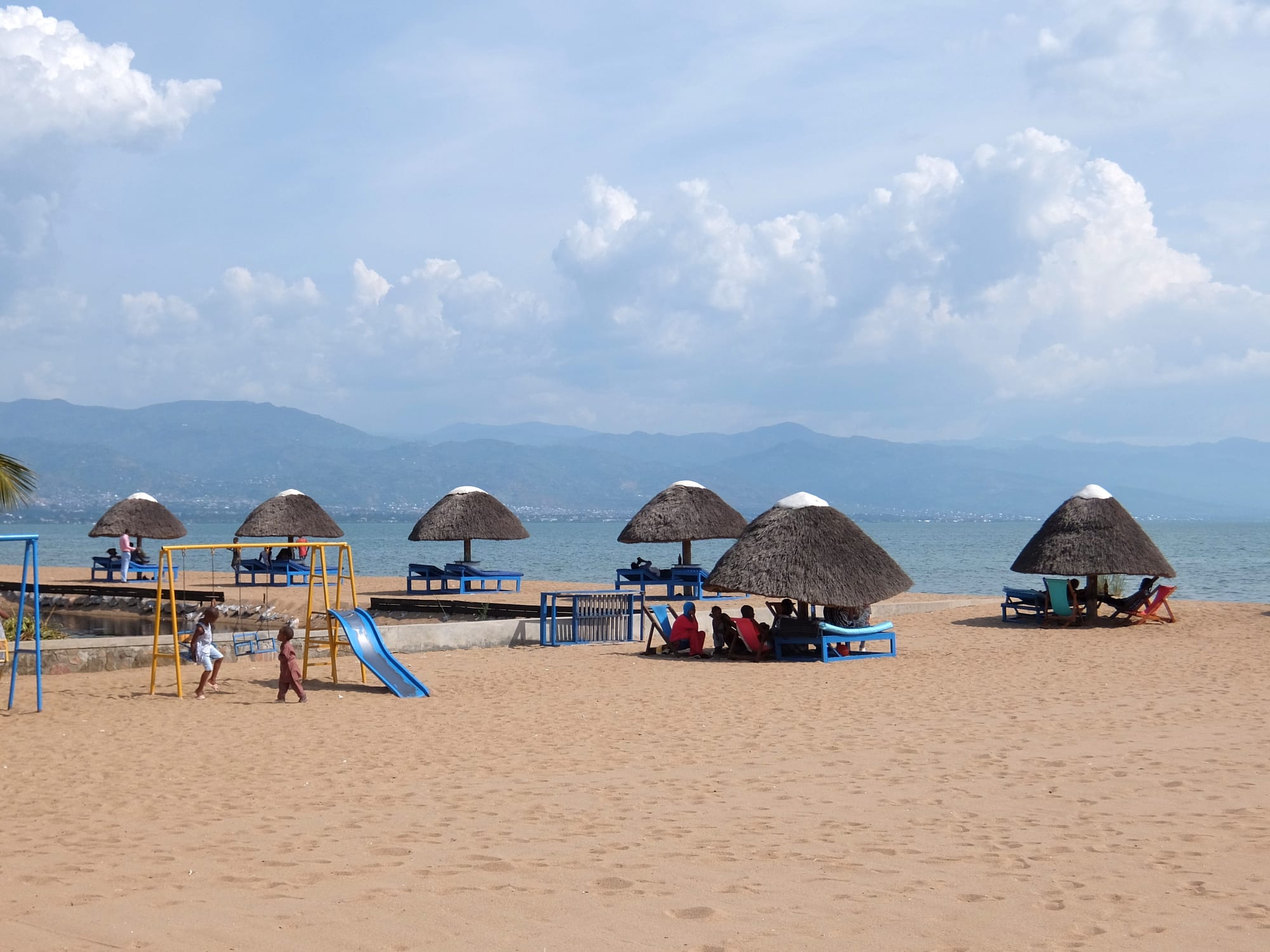
Lake Tanganyika is vast — 1,471 metres deep, second only to Baikal, and holding around 16 percent of the world's available fresh water — and Burundi has its northern end. Just south of Bujumbura, a string of sandy beaches have bars and loungers, with the mountains of the Congo rising across the water.
The lake is home to at least 250 endemic species of cichlid fish, found nowhere else.
2. Rusizi National Park
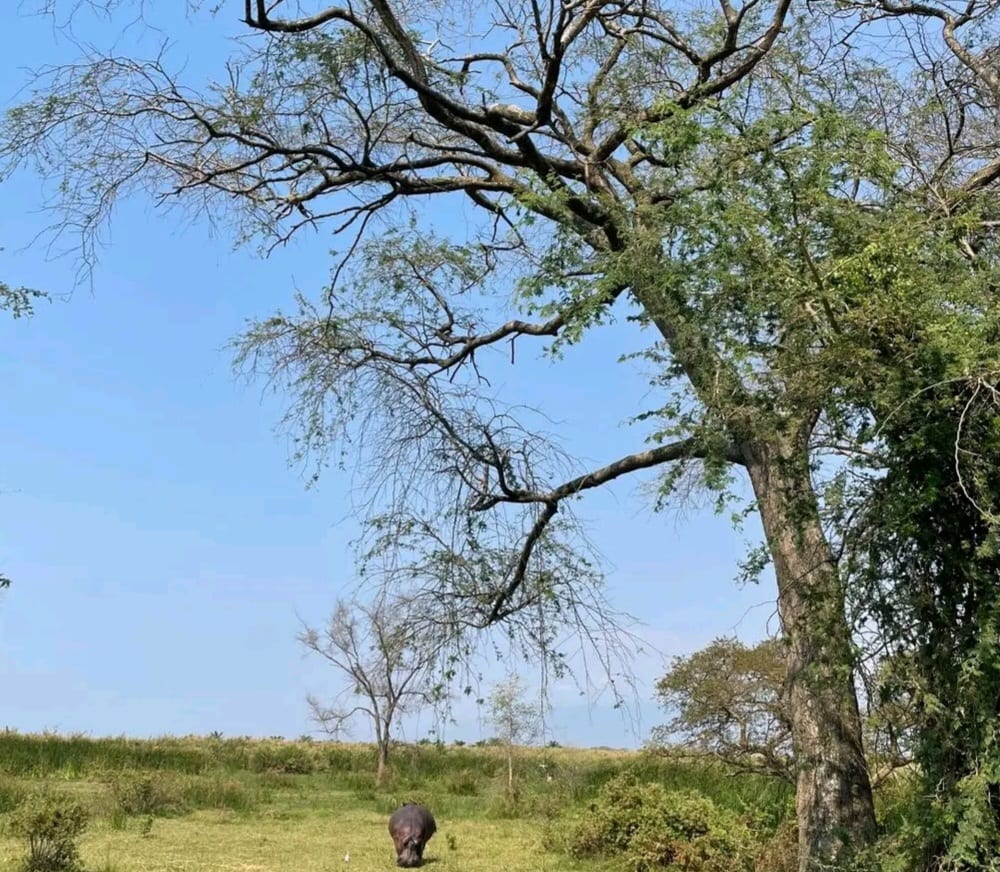
About 15 kilometres north of Bujumbura, the Rusizi (Ruzizi) river spreads into a delta of papyrus swamp and gallery forest before reaching the lake, and it is protected as a small national park. It is the easiest wildlife outing in the country: boat and vehicle trips to see hippos, crocodiles (the river was the haunt of "Gustave", a giant Nile crocodile rumoured to be a man-eater), sitatunga antelope, and many waterbirds.
It makes a half-day trip from the city.
3. The Karera Falls
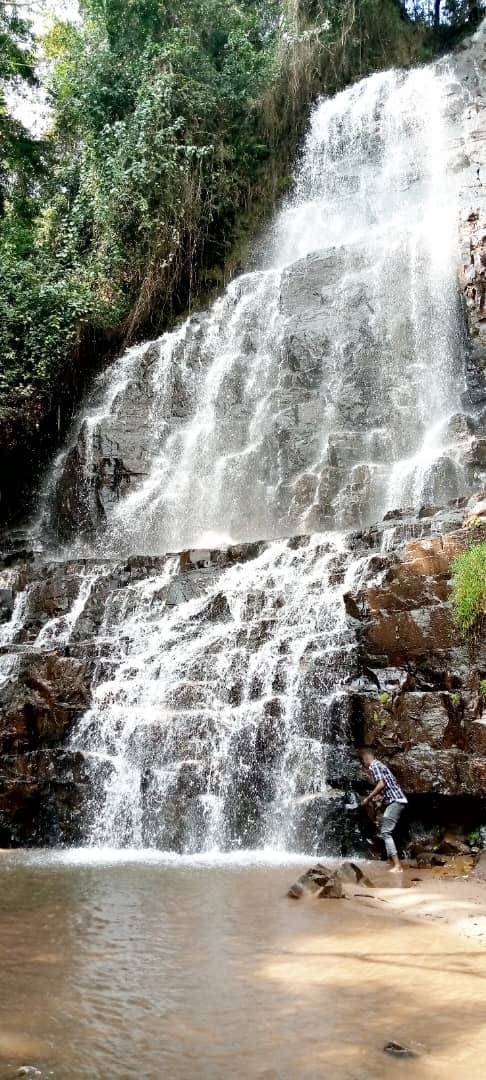
In the southeast, south of the town of Rutana, the Karera falls spread over some 140 hectares: six branches dropping over three levels, the main fall about 80 metres long. Together with the nearby Nyakazu Fault, the site has been on Burundi's UNESCO World Heritage tentative list since 2007 — Burundi has no inscribed World Heritage Site.
The Nyakazu Fault is a dramatic cleft in the escarpment.
4. Kibira National Park
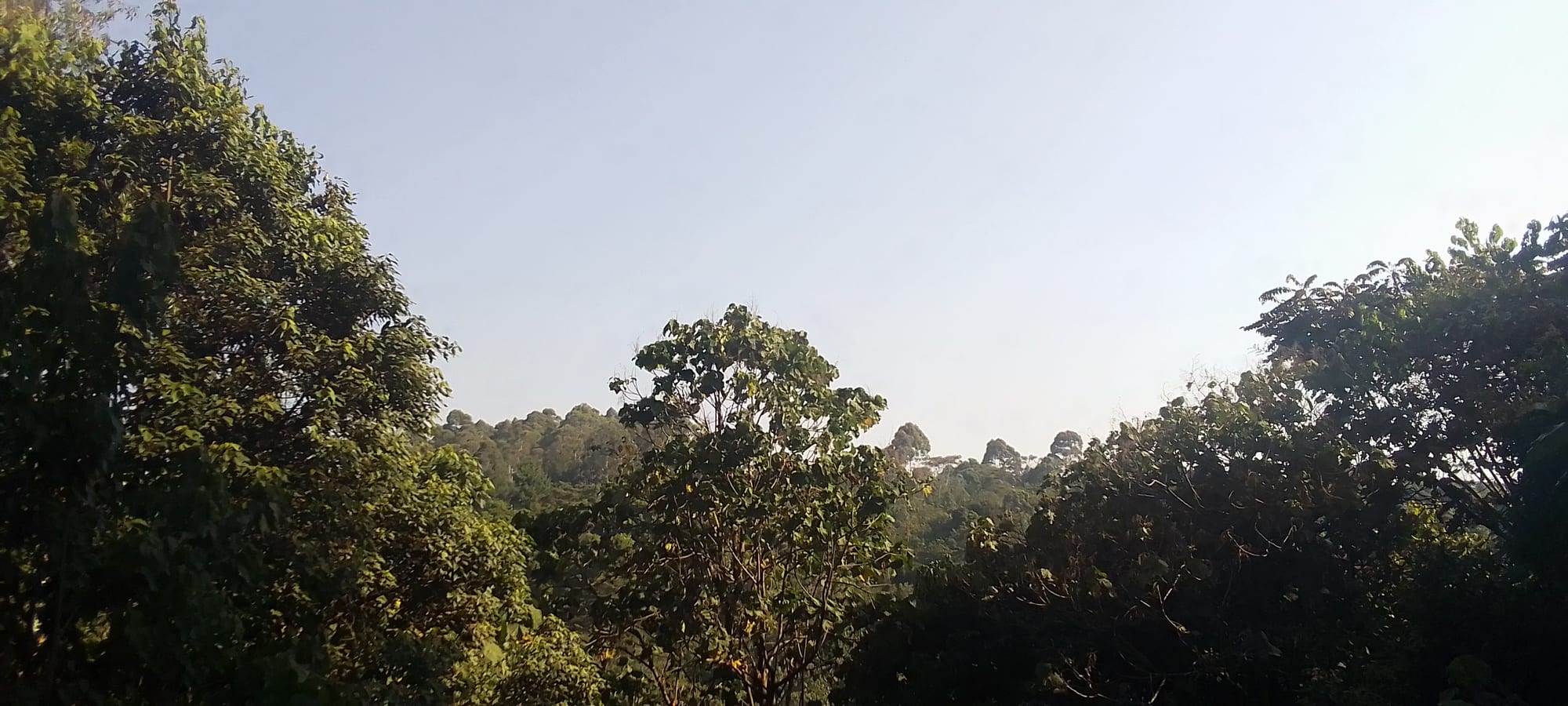
Kibira, in the northwest, covers about 400 square kilometres and holds Burundi's only montane rainforest, running along the Congo-Nile divide and contiguous with Rwanda's Nyungwe National Park. It shelters chimpanzees, black-and-white colobus monkeys, and many birds; until 1933 the forest was a hunting reserve of the kings of Burundi.
Its forests supply more than three-quarters of the water flowing into the country's largest hydroelectric dam.
5. Ruvubu National Park
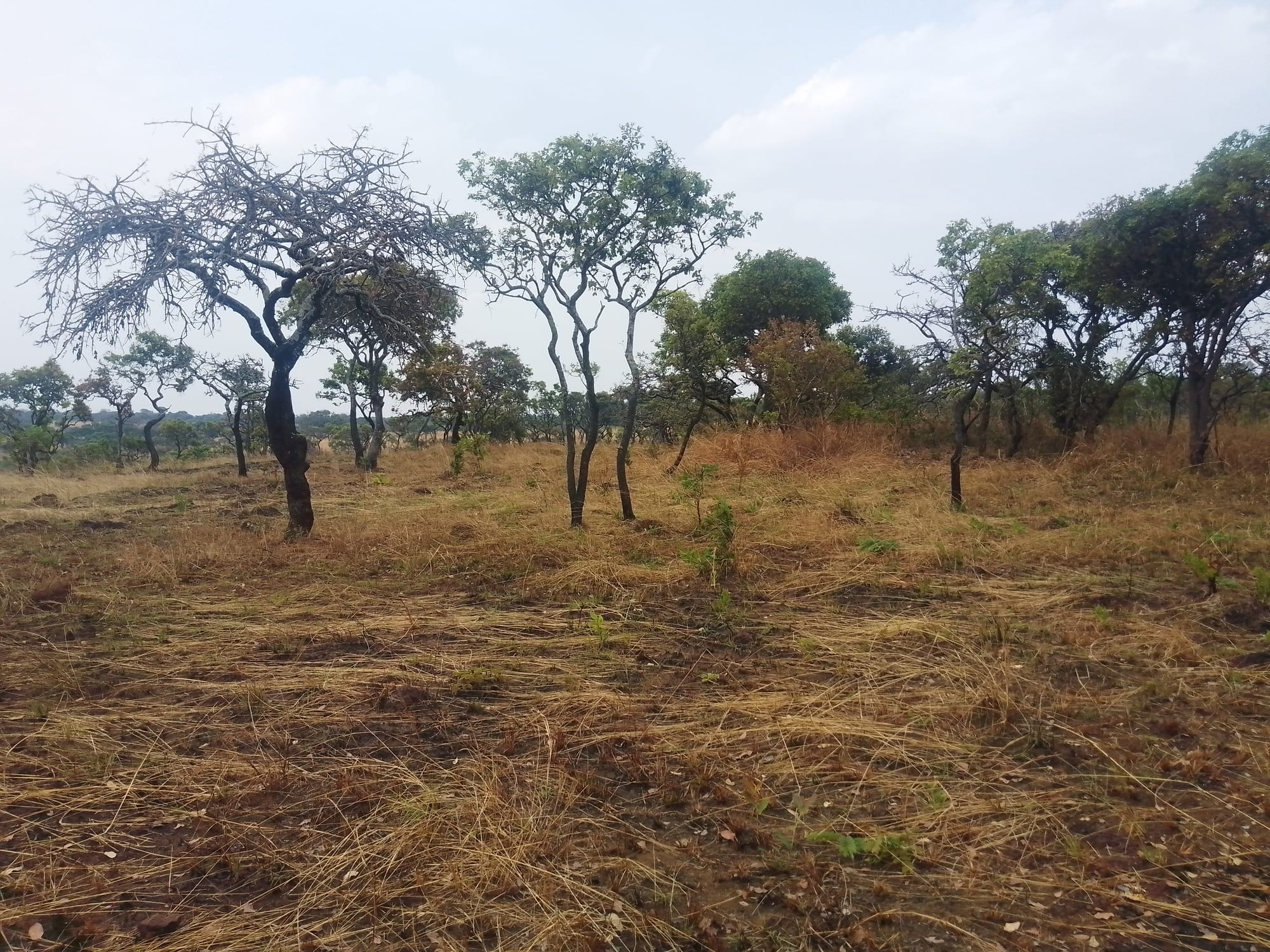
Ruvubu (Rurubu) follows the river of the same name — whose waters gather from the most distant, southern part of the Nile basin — through savannah and gallery forest in the east of the country. It is Burundi's biggest national park and its best chance of open-country wildlife: buffalo, hippo, waterbuck and duikers, five primate species and about 200 kinds of birds, though facilities are minimal.
Established in 1980, it covers 508 square kilometres and is the last remnant of the grassland that once covered most of northeastern Burundi.
6. Bujumbura, Gitega, and the drummers
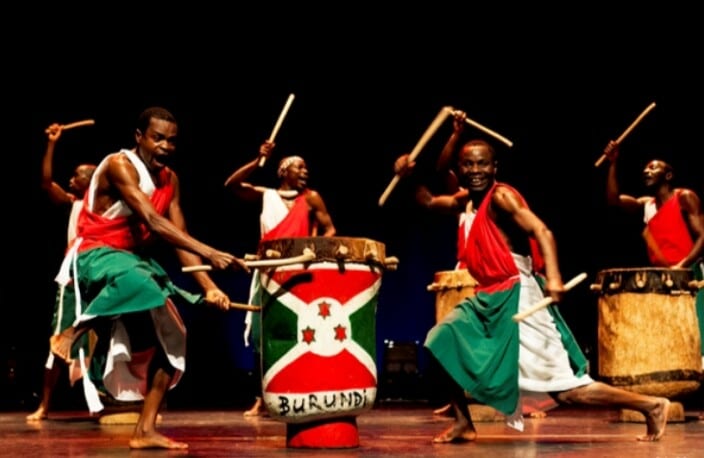
Bujumbura is a low, hot lakeside city of wide avenues, markets, and a modest colonial-era core, with the lakeshore beaches and Rusizi park on its doorstep. Inland and higher, Gitega — the political capital since 2019 — has the national museum, founded in 1955, and lies 7 kilometres from Gishora, a 19th-century royal court that shelters the sanctuary of the sacred drums (on the UNESCO tentative list).
The Royal Drummers of Burundi, whose thunderous, choreographed performance on tall wooden drums carried on the head is on UNESCO's list of intangible heritage (since 2014), are the country's best-known cultural export and have toured the world since the 1960s.
Burundi has very little tourism and a difficult recent history; anyone considering a visit should get current, specific security advice first. For most, it is a place to know about rather than to travel to right now.