Attractions & Natural Wonders · Chad
Chad: Seven Attractions and Natural Wonders
A sandstone labyrinth of arches and towers in the deep Sahara, a canyon pool where desert crocodiles survive, blue lakes that should not exist, and a recovered wildlife park
By Globeway Editorial · 30 September 2026
A note on getting there
Chad is a huge, arid, landlocked country, and one of the least-visited on Earth. Most of its finest scenery is in the far north — the Ennedi and the Tibesti — which means very long overland journeys across the Sahara, permits, armed escorts in places, and organised expeditions rather than independent travel. Parts of the country (the Lake Chad basin, the borders with Libya, Sudan, and the Central African Republic) have serious security problems; check current advice. The seven below are what there is to see, weighted toward the north and the capital.
The northern sites are expeditions of a week or more in the cooler dry months, roughly November to February; Zakouma, in the south, is visited in the dry season and is effectively cut off by the summer rains.
1. The Ennedi Massif
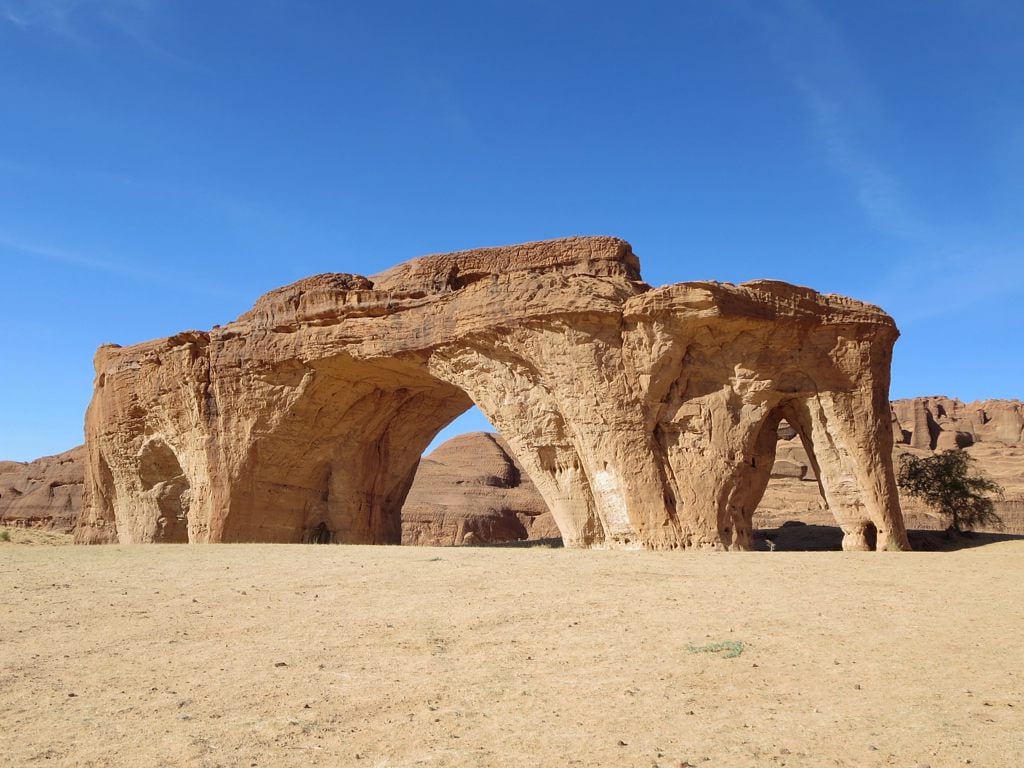
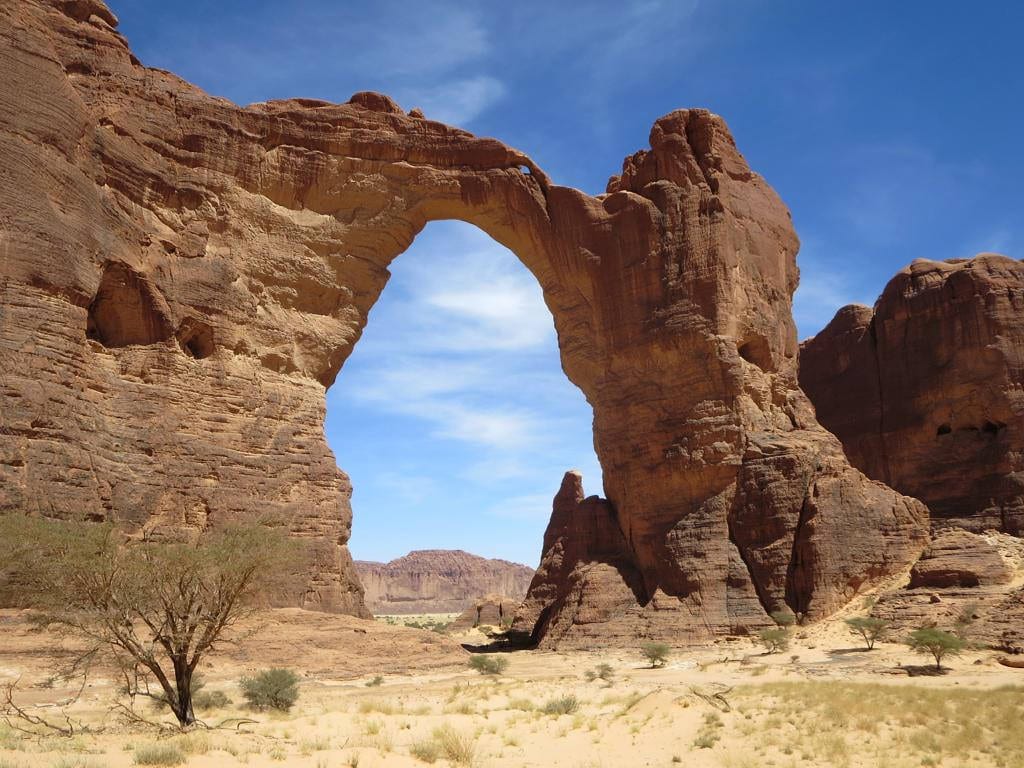
The Ennedi is a sandstone plateau in the northeast, roughly the size of Switzerland, that erosion has carved into a maze of canyons, towers, mushroom rocks, and natural arches — the 120-metre-tall Aloba Arch among the tallest anywhere. Its sheltered gorges also hold thousands of years of rock art and small pockets of greenery. It has been a UNESCO mixed World Heritage Site since 2016.
Reaching it is a multi-day 4x4 crossing, about four days' drive from N'Djamena. Once there, visitors camp among the rocks and drive between the landmarks; there is no infrastructure.
2. The Guelta d'Archei
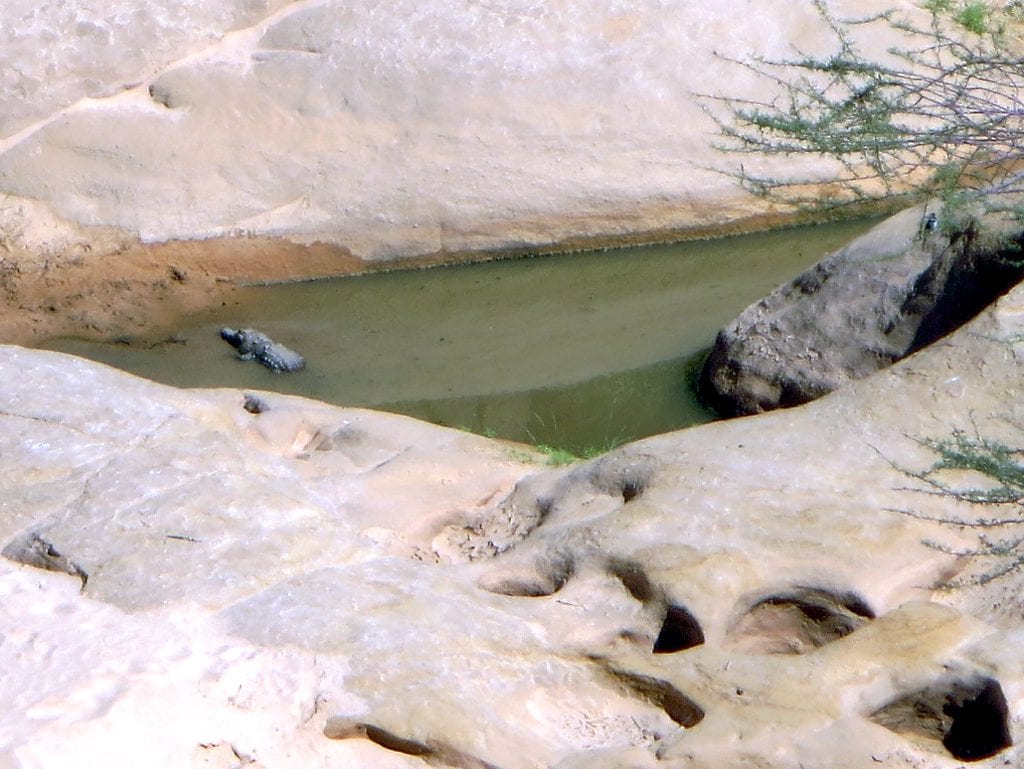
The Guelta d'Archei is the most famous single spot in the Ennedi: a permanent pool of water at the bottom of a narrow, high-walled canyon, south-east of the town of Fada, where herders bring their camels to drink. It also shelters a tiny relict population of West African crocodiles — survivors from a time when the Sahara was green, cut off here for thousands of years.
Visitors walk in through the sand of the canyon floor; the view from the rim above, with camel trains threading toward the water, is the classic image.
3. The Lakes of Ounianga
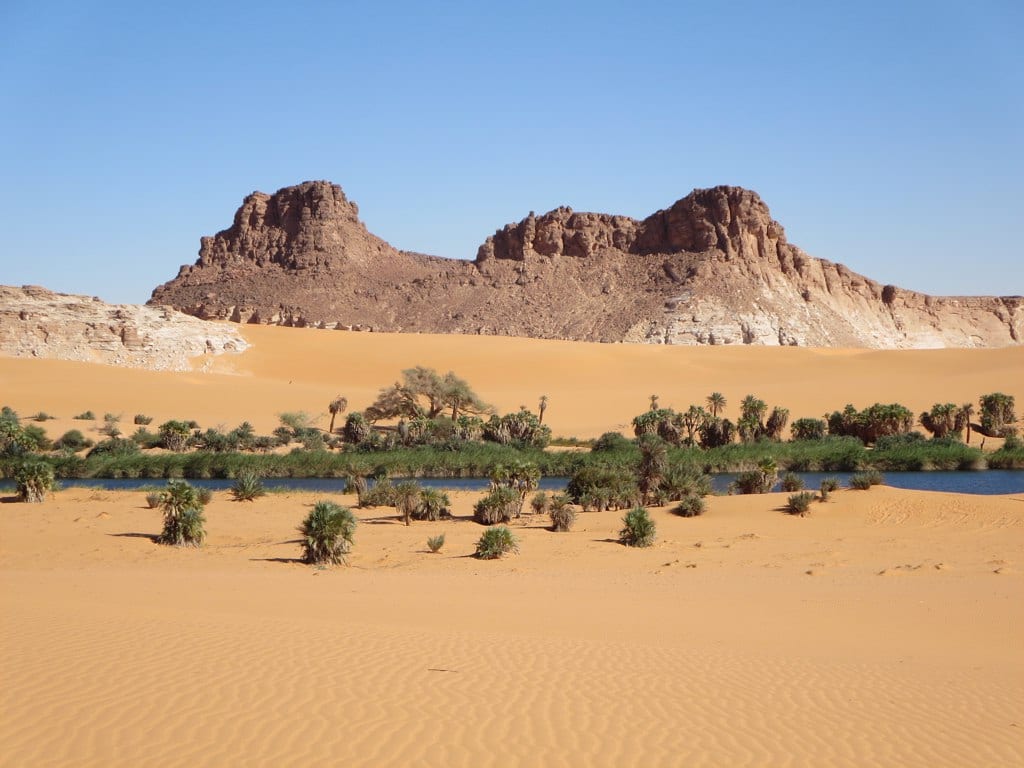
In the Sahara north of the Ennedi, in a region that gets almost no rain, sit 18 lakes of startling blue and green, separated by dunes and rocky ridges. They are sustained by "fossil water" seeping in from a vast underground aquifer, and in the Ounianga Sérir group all but one stay fresh, because thick mats of reeds slow evaporation and water seeps through the dunes into the salty central Lake Teli. It has been a UNESCO World Heritage Site since 2012.
The lakes are usually combined with the Ennedi on the same long expedition; the two are separated by a long stretch of open desert.
4. Zakouma National Park
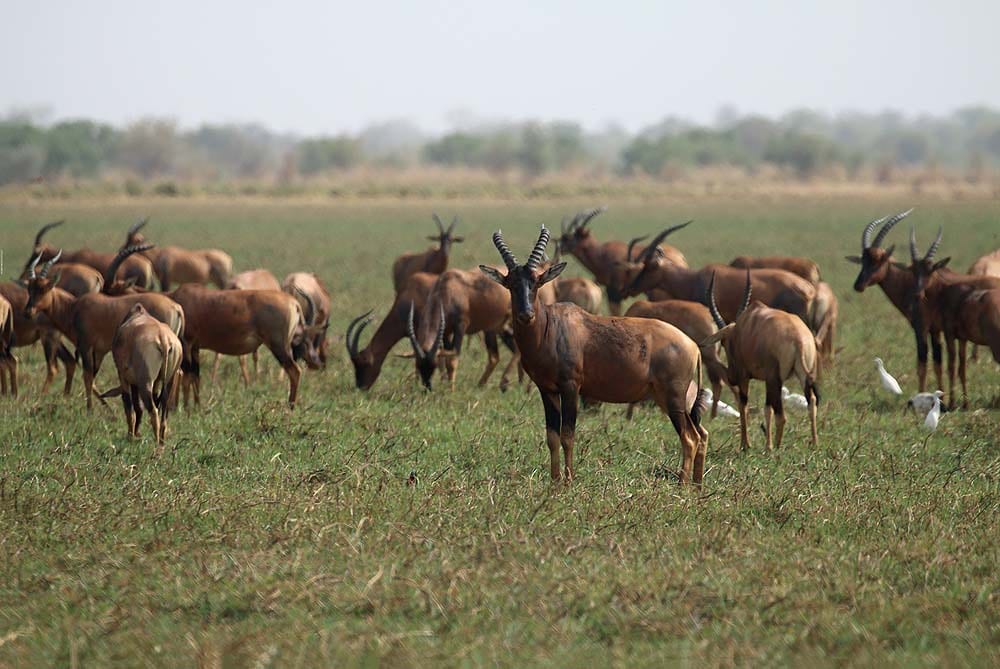
In the southeast, Zakouma is a floodplain park that was nearly emptied by ivory poachers in the 2000s — its elephant herd fell from more than 4,000 in 2002 to about 450 by 2010. Since African Parks took over management in 2010, poaching has declined dramatically, the elephants are breeding again (636 by 2021), and the park teems in the dry season with buffalo, giraffe, lion, and enormous flocks of birds around the shrinking pans.
It has visitor accommodation, including the long-running Tinga Lodge, and is Chad's most accessible wildlife destination.
5. The Tibesti Mountains
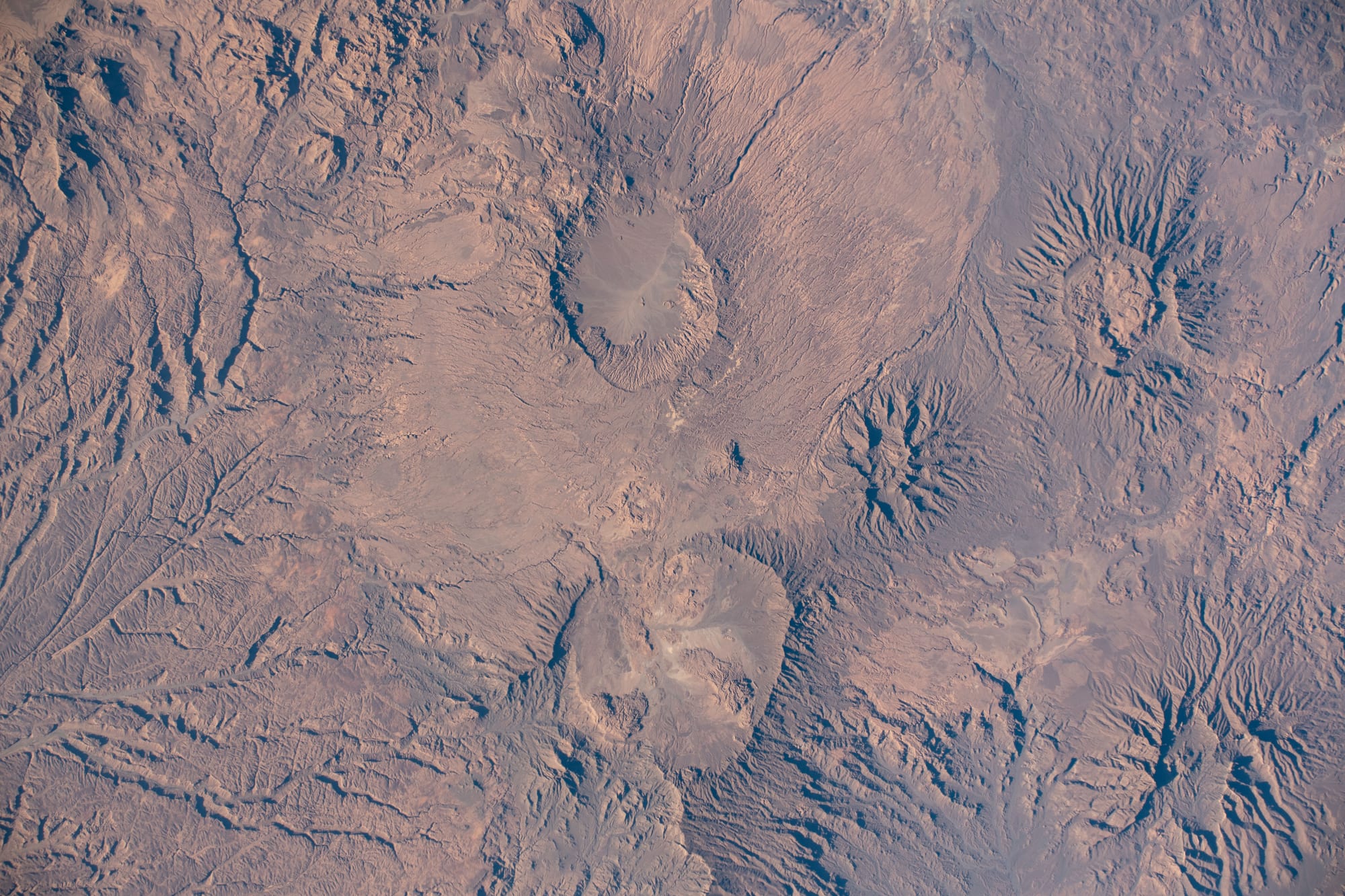
The Tibesti, straddling the Libyan border, is a volcanic massif rising to over 3,400 metres at Emi Koussi — the highest point in the Sahara — with vast calderas, hot springs, and the Trou au Natron, a caldera up to 1,000 metres deep whose floor is crusted white with natron around steaming vents. It is home to the Toubou people.
It is one of the most remote and least-visited mountain ranges on Earth, and has been effectively out of reach to travellers for decades: conflict, a lack of infrastructure and thousands of landmines left by past wars have kept tourism from developing.
6. N'Djamena
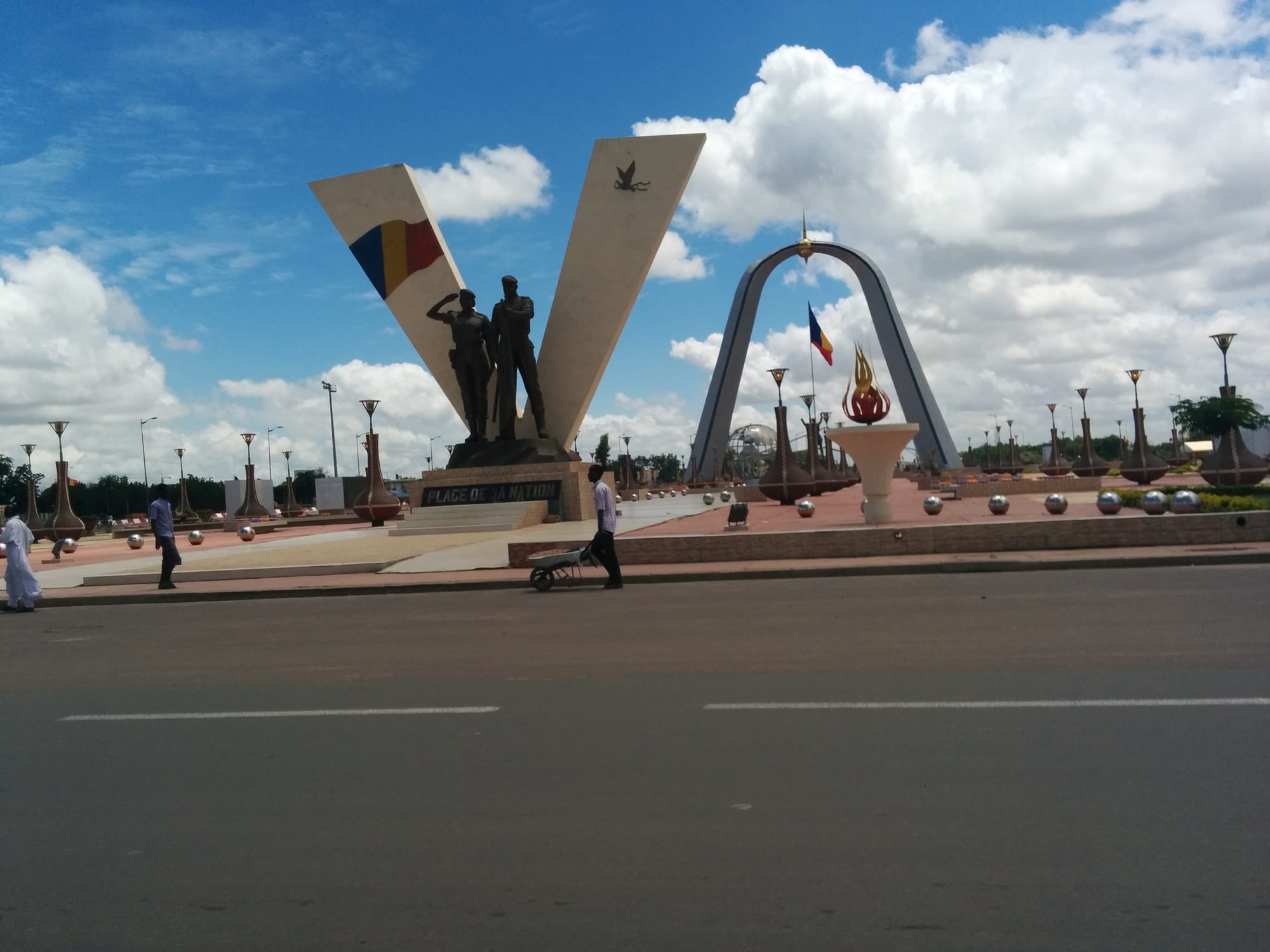
Chad's capital, on the Chari river across from Cameroon, is a low, hot, spread-out city. Its sights are few: several mosques, Our Lady of Peace Cathedral, the lively markets, and the Chad National Museum — worth visiting for the cast of "Toumaï", a roughly seven-million-year-old hominin skull found in the Djurab desert, one of the oldest known.
It is the starting point for every northern expedition, and the place to arrange permits and vehicles.
7. Gaoui
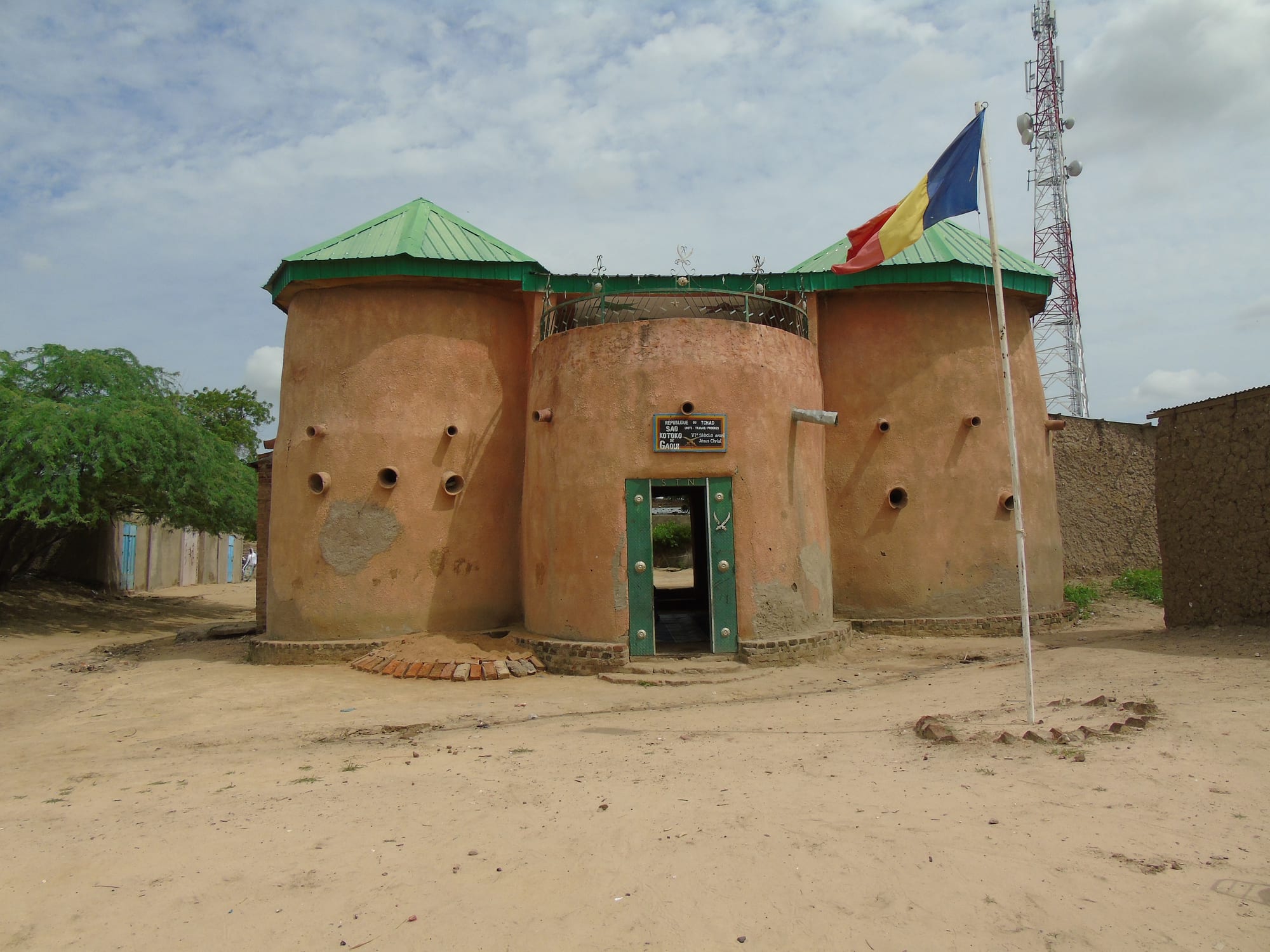
Ten kilometres from the capital, Gaoui is a village said to have been the capital of the Sao — an ancient culture known for its terracotta figures and decorated pottery — and it has a small museum. The village is known today for its traditional earth architecture and its pottery.
It is the easiest cultural half-day from N'Djamena, and a rare chance to see this distinctive earth architecture up close.
Chad is expedition travel: a serious, expensive, permit-heavy trip to the north for the Ennedi and Ounianga, or a fly-in safari to Zakouma. It rewards the effort with landscapes almost no one else has seen.