Food · Curaçao
Curaçao: Food and the National Dish
A slow-cooked meat stew shared with its Dutch-Caribbean neighbours, and a bright blue liqueur that exists only because a bitter orange adapted strangely to this one island
By Worldlore Editorial · 30 September 2026
A Dutch-Papiamento island kitchen
Curaçao shares its food culture closely with its ABC-island neighbours, Aruba and Bonaire: Dutch colonial administration and cuisine layered over African and Caribbean cooking, all discussed in Papiamento, the local creole language. Cornmeal, goat, fish and imported Dutch staples like cheese all sit comfortably on the same table.
The everyday dish: karni stoba
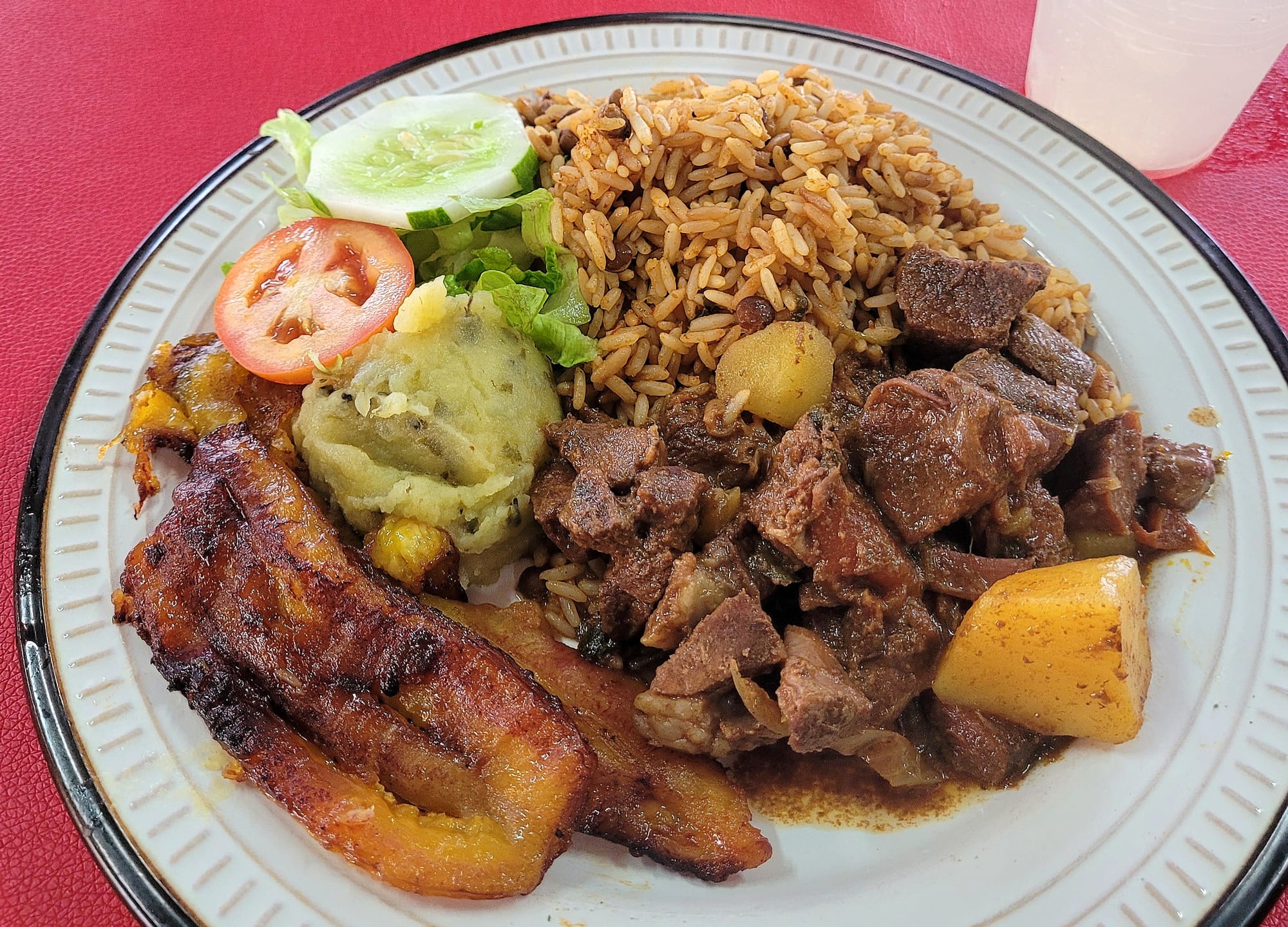
Karni stoba, meat such as beef or goat slow-cooked in a rich, well-seasoned stew, is one of the island's most popular everyday dishes, served with aros moro (rice cooked with beans) or funchi, a firm cornmeal paste similar to polenta. Keshi yena — a hollowed-out ball of cheese stuffed with spiced meat, often chicken, then baked or steamed — is the dish Curaçao shares most famously with Aruba, and pastechi, a fried crescent-shaped pastry filled with cheese, meat or fish, is the ubiquitous breakfast and snack food sold from bakeries and roadside snack bars.
A liqueur born from a strange orange
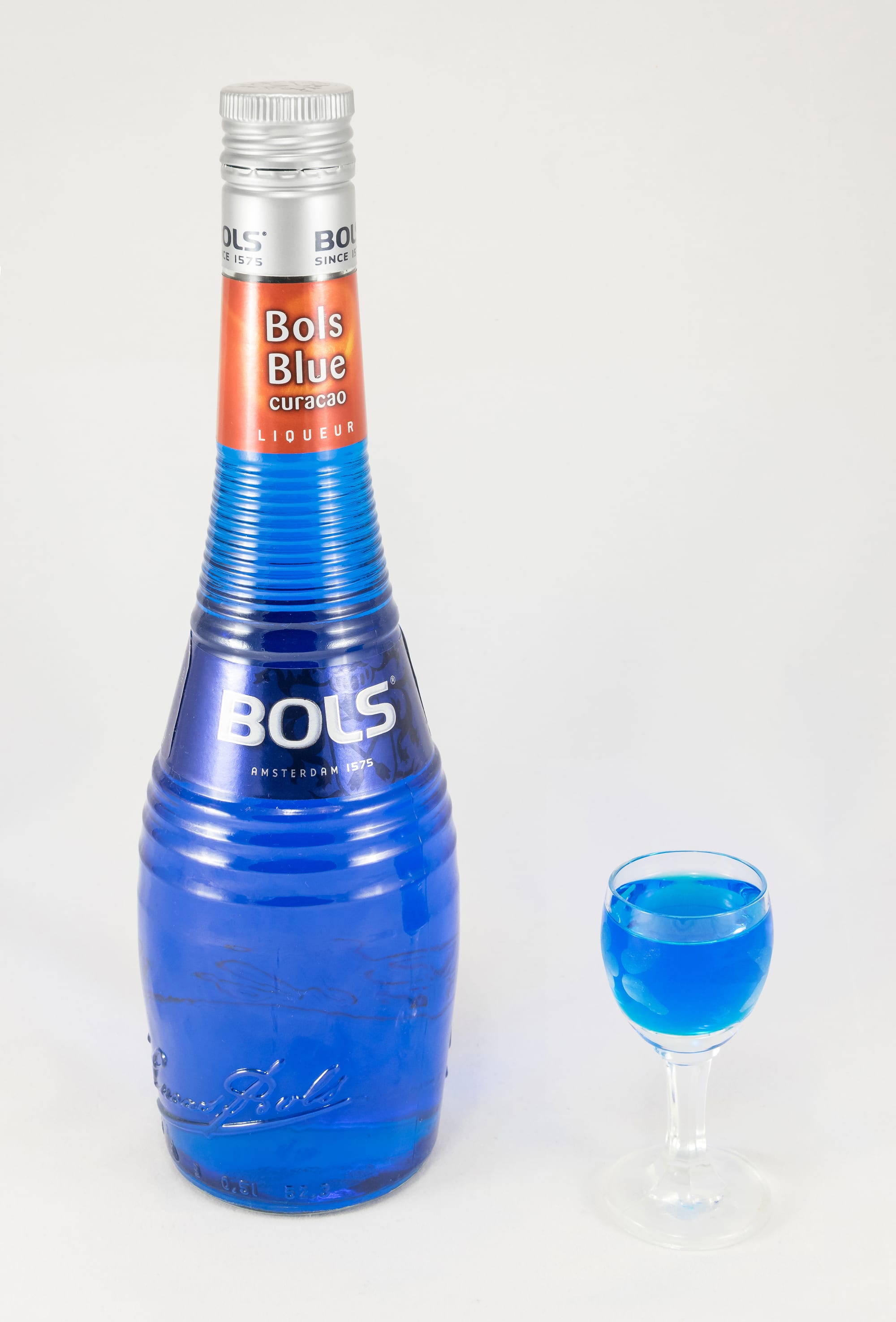
Most curaçao liqueur is made abroad, but Senior & Co, a company started on the island that sells its liqueur as Genuine Curaçao Liqueur, has always made it from the peel of laraha grown on Curaçao, distilling it at the Chobolobo country house in Willemstad.
Markets, festivals and everyday habits
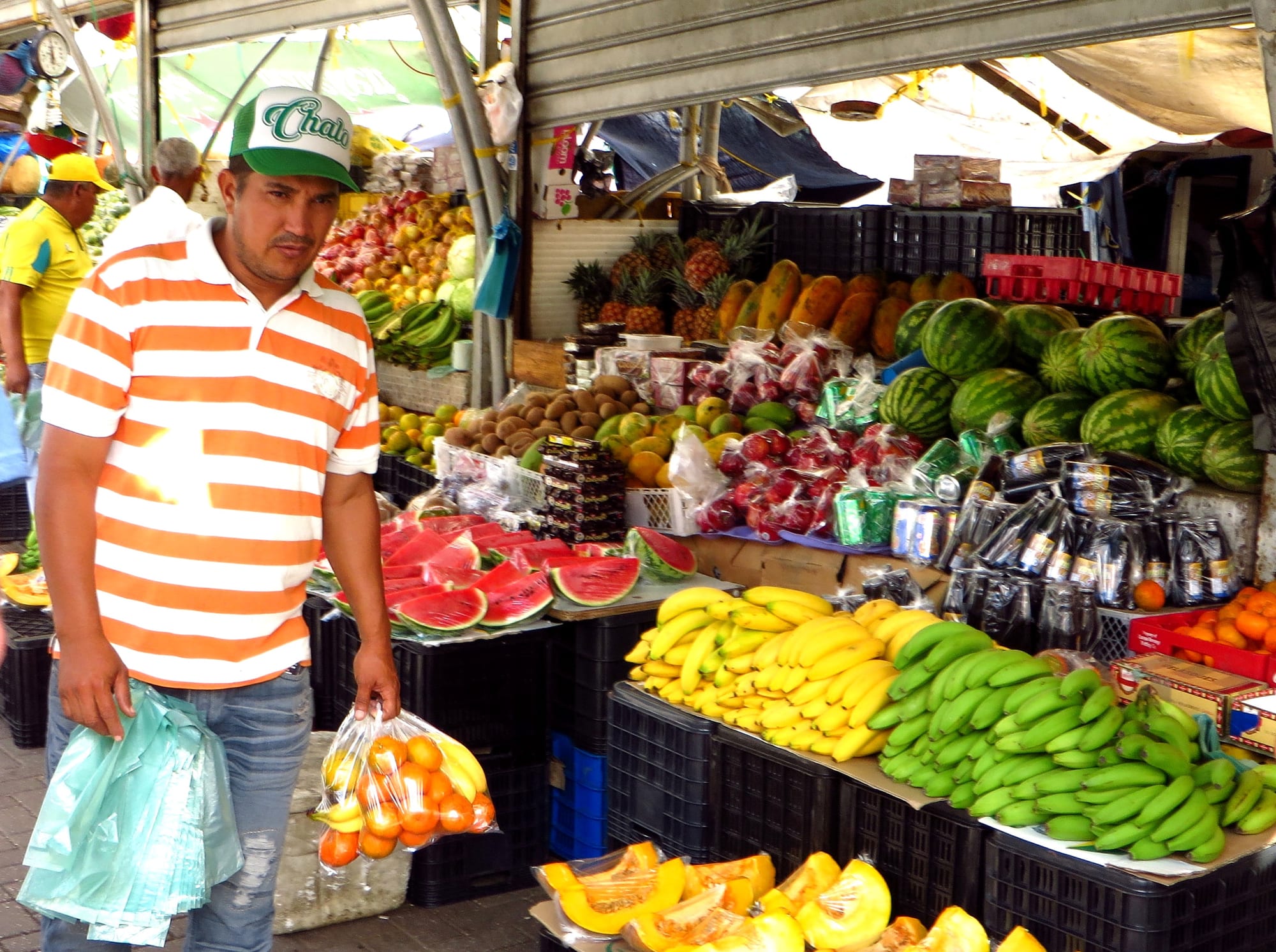
Curaçao's Floating Market in Willemstad, where Venezuelan boats have long sold fresh produce directly from the dock, has historically been an important source of fruit and vegetables for the island, alongside imported goods that make up the bulk of the food supply on a small, dry island without much farmland of its own. Seú, a harvest parade held in spring with roots in Curaçao's African heritage, brings its own traditional foods and music together, a reminder that the island's cooking carries an African as well as a Dutch and Caribbean thread.
Eating as a traveller
Seafood is fresh and reliable, and vegetarians can rely on funchi, rice and bean dishes and pastechi with cheese, though karni stoba and keshi yena are both built around meat. Tap water on Curaçao is safe, produced by desalination. Willemstad's restaurant scene, reflecting the island's tourism industry, is more developed and varied than on many smaller Caribbean islands, ranging from simple local spots to more polished international dining.
What to take from the table
Karni stoba with funchi is the honest, everyday taste of Curaçao, and a bottle of the island's own curaçao liqueur — made from the peel of the laraha, the bitter orange of Curaçao — is the drink to take home as more than a souvenir.