History · Solomon Islands
How did John F. Kennedy end up shipwrecked in the Solomon Islands?
In August 1943 a Japanese destroyer cut Kennedy's torpedo boat in two at night, and two Solomon Islander scouts found the castaways and helped bring about their rescue six days later.
By Globeway Editorial · 2 November 2026
The short answer
In 1943 the future president was a young navy lieutenant commanding a small American patrol torpedo boat, PT-109, during the Second World War battle for the Solomon Islands. In the early hours of 2 August 1943, on a moonless night in Blackett Strait in the west of the islands, the Japanese destroyer Amagiri ran straight through his boat and cut it in two. Two of the 13 men aboard were killed. Kennedy and the ten other survivors clung to the floating wreck, then swam to a tiny deserted island to hide from Japanese forces on the larger islands around them.
They were stranded for six days. The rescue came not from the US Navy, which had held a memorial service for them, but from two young Solomon Islander scouts, Biuku Gasa and Eroni Kumana, who found the castaways and carried a message scratched on a coconut husk through Japanese-patrolled waters to an American base. The story made Kennedy a war hero, and the island where he first came ashore now bears his name.
A war fought through the islands
The Solomon Islands, then a British protectorate, became a battlefield because of where they lie. Japan occupied parts of the archipelago in the first half of 1942, and from its great base at Rabaul on New Britain it threatened the sea lanes between the United States and Australia. On 7 August 1942 American troops landed on Guadalcanal, beginning a campaign that lasted until February
- The Allies then pushed north-west up the chain of islands, and the New
Georgia campaign began on 30 June 1943.
Japan kept its island garrisons alive with night runs of fast destroyers and barges, which the Americans called the Tokyo Express. Small, fast torpedo boats like PT-109, 80 feet (24 metres) long, were sent out night after night to intercept them.
How Kennedy got there
Kennedy should not really have been in combat at all. He had a chronically bad back, and in 1940 the US Army's officer school rejected him on health grounds. His father, Joseph P. Kennedy, persuaded a friend who ran naval intelligence to let a private Boston doctor certify his son's health, and Kennedy joined the navy in October 1941. After training on torpedo boats in Rhode Island he was first assigned to a squadron bound for the Panama Canal, but he wanted to fight. He asked a family friend, Massachusetts Senator David I. Walsh, who chaired the Senate's Naval Affairs Committee, to have him sent to the South Pacific instead, against his father's wishes for a safer posting.
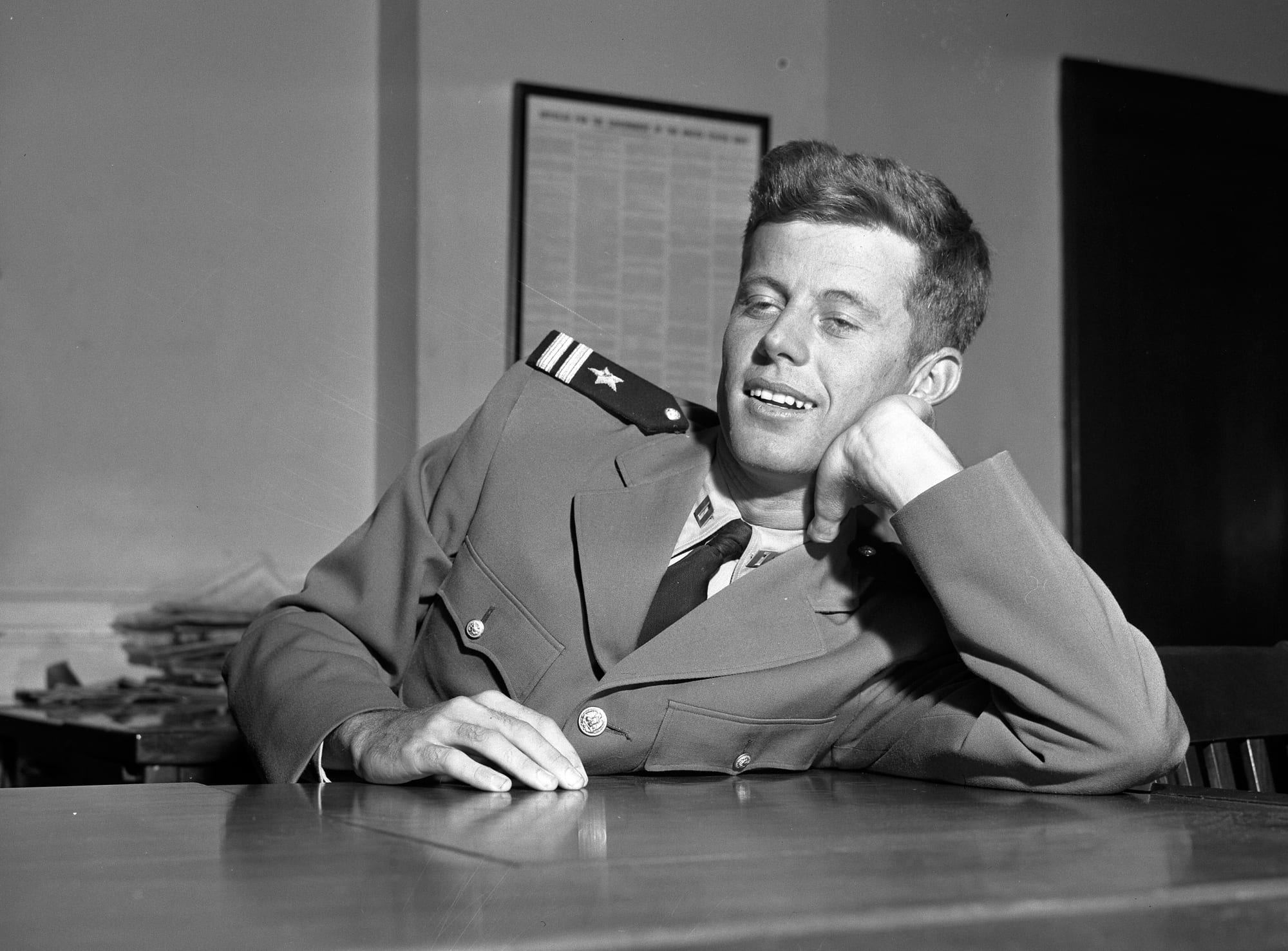
He held the rank of lieutenant (junior grade).
He reached the torpedo-boat base on Tulagi, just north of Guadalcanal, on 14 April 1943 and took command of PT-109 nine days later. By the summer the boats had moved to a rough base on Rendova Island, close to the fighting on New Georgia.
The night of 1 to 2 August 1943
Coded intercepts warned that Japanese destroyers would run supplies and troops to Kolombangara, a large round volcanic island held by the Japanese, on the night of 1 to 2 August. Fifteen PT boats went out to stop them. The action went badly. Around 30 torpedoes were fired and none hit; the boats with radar fired first and went home, leaving the others, including PT-109, blind in the darkness and fog with no warning that the destroyers were near.
Soon after 2 a.m. Kennedy's boat was idling on one engine, to avoid leaving a glowing wake that Japanese aircraft could spot, when the Amagiri loomed out of the dark at high speed, without lights, heading back north. The destroyer sliced PT-109 in two, and its fuel exploded into a fireball. Seamen Andrew Kirksey and Harold Marney were killed instantly. Whether the Japanese captain, Kohei Hanami, rammed the boat on purpose is still disputed: he later said he did, but his superior officer and other crew members recalled orders to turn away and avoid it.
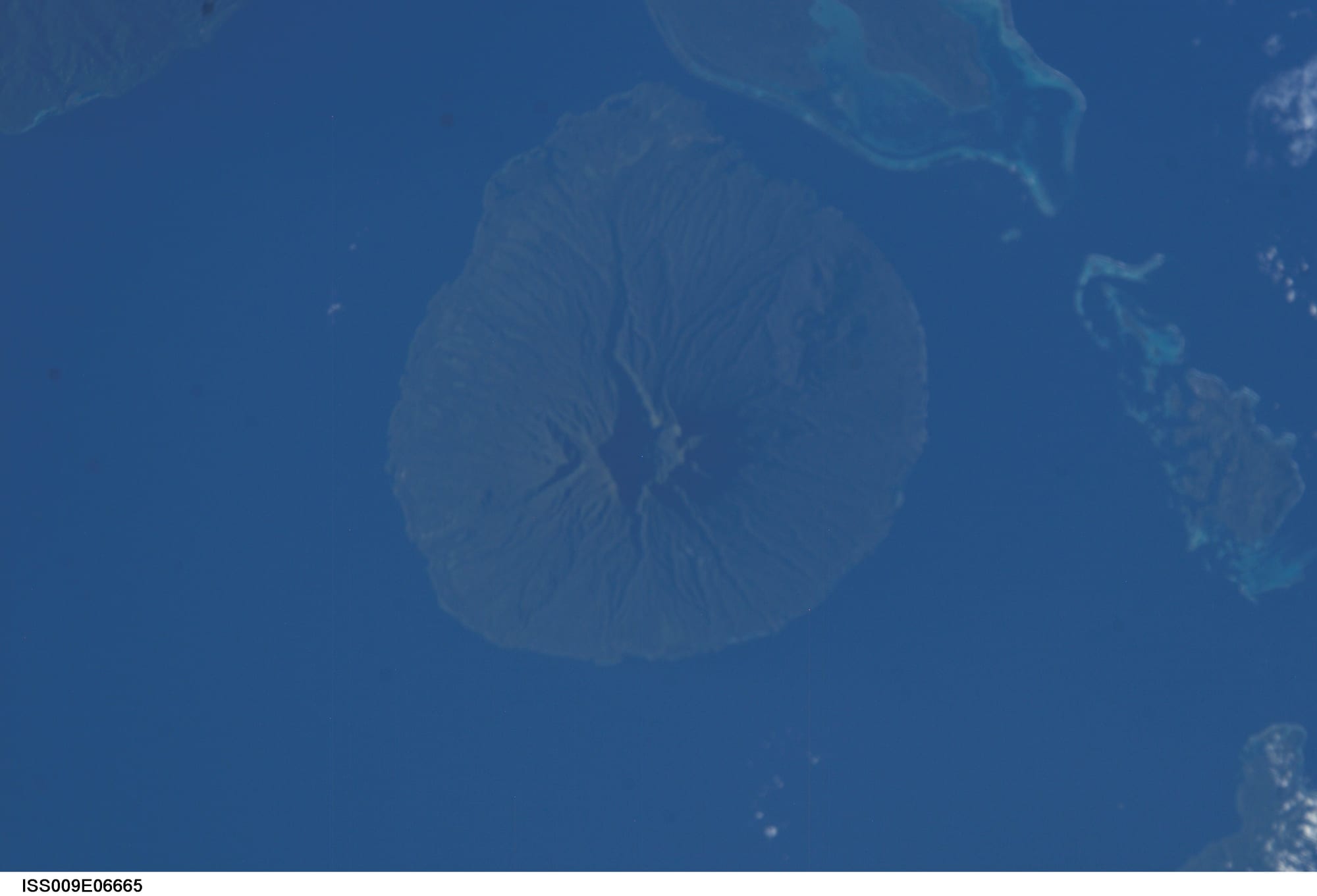
An Australian coastwatcher saw PT-109 explode from a hidden lookout high on the island's volcano.
Six days as castaways
The two boats nearest to PT-109 turned away without searching for survivors. Kennedy, who had swum for Harvard, pulled the badly burned engineer Patrick McMahon to the floating bow section, and the 11 survivors clung to it for about 12 hours. When it began to sink they swam for a small deserted island, avoiding the larger islands because all of them held Japanese camps. Kennedy towed McMahon by gripping a strap of his life jacket in his teeth. The swim of about 5.6 kilometres took five hours.
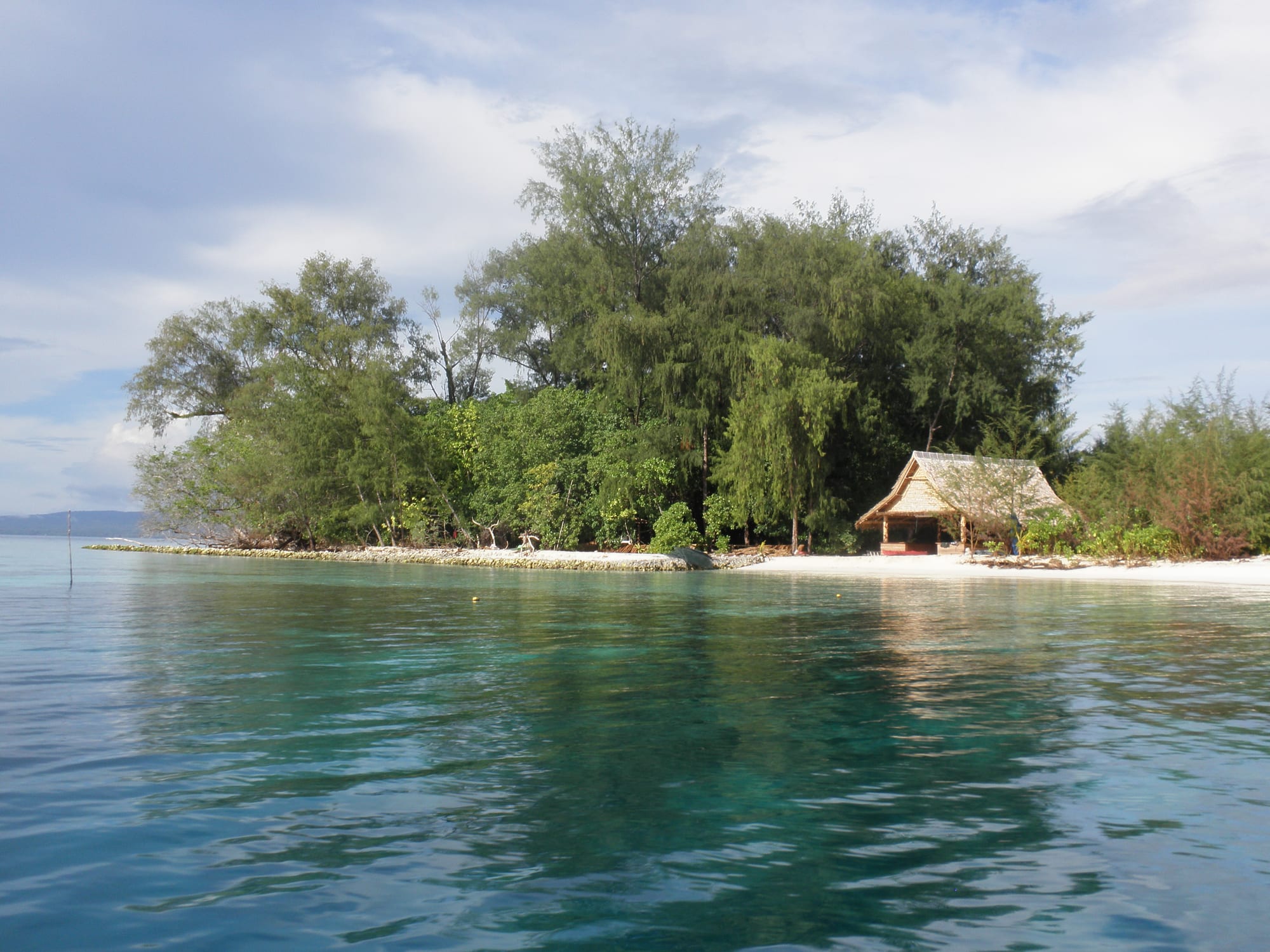
Plum Pudding Island was barely 90 metres across, with no food or water. Kennedy swam out at night hoping to signal a passing PT boat, then moved the crew to the larger Olasana Island, which at least had coconuts. On a further swim to nearby Naru Island, Kennedy and Ensign George Ross found a canoe, crackers, sweets and a drum of drinking water left by the Japanese.
They had been seen. An Australian coastwatcher, Sub-Lieutenant Reg Evans, had watched the explosion from a secret lookout on Kolombangara's volcano, Mount Veve, with thousands of Japanese troops camped below. He sent his islander scouts out in dugout canoes to look for survivors. Gasa and Kumana found the Americans, at first fleeing from the sunburnt, bearded Kennedy and then pointing guns at the rest of the crew, because the only light-skinned people they expected to meet were Japanese.
It was Gasa who suggested writing on a coconut, and Kumana who climbed a palm to fetch one. Kennedy scratched a message into the husk with a knife, including the words "11 ALIVE NEED SMALL BOAT". The executive officer, Ensign Leonard Thom, wrote a fuller note in pencil. The two scouts paddled both messages through the night and through waters patrolled by the Japanese to an outpost near the American base at Rendova. Evans brought Kennedy to his own hideout, and in the early hours of 8 August the boat PT-157 picked up the whole crew from Olasana.
Hero, myth and the men who were left out
Reporters were aboard the rescue boat, and American newspapers made Kennedy the hero who had saved his men. The stories largely left out Thom, the crew and the scouts. Kennedy received the Navy and Marine Corps Medal and the Purple Heart, and the ordeal aggravated the back trouble that troubled him for the rest of his life.
Kennedy did not forget. In 1952 he wrote a friendly letter to Hanami, the Amagiri's captain, who later became a mayor in Japan. He invited Gasa and Kumana to his inauguration in January 1961, but the two men were turned back at Honiara by colonial officials, who sent other people in their place. Kumana later named a son John F. Kennedy. Robert Ballard's National Geographic expedition found the wreck of PT-109 in May 2002, at a depth of about 370 metres.
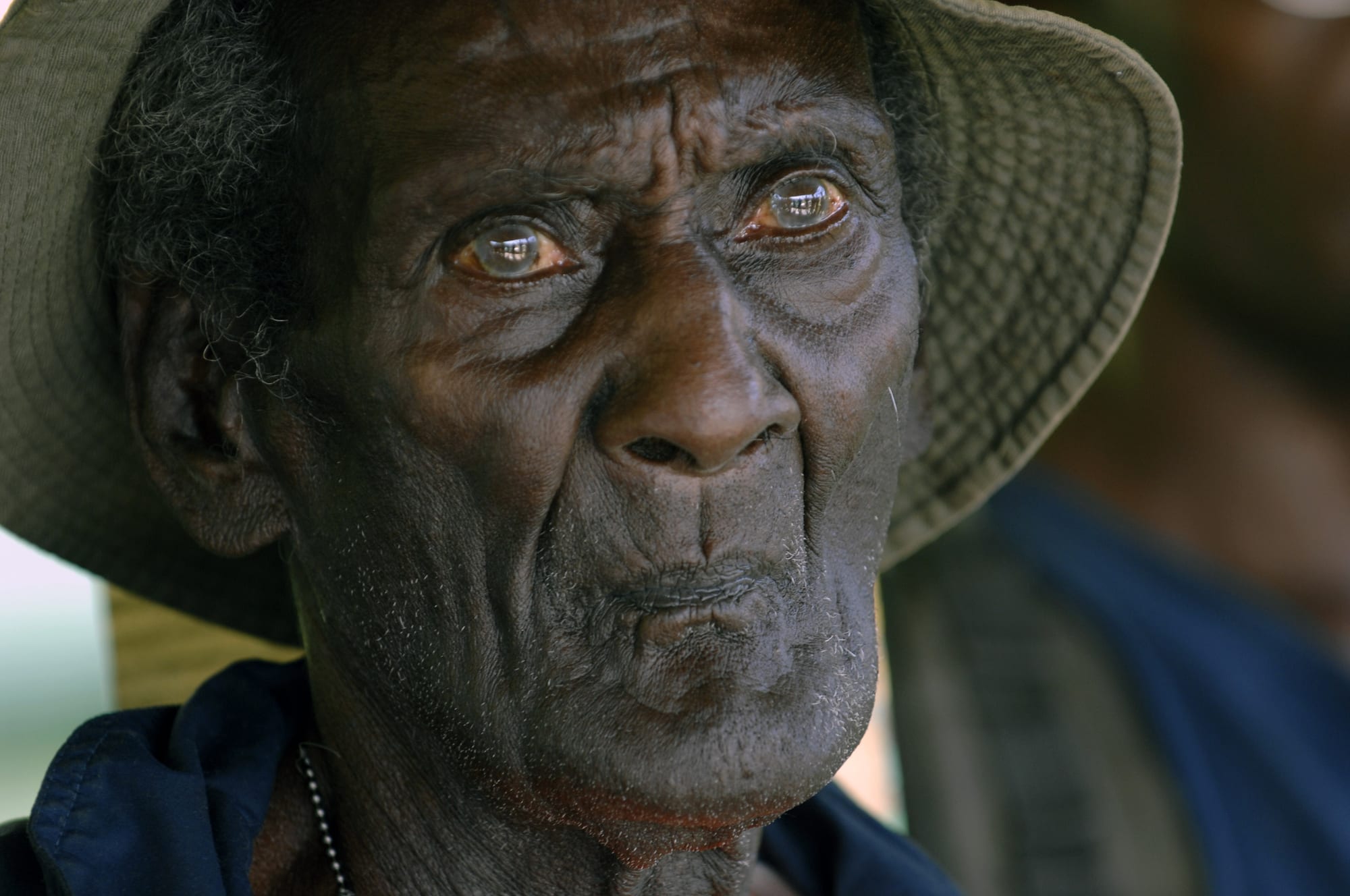
Kumana died on 2 August 2014, exactly 71 years after PT-109 was sunk.
Kennedy Island today
Plum Pudding Island, known locally as Kasolo, was renamed Kennedy Island. It covers just 1.17 hectares and remains uninhabited, about 15 minutes by boat from Gizo, the capital of the Western Province. A small shrine to Kennedy, built by Eroni Kumana, stands on it. In August 2023 Kennedy's daughter Caroline, then US ambassador to Australia, and her son Jack Schlossberg swam about 1.2 kilometres between Naru and Olasana with a team of Solomon Islander swimmers, retracing part of the route her father swam in 1943.