Food · Iceland
Iceland: Food and the National Dish
A simple lamb soup that warms an island with almost no farmland to spare, and a fermented shark delicacy that has become the country's most talked-about food dare
By Worldlore Editorial · 30 September 2026
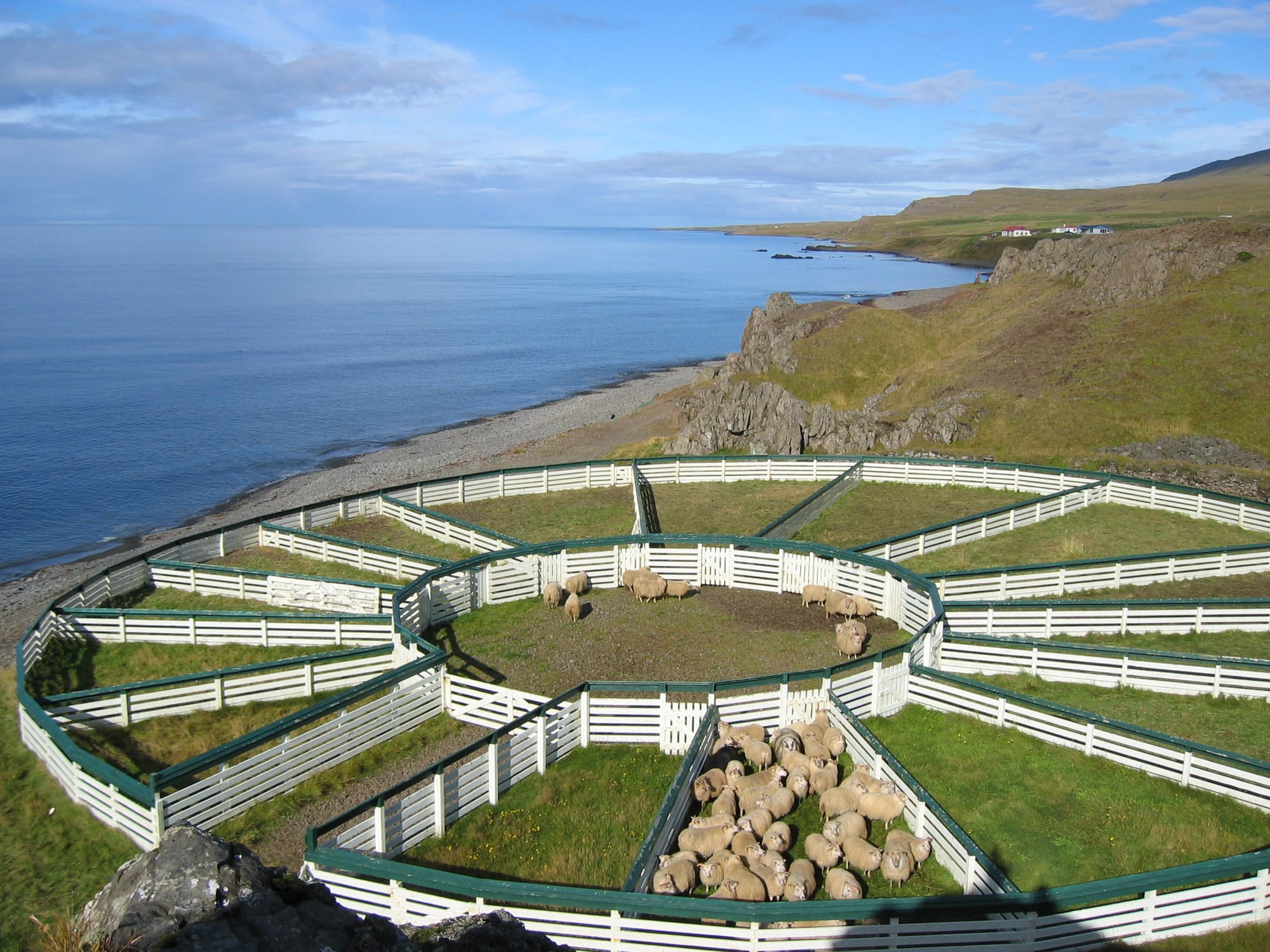
Food shaped by an island with almost no farmland
Iceland's volcanic terrain leaves very little land suitable for growing crops, so its food culture developed instead around what the island could reliably produce: sheep grazing on open pasture, fish from the surrounding North Atlantic, and dairy, especially skyr, a thick, yoghurt-like cultured product that has been part of Icelandic food for centuries.
The national dish: kjötsúpa
Kjötsúpa, a simple, hearty soup of lamb simmered with potatoes, carrots, cabbage and other vegetables, is often named as Iceland's national dish and is one of its most familiar comfort foods. Plain and unfussy by design, it reflects both Iceland's strong lamb-farming tradition and a food culture that has always prioritised warmth and practicality over elaborate technique.

Lamb, fish and the North Atlantic pantry
Lamb, grazed on common mountain and highland pasture through the summer, is one of Iceland's points of food pride, and fish, particularly haddock, remains central given the country's long fishing history. Skyr, a strained dairy product similar to yoghurt but made using a distinct technique, has been part of Icelandic food for centuries and is mentioned in medieval sagas.
History behind the plate
Iceland's food traditions trace to Norse settlers who arrived beginning in the 9th century, bringing sheep farming, dairy techniques and preservation methods suited to a harsh, largely treeless island with long winters. Fermenting, drying, smoking and pickling in whey or brine all developed out of genuine necessity rather than flavour preference alone, a history still visible in dishes like hákarl today.
Dishes to know
Five more to recognise across Iceland:
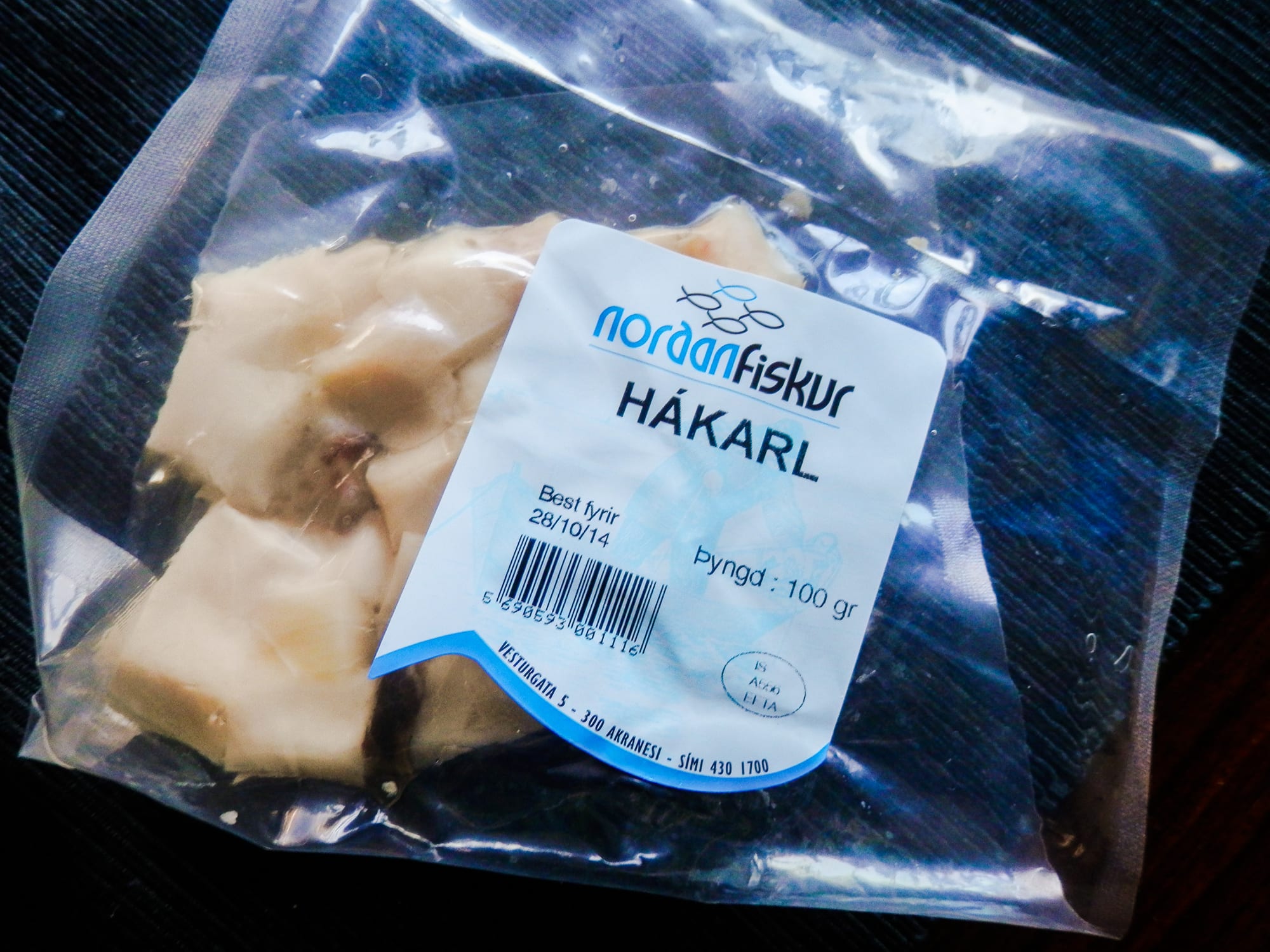
- Hákarl — fermented shark, fermented for weeks and then dried for
months, because the fresh meat is poisonous, Iceland's most notorious traditional food.
- Skyr — a thick, cultured dairy product similar to strained yoghurt
but milder, mentioned in medieval Icelandic sagas.
- Hangikjöt — smoked lamb, one of Iceland's most common traditional
foods and a classic Christmas main course.
- Harðfiskur — dried fish, eaten as a snack, often with butter; it was
once served with every meal in place of bread.
- Rúgbrauð — a dense, dark, rather sweet rye bread, traditionally baked
in pots or boxes buried near hot springs.
Drinks
Brennivín, a strong caraway-flavoured schnapps sometimes nicknamed "Black Death," is traditionally drunk alongside hákarl, particularly during Þorrablót, a midwinter festival built around traditional Icelandic food. Coffee is a genuine daily habit, and Iceland's tap water is very soft and clean.
Eating as a traveller
Vegetarians will find options more limited given how central lamb and fish are to Icelandic cooking, though skyr, bread and vegetable dishes are available, especially in Reykjavík. Tap water is safe to drink throughout the country. Trying hákarl once, in small quantity and ideally alongside brennivín as tradition suggests, is a common rite of passage for visitors; Icelanders most often eat it as part of the þorramatur buffet at midwinter þorrablót.
What to take from the table
Kjötsúpa, plain and warming, is the dish that best represents everyday Icelandic food — but a small taste of hákarl, however challenging, is what most visitors actually remember and talk about afterward.