Food · Ireland
Ireland: Food and the National Dish
A humble mutton and potato stew that carries the weight of the Great Famine behind it, and a modern Irish food scene rebuilding pride in what the land actually produces
By Worldlore Editorial · 30 September 2026
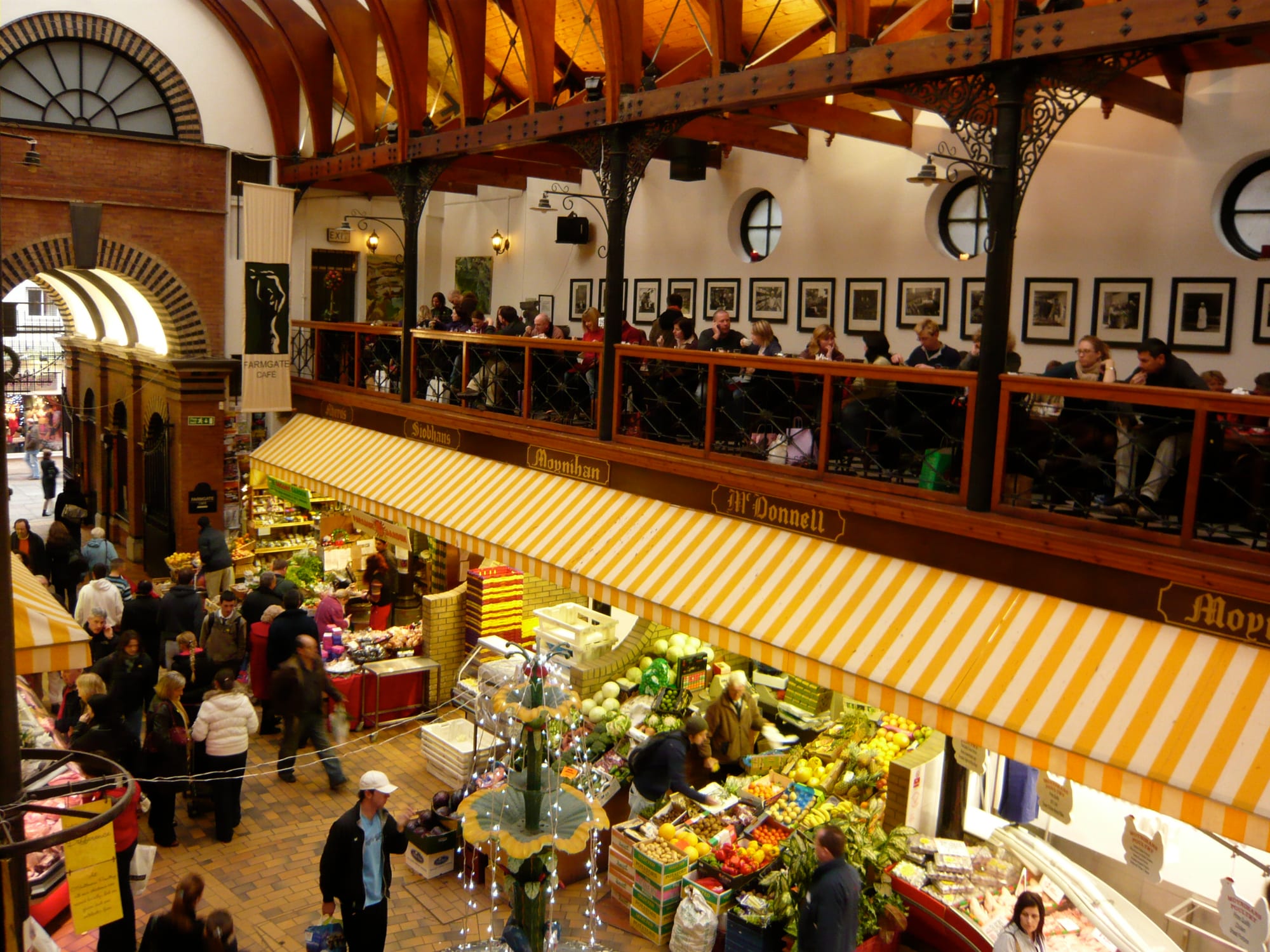
Simple food with a complicated history
Irish food is plain and unpretentious by design, built on potatoes, dairy, lamb and beef, and fresh seafood along the coasts. That simplicity carries real historical weight: the Great Famine of 1845–1852, triggered by potato blight in a country that had become deeply dependent on the crop, killed roughly a million people and drove mass emigration, a history that still shapes how Ireland thinks and talks about food today.
The national dish: Irish stew
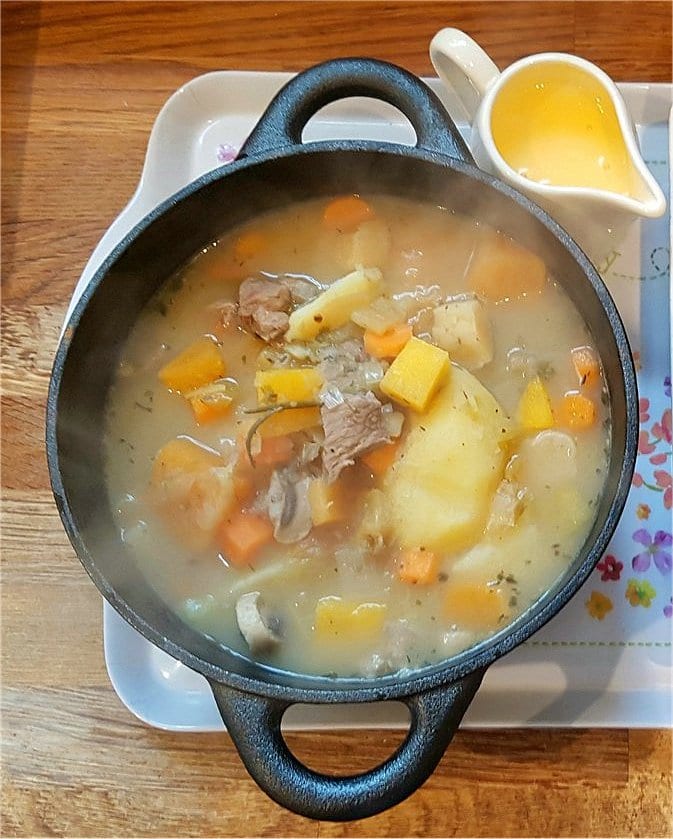
Irish stew, mutton or lamb slow-cooked with potatoes, onions and sometimes carrots, is widely regarded as Ireland's national dish. Genuinely humble in its origins, using the cheaper cuts of meat and whatever root vegetables were on hand, it remains close to home cooking rather than restaurant fine dining, and different regions and families vary the exact recipe considerably.
Potatoes, dairy and the everyday pantry
The potato remains central to Irish cooking, prepared in forms from simple boiled potatoes to colcannon (mashed with cabbage or kale) and boxty (a potato pancake). Irish dairy, particularly butter, is internationally well-regarded, and fresh seafood, especially along the west coast, has become a growing point of pride in modern Irish cooking, moving well beyond the country's historically plain reputation.
History behind the plate
The Great Famine's legacy runs deep through Irish history and culture, and the potato itself remains central to Irish cooking. In more recent decades, Ireland has built a genuinely respected modern food and restaurant scene, especially around Irish beef, dairy and seafood, reclaiming pride in ingredients the country actually produces well.
Dishes to know
Five more to recognise across Ireland:
- Colcannon — mashed potatoes mixed with cabbage or kale and butter, a
classic Irish side dish.
- Boxty — a potato pancake made from both grated raw and mashed cooked
potato.
- Soda bread — a dense, quick bread leavened with bicarbonate of soda
rather than yeast, a genuine everyday staple.
- Full Irish breakfast — a large cooked breakfast of eggs, bacon,
sausage, black pudding, tomatoes and toast or fried bread, often with white pudding.
- Seafood chowder — a creamy soup of mixed fish and shellfish, popular
around Ireland's coasts.
Drinks
Guinness, the dark stout brewed in Dublin since 1759, remains Ireland's most internationally recognised drink and a genuine part of pub culture nationwide. Irish whiskey has its own long tradition, with the first documented record of whiskey in Ireland dating from 1405, and tea, taken strong with milk, is a daily household habit.
Eating as a traveller
Vegetarians will find potato dishes, soda bread and dairy manageable, though meat and fish are central to most traditional main courses. Tap water is generally safe to drink. Visiting a proper pub for a meal, rather than just a drink, remains one of the most genuine ways to experience everyday Irish food and hospitality together.
What to take from the table
Irish stew, humble and unhurried, is the dish that best represents Irish food's core character — plain on the surface, but carrying real history in every potato on the plate.