Food · Saint Barthélemy
Saint Barthélemy: Food and the National Dish
French fine dining alongside Creole Caribbean cooking, on a small island where most food arrives by sea
By Globeway Editorial · 30 September 2026
A small island with no single dish to call its own
Saint Barthélemy has no national dish. What defines the island's food is a distinctive blend rather than one signature plate, high-end French cuisine served alongside everyday Creole Caribbean cooking, both equally at home on this small island.
French fine dining meets Creole Caribbean cooking
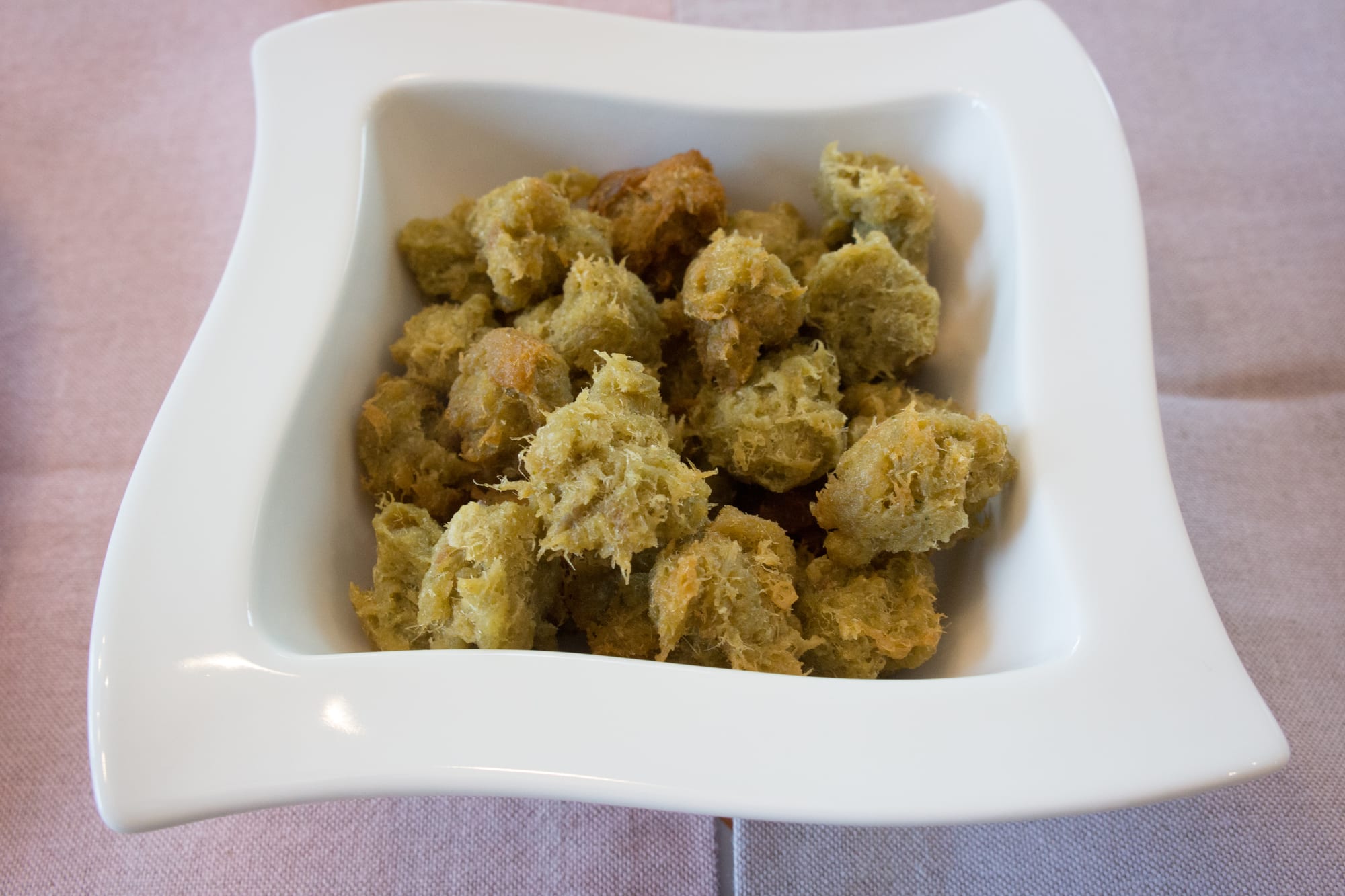
Saint Barthélemy's food identity rests on a well-known combination: high-end French cuisine, suited to the island's reputation as a luxury destination, served alongside Creole and West Indian dishes shared with its French West Indies neighbours. The island has more than 70 restaurants, many of the finest in hotels, and almost all of its food is imported from the United States or France. Accras (fritters, usually made from saltfish), fresh fish and spicier Creole dishes sit on menus next to French classics, the island's two food identities existing side by side rather than blending into one.
Dishes to know
What's actually eaten on Saint Barthélemy:
- Accras — saltfish fritters, a common Creole Caribbean starter found
across the French West Indies.
- Fresh fish with steamed vegetables — a common West Indian plate on
an island with a long fishing tradition.
- Grilled spiny lobster — a highlight of the island's seafood and of
its gastronomic events.
- Boudin créole — a spiced Creole blood sausage, found across the
French West Indies.
- Colombo — a curry of chicken, meat or fish with a spice blend of
Tamil origin, shared with Guadeloupe and Martinique.
Eating as a traveller
Saint Barthélemy is known for expensive, high-end dining, so budget travellers should expect Gustavia's restaurant scene to reflect the island's reputation as a luxury destination. Tap water is generally safe to drink; it comes from desalination and household cisterns. Trying accras or grilled fish at a smaller, local spot away from Gustavia's harbourfront is a good way to taste the island's Creole side alongside its better-known French dining scene.
What to take from the table
Saint Barthélemy's food story isn't one dish, it's the mix of high-end French cooking and everyday Creole Caribbean cuisine sharing the same small island, side by side rather than merged into one.