Attractions & Natural Wonders · Saint Vincent and the Grenadines
Saint Vincent and the Grenadines: Five Attractions and Natural Wonders
A cluster of uninhabited cays ringed by some of the clearest water in the Caribbean, an active volcano that erupted as recently as 2021, and a private island retreat favoured by royalty and celebrities since the 1960s
By Worldlore Editorial · 30 September 2026
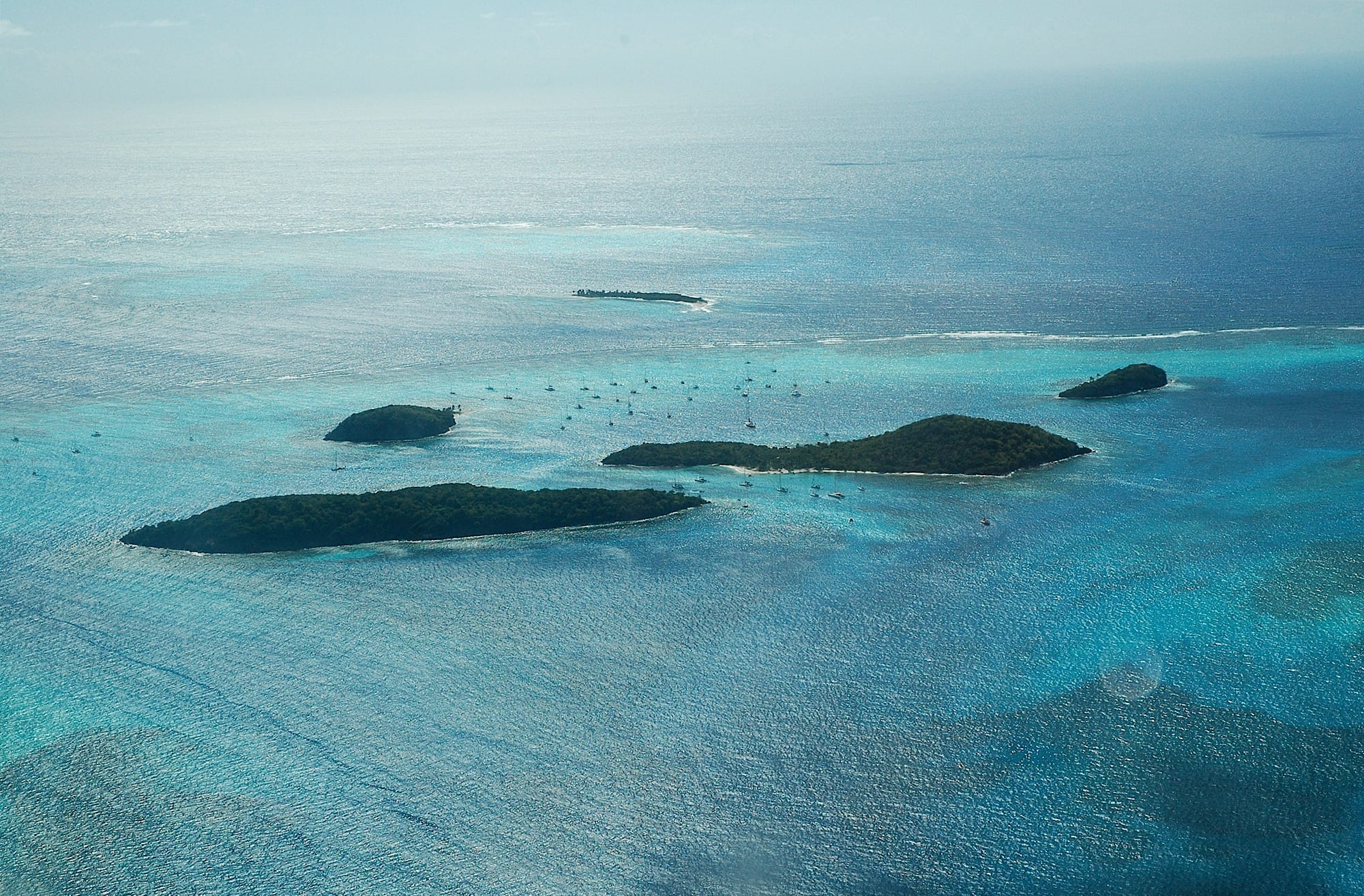
Thirty-two islands scattered across the Grenadines
Saint Vincent and the Grenadines, a chain of one main island and 32 smaller ones stretching south through the Grenadines archipelago, has long been a favoured destination for sailing, with protected anchorages, uninhabited cays, and some of the clearest water in the Caribbean drawing yachts from around the world. The main island of Saint Vincent itself is dominated by an active volcano, giving the country a more rugged, volcanic character than its low-lying sister islands further south.
The five below run from the Grenadines archipelago to Saint Vincent's capital and volcano. The dry season (roughly December to May) is generally the most popular time to sail and visit.
1. The Tobago Cays
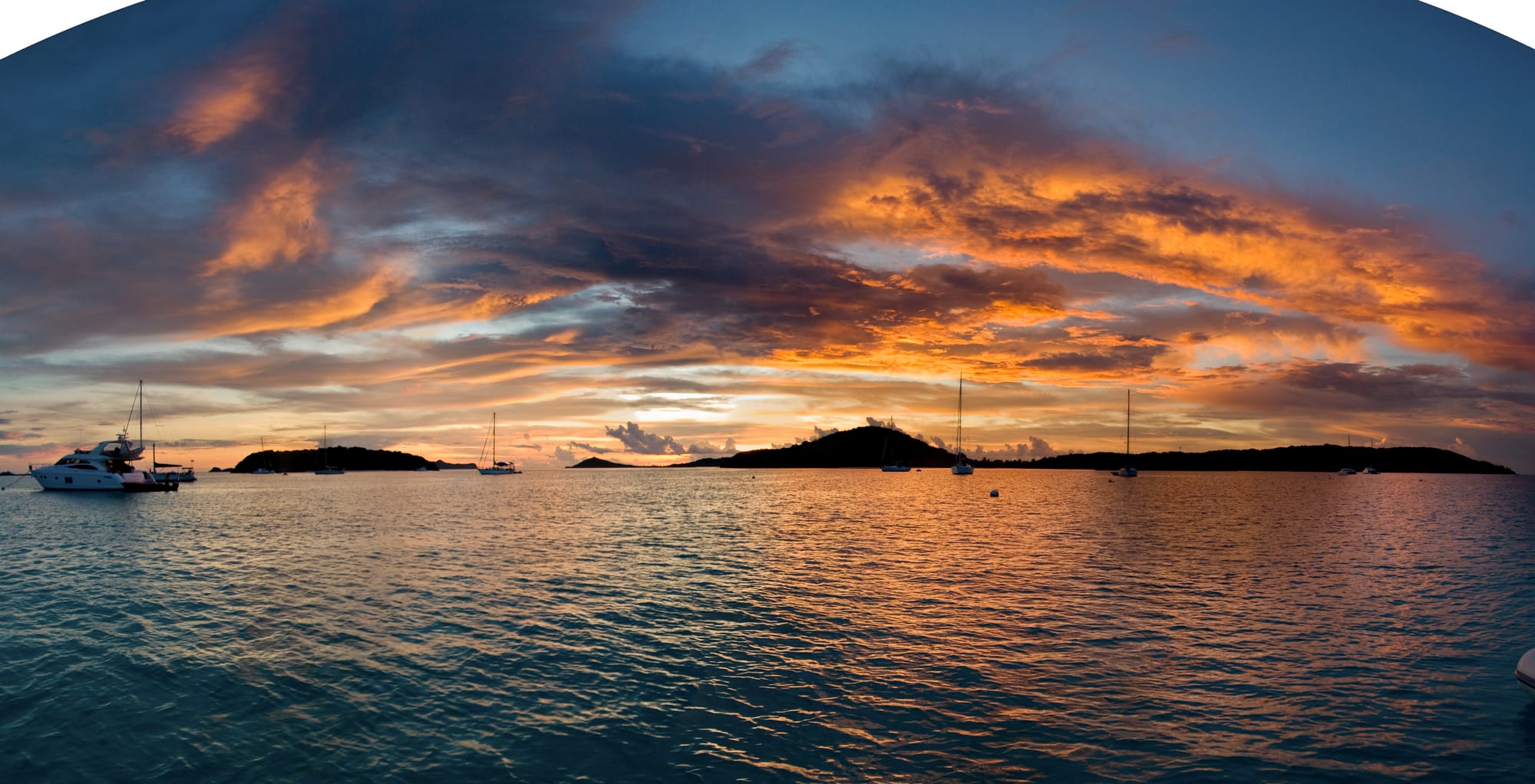
The Tobago Cays, a cluster of five small uninhabited islets at the heart of the government-run Tobago Cays Marine Park, are sheltered by the 4-kilometre (2.5-mile) Horseshoe Reef, which encloses clear, calm water — a magnet for sailors and snorkellers, while green turtles feed in the seagrass beds of the central lagoon. Reachable only by boat, the cays have no permanent settlement or development, keeping them among the most unspoiled anchorages in the Caribbean.
2. La Soufrière
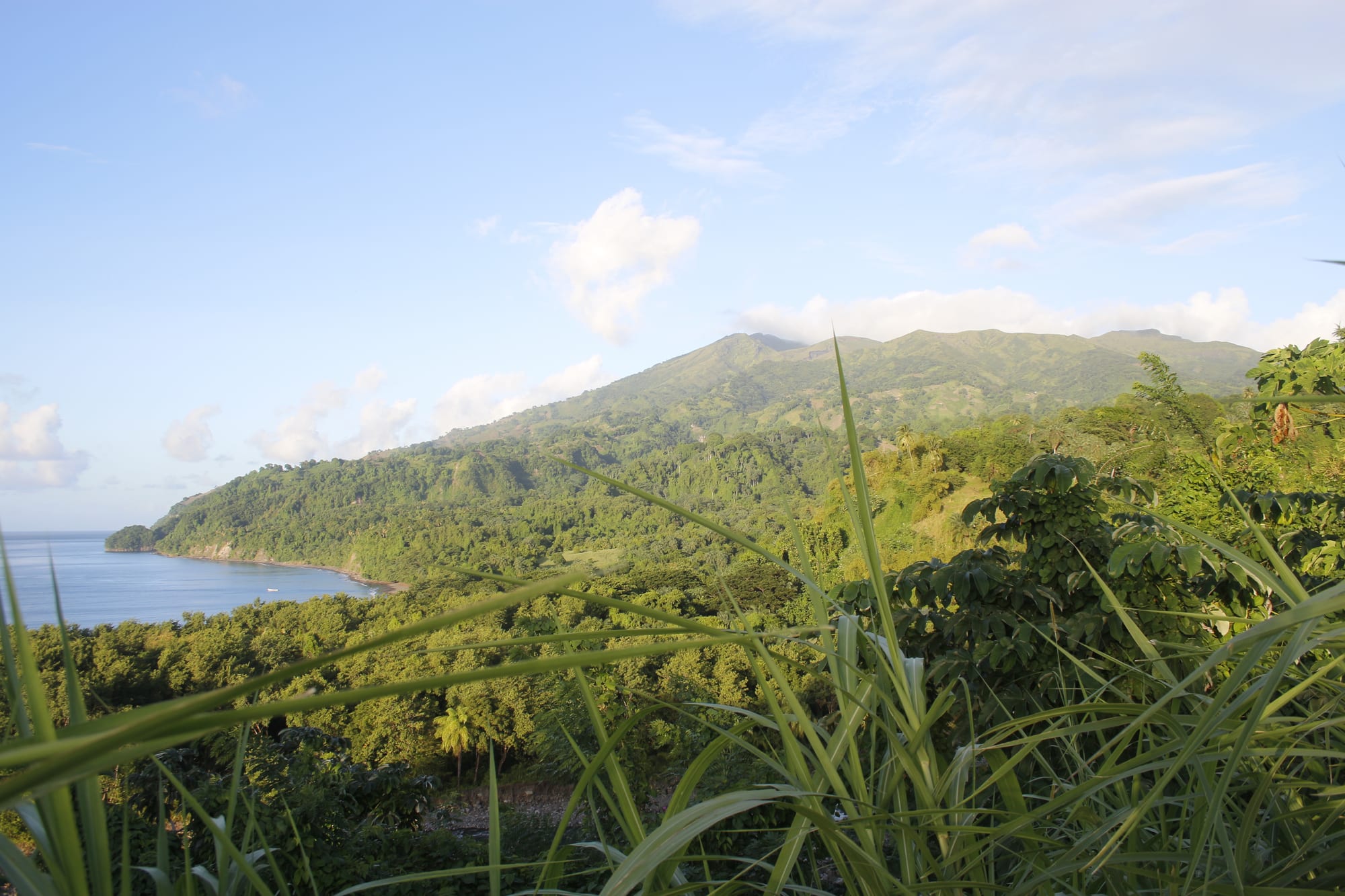
La Soufrière, the volcano dominating Saint Vincent's northern end, erupted explosively as recently as April 2021, displacing thousands of residents and blanketing much of the island in ash — a reminder that the dramatic, fertile landscape here is the direct product of ongoing volcanic activity. When the volcano is quiet and the alert level allows, a hiking trail climbs through rainforest to the crater rim, looking into a crater reshaped by the recent eruption; volcanic unrest has remained slightly elevated since.
3. Bequia
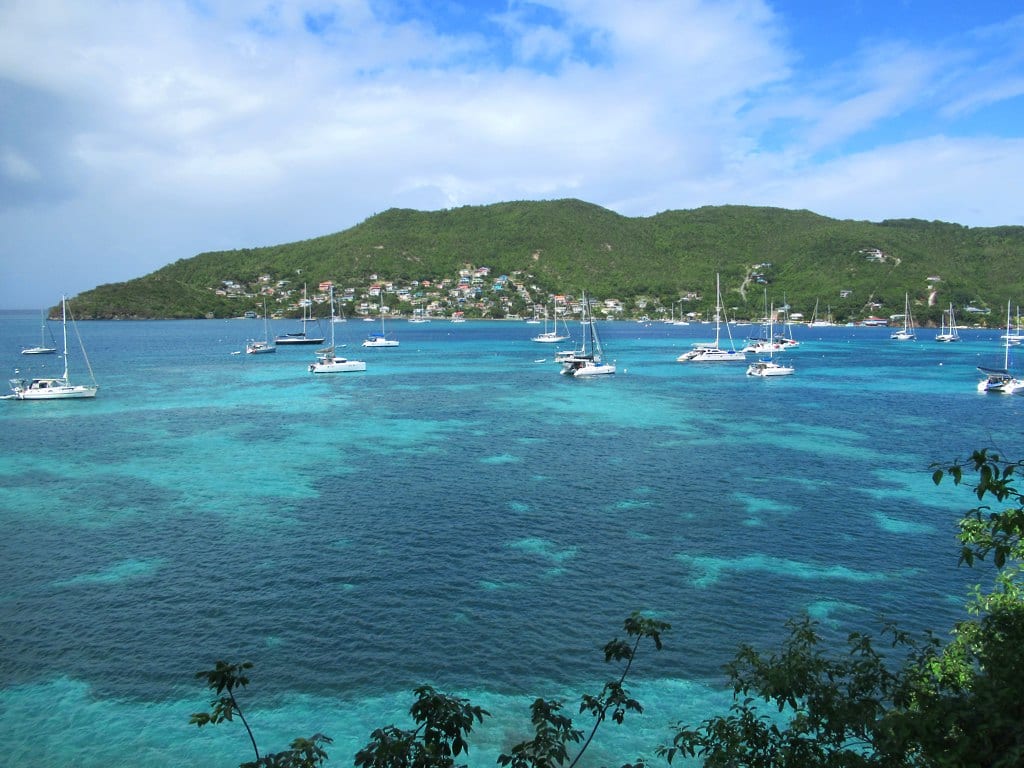
Bequia, the largest of the country's Grenadine islands at 7 square miles, has a long maritime and whaling heritage (a small hunt of up to four humpback whales a year still continues under the International Whaling Commission's aboriginal whaling rules) and Admiralty Bay remains one of the most popular yacht anchorages in the eastern Caribbean, its waterfront lined with a relaxed mix of cafés, and guesthouses, while the island's boat-building tradition reflects its seafaring past.
4. Kingstown
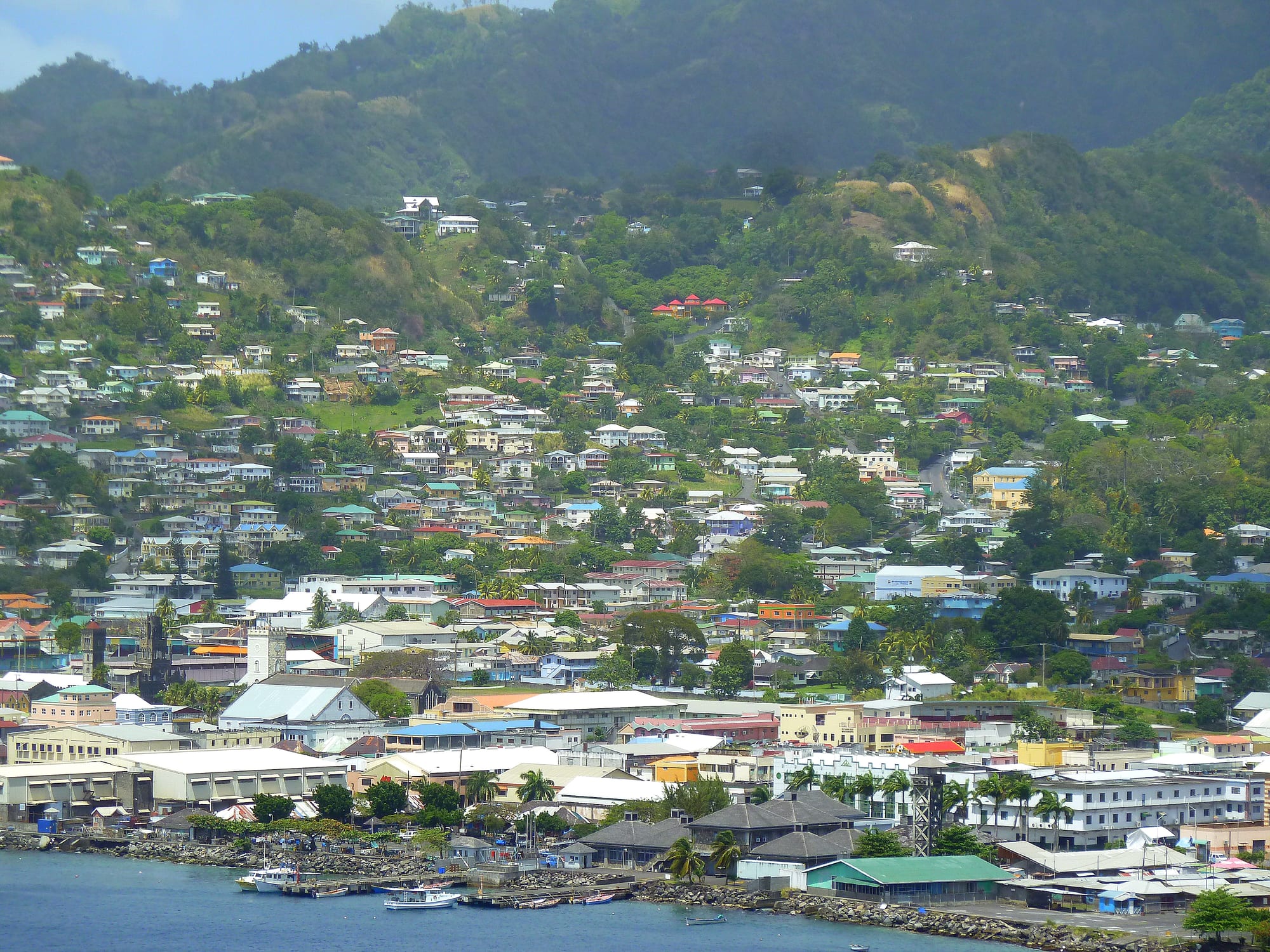
Kingstown, the national capital, is overlooked by the British-built Fort Charlotte, completed in 1806, and holds the Botanic Gardens — established in 1765 and the oldest botanic garden in the Western Hemisphere — which still cultivate a third-generation clone of a breadfruit tree brought to the island in 1793 by Captain William Bligh (of HMS Bounty fame).
5. Mustique
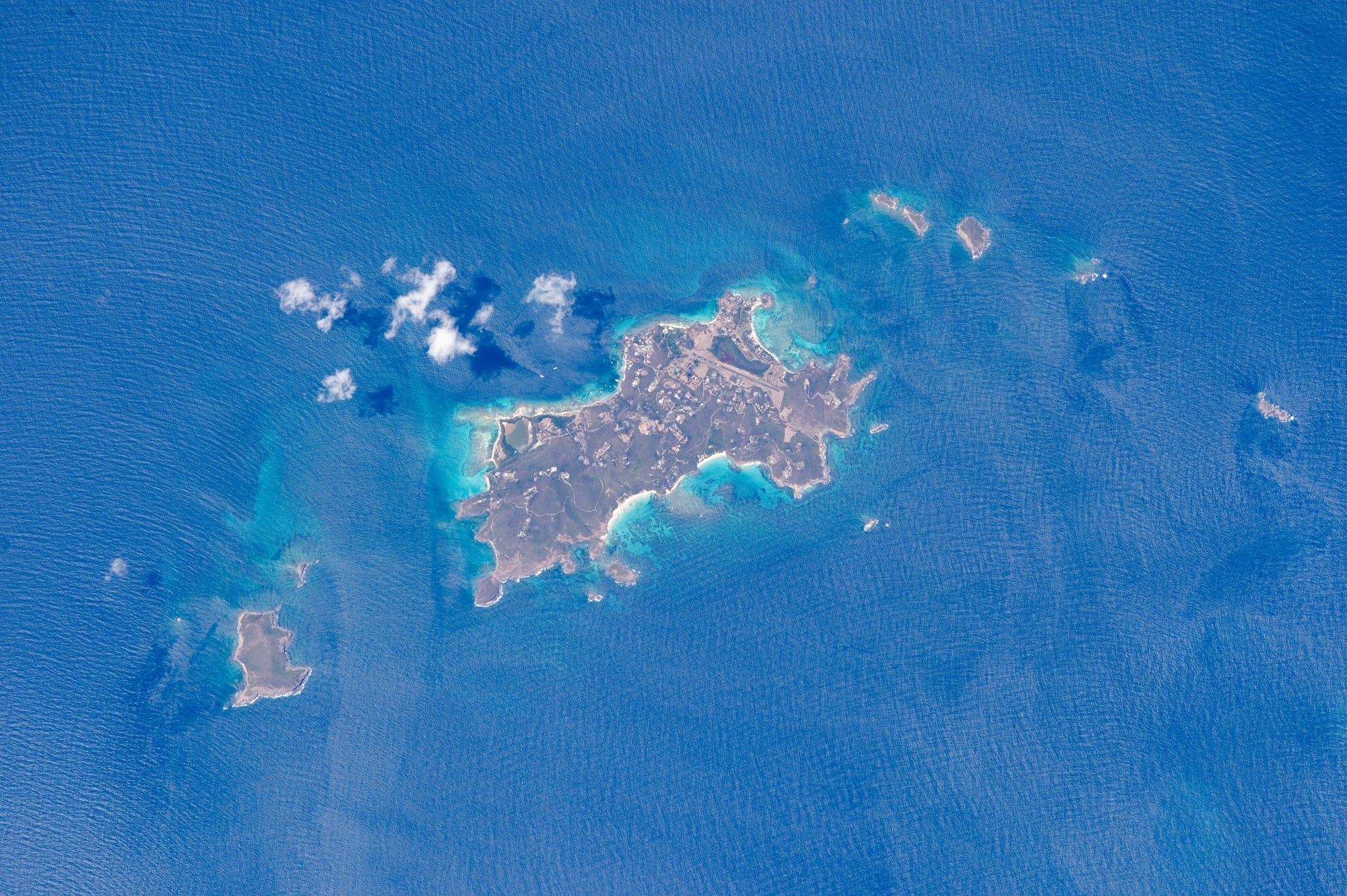
Mustique, bought by Colin Tennant in 1958 and developed privately from the 1960s onward, became a favoured retreat of British royalty (Princess Margaret built a villa here) and international celebrities, who built or rented luxury villas away from public attention. The whole island is still privately run by the Mustique Company, owned by its homeowners, and has kept its reputation for discretion and exclusivity, with about 120 private villas.
Saint Vincent and the Grenadines rewards travellers with either a sailing itinerary through the Grenadines' anchorages, or a shorter land-based trip combining Kingstown and La Soufrière on Saint Vincent with a ferry hop to Bequia.