Attractions & Natural Wonders · Serbia
Serbia: Seven Attractions and Natural Wonders
A fortress standing where two rivers meet after two thousand years of continuous conquest, one of the largest Orthodox churches on earth, and a valley of stone towers each capped improbably with its own boulder
By Worldlore Editorial · 30 September 2026
A crossroads fought over for two thousand years
Serbia, at the crossroads of Central and Southeastern Europe, sits on ground that has been strategically contested for over two millennia — Roman, Byzantine, Ottoman, Austro-Hungarian, and Yugoslav rule have each left their mark on its fortresses, monasteries, and cities. Belgrade itself has been fought over in 115 wars and razed 44 times across its history, reflecting just how consistently fought-over this particular stretch of the Balkans has been.
The seven below run from Belgrade and Novi Sad to the country's medieval monasteries and a striking natural rock formation in the south. Spring through autumn suits most sightseeing.
1. Belgrade Fortress (Kalemegdan)
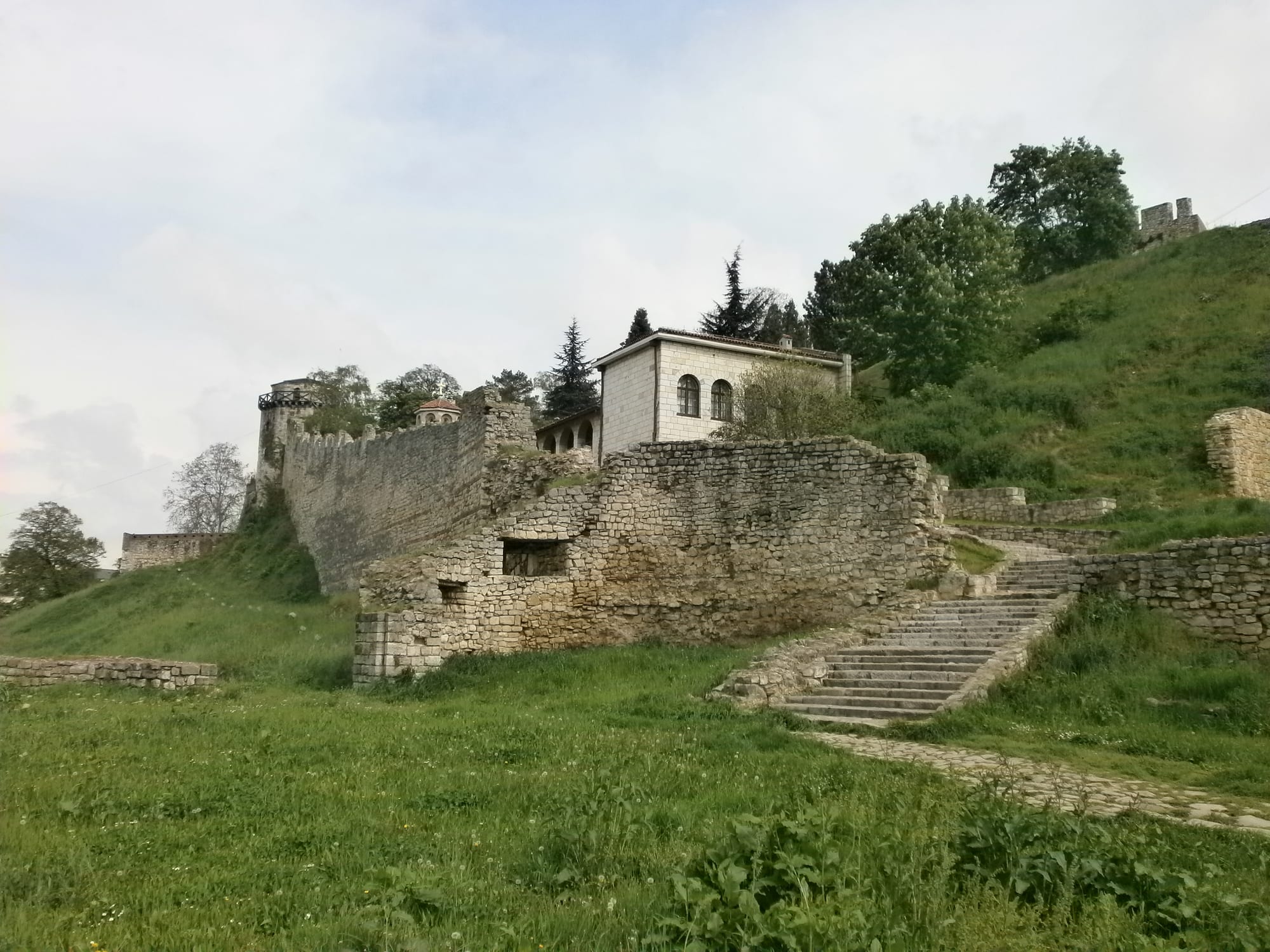
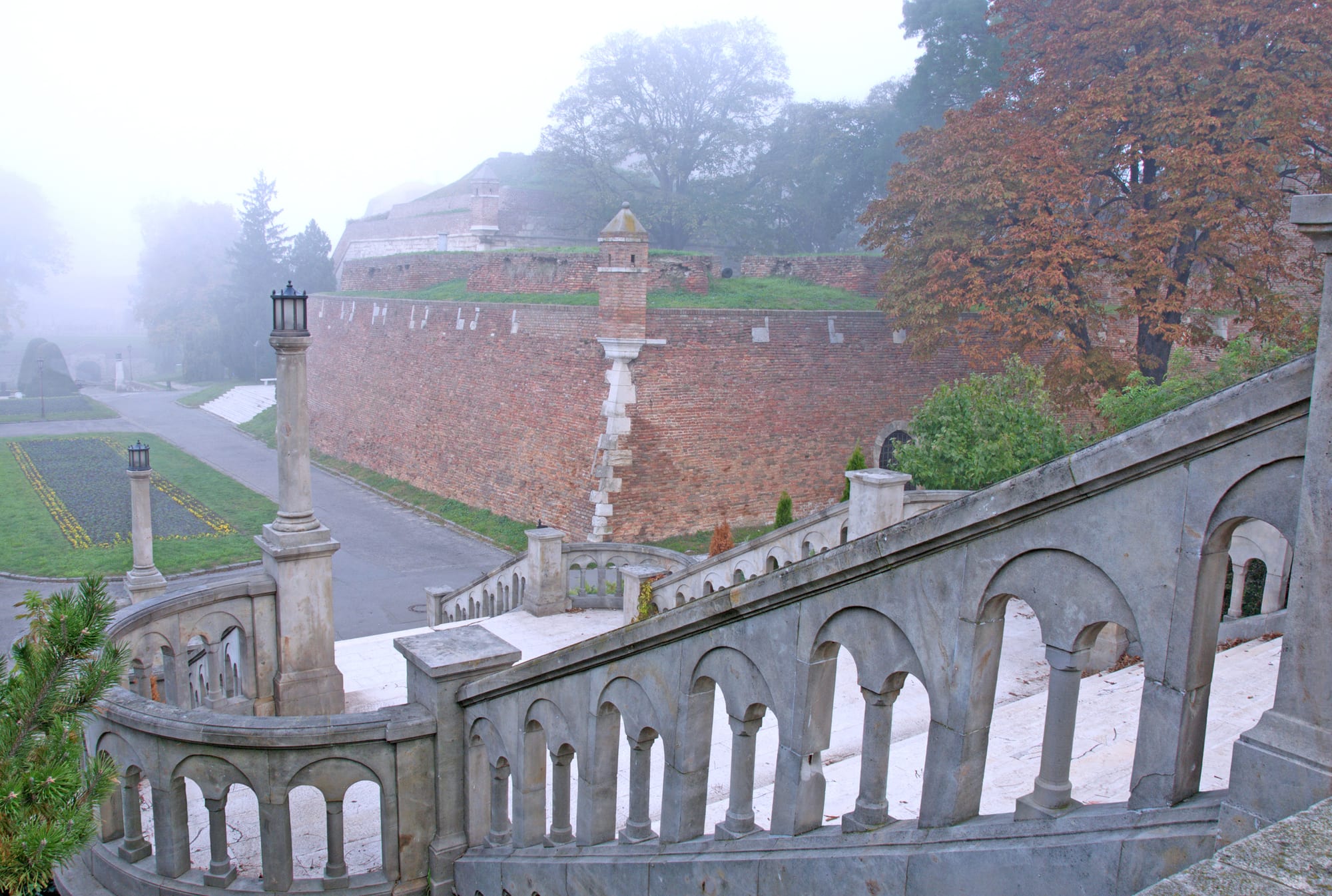
Belgrade Fortress, standing at the confluence of the Sava and Danube rivers, has been fought over and rebuilt so many times across Roman, Byzantine, Ottoman, and Austrian rule that it is difficult to date any single part of the current structure to one era alone. Now surrounded by Kalemegdan Park, one of Belgrade's most popular green spaces, it remains the city's defining historical landmark and a favoured spot for sunset views over the rivers.
2. The Church of Saint Sava
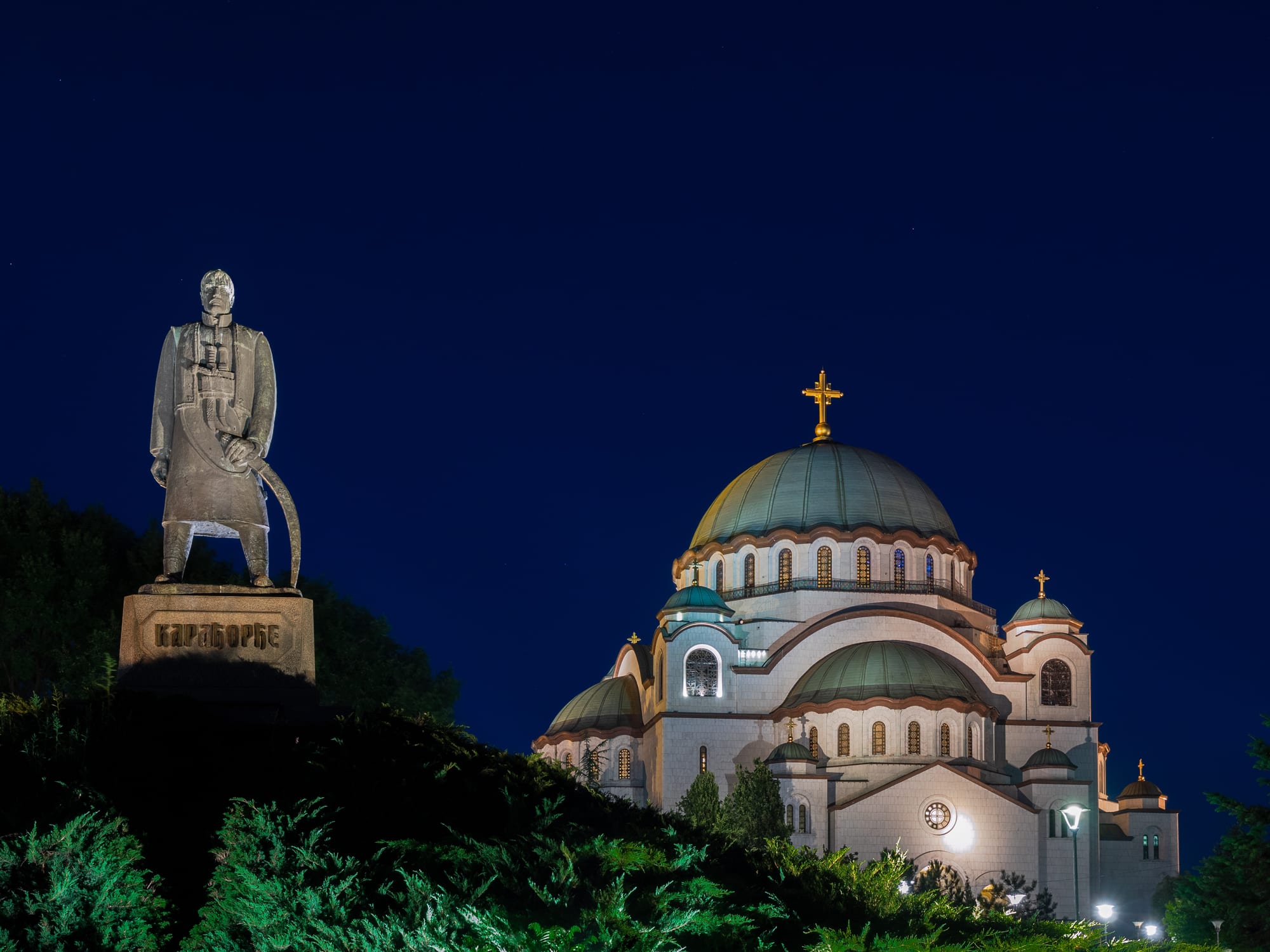
The Church of Saint Sava, built on the site where Ottoman forces reportedly burned the relics of Serbia's patron saint in 1595, was begun in 1935 and, after decades of interrupted work, had its interior completed only in 2020; it is the fourth-largest Eastern Orthodox church in the world, its white marble exterior and central dome dominating Belgrade's skyline from considerable distances.
3. Petrovaradin Fortress, Novi Sad
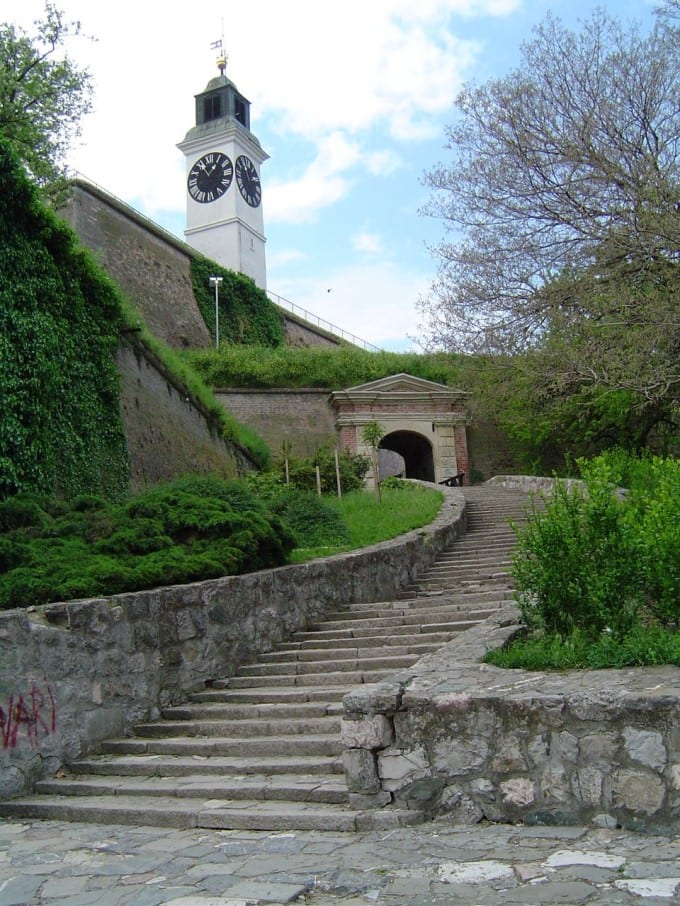
Petrovaradin Fortress, overlooking Novi Sad and the Danube, earned the nickname "Gibraltar on the Danube" for its formidable 18th-century Austrian defensive engineering, including an extensive network of tunnels beneath the fortress said to stretch many kilometres. From 2001 it was also internationally known as the home of the EXIT music festival, one of Europe's largest, until the festival was ended after its 2025 edition.
4. Đavolja Varoš (Devil's Town)
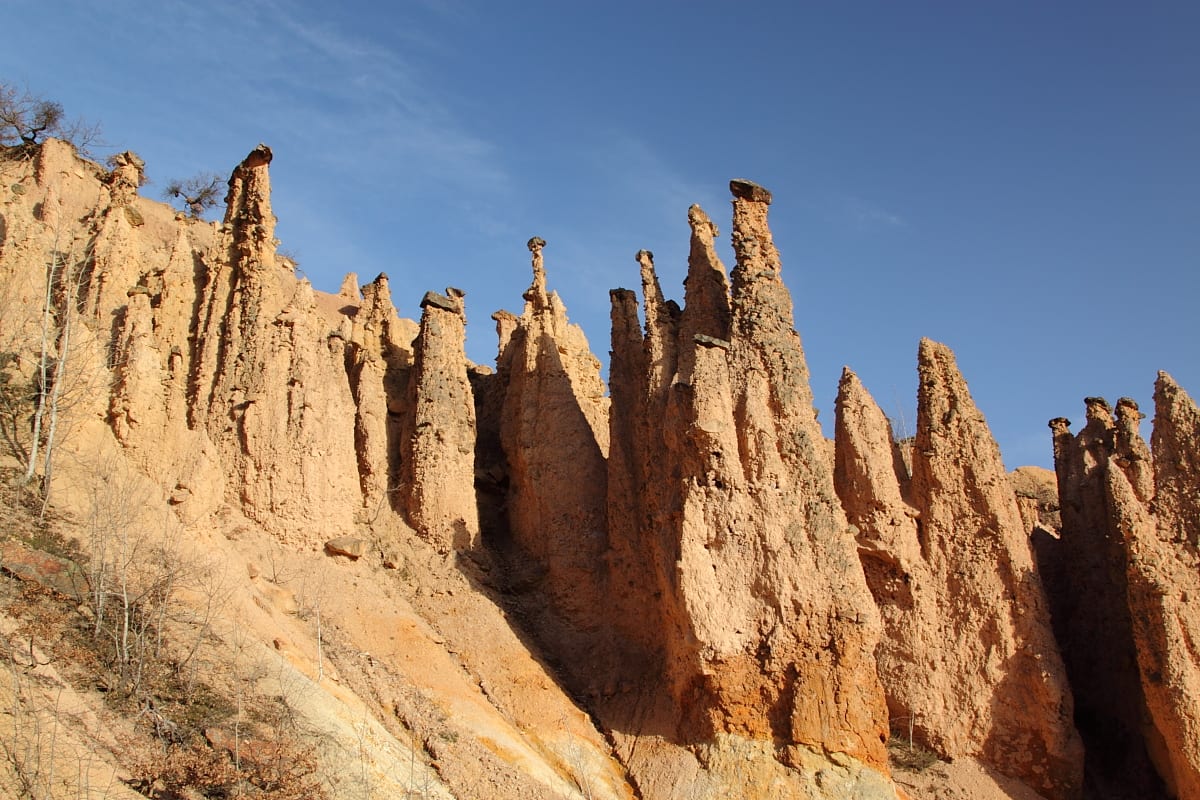
Đavolja Varoš, in southern Serbia, is a valley of 202 natural earth pyramids, most capped with a block of andesite that has protected the softer soil beneath it from erosion — a formation so unusual that local legend attributes it to a failed wedding turned to stone by supernatural forces. It was a nominee in the New Seven Wonders of Nature campaign and remains one of the most visually striking natural sites in the Balkans.
5. Studenica Monastery
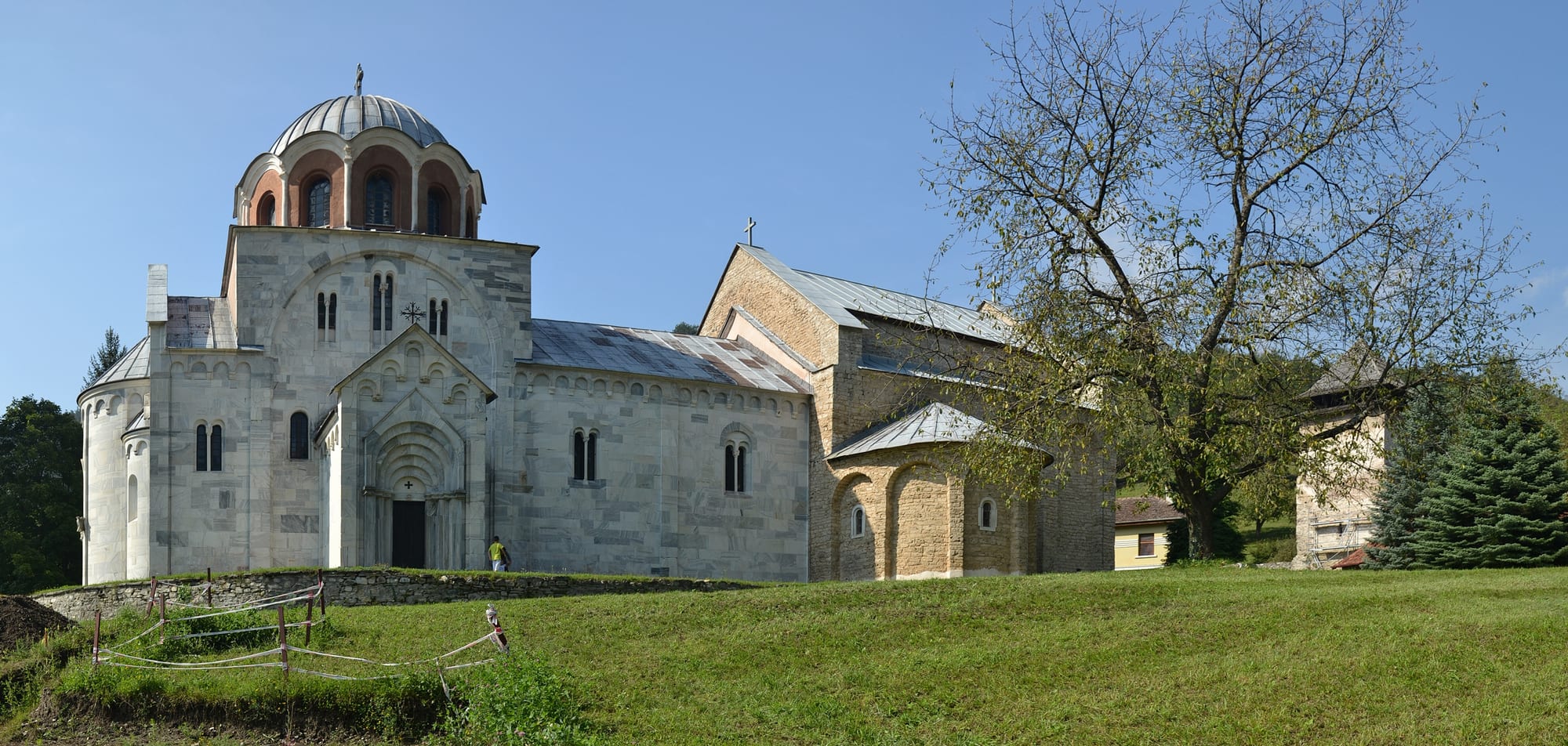
Studenica, founded in the late 12th century by Stefan Nemanja, founder of the medieval Serbian state, holds two white marble churches decorated with Byzantine-influenced frescoes considered among the finest surviving examples of medieval Serbian religious art. A UNESCO World Heritage Site and still an active monastic community, it remains one of the most important sites in Serbian Orthodox history.
6. The House on the Drina
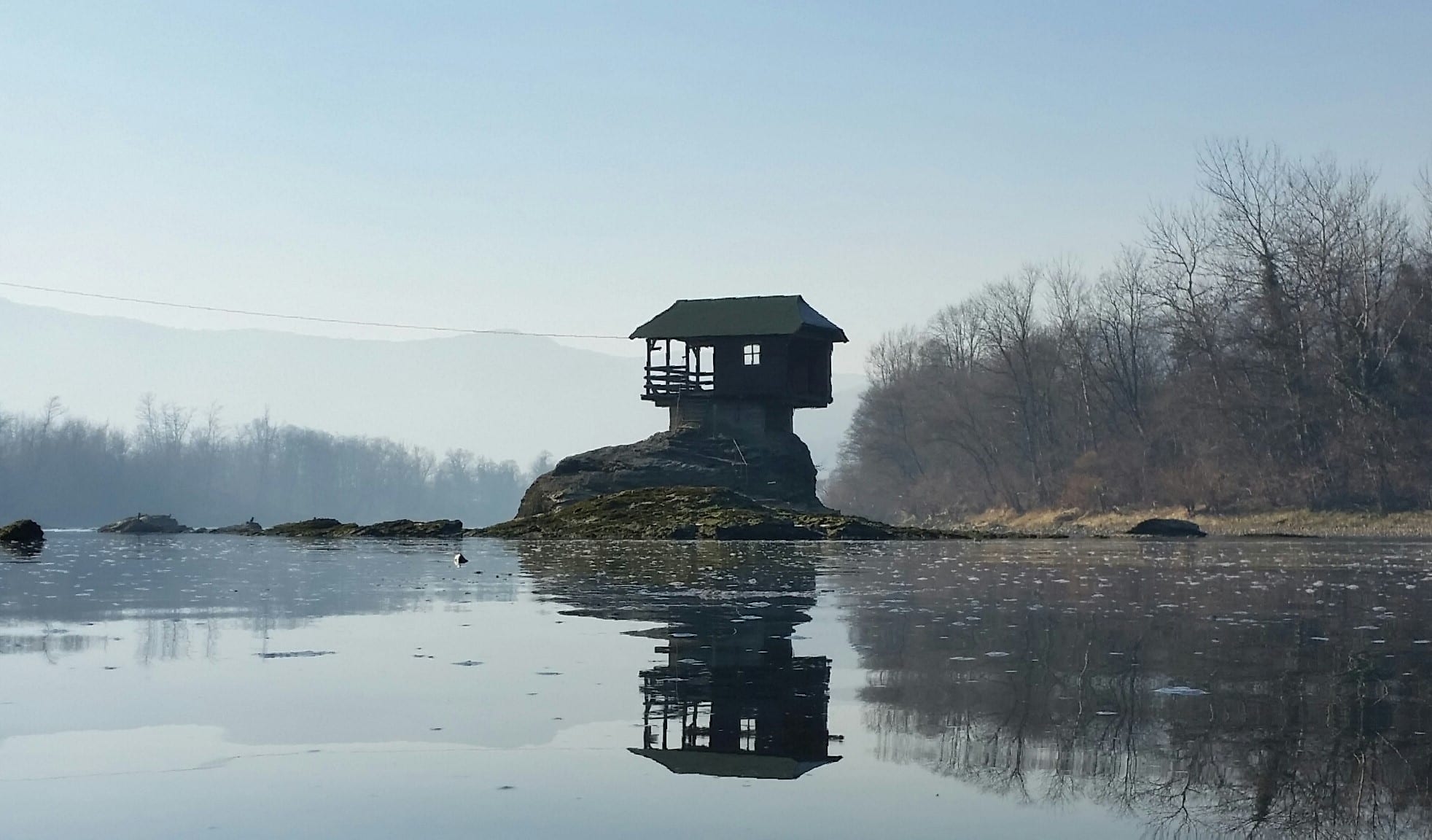
On the Drina River near the town of Bajina Bašta, a tiny wooden cabin sits on a bare rock in the middle of the current — built in 1968 by a group of young swimmers who used the rock as a resting place and wanted a shelter there. Destroyed seven times by high water up to 2019 and rebuilt every time, it has become one of the best-known sights in Serbia.
There is no bridge or path to it; the house is reached by boat, kayak or swimming out from the riverbank.
7. The Iron Gate (Đerdap Gorge)
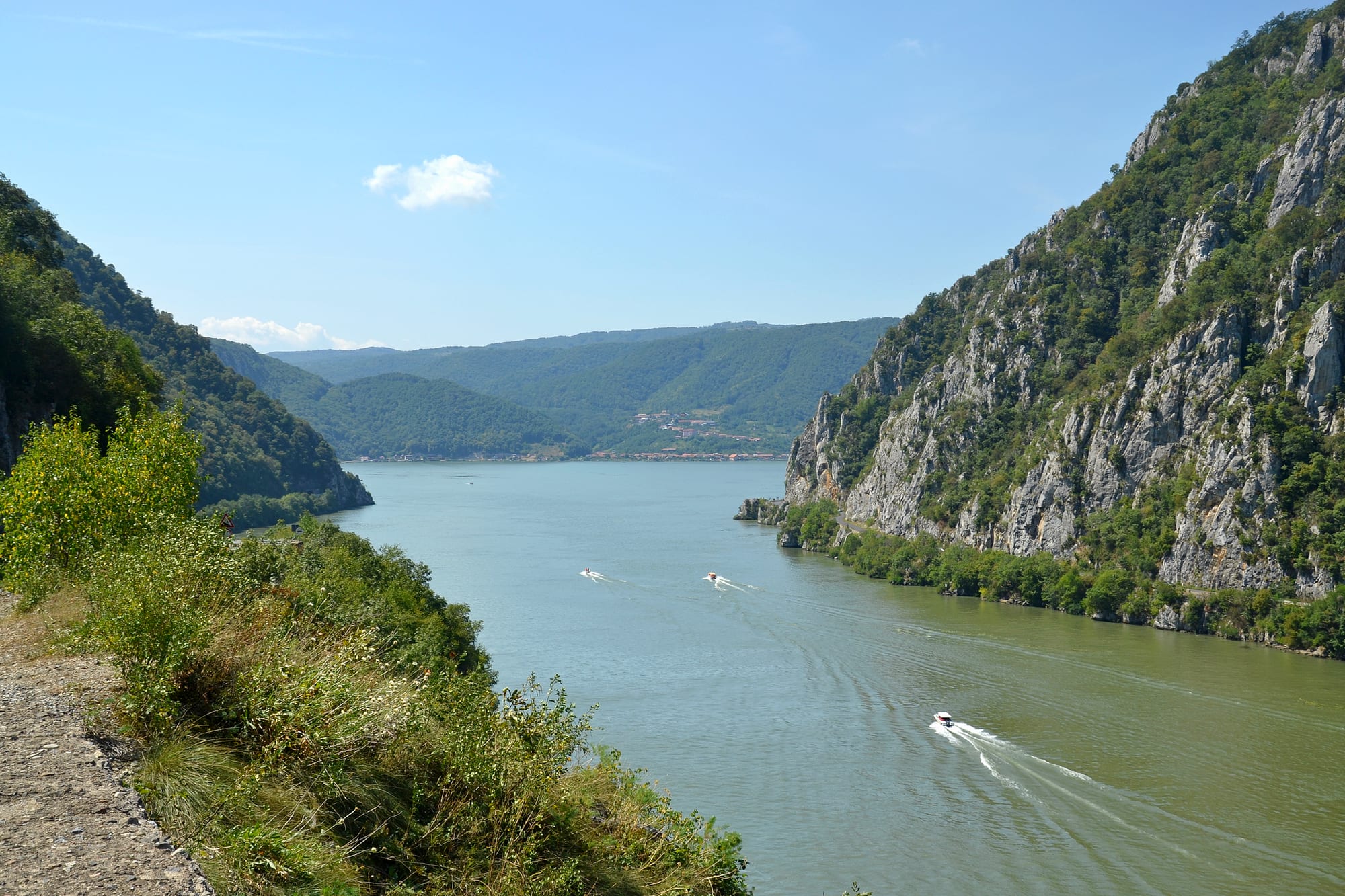
The Iron Gate, where the Danube carves through the Carpathian and Balkan mountains along the Serbia-Romania border, stretches some 134 km in its broadest sense — a dramatic narrows protected on the Serbian side as Đerdap National Park, with the huge rock relief of Decebalus carved into the Romanian cliffs visible from the water.
The Iron Gate I dam near the gorge's end, the largest dam on the Danube, raised the river by some 35 metres and turned the valley into a reservoir, though the gorge is still framed by steep, forested cliffs.
Serbia suits a week combining Belgrade and Novi Sad with an excursion south to Studenica and Đavolja Varoš, with car rental generally the most practical way to reach the more remote natural and monastery sites.