Food · Somalia
Somalia: Food and the National Dish
Spiced rice with meat, a Somali table shaped by centuries of Indian Ocean trade and a genuine national love of camel
By Worldlore Editorial · 30 September 2026
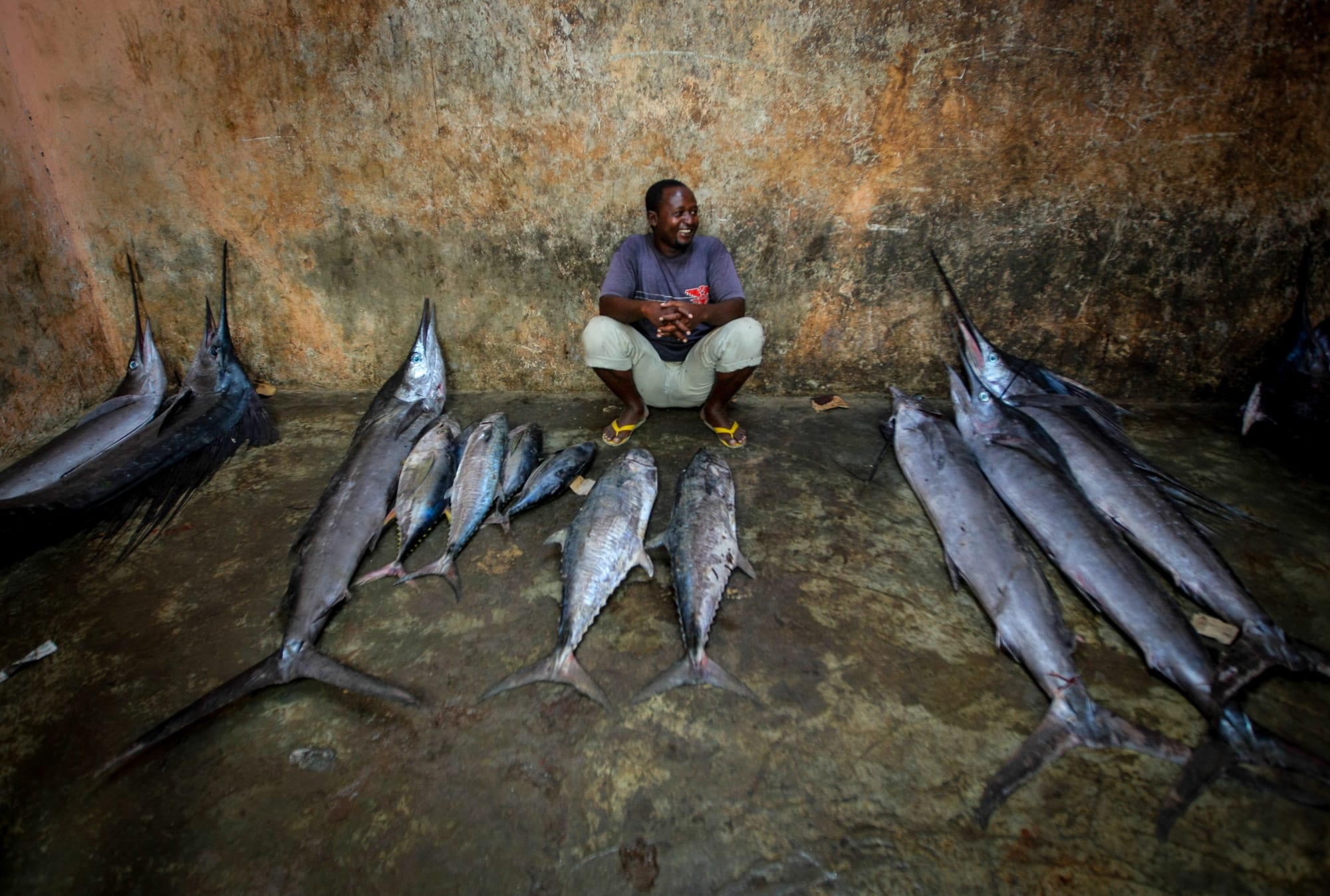
A cuisine shaped by trade across the Indian Ocean
Somali food reflects the country's long coastline and position along historic Indian Ocean trade routes, drawing on spices and cooking techniques introduced through centuries of contact with the Arabian Peninsula, Persia and South Asia, layered onto genuinely Somali pastoral traditions built around meat and dairy.
The everyday staple: bariis with meat
Bariis iskukaris, basmati rice cooked with xawaash, a spice mix that includes cumin, cardamom, cinnamon and cloves, coloured with saffron or food colouring, and served with meat, most commonly lamb or goat, is often called a national dish of Somalia and is almost universally part of the daily meal, usually with a banana on the side. Genuinely central to everyday meals and celebrations alike, bariis reflects Somalia's trade connections across the Indian Ocean, and the name xawaash comes from the Arabic word for spices.
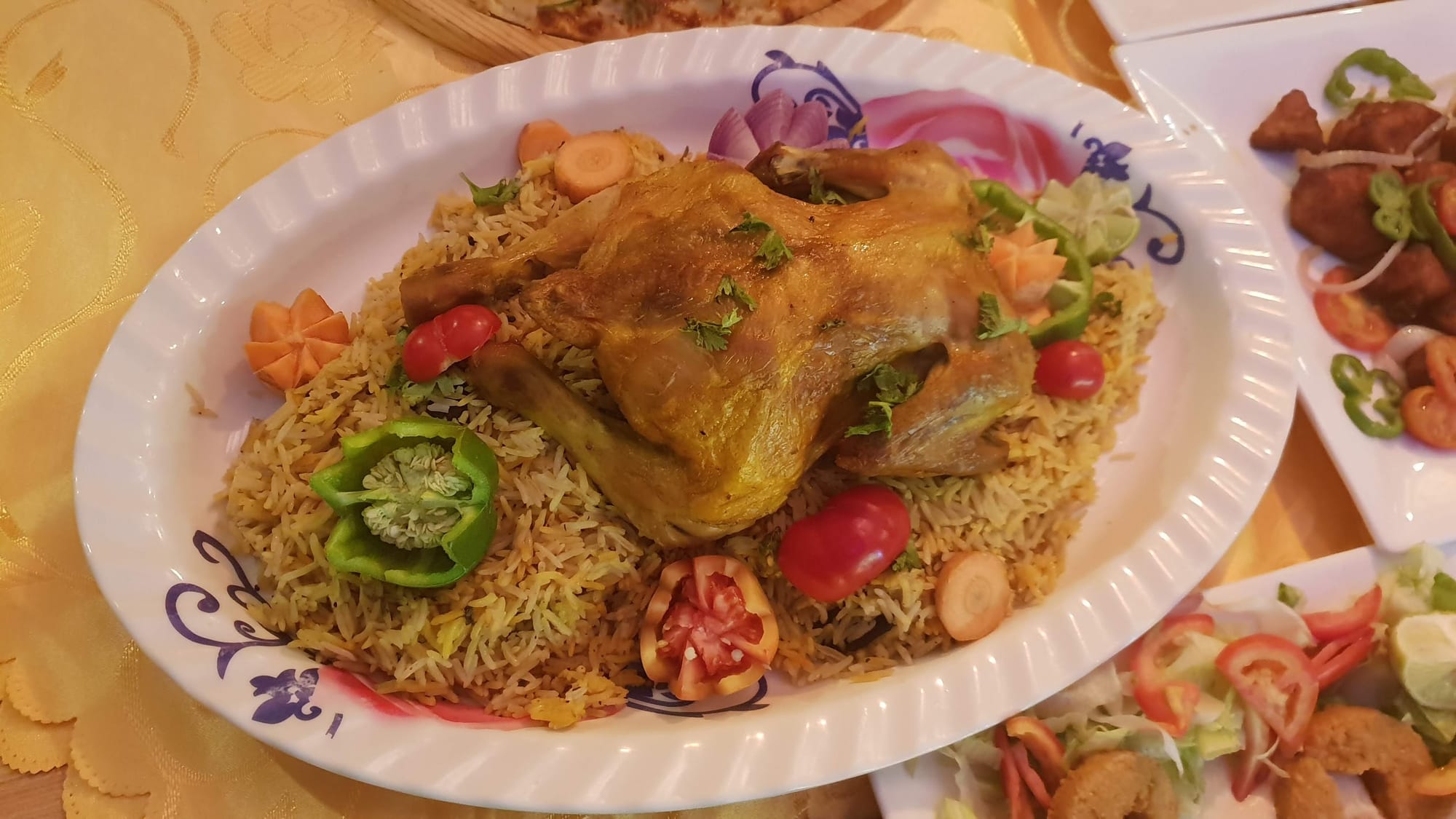
Rice, camel and a genuinely pastoral pantry
Rice and a wide range of spices anchor much of everyday Somali cooking, alongside meat and dairy from the country's long pastoral tradition, with camel milk and meat the traditional food of pastoralists. Maize and sorghum, staples in the riverine regions, round out a pantry shaped by both trade and Somalia's own nomadic herding history.
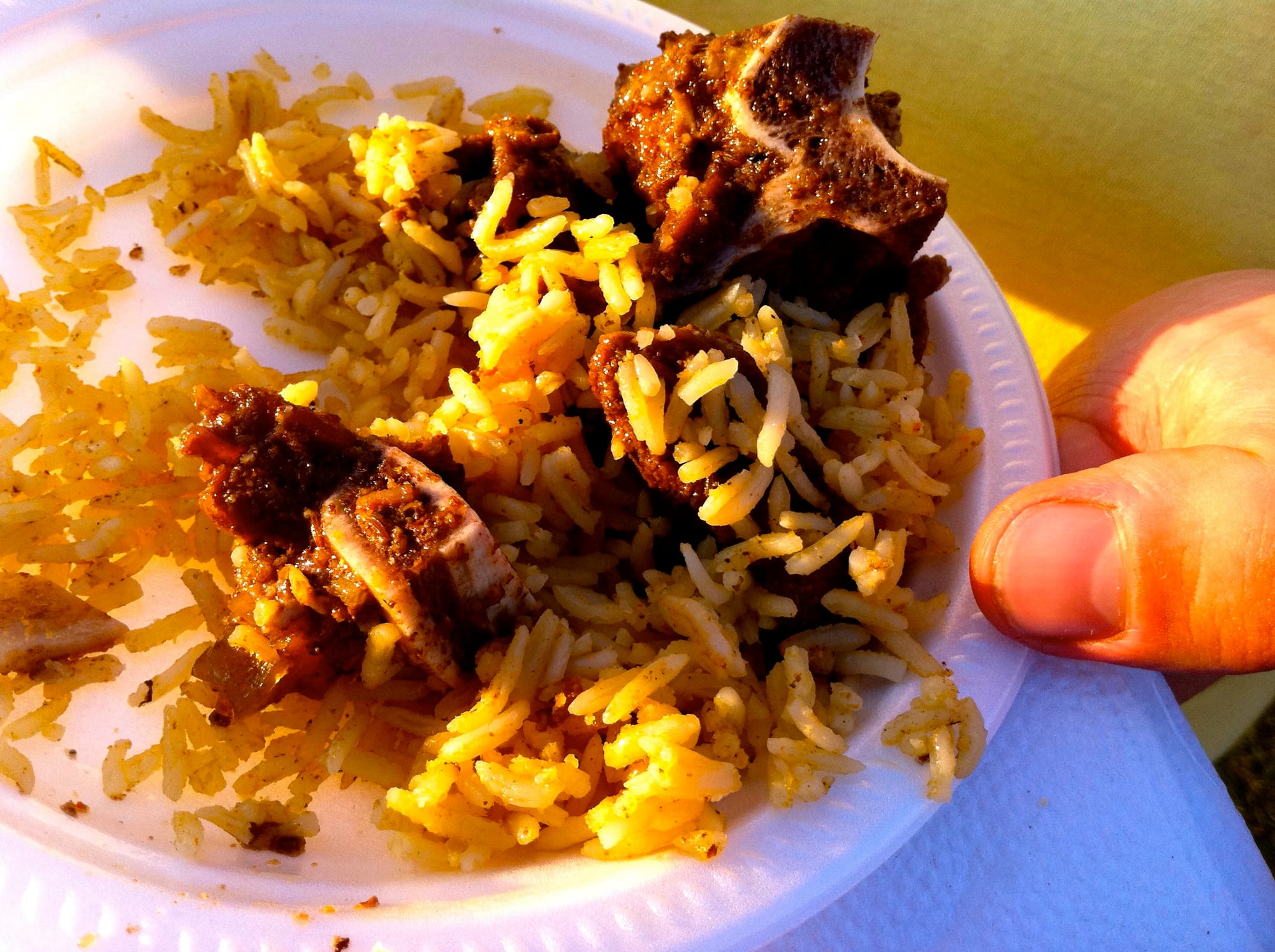
History behind the spice
Somalia's coastline has connected it to Indian Ocean trade networks for centuries, with ancient ports trading with Arabia, Persia and India long before European colonial rule, which later added an Italian legacy of pasta. That trade history explains why bariis's spice blend closely echoes dishes found across the wider Indian Ocean world, even as camel and goat meat, central to Somalia's own long pastoral and nomadic herding tradition, remain distinctly and proudly Somali.
Dishes to know
Five more to recognise across Somalia:
- Camel meat — held in particular cultural and dietary regard,
reflecting Somalia's deep pastoral tradition.
- Canjeero — a thin, slightly sweet pancake-like bread, the usual
centre of a Somali breakfast.
- Sabaayad — a chewy, slightly flaky flatbread, eaten at breakfast with
honey or sugar, or at lunch with a stew.
- Muqmad — small pieces of beef, goat or camel meat preserved in
ghee, also called oodkac.
- Malawah — a sweet, crepe-like flatbread usually eaten for breakfast
with tea.
Drinks
Somali tea, black tea boiled with cardamom, cinnamon and cloves, is a genuine daily ritual across the country. Camel milk, prized both fresh and soured, and fresh fruit juices are also widely consumed. No alcohol is sold or consumed.
Eating as a traveller
Most governments advise against all travel to Somalia. Meat is always prepared halal, and vegetarians will find rice and vegetable-based dishes more limited given meat's central role in most everyday cooking. Bottled water is the safer default. Bariis with goat or camel meat is the dish that best represents Somalia's everyday table.
What to take from the table
Bariis, spiced through centuries of Indian Ocean trade and served with camel or goat from Somalia's own pastoral tradition, captures the country's food story directly: shaped by the sea as much as by the herds.