Food · South Sudan
South Sudan: Food and the National Dish
Cattle at the centre of daily life more than daily meals, from a country where milk and status matter more than meat on the plate
By Worldlore Editorial · 30 September 2026
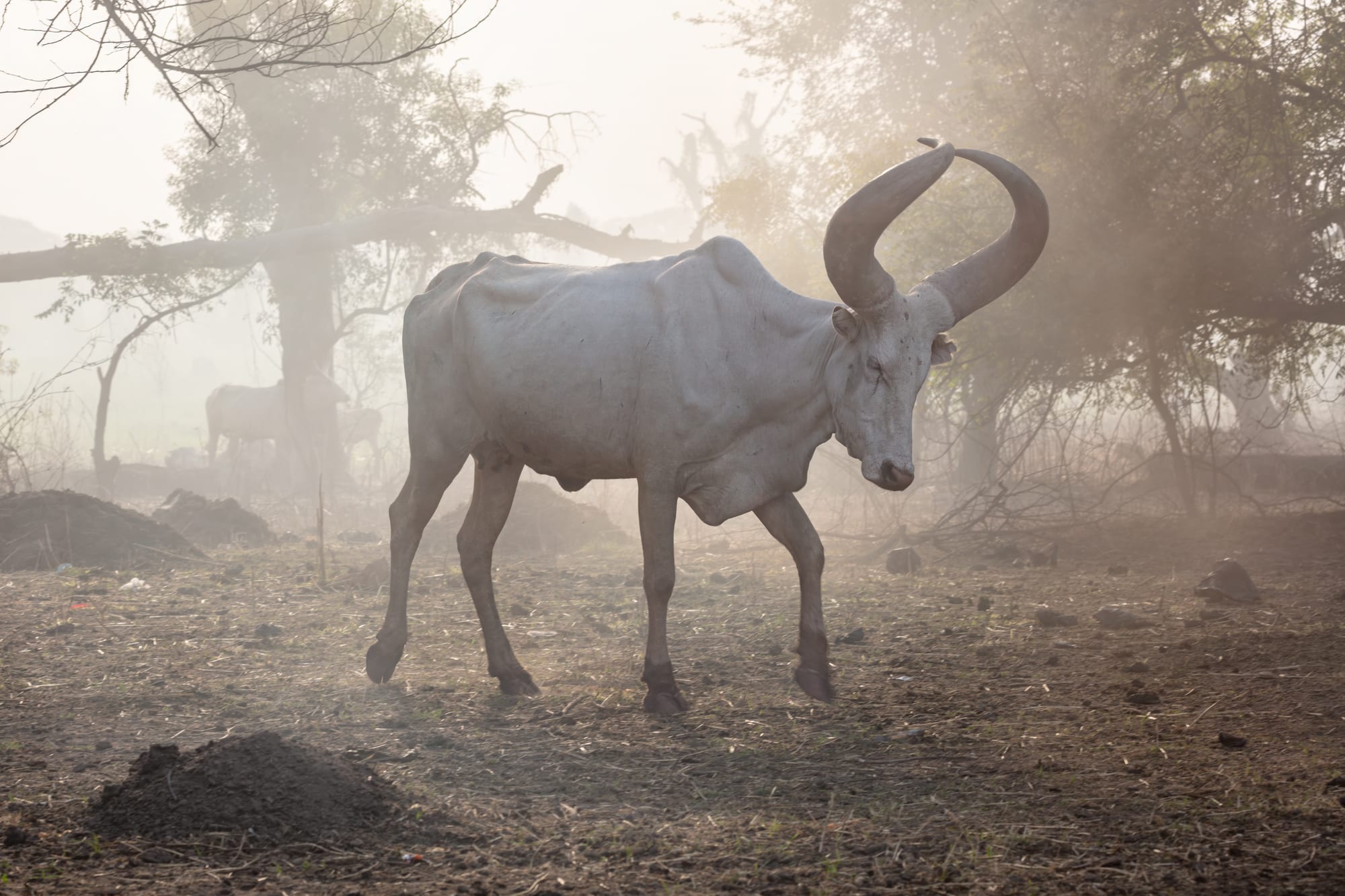
A country where cattle matter more than cuisine
South Sudan has no officially declared national dish, though kisra, a thin fermented sorghum flatbread shared with Sudan, is often listed as one. What matters far more here is the country's cattle culture, central to Dinka, Nuer and Mundari life not primarily as food but as wealth, status and social identity.
Cattle, sorghum and a genuinely pastoral pantry
Cattle hold enormous social and cultural significance across much of South Sudan, used for milk, blood (drawn without killing the animal) and as a measure of wealth and dowry payment, with cattle more rarely slaughtered for meat than their cultural centrality might suggest. Sorghum, ground into flour for porridge and flatbread, and groundnuts form the more genuinely everyday dietary staples alongside milk from the herds.
Dishes to know
What is actually eaten across South Sudan:
- Milk and dairy — from cattle herds, a genuine dietary and cultural
staple among pastoral communities.
- Aseeda — ground sorghum cooked into a thick porridge, a
daily staple, shared with neighbouring Sudan.
- Wala-wala — a millet porridge, another everyday grain dish.
- Kajaik — a fish stew, eaten especially near the rivers and lakes.
- Combo — spinach cooked with peanut butter and tomatoes.
Eating as a traveller
Vegetarians will find sorghum, groundnut and dairy-based dishes manageable, though options remain limited outside Juba. Tap water is not reliably safe outside major hotels; bottled water is the safer default. Most governments currently advise against all travel to South Sudan; for those in the country, the cattle camps of the Mundari near Terekeka show how central cattle are to South Sudanese daily life, distinct from the country's food itself.
What to take from the table
South Sudan's food story isn't really about a dish at all: cattle, central to wealth and identity across much of the country, matter more as a measure of status than as something regularly eaten.