History · Bermuda
What is really going on in the Bermuda Triangle?
Nothing unusual. Busy shipping lanes, hurricanes, the Gulf Stream and some careless storytelling built a mystery that the records do not support.
By Globeway Editorial · 2 November 2026
The short answer
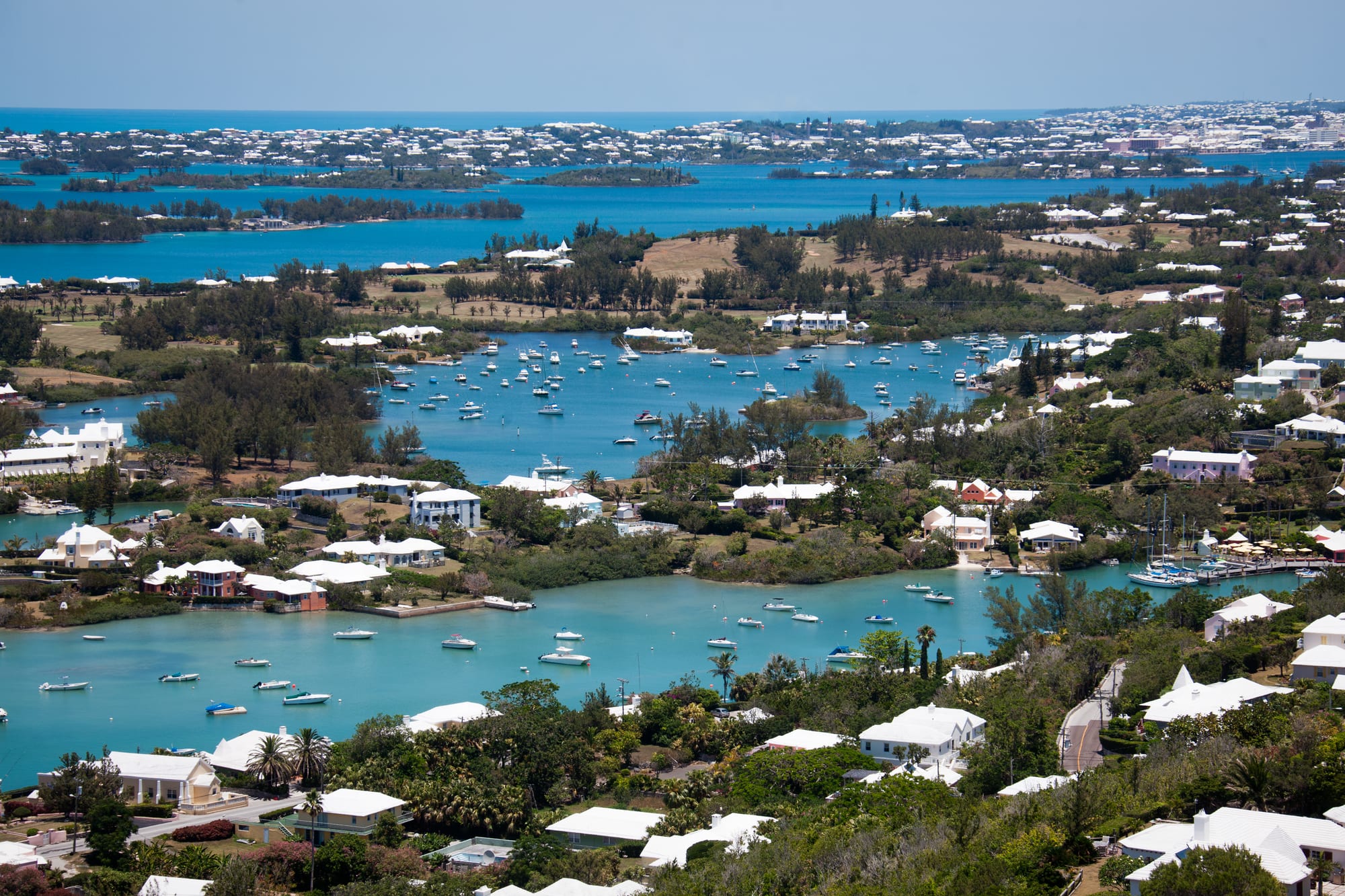
Nothing unusual is going on. The Bermuda Triangle is a loosely defined patch of the North Atlantic, roughly bounded by Florida, Bermuda and Puerto Rico, that became famous in the mid-20th century for supposedly swallowing ships and aircraft without trace. Investigations by the United States Coast Guard, the US Navy, NOAA and independent researchers have found no evidence of anything strange there. The losses that did happen are explained by storms, strong currents, shallow water and human error.
The mystery itself was largely made by writers. Between 1950 and the mid-1970s, newspaper and magazine stories, then books, stitched together unrelated accidents, left out the bad weather that caused many of them and added some that never happened in the area at all. The insurance market Lloyd's of London found that unusually large numbers of ships had not sunk there, and it charges no higher rates for crossing it.
How a legend was assembled
The story has a surprisingly precise birth. On 17 September 1950, an article by Edward Van Winkle Jones of the Miami Herald, distributed by the Associated Press, first suggested that disappearances near Bermuda were unusual. Two years later George X. Sand, writing in Fate magazine, drew the now-familiar triangle and listed a run of postwar losses, including Flight 19, a group of five US Navy torpedo bombers that vanished in December 1945.
The pattern took its lasting form in February 1964, when Vincent Gaddis wrote "The Deadly Bermuda Triangle" for the magazine Argosy, fixing its corners at Miami, San Juan and Bermuda and claiming a pattern of strange events going back to at least 1840. Books followed, among them Charles Berlitz's The Bermuda Triangle and Richard Winer's The Devil's Triangle, both in 1974, and several authors brought in supernatural ideas.
Later writers did not stick to Gaddis's corners. Their triangles ranged from 1.3 to 3.9 million square kilometres, some stretching as far as the coast of Ireland, so whether a given wreck counted as a Triangle loss depended on who was telling the story.
- 1950
A Miami Herald article distributed by the Associated Press first suggests unusual losses near Bermuda.
- 1952
Fate magazine prints the first description of a triangular danger zone.
- 1964
Vincent Gaddis's article "The Deadly Bermuda Triangle" appears in Argosy magazine.
- 1974
Charles Berlitz and Richard Winer publish books on the Triangle.
- 1975
Larry Kusche's The Bermuda Triangle Mystery: Solved checks the stories against the records.
- 1976
A Nova/Horizon documentary concludes that the mystery evaporates when traced to its sources.
What happened when someone checked
The most thorough debunking came from Larry Kusche, whose 1975 book went back to newspapers printed on the dates of the reported losses. Again and again he found storms and other ordinary causes that the mystery books never mentioned, and some disappearances described as happening in calm weather when the meteorological records said otherwise. One plane said to have vanished in 1937 had crashed off Daytona Beach, Florida, in front of hundreds of witnesses.
Other cases fell apart the same way. The tanker V. A. Fogg, whose crew one author claimed had vanished in 1972, exploded and sank off the coast of Texas, nowhere near the Triangle; the Coast Guard photographed the wreck and recovered bodies. The yacht Connemara IV, supposedly found empty after surviving three hurricanes, had dragged her moorings in Carlisle Bay, Barbados, in the heavy seas left by a hurricane and drifted out to sea.
Kusche's conclusion was blunt: the proportion of ships and aircraft lost there was no greater than in other parts of the ocean, and the legend was "a manufactured mystery". The Coast Guard and the US Navy say the same. A 2013 study by the World Wide Fund for Nature of the world's ten most dangerous waters for shipping did not include the Triangle, and the US Board on Geographic Names does not even recognise it as an official place.
Flight 19, the case at the centre
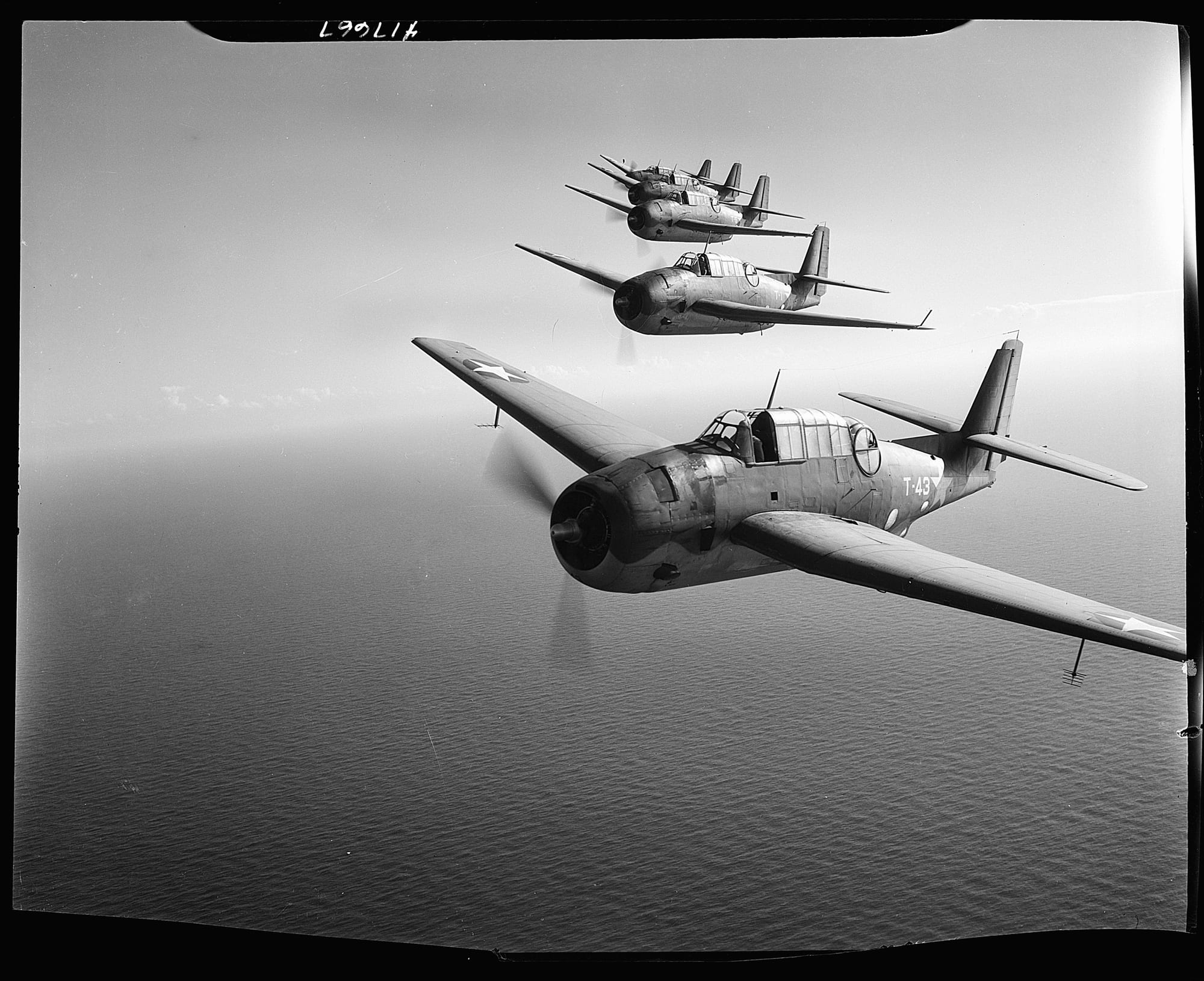
No story did more for the legend than Flight 19. On 5 December 1945, five TBM Avenger torpedo bombers left Fort Lauderdale on a navigation training flight: east for 227 kilometres, north for 135, then back over a final 225-kilometre leg. They never returned, and all 14 airmen were lost. A Martin PBM Mariner aircraft sent to search for them also disappeared with its 13-man crew; a tanker off Florida reported flames from an apparent explosion, a pool of oil and aviation fuel was found, and the Mariner's flexible fuel lines were known to work loose and leak petrol.
The Navy's investigators concluded that the flight leader, Lieutenant Charles Taylor, had mistaken small offshore islands for the Florida Keys after his compasses stopped working, leading the planes out over open sea until they ran out of fuel as the weather turned stormy. The report was later changed to "cause unknown" after Taylor's mother argued that her son was being blamed without bodies or wreckage as evidence. That softened wording, not any evidence of the unexplained, is what turned a navigation accident into a mystery.
The real hazards of these waters
The sea here is genuinely demanding, for reasons that have nothing to do with the supernatural. NOAA points to hurricanes, sudden changes of weather from the Gulf Stream and hazardous shallow waters. Many Atlantic hurricanes cross the area as they curve away from the US East Coast, and before weather satellites ships often had little or no warning of one coming.
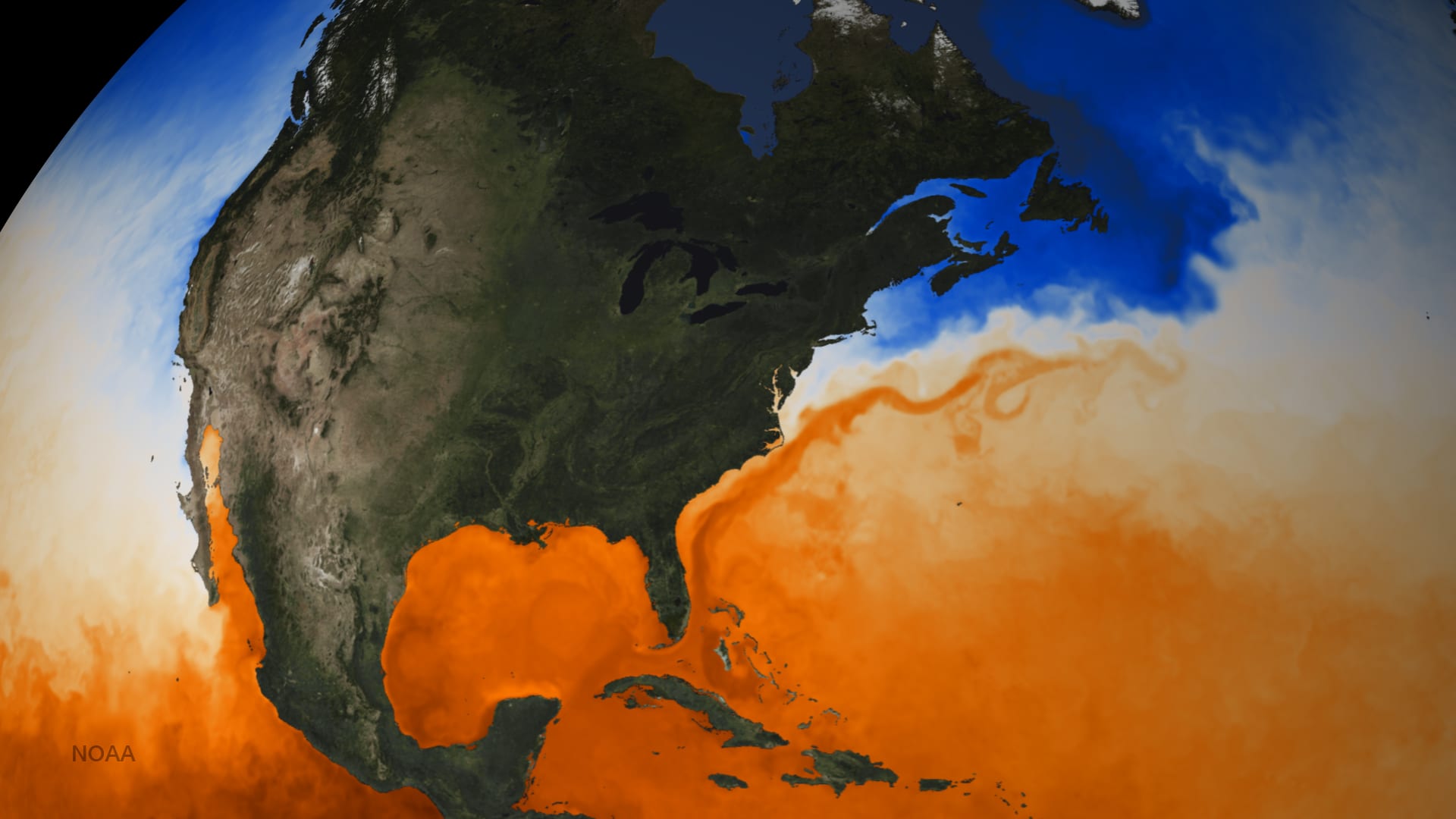
The Gulf Stream, a warm current flowing out of the Gulf of Mexico through the Straits of Florida, behaves like a river inside the ocean, with surface speeds of up to about 2.5 metres a second. A boat with engine trouble or a small plane that lands on the water can be carried far from its last reported position.
Two favourite "scientific" explanations do not hold up. Compass readings shift across any large area because magnetic north and true north rarely line up, a fact navigators have known for centuries; no special magnetic anomaly has been found in the Triangle. And although bursts of methane gas can sink a model ship in a laboratory, the US Geological Survey believes no large releases of gas hydrates have occurred in the area for the past 15,000 years.
Ships have certainly been lost. The collier USS Cyclops vanished with 306 people after leaving Barbados in March 1918, the largest loss of life in US Navy history not related to combat. Her two sister ships were later lost in the North Atlantic carrying similar heavy ore, and overloading with dense cargo is considered the most likely cause in all three cases.
Bermuda's older reputation
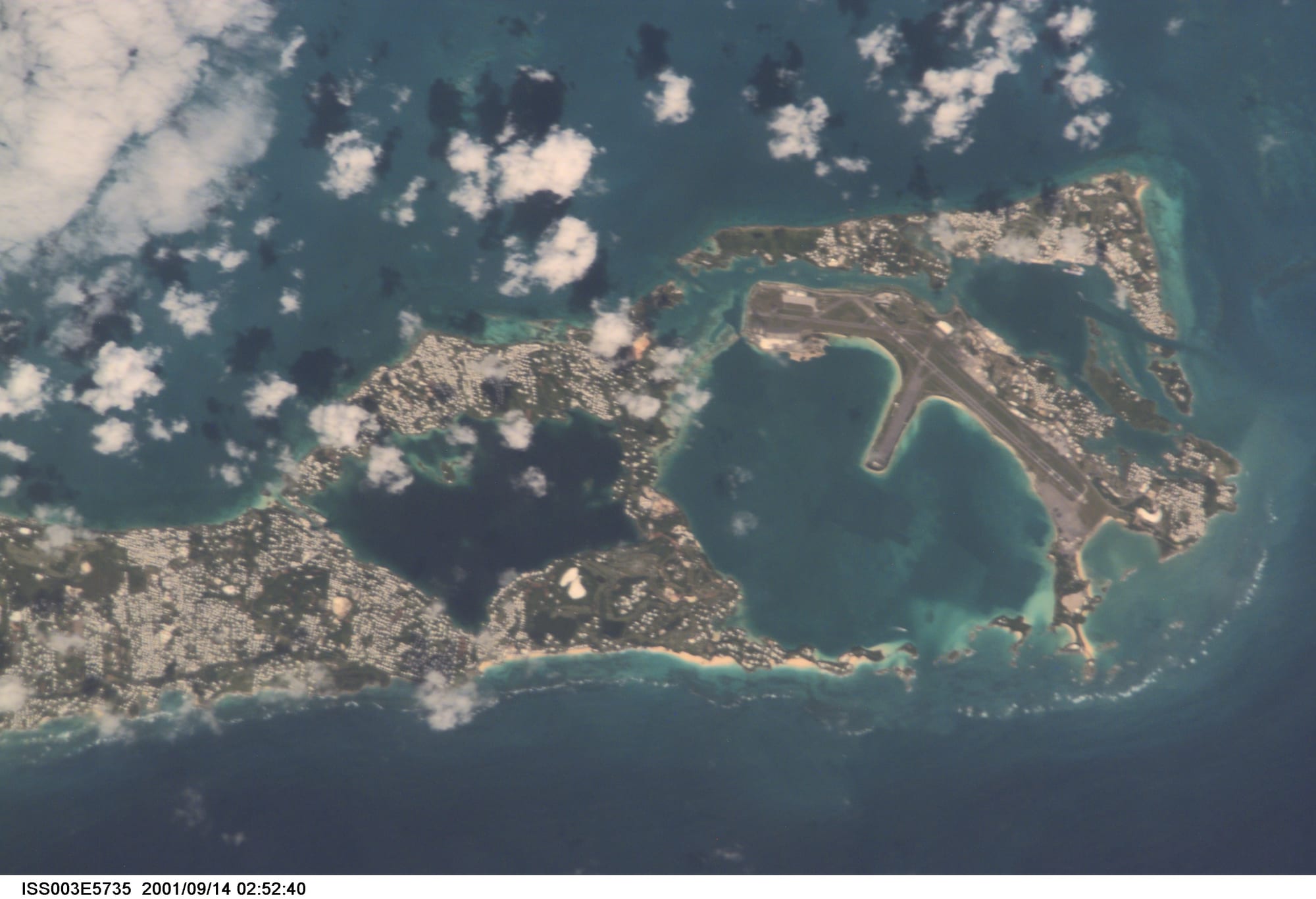
Long before the Triangle, Bermuda itself had a fearsome name. Its storm-racked seas and dangerous reefs earned the archipelago the title "Isle of Devils". In 1609 the Sea Venture, flagship of a fleet carrying colonists to Jamestown, Virginia, was caught in a storm that was probably a hurricane and was driven onto Bermuda's reef to stop her sinking. Everyone aboard survived, and the wreck is widely thought to have inspired Shakespeare's The Tempest.
Those same reefs now protect the islands and draw divers, who can explore wrecks and coral in water typically 9 to 12 metres deep.