History · Eswatini
Why did Swaziland change its name to Eswatini?
In 2018 King Mswati III swapped a half-English, colonial-era name for the one the Swazi had long used, partly to stop the world confusing his kingdom with Switzerland.
By Globeway Editorial · 2 November 2026
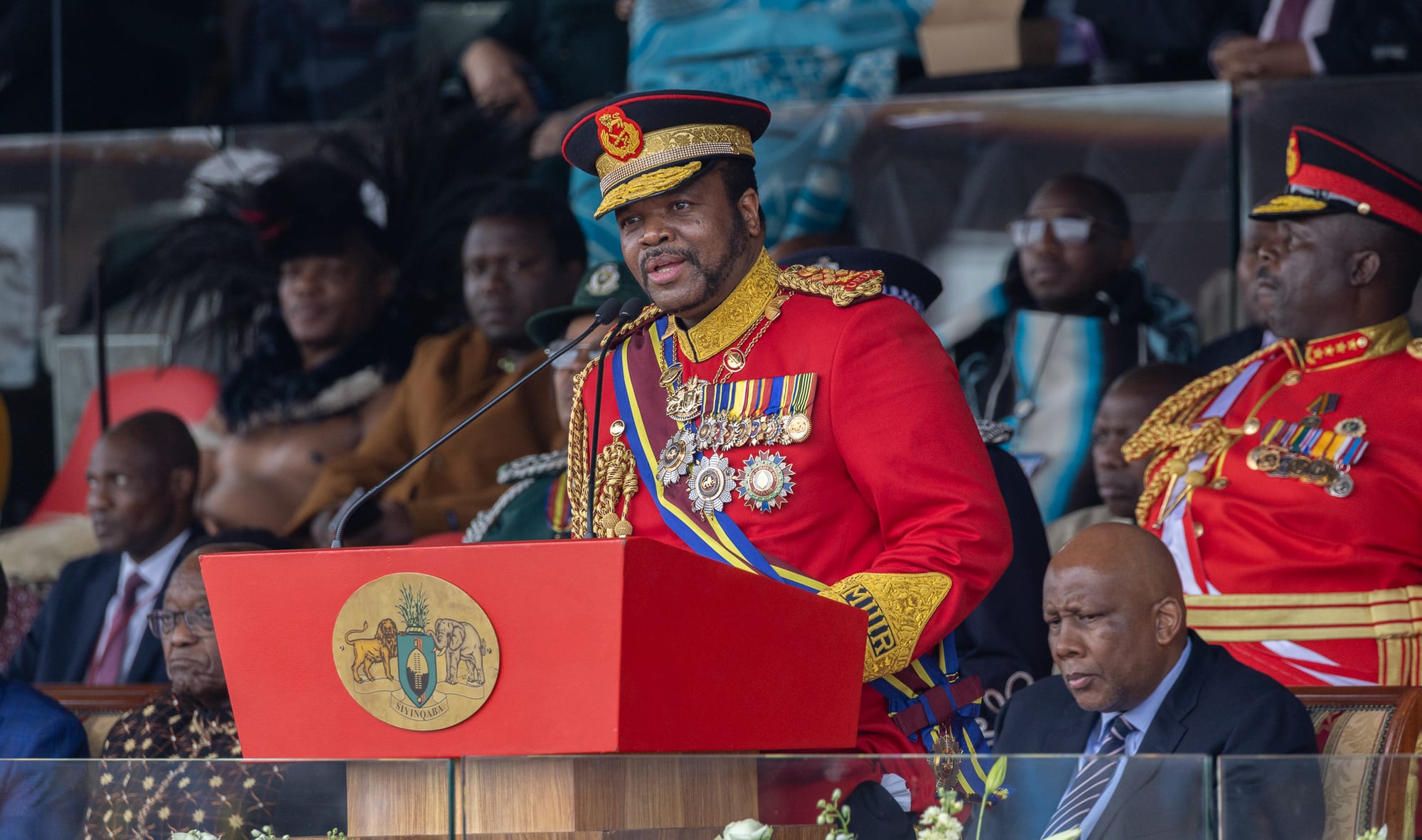
The short answer
On 19 April 2018 King Mswati III announced that the Kingdom of Swaziland would henceforth be the Kingdom of Eswatini. The new name was not invented for the occasion: eSwatini, meaning "land of the Swazis", is what the country had long been called in its own language, siSwati. "Swaziland" was the version used in English, the name under which the kingdom had been a British high commission territory and under which it became independent. The change was framed as a return to the country's ancient, original name and a departure from its colonial past.
The timing was symbolic. The year 2018 marked fifty years of independence, and the announcement coincided with the king's own 50th birthday. There was also a more practical motive: the change was partly intended to end the confusion between Swaziland and Switzerland. Because Eswatini is an absolute monarchy, the change was made by royal decree.
Named after a warrior king
Both the old name and the new one come from the same man. The Swazi established their kingdom in the mid-18th century under Ngwane III, and for a long time the country was known as KaNgwane, "the country of Ngwane", and its people as BakaNgwane. Then, in the 19th century, came Mswati II, who reigned from around 1840 until his death in 1868. He is remembered as one of the greatest fighting kings of the Swazi, and under his rule the kingdom's territory grew greatly and its peoples were unified into one nation. The country and the people have taken their name from him ever since: Swazi comes from Mswati, and Eswatini is, in effect, "Mswati land".
So the 2018 change did not move away from the Swazi identity; it moved from an English rendering of it to the siSwati one. "Swaziland" attached the English word "land" to the people's name, while "eSwatini" says the same thing in the language of the people themselves. That language, siSwati, is an official language of Eswatini alongside English, and with first- and second-language speakers counted together it is spoken by an estimated 4.7 million people, many of them across the border in South Africa, where it is one of the twelve official languages. The new name puts it, rather than English, on the map of a country no more than 200 kilometres from north to south.
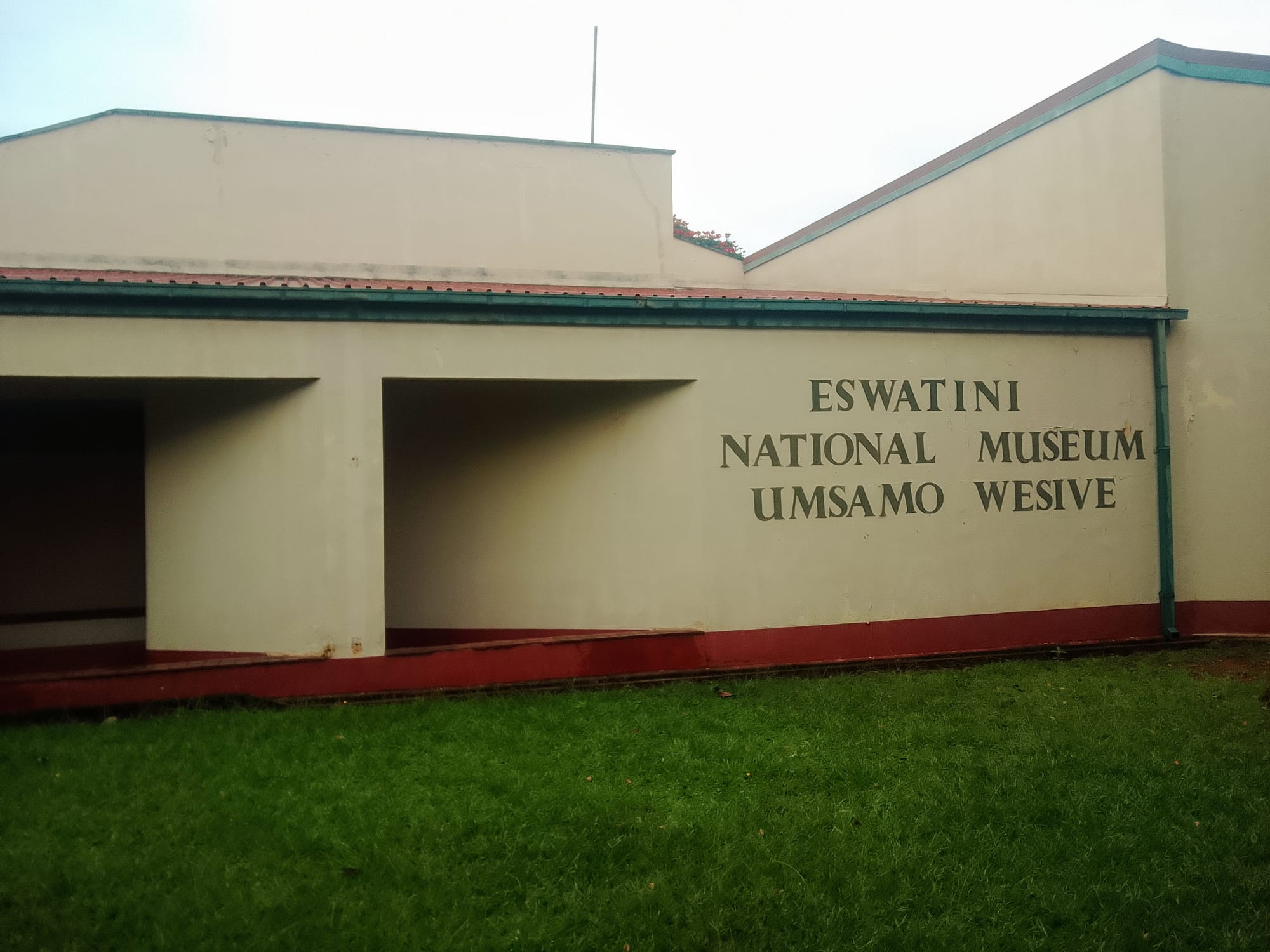
Lobamba is the country's legislative capital; Mbabane is the executive capital.
How "Swaziland" became the official name
The English name took hold as European powers closed in during the 19th century. The country's boundaries were drawn up in 1881, during the Scramble for Africa, when Britain signed a convention recognising Swazi independence. In 1894 another convention made Swaziland a protectorate of the South African Republic, the Boer state of the Transvaal. After the British victory in the Second Boer War, Swaziland became in 1903 one of Britain's three "High Commission Territories", alongside Basutoland and Bechuanaland.
Unusually, the Swazi monarchy kept much of its authority through this period, and the Swazi remained self-governing on their reserves. The kingdom regained its full independence on 6 September 1968, still under the English name. Its two fellow high commission territories are now known as Lesotho and Botswana, but Swaziland kept its colonial-era English name for another half-century.
- Mid-18th century
The Swazi kingdom is founded under Ngwane III; the land is called KaNgwane.
- c. 1840–1868
Mswati II expands and unifies the kingdom, which takes his name.
- 1903
Swaziland becomes a British High Commission Territory.
- 6 September 1968
Independence, under the name Kingdom of Swaziland.
- 1986
Mswati III comes to the throne.
- 19 April 2018
The king renames the country the Kingdom of Eswatini.
A jubilee, a birthday and a decree
Mswati III, born on 19 April 1968, has reigned since 1986. In 2018 the 50th anniversary of independence and his own 50th birthday fell in the same year, and he chose his birthday to announce the change, promulgating a decree that renamed the country.
The Switzerland problem was real enough to be cited as part of the reason: in English, Swaziland and Switzerland were easy to mix up, and the new name was partly intended to prevent that confusion.
That the change came by decree says much about how the country is governed. Eswatini is the last absolute monarchy in Africa. Its constitution was adopted in 2005, and elections to parliament are held every five years, but political parties are prohibited from running. The renaming did not need a parliamentary vote or a referendum.
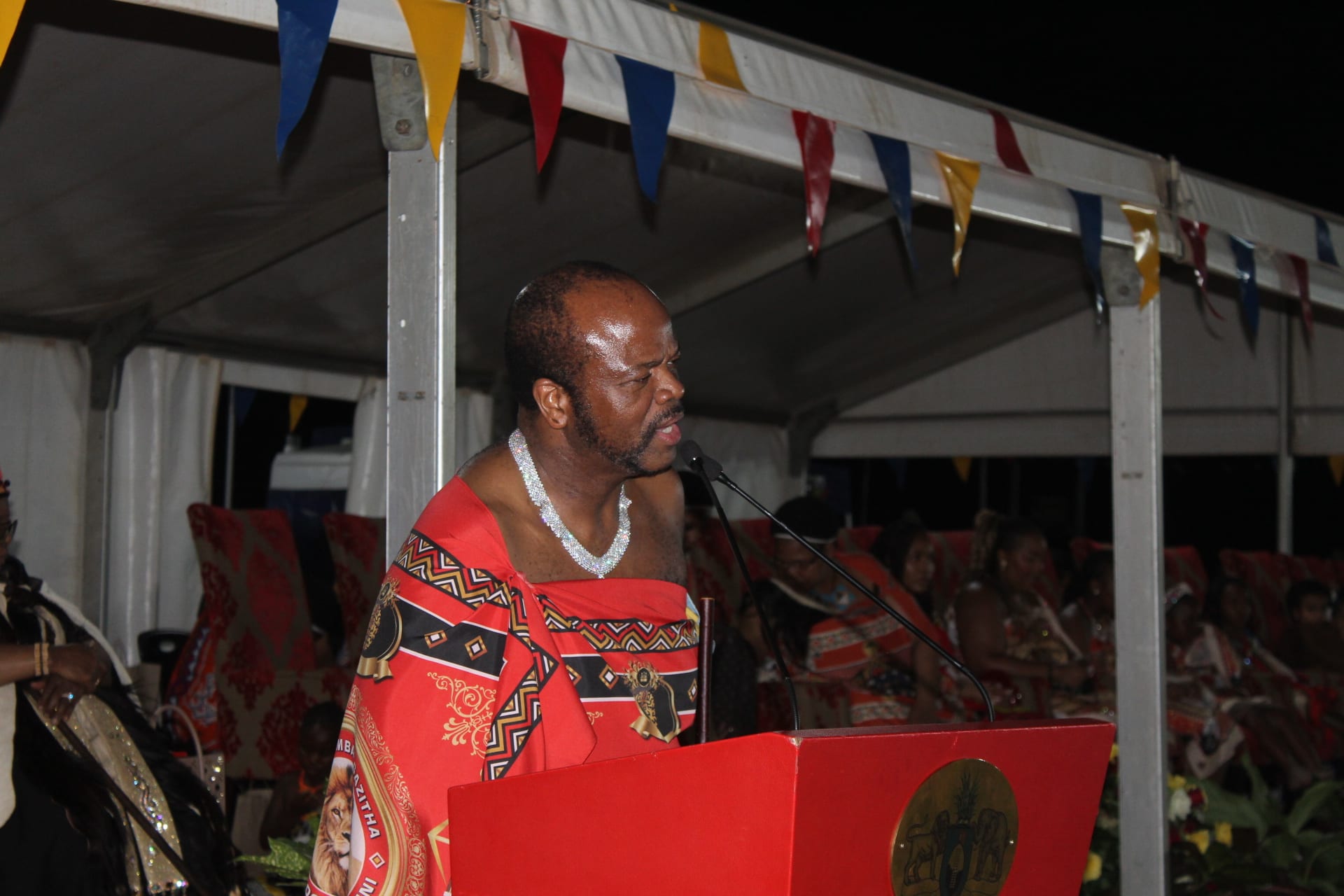
The Swazi king carries the traditional title of iNgwenyama.
A new name in a changing Africa
Eswatini was far from the first African country to replace a colonial-era name. Upper Volta, named by the French after the upper courses of the Volta River, was renamed Burkina Faso on 4 August 1984 by President Thomas Sankara. What set Eswatini's change apart was its timing, half a century after independence, and the fact that it restored a name already in everyday use rather than inventing a new one.
The new name has not settled the country's politics. In September 2018, months after the renaming, workers began anti-government protests over low pay. In June 2021 pro-democracy protests broke out across the country, with riots, looting and clashes with police and soldiers, and calls for political reform continue.
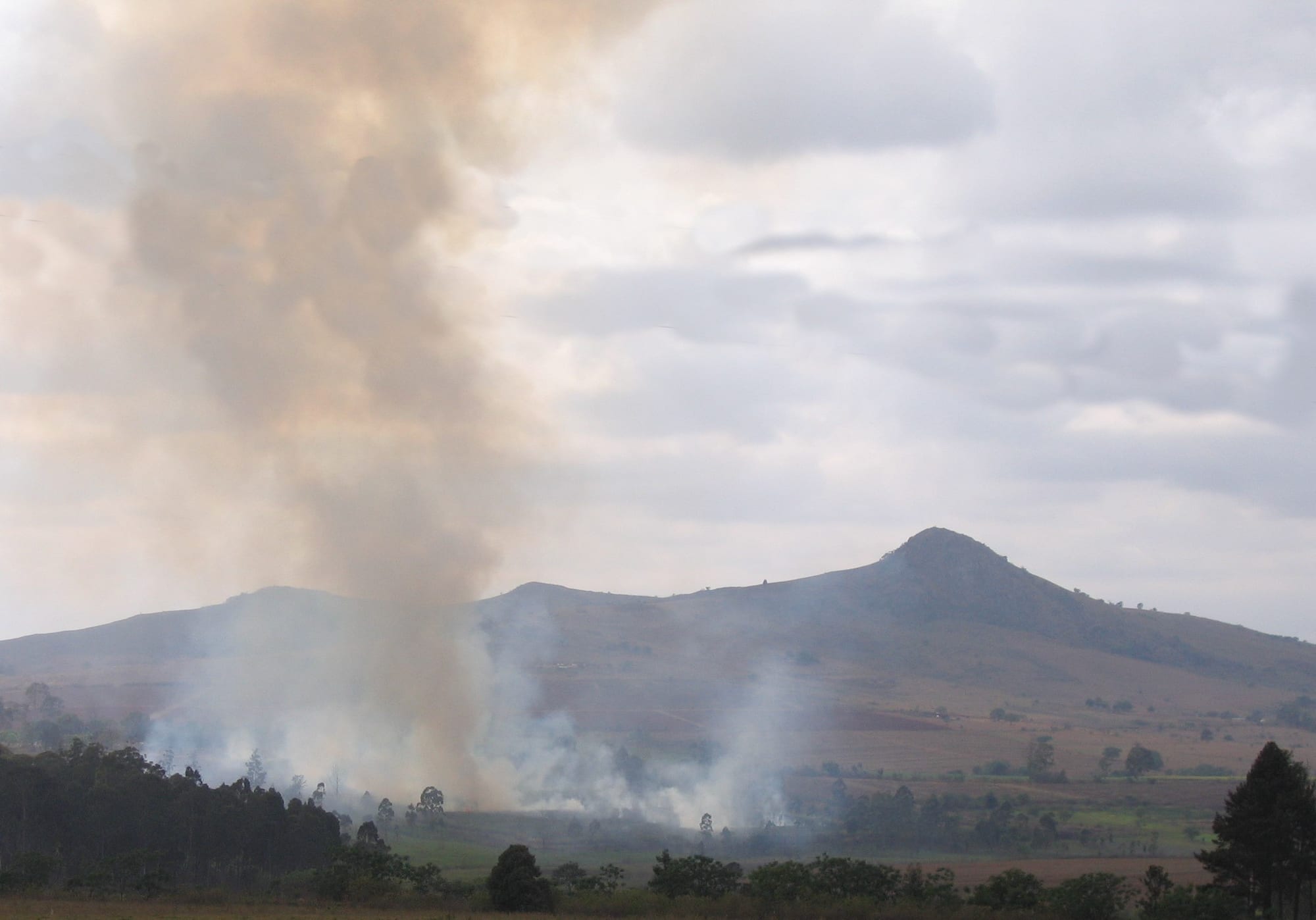
In siSwati, Ezulwini means "heaven".