Daily Life
Why do mosquitoes bite some people more than others?
Mosquitoes hunt by smell, and every person smells different. Breath, body heat and the chemicals made by skin bacteria all shape who gets bitten.
By Globeway Editorial · 2 November 2026
The short answer
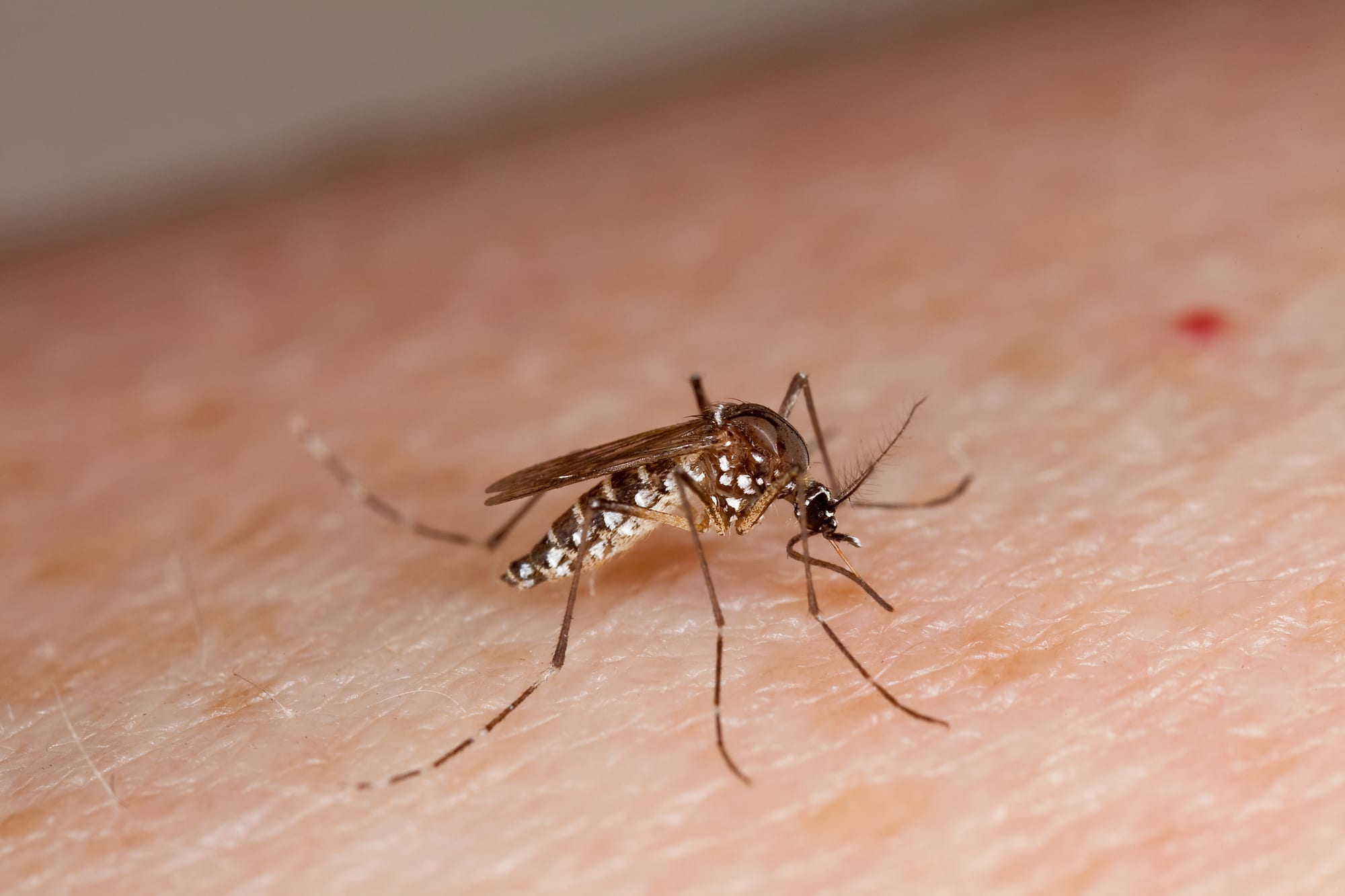
Mosquitoes find people mainly by smell, and no two people smell the same to a mosquito. They first pick up the carbon dioxide in human breath, which switches on their hunting behaviour, then home in on body odour: a blend of chemicals produced largely by the bacteria living on the skin as they break down sweat and skin oils. People whose skin gives off more of the substances mosquitoes like, especially certain acids, are bitten far more often. Studies have also linked mosquito preference to body heat, pregnancy, and possibly blood type, and part of how attractive a person is runs in the family.
There is a second half to the answer. Some people are not bitten less; they just react less. The itchy bump is an allergic reaction to the mosquito's saliva, and the strength of that reaction varies hugely from one person to the next and changes over a lifetime.
Only the females bite, and they bite for their eggs
There are about 3,600 species of mosquito, and all of them drink nectar from flowers. Only females bite, and only in species that have adapted to drink blood as well. Blood is rich in protein, which the female needs to make her eggs. In disease-carrying groups such as Anopheles, which spreads malaria, and Aedes, which spreads dengue and yellow fever, she cannot lay eggs without a blood meal.
That makes choosing a host a serious business. A female drinks a full meal, rests for two or three days to digest it while her eggs develop, lays them, and then sets off to feed again. She can live for up to three weeks in the wild, and by carrying parasites and viruses from one host to the next, mosquitoes cause the deaths of more than one million people every year.
Breath first, then skin
A mosquito hunts in stages. Carbon dioxide and 1-octen-3-ol, a substance sometimes called mushroom alcohol, both found in exhaled breath, tell her a living animal is nearby. Carbon dioxide switches on searches by smell and by sight that she would not otherwise make. She then flies towards the source, following the rising concentration of odours.
Close up, body odour is the most important cue, because it tells a human apart from any other warm-blooded animal. The yellow fever mosquito, Aedes aegypti, is drawn to ammonia, carbon dioxide, lactic acid and octenol. Mosquito antennae are packed with odour receptors: one count found 72 types, of which at least 27 are tuned to chemicals found in sweat.
Sight helps too. Mosquitoes are attracted to the longer wavelengths of light that people see as red and orange, a range that covers human skin tones, and they are strongly drawn to dark objects that stand out against a lighter background.

Most mosquito species are most active at dawn and dusk, resting somewhere cool through the heat of the day.
The bacteria that make each person unique
The difference between people lies mostly in their skin. Many of the chemicals in body odour are made when skin bacteria digest sweat and sebum, the natural oil of the skin, and every person's mix of bacteria and chemicals is a little different. The variation in skin odour comes from body weight, hormones, genes, and some medical conditions.
Chemical analysis shows that people who are highly attractive to mosquitoes give off significantly more carboxylic acids, a family of compounds produced on the skin. Mosquitoes also tend to prefer people with plenty of skin bacteria and high body heat, and they favour pregnant women. Some studies have found that mosquitoes prefer people with type O blood. Because odour is shaped partly by genes, attractiveness to mosquitoes has a heritable, genetically controlled component: it tends to run in families.
Illness can change the picture. People infected with malaria produce relatively large amounts of aldehydes, substances triggered in the skin by the malaria parasite, which make their odour more appealing to mosquitoes.
Even breathing harder makes a difference. Exercise raises the amount of carbon dioxide a person breathes out, and that is one of the first signals a mosquito follows.
Why some people barely notice the bites
The bump left by a bite comes from proteins in the mosquito's saliva, which she injects to stop the blood clotting while she drinks. The body's immune system treats these proteins as allergens. The typical reaction is an itchy raised welt that appears within about 20 minutes, followed hours later by a firmer bump that fades over days or weeks.
But the reaction changes with experience. Someone who has never been bitten has no reaction at all at first. After the first bites the body becomes sensitised, first with a delayed reaction and then with both quick and delayed ones. After roughly 2 to 20 years of repeated bites, many people become partly or fully desensitised and react less, or not at all. So two people on the same terrace at dusk may be bitten equally and still compare very different arms the next morning.
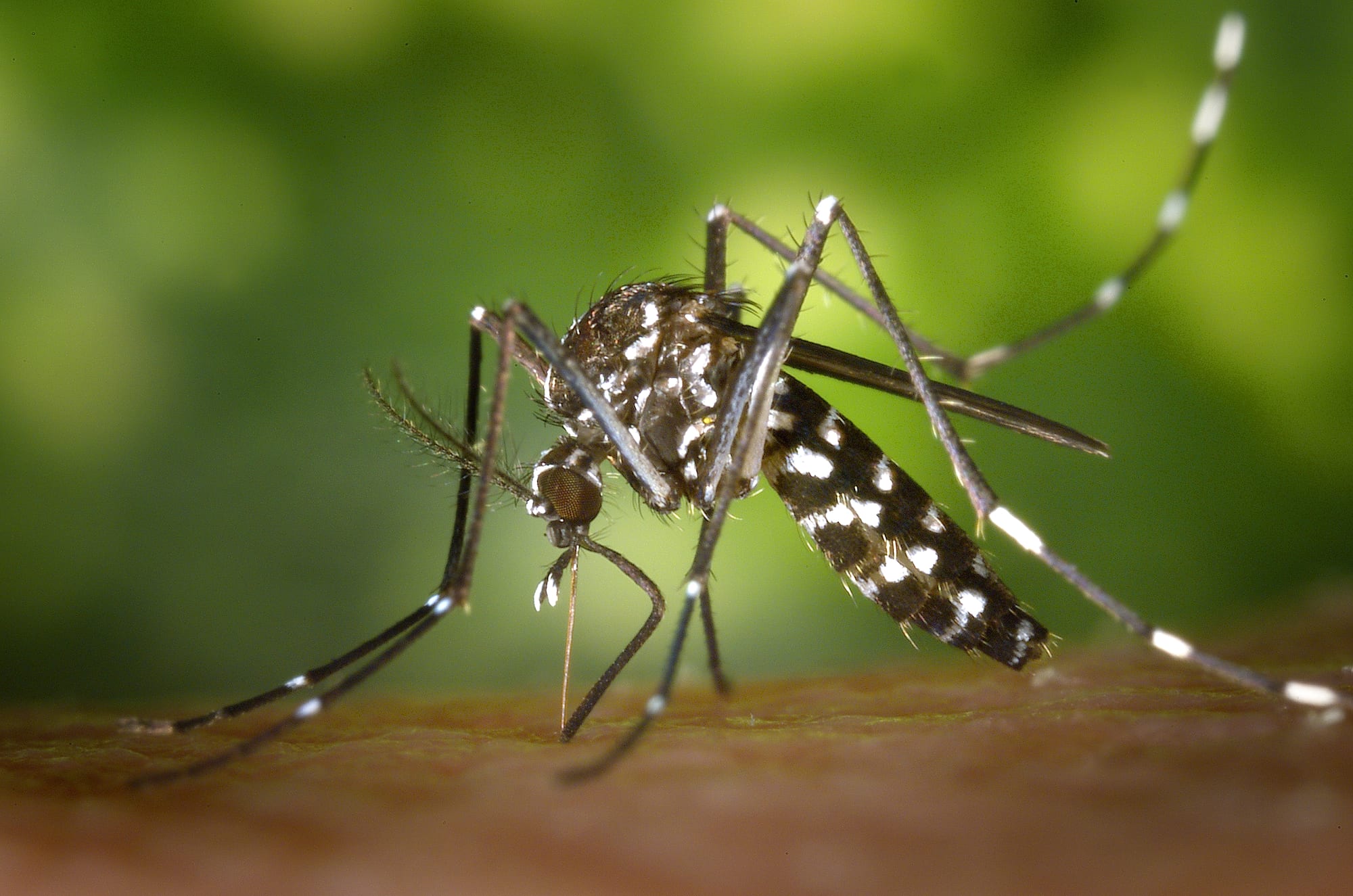
Since the mid-1960s the Asian tiger mosquito has spread from its native Asia to Europe, the Americas, Africa and the Middle East; in mainland France it has been established since 1999, mainly in the south.
Repellents applied to skin or clothing discourage mosquitoes from landing. DEET is the oldest active ingredient in commercial repellents and one of the most effective, and the US Centers for Disease Control and Prevention also recommends icaridin, oil of lemon eucalyptus and IR3535, among others. Electronic devices sold to repel mosquitoes, by contrast, have been shown in studies to be ineffective.