Culture & Customs
Why do some countries drive on the left?
Nobody knows for sure why the first travellers chose a side, but Britain wrote keep-left into law and carried it across an empire, while most of the world drifted right
By Globeway Editorial · 2 November 2026
The short answer
Every society that put traffic on its roads needed a simple rule so that people travelling in opposite directions would not meet head-on: both pass on the left, or both pass on the right. Why one group picked one side and another picked the other is genuinely not known. Popular explanations about sword hands and horse reins are plausible stories, not documented history.
What is clear is why the left-hand countries are where they are today. Most of them were once part of the British Empire, which wrote keep-left into law and spread it from India to Australia and the Caribbean. A few, notably Japan, arrived at the left on their own. Around 75 countries keep left today, covering about a sixth of the world's land, a quarter of its roads and roughly a third of its people. The rest, 165 countries and territories, keep right, and over the last century the world has steadily drifted that way.
Swords, reins and other unproven stories
The best-known explanation is that horsemen kept left so their right hand, the sword hand, faced anyone coming the other way. Others point to which hand held the reins or the whip. All of these may be partly true somewhere, but no one has shown which, if any, decided the matter. The academic Chris McManus notes a typical case: writers have claimed that in 1300 Pope Boniface VIII told pilgrims to keep left, others that he told them to keep right, and there is no documentary evidence for either.
Archaeology gives a few real clues. In Roman Pompeii, carts drove down the middle of the road whenever they could, but wear marks on the kerbstones show that when two lanes of traffic had to be separated, drivers kept to the right. So keeping right is at least as old as keeping left.
How Britain made keep-left the law
England turned custom into rule early. In 1669 the London Court of Aldermen ordered a man to be posted on London Bridge to keep carts going one way on one side and carts coming the other way on the other. The London Bridge Act of 1756 required carriages leaving London to keep to the east side, which meant the left-hand side for traffic heading south, and this may be the first law anywhere requiring traffic to keep left. Ireland fined drivers in Dublin ten shillings for not keeping left from 1793. The Highway Act 1835, passed by the Parliament of the United Kingdom, made it an offence not to keep "on the left or near side of the road" when meeting another carriage or horse.
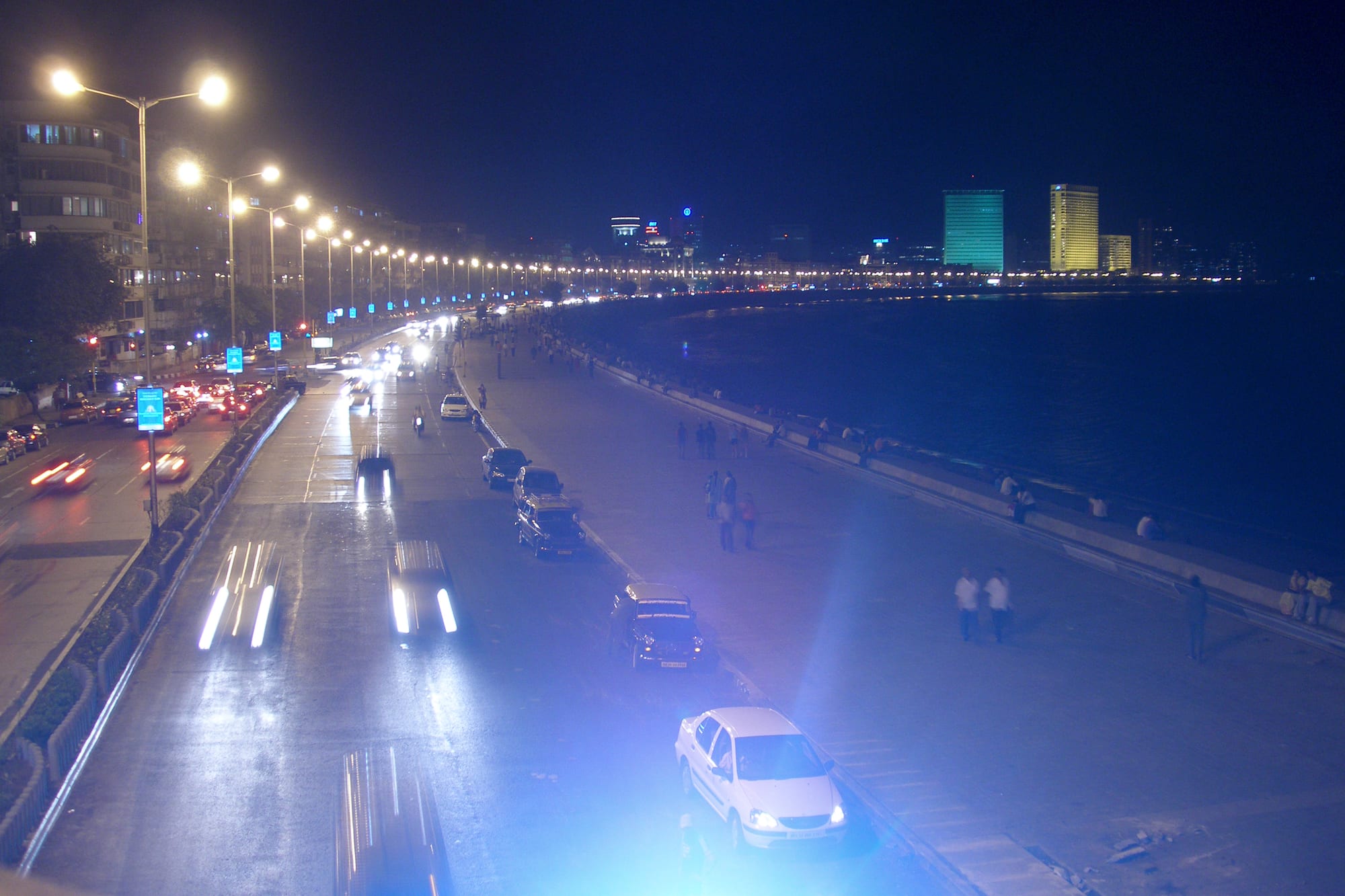
The empire then exported the rule. Britain introduced left-hand traffic in British India, which covered today's India, Pakistan, Bangladesh and Myanmar; in Malaya, Singapore, Brunei and Hong Kong; in Kenya, Uganda, Tanzania, Zambia and Zimbabwe; and across the Caribbean. Australia, New Zealand, Fiji and other Pacific nations have always kept left. Neighbours often followed suit: Nepal and Bhutan keep left like India, and Mozambique stayed on the left even after Portugal switched to the right in 1928, because it borders former British colonies. In Europe, only four countries still keep left, all islands: the United Kingdom, Ireland, Cyprus and Malta.
Why so much of the world went right
In the United States, right-hand traffic took hold in the late 18th century because of big freight wagons pulled by several pairs of horses with no driver's seat. The driver, usually right-handed, rode the rear left horse so he could use the whip with his right hand, and from there he wanted oncoming wagons to pass on his left, where he could see them clearly. The first American keep-right law, in 1792, covered the turnpike between Philadelphia and Lancaster. When cars arrived, Henry Ford put the steering wheel of the 1908 Model T on the left so the driver could judge oncoming traffic and passengers could step out onto the kerb, and other makers soon followed.
In Europe the right spread unevenly. A much-repeated story says Napoleon imposed it on France and the lands he conquered, but scholars who have searched for evidence have found none, and in 1827 a visitor to Paris reported that coachmen there followed no fixed rule at all. Russia officially adopted keep-right by an edict of Empress Elizabeth in 1752. All of France's colonies took up the right, as did most of the lands of the former Austro-Hungarian Empire after it broke up. Italy was a patchwork province by province until Mussolini decreed in 1923 that the whole country would gradually move to the right, and Portugal switched in 1928.
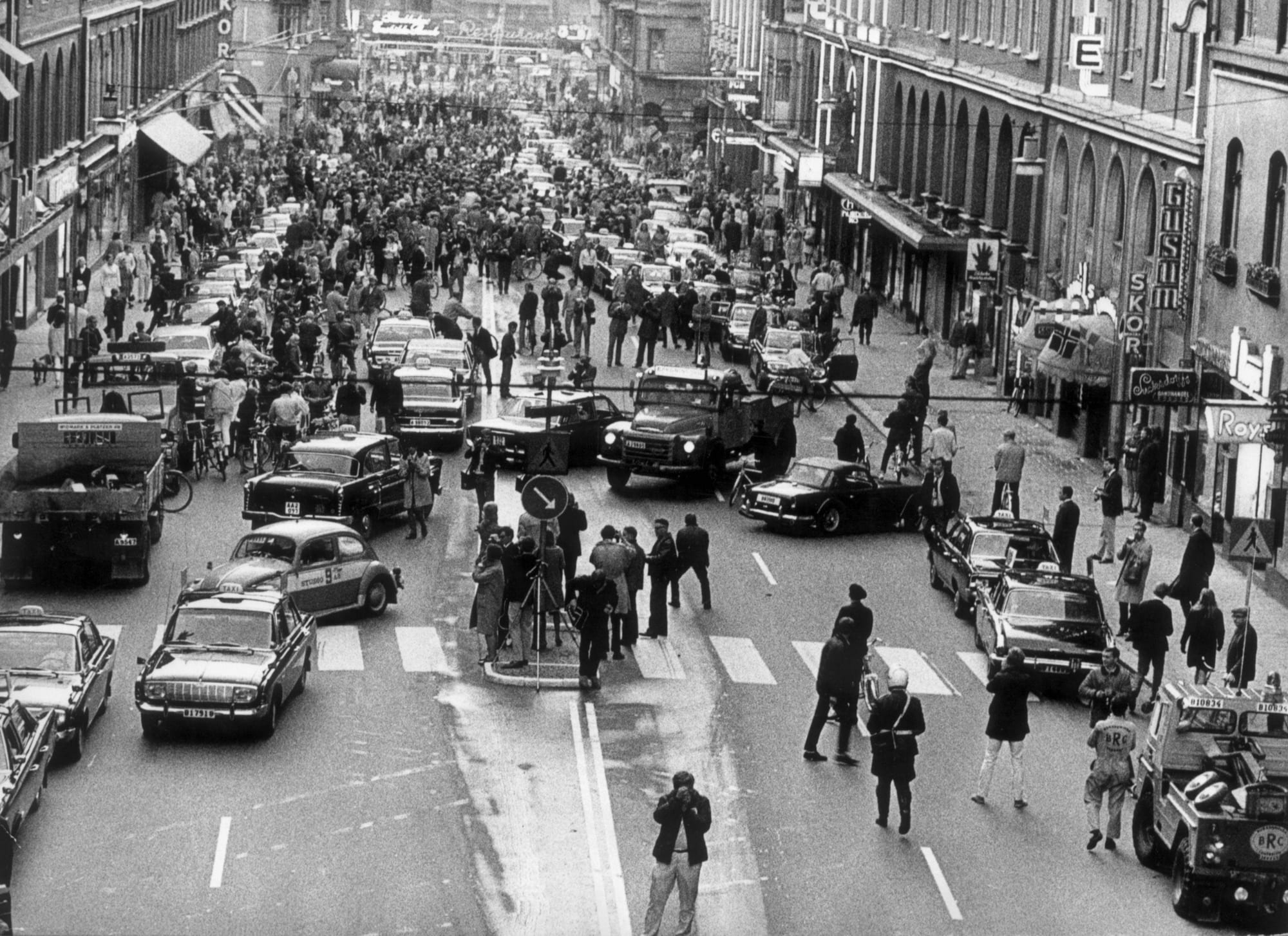
The most famous switch was Sweden's. It had kept left since about 1734, although its neighbours Norway and Finland drove on the right and about 90 per cent of Swedes drove cars with the steering wheel on the left. In a 1955 referendum, 83 per cent voted to stay on the left, but the government ordered the change anyway. At 5 am on Sunday 3 September 1967, a day called Dagen H, all traffic moved across. Some 350,000 road signs had to be changed. Accidents fell at first, then returned to their old levels by 1969. Iceland followed in May 1968.
In all, 34 left-hand territories switched to the right between 1919 and
- In 1919 the two sides had been exactly level, at 104 territories
each.
The exceptions that went left on their own
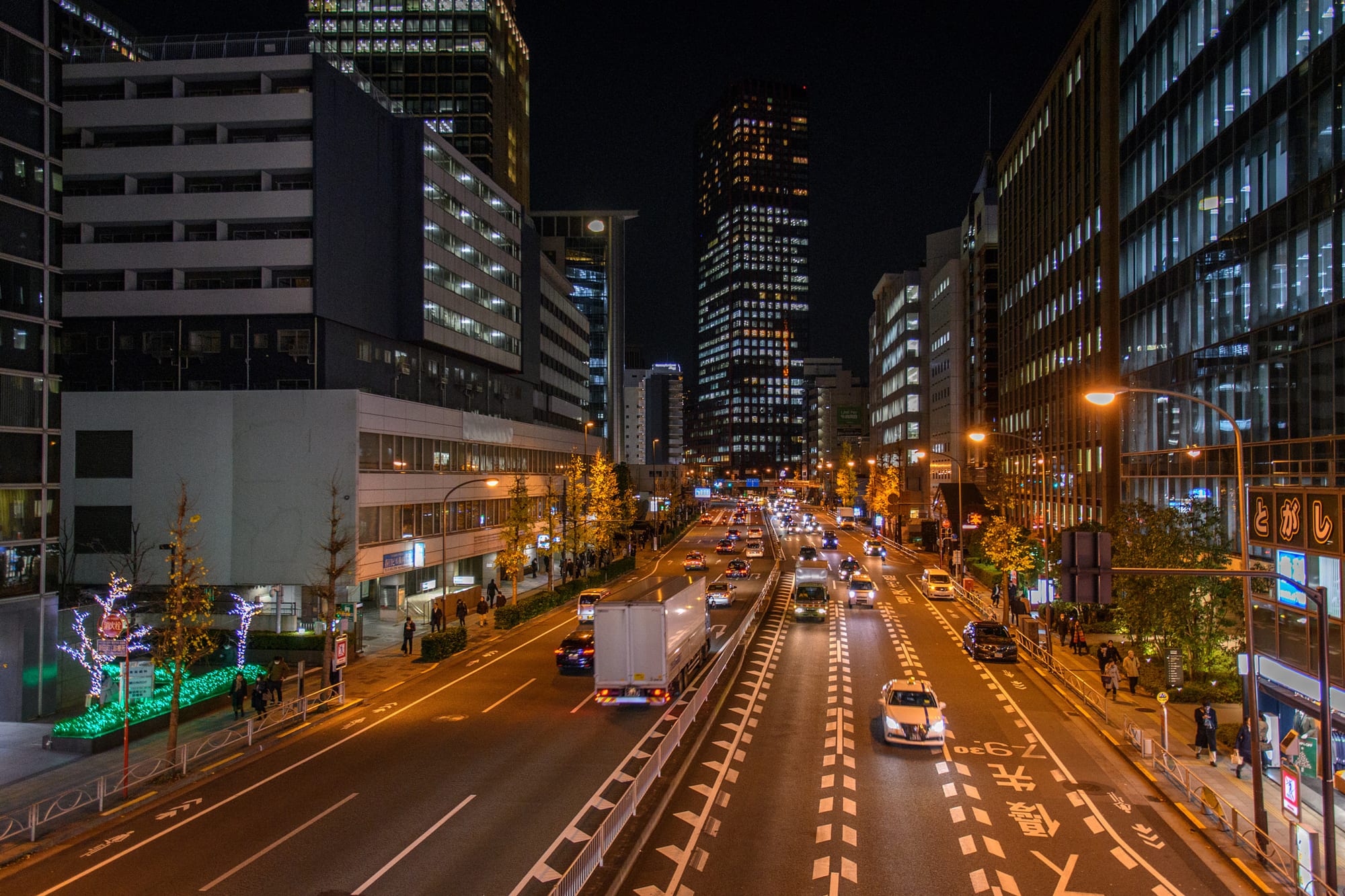
Japan was never part of the British Empire, yet it keeps left. The custom dates back to the Edo period (1603 to 1868). It was officially acknowledged in 1872, the year Japan opened its first railway, built with British technical help and running on the left, and it became law in 1924. Okinawa, run by the United States after the Second World War, drove on the right until 6 am on 30 July 1978, when it switched back to the left.
More recent switches have turned on the supply and price of cars. Samoa, a former German colony, had driven on the right for more than a century but switched to the left on 7 September 2009, the first territory in almost 30 years to change sides. The government wanted Samoans to be able to buy cheaper vehicles from Australia, New Zealand and Japan. It went ahead despite protests by an estimated 18,000 people, and the changeover passed with no reported incidents. Rwanda studied a switch to the left for similar reasons, since right-hand-drive cars there were found to be 16 to 49 per cent cheaper, but decided to stay on the right because of the cost of changing its roads. Britain itself looked at switching to the right in the late 1960s and concluded it would be unsafe and too costly.
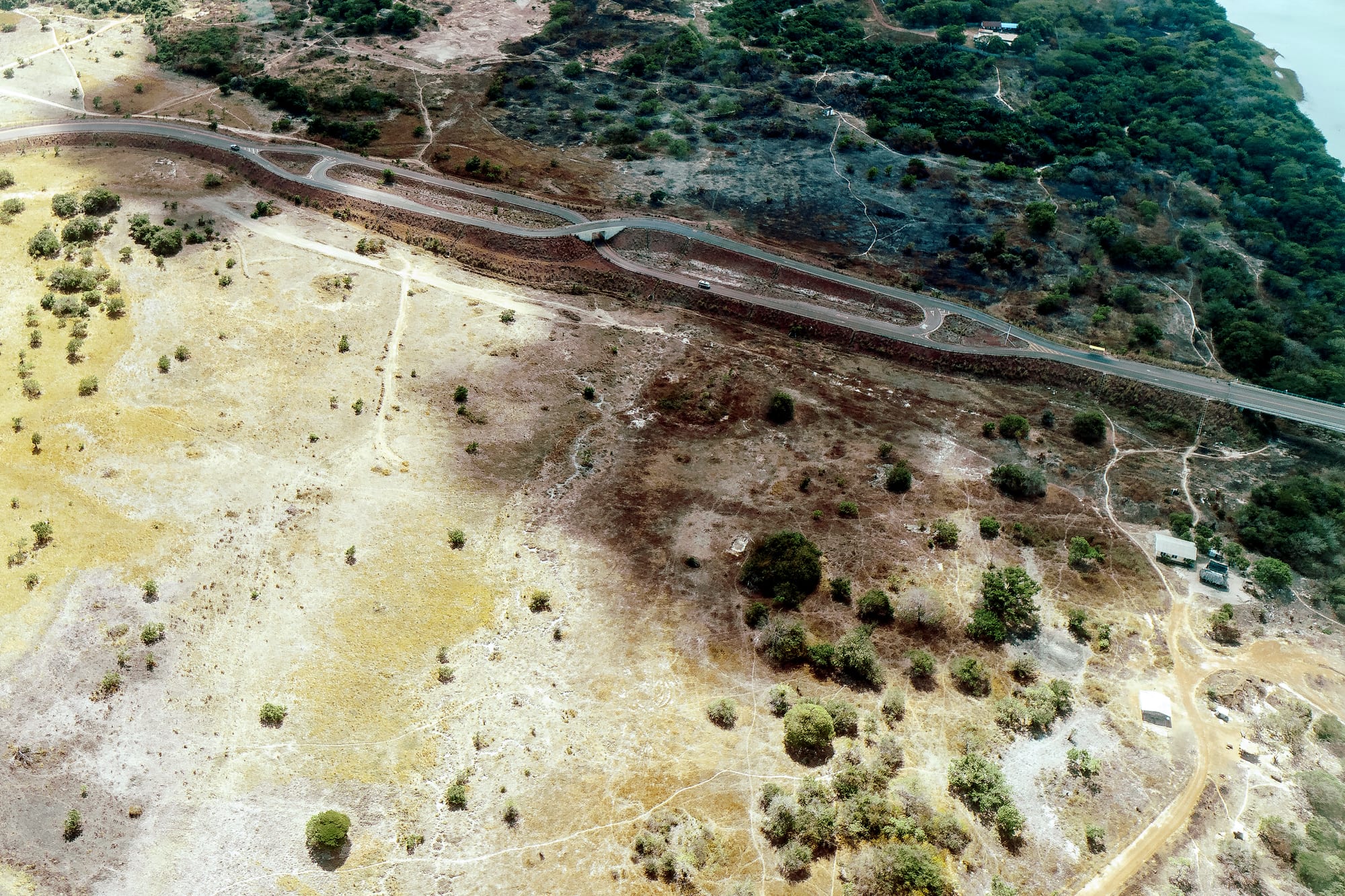
Where the two systems meet, engineers have to build the switch into the road. The Takutu River Bridge between Guyana and Brazil is the only border in the Americas where traffic changes sides, and Thailand, which keeps left, uses traffic lights or crossover interchanges at its borders with right-driving Cambodia, Laos and Myanmar.