Daily Life
Why does airline food taste so bland?
Dry, low-pressure cabin air dulls passengers' sense of smell and taste, so airlines season their meals more heavily than a restaurant on the ground would.
By Globeway Editorial · 2 November 2026
The short answer
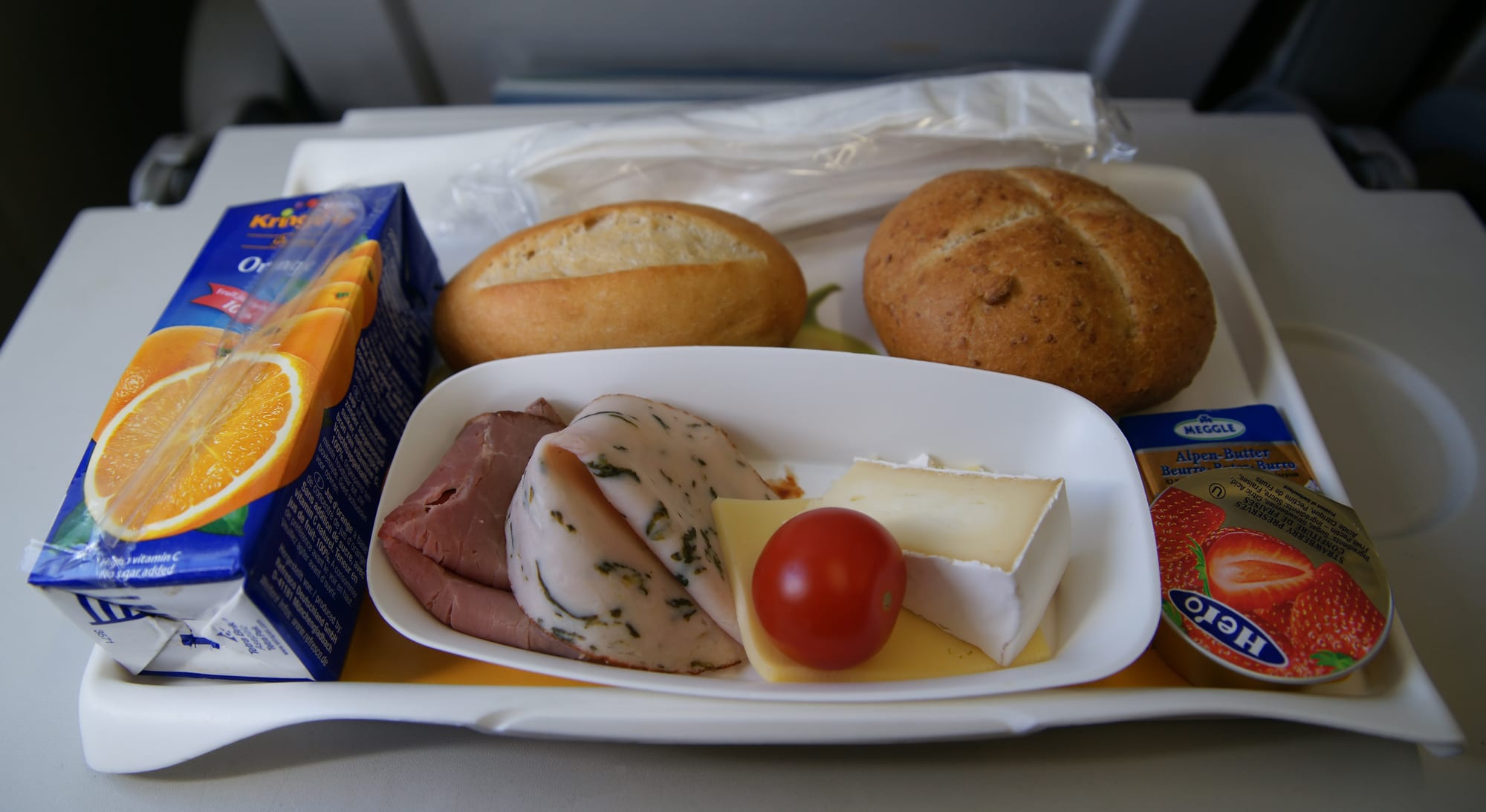
Mostly, it is not the food but the passenger. Aircraft cabins are pressurised to the equivalent of a mountain town and filled with very dry air, which dries out the nose and blunts the sense of smell that gives food most of its flavour. Tests have found that the perception of saltiness and sweetness drops by around 30 percent at high altitude, and the noise of the cabin may change taste too.
Airlines know this, and they season their meals more heavily than they would on the ground, with extra salt, sugar and stronger flavours. Even so, dishes cooked in a kitchen on the ground before take-off and heated up on board struggle to taste as good as they would in a restaurant.
A cabin that dulls the senses
Air at cruising height is far too thin to breathe, so jet cabins are pressurised. They are not pressurised to sea level, however. Regulations allow a cabin altitude, the height above sea level with the same air pressure, of up to about 2,400 metres (8,000 feet), and on a typical flight the cabin pressure eases gradually towards that limit after take-off. At that altitude there is about 25 percent less oxygen than at sea level.
The air inside is also low in humidity. It is cooled, humidified and mixed with recirculated air before it reaches the cabin, but newer airliners advertise their higher humidity as a comfort feature: Airbus says its A350 offers a cabin atmosphere of 20 percent humidity. Dry air dries out the nose, and that matters more for eating than it might seem.
Taste is mostly smell
Strictly speaking, the tongue detects only five basic tastes: sweet, salty, bitter, sour and umami, the savoury taste of meat broths and fermented foods. Flavour depends heavily on smell. As food is chewed, aroma molecules travel up through the nasal passages, a process called retronasal smell, and the brain combines them with taste, texture and temperature.
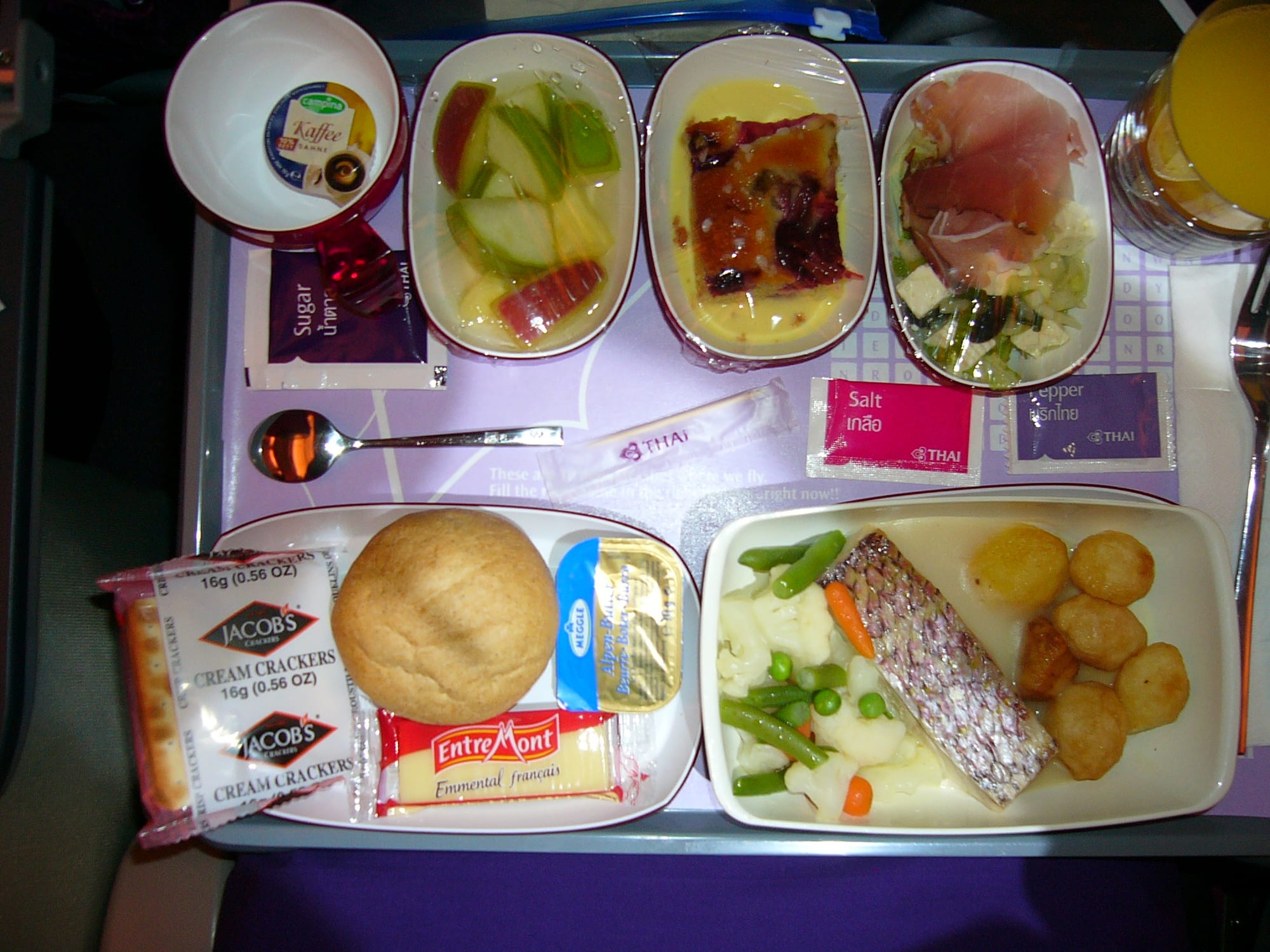
Condiments, usually salt, pepper and sugar, are handed out in small sachets or shakers so that passengers can season to taste.
When the lining of the nose dries out, the smell receptors work less well, and with them goes much of a meal's flavour. The historian Guillaume de Syon, of Albright College in the United States, who has written about the history of airline meals, says that the effects of pressurisation can make food taste "dry and flavorless". Pressurisation also makes passengers thirsty, and he notes that they may reach for alcohol when water would serve them better.
Noise and the tomato juice puzzle
Sound plays a part as well. The Oxford experimental psychologist Charles Spence has shown that what people hear changes what they taste: in one experiment, louder, higher-pitched crunches made crisps seem about 15 percent fresher. His work has found that sight matters too, with strawberry mousse judged about 10 percent sweeter when eaten from a white container than from a black one. A small study by the researchers Yan and Dando suggested that the loud, pressurised environment of an aircraft cabin may increase the perception of umami.
That could help explain a long-noticed oddity. Passengers drink unusually large amounts of tomato juice, which is rich in umami, on flights. Lufthansa has found that it serves nearly as much tomato juice on its flights as beer.
Cooked on the ground, served in the sky
The way airline meals are made adds to the problem. Most are prepared on the ground before take-off, though some are prepared at cruising altitude. United Airlines opened the first dedicated in-flight catering kitchen in the 1930s, in Oakland, California, and soon found that altitude caused trouble even then: at greater heights eggs took longer to cook and bread spoiled much faster. Pan Am became the first airline to heat food in flight, aboard a Sikorsky S-42.
In the 1940s, the US Navy veteran William Maxson's "sky plate", a frozen meal heated in the air, was taken up by Pan Am. Pre-made frozen meals cut waste when flights were cancelled, inspired the TV dinners sold in American supermarkets and are still served in economy class today. As passenger numbers grew, so did the pressure to serve quickly. In 1946 flight attendants had to serve twice as many passengers in two-thirds of the time, and in the 1960s economy cabins switched to plastic and bite-sized food so that people would finish faster.
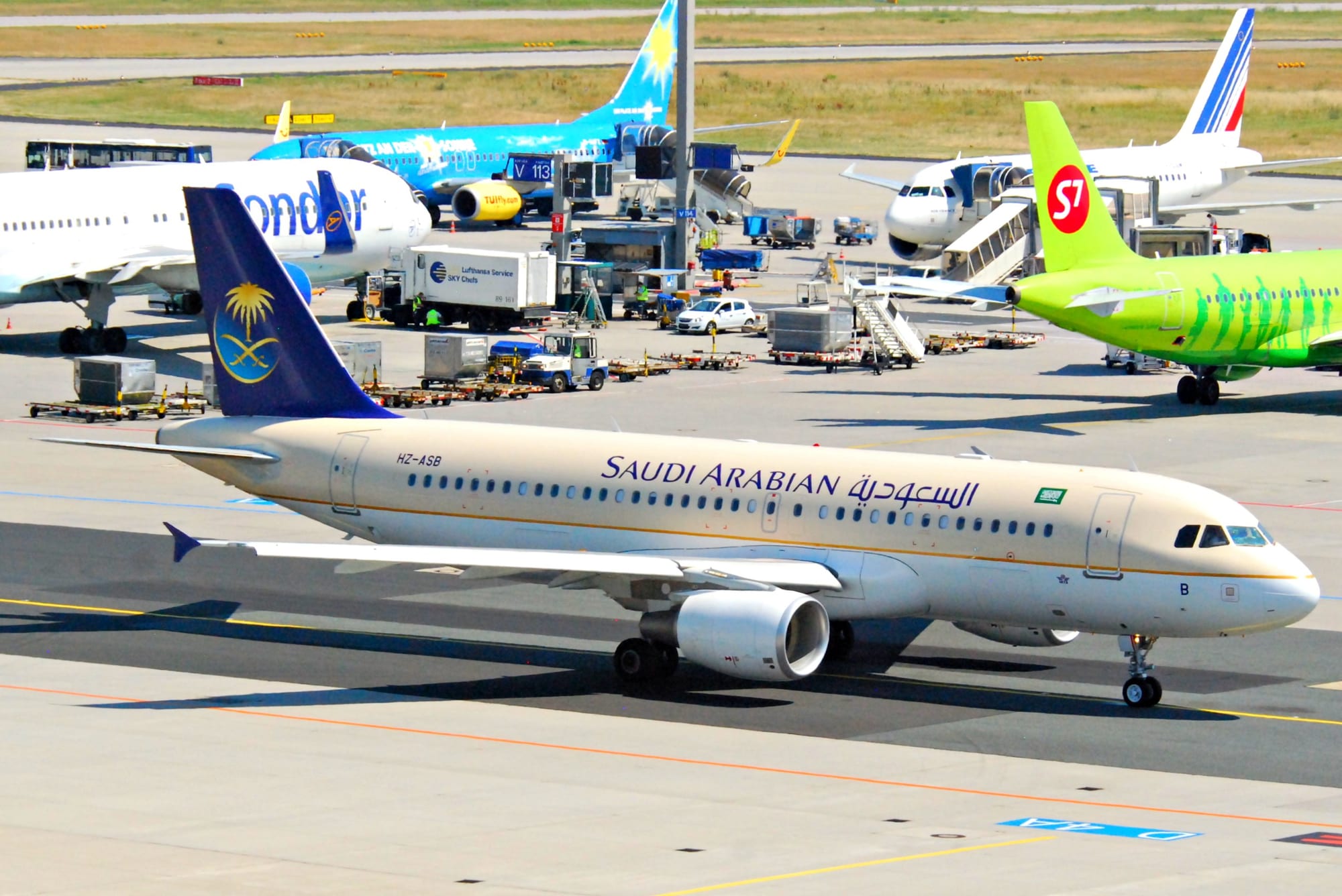
Meals reach the aircraft from specialist catering companies. One of them, Gategroup, worked at more than 135 airports in 33 countries in 2024.
How airlines fight back
Caterers first ran into the problem in the 1960s, as jets climbed higher and passengers' taste buds seemed to lose their edge. Their answer was stronger-tasting food and drink. In 1973 the French airline Union de Transports Aériens became the first to hire a chef to improve its in-flight menu. Raymond Oliver reworked the recipes for the altered sense of taste at altitude, adding more salt, sugar and oil, and the improvement was almost immediate.
Airline meals are still seasoned more thoroughly than food on the ground, and some airlines work with well-known chefs on their premium menus. Aircraft designers have joined in, too: the Boeing 787 Dreamliner and Airbus A350 keep a lower cabin altitude and higher humidity than older jets, partly for passenger comfort. None of it fully recreates a meal at sea level, which is why the same dish can taste rich on the ground and flat at cruising altitude.