💰 Budget
Vitebsk is cheaper than Minsk, with inexpensive canteens, cafés, museums and city transport. Hotel prices are the main cost, and both prices and demand rise during the Slavianski Bazaar in July. Many foreign-issued cards do not work in Belarus because of sanctions, so bring cash in euros or US dollars to exchange.
- Daily Budget Midrange
- USD 50–95 (city hotel, restaurant meals, museum tickets, taxis)
- Daily Budget Shoestring
- USD 25–40 (budget hotel, canteen meals, trams, trolleybuses and buses)
Book a room well ahead for the Slavianski Bazaar in July; outside festival time the city is quiet and rooms are easier to find.
📅 Best Time to Visit
Late May to September. July brings the Slavianski Bazaar and the busiest weeks, while late May and September are quieter and cooler for walking the centre and riverbanks. Winter is long, cold and dark, though the museums and theatres stay open and November has a dance festival.
⏳ Suggested Number of Days
One or two days are enough for a first look at the city. Allow three or four to include trips into the surrounding region, or to stay through the July festival.
- First Visit
- 1–2 days
- With Surroundings
- 3–4 days
🚆 Transportation
Buses, trolleybuses and trams cover the city, and private route taxis are more often available and punctual, for higher fares. Taxis wait at the railway station, in the centre and near the universities; agree the fare before setting off. The main sights are within walking distance of each other.
Route taxis, or marshrutkas, cost more than city buses but are more likely to be available and to run on time.
🛬 Airport & Station Connections
Most visitors fly into Minsk and take the train to Vitebsk, about four and a half hours. Vitebsk Vostochny Airport, 12 km south-east of the city, has few flights. Vitebsk lies on the railway from Minsk to St Petersburg, and buses and marshrutkas run to Minsk and many regional towns. Coaches have also run to Lithuania and Latvia, though border controls can make them slow.
🚶 Walkability
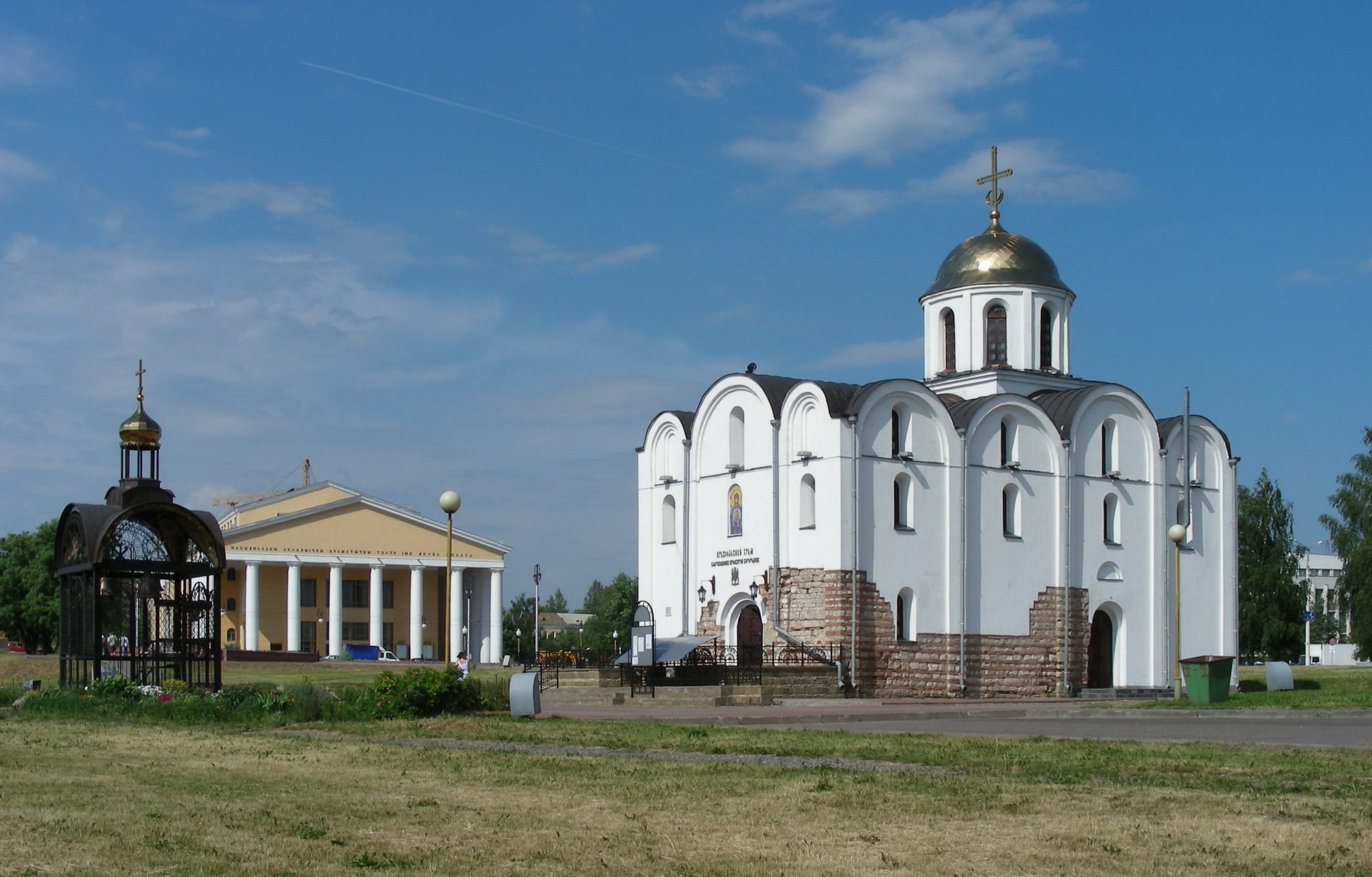
The historic centre is compact and easy on foot: the Town Hall, the art museum, the Annunciation Church and the theatre are close together, and the Chagall house is near the railway station. The city spreads along both banks of the Dvina, and the hilly riverbanks and wide Soviet avenues make longer walks tiring. Pavements can be icy in winter.
🛡️ Safety
Setting aside politics, Belarus has low street crime and is an orderly place to travel. In Vitebsk the main risks to visitors are scams in bars and clubs, where some travellers have been plied with drink and robbed. The serious risks are political and legal: the authorities detain people, including foreigners, on vague charges, there is no tolerance of protest, political comment or photography of security and government sites, and consular help is very limited. Several Western governments advise against all or all-but-essential travel to Belarus.
Keep a low profile, avoid anything touching on politics, never photograph police, military or government buildings, carry identification and be wary of overfriendly strangers in nightclubs. Check current official travel advice before travelling.
🌦️ Climate
A warm-summer humid continental climate. Summers are generally warm, while winters are cold, though milder than in Moscow because of air from the Baltic Sea. About 724 mm of rain and snow falls in a year.
- Summer
- mild to warm across northern Belarus, with July averaging around 17.5°C, and showers
- Winter
- cold and snowy across northern Belarus, with January averaging around -8°C in the north-east
🤝 Local Customs
Russian is the everyday language of the city, with Belarusian heard more in the countryside and at the Yakub Kolas Theatre; English is limited. Vodka is normally drunk with food, and anyone not eating usually takes a soft drink as a chaser. Modest dress is expected in churches.
Dress modestly in churches, ask before photographing people, and never photograph police, soldiers or official buildings.
💳 Common Payment Methods
The currency is the Belarusian ruble (BYN). Cards, including contactless, are widely accepted in the city where they work at all, but foreign cards are often blocked by sanctions, so carry enough cash in euros or US dollars to exchange. Small cafés, markets and route taxis take cash.